Introduction
The global development initiative, Global Security Initiative, and Global Civilization Initiative are the three important initiatives proposed by China in 2021, 2022, and 2023, respectively. These initiatives focus on the three aspects of development, security and civilization, with the fundamental purpose of building a community with a shared future for mankind, and provide Chinese solutions to global challenges. There is an old saying in China to describe the mission of Chinese intellectuals: “To ordain conscience for Heaven and Earth; To secure life and fortune for the people; To continue lost teachings for past sages; To establish peace for all future generations.” This sentence is also in line with the spirit of the three initiatives. Among them, the Global Civilization Initiative aims “to ordain conscience for Heaven and Earth”; the Global Development Initiative aims “to secure life and fortune for the people”; The Global Security Initiative aims “to establish peace for all future generations”, which effectively demonstrates the inclusive, independent and peaceful concept of Chinese global governance (Hui, 2023Hui. J. X. (2023). Three Initiatives: Leading the World Trend. Beijing Daily. Retrieved February 15, 2024 from).
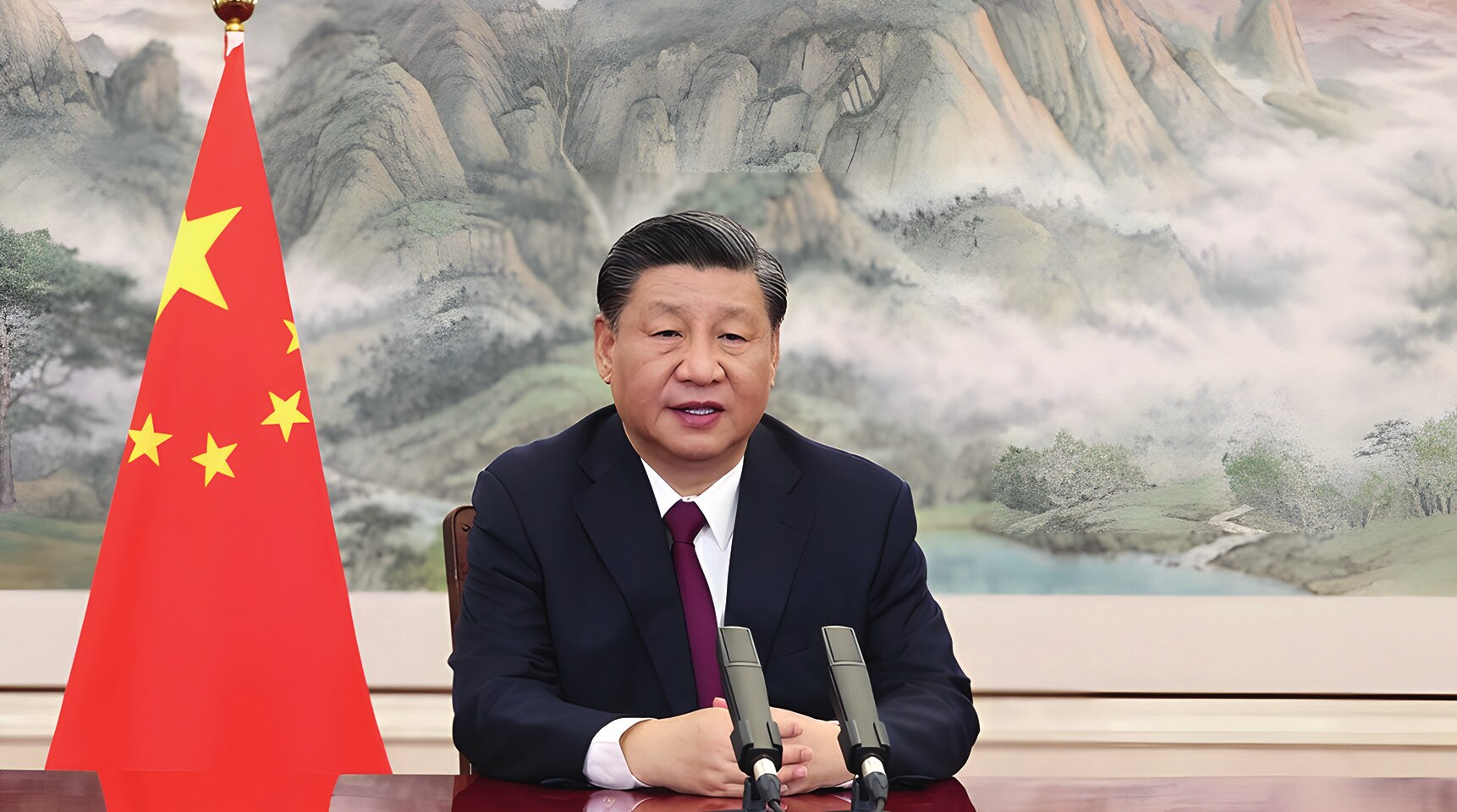
In January 2016, Chinese President Xi Jinping delivered a speech titled “Work Together for a Bright Future of China-Arab Relations” at the Arab League headquarters in Cairo and pointed out that “The Middle East is a land of abundance. Yet we are pained to see it still plagued by war and conflict. Where should the Middle East be headed? This is the question the international community keeps asking” (Ping, 2016Ping, X. J. (2016). Jointly Create a Bright Future for China-Arab Relations - Speech at the League of Arab States Headquarters. Xinhua News Agency. Retrieved March 15, 2024 from). In this regard, China’s answer is “Turmoil in the Middle East stems from the lack of development, and the ultimate solution will depend on development, which bears on everyone’s well-being and dignity” (Ping, 2016Ping, X. J. (2016). Jointly Create a Bright Future for China-Arab Relations - Speech at the League of Arab States Headquarters. Xinhua News Agency. Retrieved March 15, 2024 from).
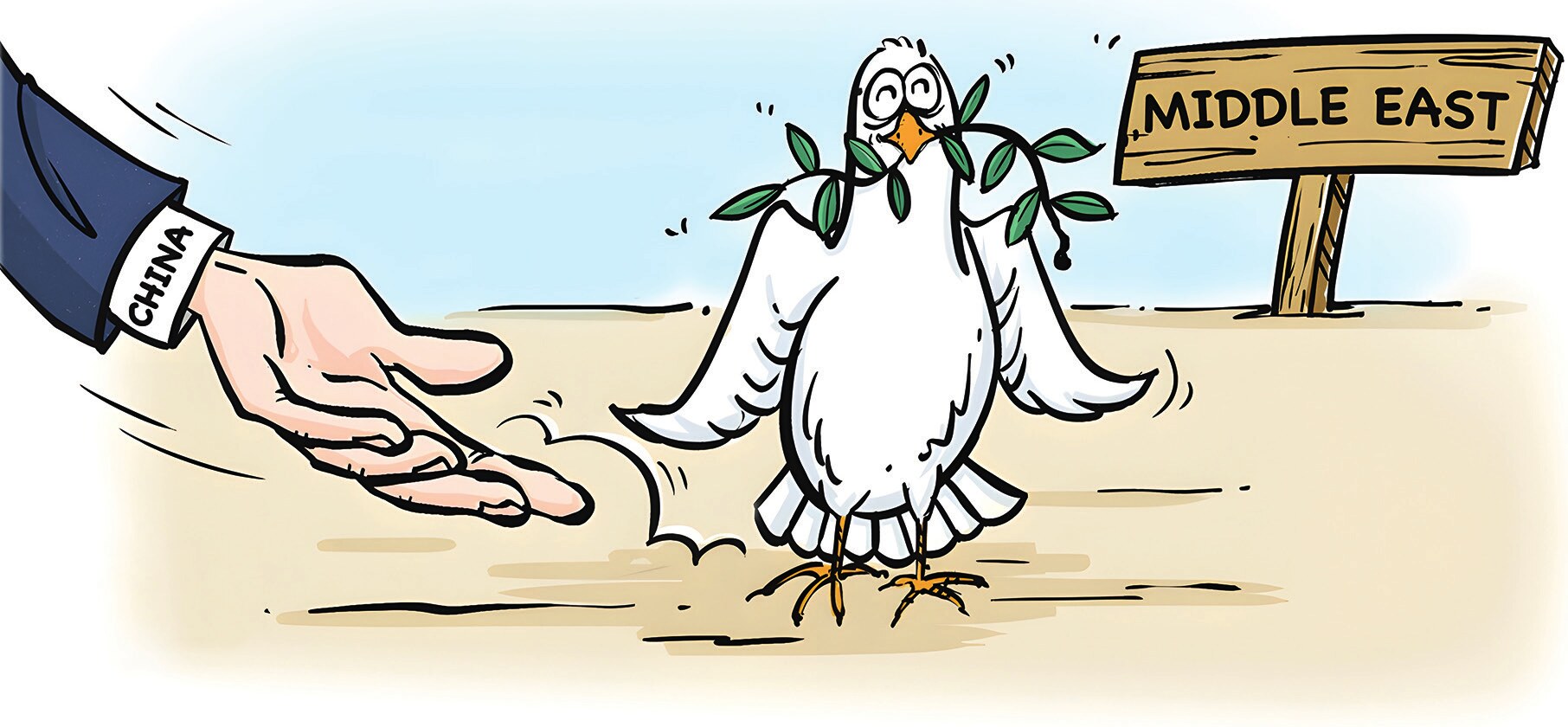
China’s judgment on the causes and solutions for the turmoil in the Middle East reflects the essential difference between China’s and the West’s views on the Middle East. The West regards the Middle East as an energy source and a battlefield for great power competition, but it has never taken the economic development and people’s livelihood and well-being of Middle Eastern countries seriously. While China promotes security through development, takes the livelihood and well-being of local people at heart, and tries to solve the root problems of governance in the Middle East. China hopes to be a builder of peace in the Middle East, a promoter of development in the Middle East, a booster of industrialization in the Middle East, a supporter of stability in the Middle East, and a partner that integrates the hearts and minds of the people in the Middle East (Ping, 2016Ping, X. J. (2016). Jointly Create a Bright Future for China-Arab Relations - Speech at the League of Arab States Headquarters. Xinhua News Agency. Retrieved March 15, 2024 from). This understanding is inseparable from the three initiatives and the concept of building a community with a shared future for mankind.
The Global Civilization Initiative: Flourishing the Garden of World Civilizations
The Global Civilization Initiative was first proposed by President Xi Jinping at the high-level meeting of the Communist Party of China and world political parties in 2023. The core content is to jointly advocate respect for the diversity of world civilizations; carry forward the common values of all mankind; value the inheritance and innovation of civilizations; strengthen international cultural exchanges and cooperation. In the current world of great changes, exchanges and mutual learning between different civilizations are increasingly becoming an important issue.
After the end of the Cold War, American values entered an era of dominance with the theory of the “clash of civilizations”. In 1993, 20 years ago, Professor Samuel Huntington of Harvard University proposed “The Clash of Civilizations” in an article published in Foreign Affairs (Huntington, 1993Huntington, S. P. (1993). The Clash of Civilizations. Foreign Policy. 72 (3), 22-49.). On the one hand, Huntington divided civilizations into eight types, affirming the diversity of world cultures, but on the other hand, the theory of the“clash of civilizations” emphasized the savior role of Western values. This is a typical view of Western civilization, which emphasizes conflicts and confrontations between civilizations, Western dominance and colonization of the world, and discrimination between races.
As a result, the discourse on international affairs has long been controlled by the West, with “democracy and freedom” in name and “proxy and power” in substance. Ultimately, the core of the Western discourse system is to safeguard the national interests of the United States. As far as its practice in the Middle East is concerned, Western values have not only failed to bring fairness (Gürcan, 2019Gürcan, Efe Can. (2019). Building a Fair World Order in a Post-American Age. Belt & Road Initiative Quarterly, 1(1), 6- 16.) to the Middle East, but have also caused frequent humanitarian crises.
Take the Iraq War and the Libya Crisis as examples, although their outbreaks were influenced by internal factors, they were mostly fueled by external forces (Gürcan, 2020Gürcan, Efe Can. (2020). International Security After the Arab Spring: Domestic and International Sources of the Syrian and Libyan Conflicts (2011-2020). Belt & Road Initiative Quarterly, 1(2), 65- 80.). After so many years of war, the people of Iraq and Libya have found that their living standards are even worse than when Saddam Hussein and Muammar Qaddafi were in power.
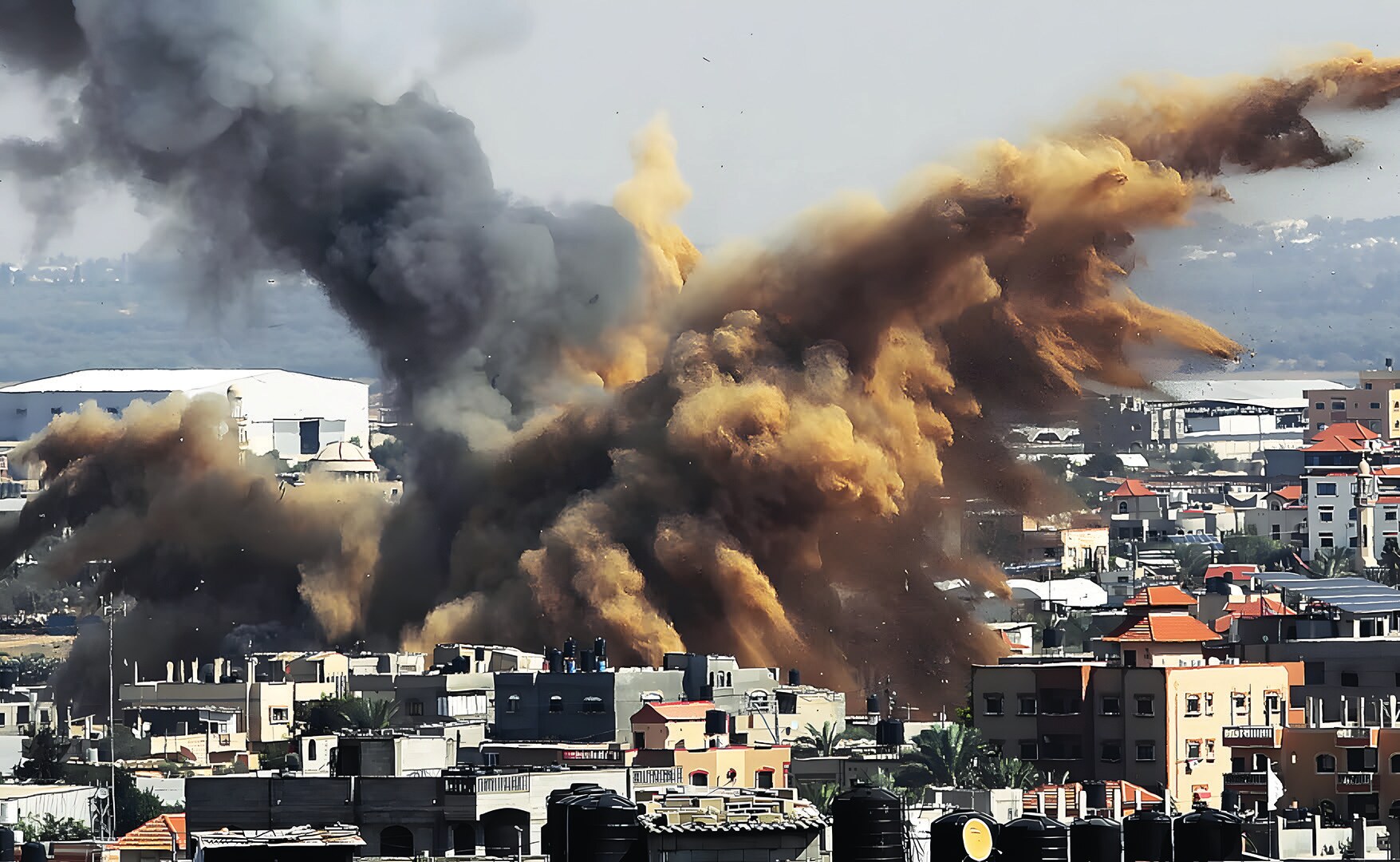
In another case, after the new round of Palestinian-Israeli conflict broke out on October 7 last year, the Palestinian issue once again became the focus of international attention, but it also exposed the brutality of the United States and Israel. So far, more than 30,000 Palestinians have been killed, the vast majority of whom are women and children. Millions of Palestinians are imprisoned in Gaza, the world’s largest natural prison, and are starving and facing a serious humanitarian crisis (Jian, 2024Jian L. W. (2024). Three Questions as the Death Toll in Gaza Exceeds 30,000. Xinhua News Agency. Retrieved February 20, 2024 from). Israeli Defense Minister Yoav Gallant even stated: “We are fighting human animals” (Yu, 2024Shi Yu/China Daily. (2023). Work Actively to Implement the Global Civilization Initiative and Jointly Advance Human Civilizations. Retrieved April 30, 2024 from). What he means is that Hamas and the Palestinians are both “non-humans” and a group of barbaric animals. This is to provide legitimacy for one’s own acts of violence and killing by insulting the other party and depriving the other party of their qualifications as a human being.
Looking at the Gaza crisis from a civilizational perspective, the right-wing forces in the United States that support Israel and are anti-Palestinian mainly have the following reasons: a) Religion: The Christians/evangelical Christians believe that Judaism is closer to Christianity and is a brother religion, therefore they should protect Judaism, protect Jerusalem, and regard Islam as a threat; b) U.S. national security: They believe that Islamic fundamentalism and the terrorism driven by it are a huge threat to U.S. homeland and overseas security; c) The international status of the United States and Influence: They believe that the United States is the leader of the free world and that Islam is a global threat to the American system, ideology, and order; d) Racism: they insist the idea of resistance, disgust, and discrimination against Islamic civilization, culture, society, and ethnic groups. Some American right-wingers believe that Jews are more European, more like white people, closer to Western politics and culture, and more civilized. They believe that Islam represents ignorance, backwardness, and barbarism. In sum, the United States and the West all believe that Israel is a friend in terms of political system, political values, political ideology, and political alliance. This view naturally includes Israel as part of Western civilization.
The Global Civilization Initiative has broken the monopoly of Western international relations theory, and Chinese international relations theories headed by moral realism and the Shanghai School have become more influential and persuasive. Different from the theory of “clash of civilizations” and “end of history” proposed by the West, Yan Xuetong, the pioneer of moral realism, proposed the Chinese values of “benevolence, righteousness, and etiquette” in international relations and pointed out that major powers should not strive for hegemony but a fair world order (Tong, 2018Tong, Y. X. (2018). Moral Realism and China’s Rise Strategy. Beijing: China Social Sciences Press. 38.). Different from the hegemonic behavior of the United States, China quickly provided humanitarian assistance to the Gaza region when the new round of Palestinian-Israeli conflict broke out. While the United States continues to veto the UN Security Council’s draft of a ceasefire proposal between Palestine and Israel, China is pursuing a diplomatic approach to peacefully resolving the conflict. In November 2023, the Chinese Ministry of Foreign Affairs issued the “Position Paper of the People’s Republic of China on Resolving the Palestinian-Israeli Conflict”. The document emphasized that China actively promotes the implementation of the ceasefire agreement by the United Nations Security Council, promotes the de-escalation of the conflict, and achieves cooling of the situation as soon as possible (Ministry of Foreign Affairs of the People’s Republic of China, 2023aMinistry of Foreign Affairs of the People’s Republic of China (2023). China’s Position on the Political Settlement of the Ukraine Crisis. Website of Ministry of Foreign Affairs of the People’s Republic of China. Retrieved February 18, 2024 from). Compared with the United States “adding fuel to the fire” diplomatic approach, China has always worked for peace and security in the Middle East. During its tenure as the rotating president of the Security Council, China successfully pushed the United Nations to form the first resolution on the situation between Palestine and Israel.
On March 7, 2024, Foreign Minister Wang Yi responded to the Palestinian-Israeli conflict at China’s Two Sessions, saying that the Palestinian-Israeli conflict cannot be stopped so far, which is a tragedy for mankind and a shame for civilization (Yi, 2024aYi, W. (2024). On High-quality Joint Construction of the Belt and Road Initiative: An Engine to Promote the Common Development of All Countries and An Accelerator to Achieve World Modernization. Website of Ministry of Foreign Affairs of the People’s Republic of China. Retrieved March 15, 2024 from). Before this round of conflict broke out, Israel used a “high wall” to confine the Gaza area. More than 2 million Palestinians became “prisoners”. What they saw when they looked up were the black muzzles of Israeli soldiers’ guns, and they could only go to work in the area under Israeli control. People are “searched and interrogated” even when entering and exiting the workplace. Is this kind of behavior normal? It was revealed some time ago that Israeli soldiers asked WHO medical staff to strip naked for examination. This behavior shows that Israel is not simply targeting the Palestinians, but is launching an “attack” on all mankind.
The dialogue of civilizations is a good way to resolve contradictions and conflicts. Against the background of the Palestinian-Israeli conflict and the Russian-Ukrainian conflict, the world seems to be being torn apart. In this context, every country faces a choice, because supporting a certain party actually represents a choice. How to choose is a test and very important, because it is related to the fate of the country and the destiny of each individual. We all want to make the right choice, and obviously the right choice is on the side of “civilization”. This round of Palestinian-Israeli conflict should be viewed from the perspective of civilization, lessons and experiences should be learned from it, and more emphasis should be placed on dialogue and mutual learning between civilizations, coexistence between the East and the West, and tolerance among different ethnic groups.
The Global Development Initiative: The Belt and Road Initiative as an Engine for the Common Development of All Countries
On September 21, 2021, Chinese President Xi Jinping put forward the Global Development Initiative (GDI) at the general debate of the 76th session of the UN General Assembly, calling for accelerating implementation of the 2030 Agenda for Sustainable Development and achieving a stronger, greener and healthier global development (Wei & Da, 2023Wei, H. W. and Da, Z. M. (2023). Refocus, Reboost, Reshape—The World Contribution of Global Development Initiative. Xinhua News Agency. Retrieved March 5, 2024 from). The Global Development Initiative particularly emphasizes a development perspective that is different from traditional Western development theories. It does not use Westernization and Americanization as a blueprint for development, it does not rely solely on economic growth, and it does not achieve its own development goals at the expense of the development of other countries.
The Global Development Initiative coincides with the Belt and Road Initiative and is a reflection of China’s shouldering the heavy responsibility of global development. The two initiatives complement each other. The year 2023 is the tenth anniversary of the Belt and Road Initiative and the third Belt and Road Forum for International Cooperation was held in October 2023. During this forum, President Xi Jinping summed up the successful experience from ten years of achievements, proposed eight actions to demonstrate China’s responsibility, announced that the joint construction of the Belt and Road has entered a new stage of high-quality development, and advocated that all countries work together to realize modernization in the whole world. Tens of thousands of representatives from 151 countries and 41 international organizations came with expectations for friendship, cooperation, and development, and returned satisfied with a list of 458 important results and the cooperation agreement worth US$97.2 billion (Yi, 2024bYi, W. (2024). On High-quality Joint Construction of the Belt and Road Initiative: An Engine to Promote the Common Development of All Countries and An Accelerator to Achieve World Modernization. Website of Ministry of Foreign Affairs of the People’s Republic of China. Retrieved March 15, 2024 from).
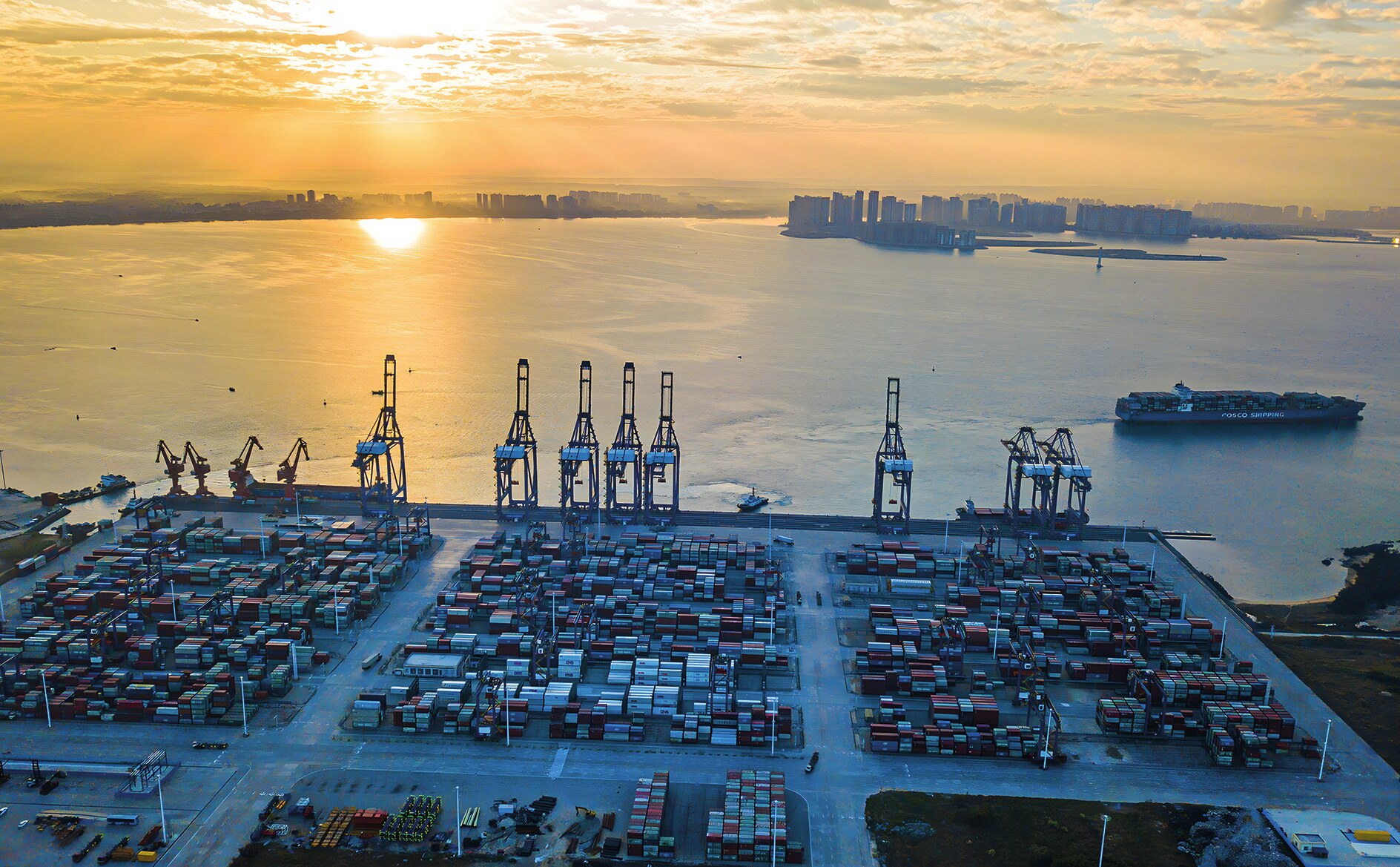
Taking the decade from 2013 to 2023 as an example, China brought the “Belt and Road” to the Middle East, while the United States brought the “Bomb and Road” to the Middle East (Peng, 2023Peng, H. (2023). Ten Years in the Middle East: “Belt and Road” VS “Bomb and Road”. The Paper. Retrieved March 12, 2024 from). In 2013, when the Syrian government forces, the moderate opposition, the extremist armed forces, Kurdish forces, Türkiye, Israel, the United States, Russia and other forces inside and outside Syria were fighting in Syria, China’s Belt and Road Initiative turned out and the first China-Arab Expo was held in Yinchuan, Ningxia. At that time, Arab countries had not yet announced their participation in this initiative.
In 2014, when the “Islamic State” began to conquer cities in the Middle East and became a global public hazard, China and Arab countries officially announced the joint efforts to build the Belt and Road Initiative, forming the so-called “1+2+3” cooperation pattern with energy cooperation as one priority, infrastructure development and trade and investment facilitation as two key areas, and nuclear energy, aviation satellite and new energy as the three high-tech areas for breakthrough.
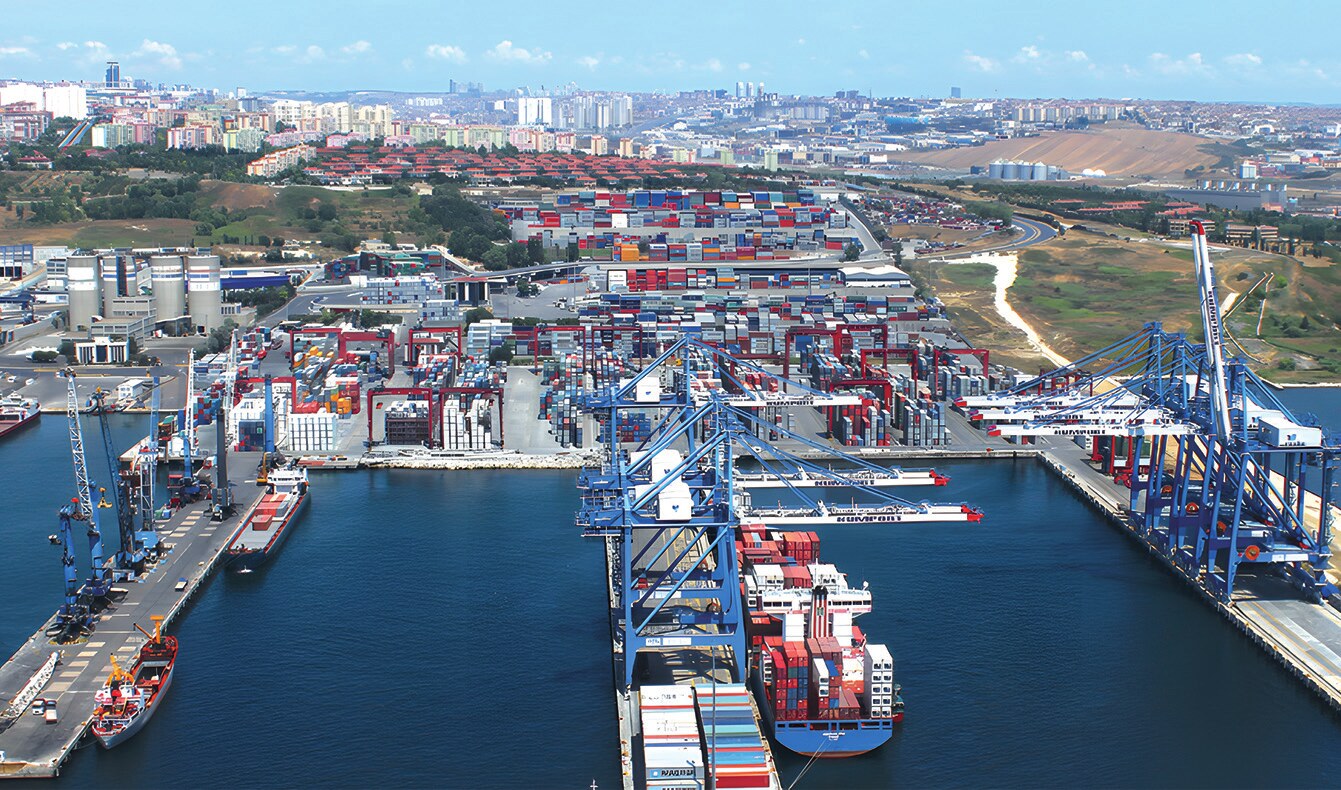
In 2015, when Europe began to accept refugees and Russia intervened militarily in Syria, China and Türkiye signed a memorandum of understanding on jointly promoting the construction of the Belt and Road Initiative. Türkiye became the first country in the Middle East to sign an intergovernmental cooperation agreement with China on this initiative. A Chinese company acquired 65% of the equity of Port of Kumport in Türkiye and this project has become a landmark project of China- Türkiye jointly building the Belt and Road Initiative.
In 2016, when Donald Trump proposed “Muslim ban”, the Chinese leader embarked on a tour of the Middle East and visited Saudi Arabia, Egypt, and Iran at the same time. This year, China also issued its first policy document on Arab countries, announcing that it would not seek individual gain, not interfere in internal affairs, and resolve differences peacefully. It would not fall into the quagmire of regional turmoil and would only inject positive energy into the Middle East. China has also installed photovoltaic panels in the Palestinian Gaza Strip. This project has a warm name “Light of Life, Lighting up the Family”.
In 2017, Donald Trump was extremely currying favor with the Israelis, leading to even more chaos in the Middle East. However, China held the first Belt and Road Forum for International Cooperation, and this initiative has achieved early gains. This year, the trade volume between China and Arab countries reached nearly 200 billion US dollars. The 81-year-old King Salman of Saudi Arabia visited China to further synergize the development strategies between Saudi’s “Vision 2030” and the Belt and Road Initiative. Besides, China successfully launched a communications satellite for Algeria. Relatedly, numerous infrastructure projects are being completed.
In 2018, when the United States started a trade war with China and intended to build an “Arab NATO”, the Suez Economic and Trade Cooperation Zone jointly built by China and Egypt began to take shape. China successfully opened Chinese courses in 100 schools in the United Arab Emirates. China’s Huawei 5G entered Saudi Arabia.
In 2019, when the United States abandoned its allies in the Middle East and concentrated its efforts on containing China, China held the second Belt and Road Forum for International Cooperation in April and the Middle East Security Forum in November, which aims to build a new security architecture for the Middle East. As the Belt and Road project is gradually implemented, Middle Eastern countries such as Egypt, Saudi Arabia, the United Arab Emirates, and Oman have all proposed their own economic development plans.
In 2020, when the COVID-19 pandemic broke out, the United States banned anti-pandemic supplies. However, China helped those in need and sent doctors and supplies everywhere. As a result, the United States criticized them for “mask diplomacy” (Gürcan, Kahraman & Yanmaz, 2021Gürcan, Efe Can, Ömer Ersin Kahraman, & Selen Yanmaz. (2021). COVID-19 and the Future of Capitalism: Postcapitalist Horizons Beyond Neoliberalism. Black Point: Fernwood). On March 26, doctors from China and 16 countries in the Middle East held the first anti-pandemic video conference. On April 2, Chinese medical supplies arrived in Afghanistan. In mid-April, Chinese masks, medicines, protective clothing, and thermometers arrived in Syria, Tunisia, Egypt, Lebanon and other countries.
In 2021, the United States hastily withdrew from Afghanistan, wants to restart the nuclear agreement with Iran, and continues to blindly support Israel. Meanwhile, China has provided food and anti-pandemic assistance to Afghanistan, and a large number of domestically produced vaccines have arrived in the Middle East. This year, both China and the United States have COVID-19 vaccines. China’s vaccines are shipped everywhere, while American vaccines are lying in warehouses. In addition, China also provided aid worth 200 million RMB to Afghanistan, saving a large number of Afghan lives. In October, China opened the China-Afghanistan “Pine Nut Air Corridor”. In November, 120,000 bottles of Afghan pine nuts appeared on a live broadcast platform and were instantly bought by Chinese netizens. In December, China once again provided food assistance worth 30 million RMB to Afghanistan.
In 2022, the United States was discovered stealing oil in Syria, and the Belt and Road Initiative has achieved fruitful results. The largest and highest-level diplomatic action in the Arab world since the founding of the People’s Republic of China, Chinese top leader’s visit to Saudi Arabia, attendance at the first China-Arab States Summit, and the first China-Gulf Arab States Cooperation Council Summit was achieved. In addition to the completion of a number of large projects, there are also many “small but beautiful” livelihood projects, which have a greater influence on media than building bridges and roads. For example, China’s aid project to build 1,000 schools in Iraq has started.
In 2023, the tragic situation of civilians in Gaza is heartbreaking, the hegemony of American public opinion has been poked into a big hole by TikTok, while China promotes reconciliation between Saudi Arabia and Iran, and Syrian president Bashar al-Assad and his wife attend the 19th Asian Games Hangzhou. Until this year, the Belt and Road Initiative has proved to be a successful project and thousands of people gathered in Beijing to participate in the third Belt and Road Forum for International Cooperation.
The ten years in the Middle East are like a fable, which tells people a truth: conspiracies such as choosing sides, engaging in proxy wars, and handing over swords may seem unfathomable, but they cannot defeat the upright cause of “peace and development” and “non-interference in internal affairs”.
The Global Security Initiative: Saudi-Iran Reconciliation as an Attempt by China to Build a Security Governance System in the Middle East
In April 2022, President Xi Jinping proposed the Global Security Initiative for the first time at the opening ceremony of the Boao Forum for Asia Annual Conference 2022. In February 2023, the “Global Security Initiative Concept Paper” was officially released, which is an important measure for China to promote the implementation of the initiative. Subsequently, China issued the document “China’s Position on the Political Settlement of the Ukraine Crisis”, proposing a comprehensive and feasible plan to resolve the Ukrainian crisis (Ministry of Foreign Affairs of the People’s Republic of China, 2023bMinistry of Foreign Affairs of the People’s Republic of China (2023). China’s Position on the Political Settlement of the Ukraine Crisis. Website of Ministry of Foreign Affairs of the People’s Republic of China. Retrieved February 18, 2024 from). In March 2023, with the support of China, Saudi Arabia and Iran held a dialogue in Beijing. The Saudi-Iranian reconciliation has become a successful practice for China to effectively implement the Global Security Initiative. This also shows that China is not only the initiator of the Global Security Initiative, but also an activist in implementing them.
As the saying goes, “internal factors play a decisive role”. Therefore, the most fundamental reason for this reconciliation is also internal reasons.
First, Saudi Arabia and Iran are tired of geopolitical competition. This year marks the 20th anniversary of the Iraq War. The 2003 Iraq War changed the geopolitical balance in the Middle East and enabled the establishment of a Shiite regime in Iraq. The Arab Spring and the Syrian crisis in 2011 seriously worsened the relationship between Saudi Arabia and Iran. The growth of ISIS allowed Iran to successfully intervene deeply in Iraq’s domestic politics. The Shiite Crescent has gone from imagination to reality, further intensifying the conflict between Saudi Arabia and Iran. The 2015 war in Yemen became the climax of Saudi Arabia and Iran’s proxy war. It can be seen that Türkiye, Saudi Arabia, and Iran all represent different interest groups in the Middle East. But ten years after the drastic changes in the Middle East, the struggles between each other have been unable to weaken each other. Instead, Israel is hiding behind it and quietly making a fortune.
Second, the domestic development processes of Saudi Arabia and Iran have also changed. After Mohammed bin Salman came to power in 2017, he tried to reconstruct Saudi Arabia’s national identity, try to weaken the influence of Wahhabism in Saudi politics, provide some space for secular reforms, and provide a good social environment for the development of Vision 2030. Iran is also facing a serious domestic economic crisis, and protests are often triggered by some incidents. Therefore, it also needs to ease relations with neighboring countries to provide better external conditions for the recovery of Iran’s economy. Besides, after constant confrontations, Saudi Arabia and Iran have suffered from internal injuries, but they still cannot change the relative balance of power between them. Now it is the time to focus on their own development process, otherwise they will easily be abandoned by the times.
Third, the awareness and capabilities of Saudi Arabia and Iran’s strategic autonomy have been significantly improved. For Saudi Arabia, the United States exerts political and economic pressure on it. After the Jamal Khashoggi incident broke out, the United States continued to attack Saudi Arabia and accused Saudi Arabia of human rights violations. When the conflict between Russia and Ukraine happened, the United States continued to pressure Saudi Arabia to increase oil production, suppress oil prices, and harm Saudi Arabia’s economic interests. At the same time, the United States is basically self-sufficient in oil, and the strategic importance of the Middle East to it is declining. More importantly, Saudi Arabia also faces difficulties in obtaining security guarantees from the United States, especially the hasty withdrawal of U.S. troops from Afghanistan in August 2021, which shocked U.S. allies. It turns out that the U.S.’s strategic contraction from Central Asia and the Middle East is real, lamenting that “it is dangerous to be an enemy of the United States, but it is even more dangerous to be an ally of the United States”. For Iran, the threat from the United States is even more serious. It imposes all-round sanctions on Iran, applies “maximum pressure” approach to constantly threaten to use force to solve the Iranian nuclear issue, and publicly assassinates Iranian generals and experts of nuclear weapons. However, after the conflict between Russia and Ukraine, many Middle Eastern countries did not choose sides in the game between the United States and Russia, greatly improving their ability of strategic independence.
Although Saudi and Iran have been negotiating for a long time under the mediation of Iraq and Oman, they finally chose to reach an agreement in China, which shows their trust in China. However, this reconciliation is not a simple reconciliation, but a reconciliation between Sunni and Shia leaders, and it is obvious that both sides are not afraid of the possible chain reactions that may follow. This also shows that the entire Islamic world is no longer afraid of pressure from Israel and the United States, and heralds the decline of U.S. hegemony in the Middle East.
In recent years, an expression has become widely popular among China’s international relations academic circles, which is “great changes unseen in a century”. Looking at the pattern of the Middle East in the past hundred years, since the disintegration of the Ottoman Empire, the nations and countries in the Middle East have never become the masters of the Middle East. More specifically, over the past hundred years, the Middle East has always been in the hands of Westerners. After the WWI, Britain and France dominated the regional structure of the Middle East through mandate rule or colonial rule. Under the bipolar structure of the Cold War, the United States and the Soviet Union competed for hegemony in the Middle East. After the Cold War, the United States became the hegemon in the Middle East. In contrast, in today’s Middle East situation, on the one hand, external powers still play a major role in shaping the pattern of the Middle East. However, the desire of Western powers to intervene is significantly less than in the past. Currently, no country, not even the United States, can control the Middle East. On the other hand, the status of regional powers has become more prominent. For a hundred years, regional countries in the Middle East could only be pawns on the big chessboard, but now they have become players.
Today, the rapprochement between Saudi Arabia and Iran is undoubtedly a blow to the US control of the Middle East. As the world’s hegemon, the United States is the least willing to see reconciliation in the Middle East. Once peace is achieved in the Middle East, the United States will lose the leverage to check and balance the Gulf oil countries and lose the bargaining chip of using the “Iran threat” to create security issues to force the Gulf oil countries to purchase large amounts of American weapons and U.S. bonds. The United States still has a large number of troops stationed in the Middle East and a large number of military bases. Once the security pressure from the oil-producing countries in the Middle East disappears, the United States’ military presence in the Middle East will lose its reason. In addition, Israel’s security guarantee, one of the important pillars of U.S. Middle East policy, will also be weakened.
China will not Fall into the Trap of Great Power Competition in the Middle East
In recent years, China’s diplomacy has become more proactive than “keeping a low profile and concentrating on self-improvement” (Gürcan & Donduran, 2024Gürcan, Efe Can & Can Donduran. (2024). China on the Rise: The Transformation of Structural Power in the Era of Multipolarity. New York: Routledge.), and this is even more obvious in the development of relations between China and the Middle East. This is also related to the United States’ strategic squeeze on China. Since Donald Trump took office, the United States has shifted from a war on terror to a competition between major powers, and has begun to suppress China and Russia. It has determined that China will be the most important strategic opponent that the United States needs to confront in a long-term and systematic manner, and has positioned China as the only country that has the intention to reshape the international order, and says that the next ten years will be the decisive time for China and the United States to win or lose in competition (Bo, 2022Bo, W. X. (2022). Study and Judgment of China-U.S. Relations and the International System in the Next Ten Years. Guancha. Retrieved March 20, 2024 from).
After taking office, Biden has further intensified competition among major powers and adopted more comprehensive and systematic measures to contain China and Russia on a global scale. The outbreak of the Russia-Ukraine conflict has raised great power competition to a new level. The Middle East’s status in the global structure has significantly increased. The Middle East has become an important battlefield for great power competition outside of Europe and the Asia-Pacific. However, China will not fall into the trap of great power competition with the United States in the Middle East, mainly for the following three reasons.
First, the mentality of major powers in the Middle East has changed significantly. In the context of the Russia-Ukraine conflict and the increasingly intensified competition between great powers, the Middle East has gradually become a new intermediate region for strategic competition between great powers, and is no longer the traditional exporter of “Middle East issues”. For the United States, with Biden’s visit to the Middle East in July 2022, the United States has suspended its strategic contraction and returned to the Middle East. This is a significant change in the United States’ Middle East policy and is intended to stabilize the basic foundation of the United States in the Middle East. However, the approach has shifted from traditional military and value-based diplomacy to new energy, large-scale infrastructure and climate change. At the same time, it has vigorously promoted normal relations between Israel and Arab countries, and promoted high-tech cooperation using I2U2 (US, Israel, India and United Arab Emirates) as the starting point (Chao, 2024Chao, T. Z. (2024). Commentary on the Biden Administration’s “New Middle East Policy”. Contemporary World. (2), 45.). For Russia, after the conflict between Russia and Ukraine, it will increase its efforts to move south, using the Middle East as an important breakthrough to break Western containment, especially in the energy field. Therefore, cooperation with Saudi Arabia within the OPEC framework, cooperation with Iran on “de-dollarization (Gürcan, 2023Gürcan, Efe Can. (2023). The Multipolar Challenge: Implications for Dollar Dominance and the Shifting Tides of US Hegemony. Belt & Road Initiative Quarterly, 5(1), 40-59.),” and cooperation with Türkiye on natural gas have become a necessity for Russia. This highlights the importance of the Middle East to Russia. In addition, Germany, France, India, Japan, South Korea and other countries have also increased their investment in the Middle East.
Second, the strategic autonomy of Middle Eastern countries has been significantly enhanced. After the Cold War, the United States became the dominant power in the Middle East. To a large extent, the decisions of Middle Eastern countries were not made in Tehran or Riyadh, but in the White House. However, after the conflict between Russia and Ukraine, most Middle Eastern countries withstood the pressure from the United States and did not impose sanctions on Russia. Instead, they maintained a balance between the United States and Russia (Ming, 2024Ming, Z. Y. (2024). Russian Strategy in the Middle East Still Coexists with Opportunities and Constraints. World Affairs. (1), 54-55.). The Gulf countries headed by Saudi Arabia have resisted the pressure of the United States to reduce their oil production, began to apply to join the Shanghai Cooperation Organization and the BRICS, and have increased security cooperation with China. To some extent, this also reflects the United States’ influence in the Middle East is decreasing.
Third, the easing of relations between countries in the Middle East has become a prominent phenomenon. The US withdrawal from Afghanistan in 2021 has greatly shocked the US allies in the Middle East. They are increasingly aware of the importance of independent security. They also realize that they cannot remain in fierce confrontation and attrition for a long time and must create a security environment that is conducive to the development and coexistence of the region. As a result, the wind of peace gradually came to the Middle East, manifested in the easing of relations among Arab countries, between Arab countries and Israel, Türkiye, and Iran, between Israel and Türkiye, and between Egypt and Iran (Chun, 2023Chun, N. X. (2023). The Known and Unknown about the New Changes in the Middle East. World Affairs. (14), 27.). What needs special attention is that the current Arab-Israeli reconciliation was suspended but not stopped even after the Gaza crisis since October 2023.
First, in the context of the strategic competition between China and the United States and the conflict between Russia and Ukraine, the importance of the Middle East to China is increasing day by day. This is reflected in the following aspects: a) The status of the Middle East in the global structure has significantly increased, and strategic competition among major powers around the Middle East has become increasingly fierce; b) The Middle East is an important source of energy for China. The world energy crisis has become more prominent after the Russia-Ukraine conflict. Energy supply security involves China’s core interests.
c) The Middle East is an important area for the construction of the Belt and Road Initiative, involving China’s development interests.
d) There are many middle powers in the Middle East, such as Saudi Arabia, Egypt, Iran, Israel, Türkiye, etc. The positions of these countries are very important for the balance of the future international structure, especially the balance of power between the East and the West (Cong, 2023Cong, W. L. (2023). New Development in the Middle East under Great Changes: Characteristics, Challenges and Prospects. Contemporary World. (10), 53-54.).
Second, the current situation in the Middle East also provides new opportunities for China and the Middle East to deepen relations. The core content of China’s Middle East policy is to promote peace, development and stability, which truly represents the development direction of the world. Unlike the United States, Europe and Russia, China has no historical baggage in the Middle East and has advantages in philosophy, morality and development. In particular, the success of the modernization path with Chinese characteristic has provided a typical example for Middle Eastern countries to embark on an independent development path. The Middle Eastern countries’ “Look East policy” and their tendency to learn from China are even more obvious.
Third, the current situation in the Middle East has also brought new challenges for China to exert greater influence in the Middle East. This is mainly reflected in six aspects: a) The United States still has a huge influence in the Middle East. Although it no longer plays a constructive role, its destructive role is very obvious; b) The United States returns to the Middle East and strives to rebuild the alliance system to contain Iran, Russia and China; c) The U.S. will continue to pressure Middle Eastern countries on Xinjiang-related issues; d) The United States is pursuing an alternative economic strategy to China, especially in the high-tech field, constantly suppressing Israel and the United Arab Emirates to give up cooperation with China; e) The United States slanders China and puts Middle Eastern countries into a debt trap in an attempt to damage China’s image; f) The severe energy and food crisis will have little impact on the oil-producing countries in the Middle East, but it will have a great negative impact on non-oil-producing countries, which is likely to lead to more countries becoming failed states.
Conclusion
Currently, complex and sensitive security issues have a profound impact on global development, mainly in two aspects. On the one hand, traditional security issues are still prominent, and regional hotspot issues such as the North Korean nuclear issue, the Iranian nuclear issue, the Middle East, and Afghanistan have emerged one after another. The recent Russia-Ukraine conflict has further aggravated the concerns of the international community. On the other hand, threats posed by non-traditional security issues such as climate change, cyber security, and biosecurity have increased significantly. These security challenges threaten the global development environment all the time, and it is urgent and imperative to build a more systematic global governance system. In this context, China has proposed the Global Development Initiative, Global Security Initiative, and Global Civilization Initiative in accordance with the times and circumstances, contributing Chinese solutions to global governance, and providing an important action guide for solving the priorities and problems of global development and global security governance.
China has always advocated the “security-development concept”. Development is the foundation of security and security is the condition for development. For most developing countries, development is the greatest security and the key to solving regional security problems. In pursuit of multipolarity and a community with a shared future for mankind, China must first achieve regional peace and stability and pave the way for economic development.
For a long time, security and development have been two major problems plaguing Middle Eastern countries. Without a stable environment, economic development cannot be guaranteed. China’s meditation between Saudi Arabia and Iran demonstrates China’s influence and international credibility, which can create good conditions for future development. From the perspective of Asian development, the energy of the Gulf countries is related to the entire Asia-Pacific and even world economic development. In this sense, the reconciliation between Saudi Arabia and Iran contributes to the advancement of Global Development Initiative, Global Security Initiative, Global Civilization Initiative, and the Belt and Road Initiative.
From a larger perspective, the world since 1500 has been dominated by the West. The “offshore balancing strategy” of the United Kingdom and the United States in the past 500 years has created a divided world into conflicting groups, plunging Eurasia into wars to maintain their hegemonic status. However, what China hopes is to integrate a peaceful and prosperous Eurasia through the Belt and Road Initiative and the concept of “Community of a Shared Future for Mankind”. So that all countries, especially developing countries, can gain the right to development, truly build equality and respect among countries, and establish a just international order without hegemonic dominance. In this sense, whether China is willing or not, at a time when the United States increasingly views China as a strategic rival, it is necessary for the Global South to provide a truly equal alternative to the international order that is different from the United States.