Introduction
A journal excerpt states that “foreign military intervention in Africa is controversial when it happens and occasionally controversial when it does not” (The New Humanitarian, 2017The New Humanitarian. (2017). A Rough Guide to Foreign Military Bases in Africa. (Accessed: September 22, 2025).). This is perhaps one of the most striking paradoxes of African politics. It also illustrates the equation of the two faces of the same coin, leading to different interpretations of the use of foreign interventions and the stakes they aim to attain.
The objective of this study is to scrutinize the intervention of foreign powers in Africa. It focuses on military interference in internal conflicts such as those in Libya and the Democratic Republic of Congo, in regions like the Horn of Africa and the Sahel-Sahara, and, consequently, on the participation of some African countries in efforts to fight terrorism, maritime piracy, and transnational crime. The main assumptions of this study reveal that geostrategic interests and the scramble for Africa’s raw materials dictate the interventions of these foreign powers on the continent. The colonial legacy and the persistence of the causes of conflict and civil war, such as the lack of democracy, poor governance, and economic dependency that links the ruling elites of some African countries to these foreign powers, have made these intrusions into the African continent not only possible but also likely.
Foreign intervention usually refers to a state’s military engagement in another state’s territory. In a work entitled Non-Intervention and International Order, Vincent, R.J. defines military intervention as “the activity undertaken by a state, a group within a state, a group of states, or an international organization that interferes coercively in the domestic affairs of another political unit. It is a discrete event with a beginning and an end, aiming to shape the authority structure of the target state. It is not necessarily lawful or unlawful, but it does break a conventional pattern of international relations” (Vincent, 1974Vincent, R. J. (1974). Non-intervention and International Order. Princeton University Press.). In his definition of foreign intervention, the focus seems to lie on the military dimension, implying that military intervention targets a state’s authority structure and may be carried out by actors ranging from states to local groups and organizations. This intervention may occur through violent means or through discreet measures that breach the rules of international relations. Therefore, he seems not to consider other non-military means used by foreign powers in their interventions outside their borders.
Foreign intervention also encompasses soft policies, such as meddling in states’ domestic affairs and exerting pressure on ruling elites. The instruments they resort to may include conditioned aid, economic sanctions, deterrence, and the manipulation of opposition parties and civil associations. They also cover the use of disinformation and fake news, as well as cyber threats to devices. Moreover, foreign powers have resorted to the use of soft options to meddle in the domestic affairs of states by attempting to influence voting contests, encouraging the so-called rights of minorities, and presumably protecting religious pluralism and practices.
This study emphasizes the military dimension of foreign interventions because they fuel conflicts, prolong their duration, complicate their settlement, and cause more victims. Many of these conflicts found their explanation in the colonial legacy because of the divide-and-rule policy based on artificial delimitations of boundaries, discrimination between ethnic groups and tribes, and the promotion of cultural particularism. The economic dependency of the colonies on the metropolis and the westernization of African ruling elites also reinforce the justification of foreign interventions.
Delving into other aspects of foreign intervention may be overly detailed and exceed the scope of this study. Therefore, military forms of intervention constitute the crux of our subject and concern, particularly interference involving the use of military force, weapons, and equipment, whether directly or through proxy parties involved in conflicts. Military intervention may seem more silent and more impactful than meddling in the internal affairs of other states, which can be more subtle, intrusive, or unwarranted. This kind of interference, which foreign powers may resort to, relies on informal means, mainly through diplomatic channels, the imposition of puppet governments, the fomenting of unconstitutional regime changes and military coups, and the use of propaganda and economic pressure.
Geostrategic interests, economic benefits, and cultural influence may explain the objectives pursued by the world’s major powers in Africa through intervention or even meddling in other states’ domestic affairs. In this perspective, Africa remains a scramble for power for these actors because of its geostrategic assets and mineral resources. However, such a conundrum was not possible without the collusion of some African ruling elites, who sought foreign allies to maintain their authority and privileges amid domestic opposition and popular discontent. The link between the colonial legacy and the maintenance of economic and cultural ties pursued by post-colonial ruling elites vis-à-vis the former colonial power becomes tangible because foreign interference has been nurtured by shared history, center-periphery structural dependency, and cultural atavisms.
To scrutinize foreign interventions in Africa, this study relied heavily on the literature on the subject, drawing on the author’s decades-long follow-up of African affairs and numerous research publications. These studies included the scramble for Africa (2024Africa Centre for Strategic Studies (2024). Tracking Russian Interference to Derail Democracy in Africa. (Accessed: October 15, 2025).), the impact of the Ukraine-Russia conflict in Africa (2023Africa Centre for Strategic Studies. (2023a). African Conflicts Displace 40 million people. (Accessed: October 15, 2025).), and the foreign entanglements in the conflicts in Libya (2022) and the Democratic Republic of Congo (2025Kumah-Abiwu, Felix, “Book Review: Foreign Intervention in Africa: From the Cold War to the War on Terror” (2014). Faculty Research and Creative Activity. 2. (Accessed: September 22, 2025).). They are also concerned with specific cases explaining foreign powers’ intrusions in the African continent, such as the United States (2021), Russia (2023The World Bank. (2023). Investing in Youth, Transforming Africa. (Accessed: September 20, 2025).), China (2024The Conversation. (2024). Wagner Group setback in Mali challenges Moscow’s strategy in Africa and the region’s faith in Russian mercenaries. (Accessed: September 22, 2025).), Japan (2024The Conversation. (2024). Wagner Group setback in Mali challenges Moscow’s strategy in Africa and the region’s faith in Russian mercenaries. (Accessed: September 22, 2025).), Türkiye (2025), the Gulf States (2025Kumah-Abiwu, Felix, “Book Review: Foreign Intervention in Africa: From the Cold War to the War on Terror” (2014). Faculty Research and Creative Activity. 2. (Accessed: September 22, 2025).), and the competition in Africa between Russia and Ukraine (2025Kumah-Abiwu, Felix, “Book Review: Foreign Intervention in Africa: From the Cold War to the War on Terror” (2014). Faculty Research and Creative Activity. 2. (Accessed: September 22, 2025).).
Elizabeth Schmidt completed two seminal works, Foreign Intervention in Africa: From the Cold War to the War on Terror (2013) and Foreign Intervention in Africa after the Cold War: Sovereignty, Responsibility, and the War on Terror (2018), which have marked a qualitative coverage of foreign intervention and dealt primarily with the African case. In these studies, she aptly scrutinized foreign interventions in Africa over a long period, from the decolonization period in the 1960s to 2017, through an exhaustive analysis of key examples using a qualitative research method. She found that endogenous factors inherent in inactive ruling elites, authoritarianism, and political corruption best explain foreign intervention in Africa. She also contended that foreign intervention proved harmful to African countries and tended to promote the interests of the outsider actors.
An African political scientist found that the broad categorization of the period of the collapse of the State in Africa (1991-2001) was “somehow problematic because some African States, previously dubbed as autocratic, have succeeded in moving to forms of democratic government” (Kumah-Abiwu, 2014Kumah-Abiwu, Felix, “Book Review: Foreign Intervention in Africa: From the Cold War to the War on Terror” (2014). Faculty Research and Creative Activity. 2. (Accessed: September 22, 2025).). However, this transition did not last long, as authoritarianism remains the dominant feature of the state in Africa.
To avoid dwelling on the justifications for foreign interventions in Africa, it may be sufficient to assert that foreign powers sought to secure economic and geostrategic assets in Africa to enhance their global status and influence. Recent studies have focused on cases to intervene for humanitarian reasons regarding the abuses committed by states against the so-called rights of minorities, mainly when they concern ethnic or religious demands. The evocations of these human concerns persisted to the point of erecting the ‘right to protect,’ or even the ‘responsibility to protect,’ as a cornerstone of international legality (Massingham, 2009Massingham, E. (2009). Military Intervention for Human Purposes: Does the Responsibility to Protect Doctrine advance the legality of the use of force for humanitarian ends? The International Review of the Red Cross (IRCC), 876. (Accessed: September 25, 2025).). The principle to intervene to protect human rights is not questionable in terms of ethics and moral values. However, the double standard used by world powers and international institutions, such as the United Nations, to justify foreign intervention for humanitarian purposes remains equivocal. Dualism in the treatment of specific cases, such as Darfur, Libya, the Democratic Republic of Congo (DRC), and the Sahel region, is widespread. In parallel, the controversy over the legality of intervening for humanitarian purposes became acute with the disastrous failure of the US’s “Restore Hope” intervention conducted in Somalia in 1993 (Hirsch & Oakley, 1995Hirsch, L. J. & Oakley, R. B. (1995). Somalia and Operation Restore Hope. Reflections on Peacemaking and Peacekeeping. United States Institute of Peace Press.).
Africa constitutes the continent that reached the highest rate of violent conflicts. It accounts for 47% of the total armed conflicts worldwide, with 15 conflicts, and for 42 socio-political crises out of 100 recorded worldwide in 2022. These conflicts resulted in more than 19,000 battle-related deaths in Africa from 1989 to 2021, of which 48% were the victims of the terrorist groups operating in the Sahel-Sahara (Global Terrorism Index, 2023Global Terrorism Index. (2023). Relief Web. Retrieved September 22, 2025, from).
Africa accounts for the most significant number of foreign interventions worldwide. These interventions occurred, whether directly through military operations or indirectly through the manipulation of the local belligerent parties. They also occurred through soft measures, such as disinformation, political pressure, economic sanctions, and the use of the debt burden as a lever against the regimes of these countries. African countries, such as Libya, Mali, Somalia, Niger, Sudan, Mozambique, and the Central African Republic (CAR), have experienced direct or indirect foreign military interventions in recent years.
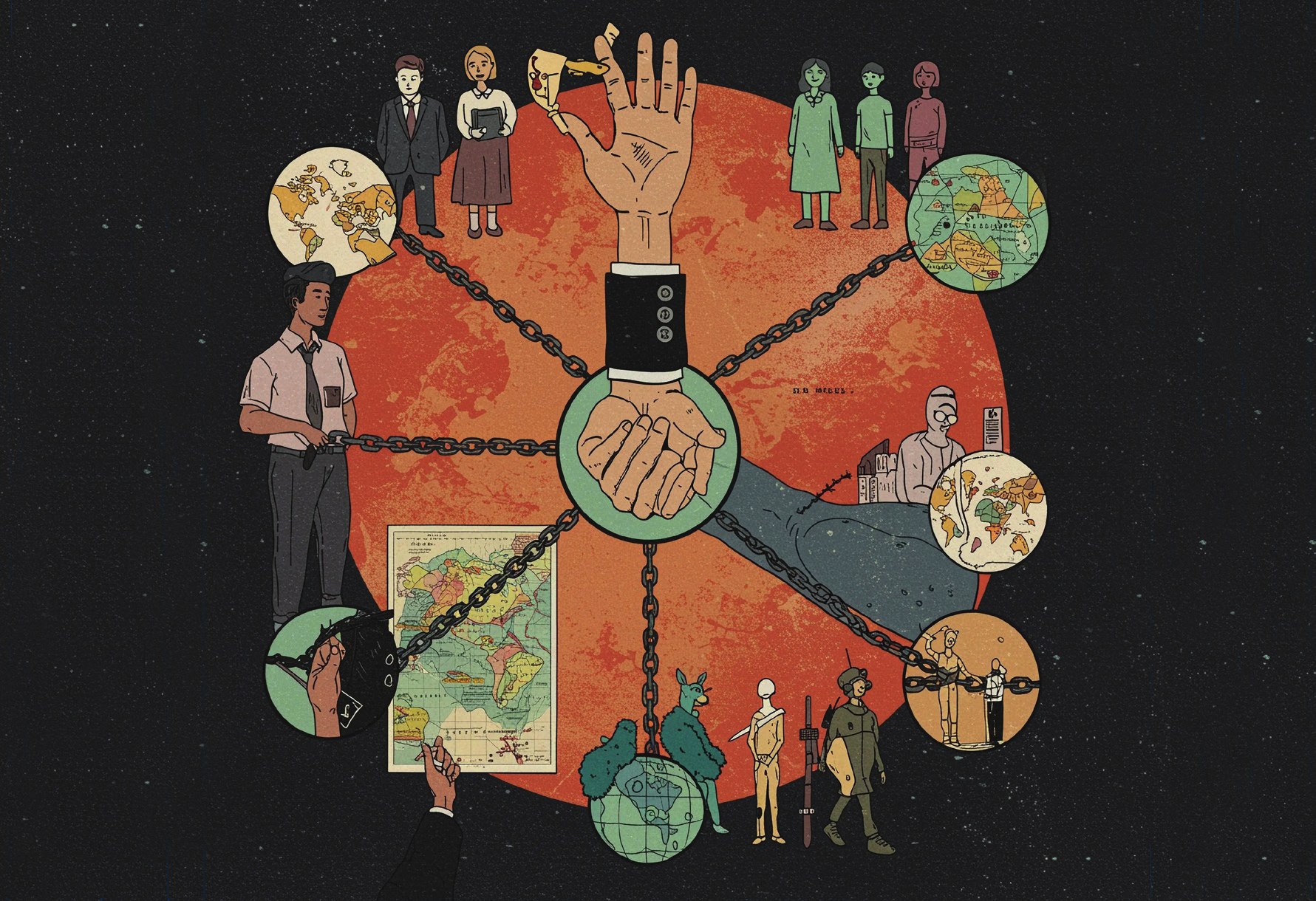
This paper argues that many of the problems still facing Africa stem from the colonial legacy, which has had disturbing effects on societal structures, cultural values, and the economic development path pursued by post-colonial ruling elites. The colonial predicament proved hard, violent, discriminatory, and even humiliating in many cases. It resulted in massacres, confiscation of land for the benefit of the white settlers, the exploitation of mineral resources for the sake of the metropolis’s development, and the denial of the indigenous people of political rights, liberties, and values.
Presuming that the colonial predicament is the cause of the ills still confronting Africa may not elude the vivid polemics over the argument that the policies pursued by the ruling elites since independence have been solely responsible for Africa’s backwardness.
Pretending also that the colonial predicament explains why foreign actors, especially former colonial powers, still interfere in the domestic affairs of many African countries may not provide a rationale for this assumption. Therefore, dwelling on this intricate controversy may not enlighten the postulate that Africa remains politically marginalized, economically underdeveloped, and subject to foreign interventions, despite its abundant natural resources, vibrant youth, and valuable geostrategic assets.
This study comprises three parts: the first scrutinizes the diverse endogenous causes of foreign interventions in Africa by analyzing the post-colonial state crisis, with a focus on the effects of the colonial legacy. The second part seeks to depict Africa as a scramble for foreign powers, as this continent has been the source of raw materials for these actors, the theatre of their proxy wars, and a pedestal for their world ambitions. The last part concerns the measures African countries should take to address foreign intervention and meddling in their domestic affairs.
The Post-Colonial State Crisis
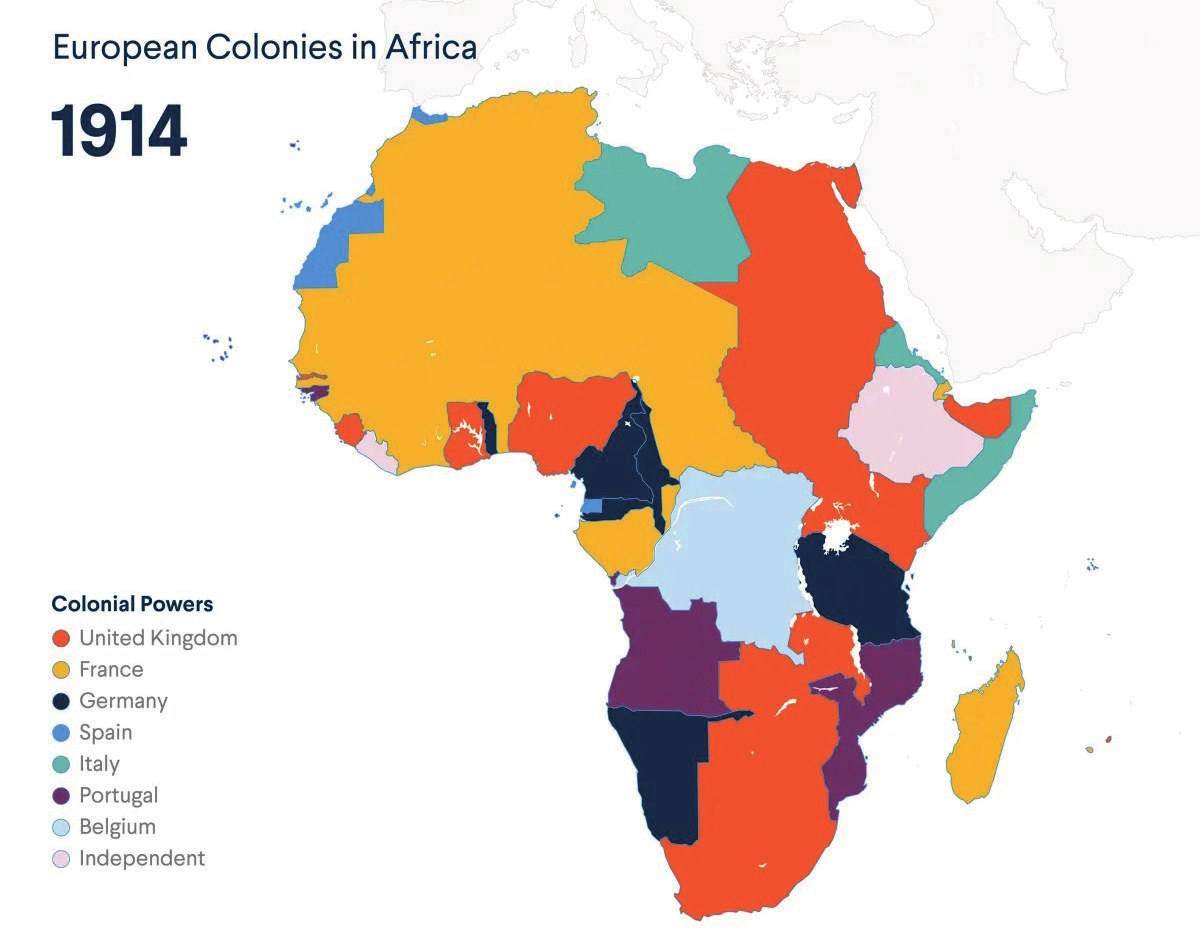
By the turn of the 20th century, the map of Africa looked like “a huge jigsaw puzzle, with most of the boundary lines having been drawn in a sort of game of give-and-take played in the foreign offices of the leading European powers” (Britannica, n.d.Britannica. (n. d.). Partition of Africa. Retrieved September 22, 2025, from). Therefore, it has been a common jibe that colonial legacy explains, largely, the border conflicts opposing African countries because of the arbitrary configuration of this continent due to the interests of the colonial powers exclusively. Colonial atavisms also explain the resurgence of tribal conflicts that were encouraged during the colonial period based on the ‘divide and rule policy’ through the exacerbation of religious and cultural affinities.
The Lingering Impact of the Colonial Legacy
Territorial disputes sprang from the colonial legacy, as many of these conflicts, related to the arbitrary drawing of borders during colonial domination, occurred at the expense of African peoples and communities. The colonial divide resulted in the dispossession of African peoples of their land and natural resources and the denial of their languages and cultures. Furthermore, it led to the fragmentation of these peoples into distinct national units, in line with the geostrategic interests of the colonial powers. The case of the Tuareg is highly significant, as this nomadic people override five Sahel-Saharan states (Algeria, Libya, Niger, Mali, and Burkina Faso). The Tuareg have engaged in sporadic rebellions against the central authorities in Mali and Niger since the two countries’ independence from French colonial rule in 1960. The Peul people live in nearly 30 countries, some of which have experienced border disputes.
The impact of the arbitrary partition of Africa during the Western colonial period, which has become a ferment of territorial irredentism, persists across many regions of the African continent. An expert on African politics rightly argued, “Ethnic groups often span international boundaries, and transnational kin frequently participate in or provide support for insurgencies in other states” (Lacher, 2022Lacher, W. (2022). African Conflicts amid Multipolarity, Implications of a Changing Actor Landscape. (Accessed: September 15, 2025).).
Before Western colonialism, tribes in Africa warred mainly over water, land, and grazing, driven by divergent interests and life conditions that differentiated settlers from nomads and farmers from cattle breeders. These cleavages are primarily socio-economic, not antagonistic ethnic configurations. Despite ethnic affiliations and tribal lineages, tribal groups shared quite similar racial stock and languages, such as the Peul, Bambara, Soninke, Hausa, and Swahili.
However, Western colonialism tended to exacerbate ethnic conflicts based on the divide-andrule policy by privileging one ethnic group over other tribes (Ibo in Nigeria, Tutsi in Rwanda). It also contributed to forming the local army from elements of the same ethnic group to avoid strong national loyalties.
The post-colonial state in Africa reproduced tensions between tribes, which generally stemmed from socioeconomic factors. The result consisted of insurgencies, which occurred in many parts of Africa, such as the Lord’s Resistance Army representing the fight of the Acholi people against the central authorities and other communities in Southern Uganda, the Tigre rebellion contesting both the Federal Government of Ethiopia and Eritrea, and the Movement for the Emancipation of the Niger Delta.
The state in some independent African countries also contributed to displacing the substance of the so-called ethnic conflicts from socio-economic divergences to racial and political dissonances. In this vein, the cases of the Ewe in South Sudan are highly illustrative of the evolution of the so-called ethnic conflicts in Africa. In many cases, several tribes and communities did not identify with the African post-colonial nation-state. They did not express loyalty to the ruling elites, which were often forged along Western colonial lines. The lack of strong links with the nation-state also explained the separation temptations that occurred in Katanga (Congo), Nigeria (Biafra), North Kivu (DRC), Senegal (Casamance), Cabo Delgado (Mozambique), Sudan (Darfur), Libya, and in the northern parts of the Sahel-Sahara region (Niger and Mali).
Enduring Economic Dependency
The economic model, imposed on Africa by colonial powers, did not aim to improve the socio-economic conditions of the natives. Instead, it intended to provide White settlers with privileges and rights at the expense of the great bulk of the indigenous population and serve the interests, comfort, and progress of the metropolis. In fact, colonialism aimed at the looting of African countries’ natural resources and at maintaining local economies in a state of dependency, confining African countries to the role of providing raw materials to Western economies, without improving education or creating wealth in favor of African peoples.
Most African countries still rely on raw-material-based economies with weak capacity to transform raw materials into industrial products. The lack of manufacturing capacity prevented many African countries from conquering foreign markets and boosting trade and foreign earnings. The logic of the international economic system has confined Africa to the mere role of providing primary crude materials and limited its access to the manufacturing process. Indeed, 83% of African countries still rely on a single commodity as the primary source of foreign exchange earnings.
The Disturbing Effects of Bad Governance
The following parameters underline the disastrous consequences of the bad management of public affairs and the misuse of the national resources by many African regions: - Excessive state centralism and the marginalization of the peripheral regions: The post-colonial state has replicated the ancient policies of empowering the central administration at the expense of local authorities represented by notables, religious chiefs, and tribal leaders, as colonial powers generally used oppressive means to advance their interests and strategies. Centrifugal regions benefited from socio-economic progress, while the peripheral zones, mainly occupied by other ethnic groups and minorities, were marginalized politically and economically, whether during the colonial period or after independence.
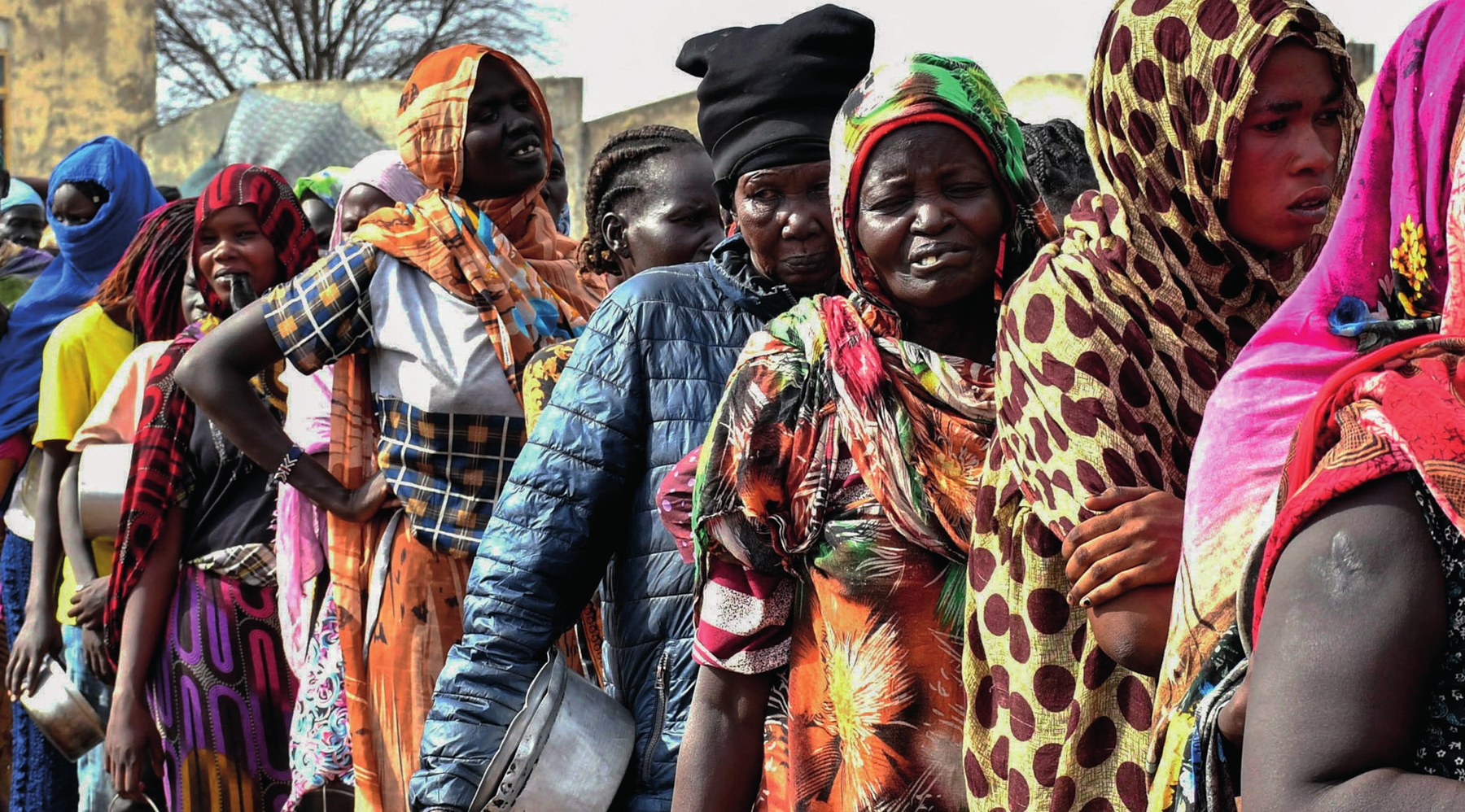
- The land syndrome: The mismanagement of land exploitation and its uneven distribution were the sources of conflicts over the scarce, productive land in Africa. These plagues did not fail to give a communitarian feature to the conflicts, as happened in the Sahel-Sahara region, with the risk of a wide-scale deflagration in a context marked by the overexploitation of the scarce humid zones by a concentrated population and successive periods of drought. The result was widespread famines, ill nourishment, pandemics, and the forced displacement of the population. In addition, violent armed conflicts erupted in the Sahel-Sahara region, the Horn of Africa, the Great Lakes, and Sudan. These zones are the poorest and most threatened by the world’s most inefficient health care system.
- The deficit of democracy: Many African states have failed to promote good governance because of the lack of solid institutions, effective and transparent administrations, and the serious implementation of public policies and the control of their outcomes. Many African regimes lack accounting controls or transparency in the management of public resources. They continue to rely on patron-client networks, nepotism, and corruption, whether political or financial.
Authoritarianism, rigging of elections, the anti-constitutional extension of mandates, and military coups have all contributed to maintaining political instability and the persistence of violent conflicts. Africa represents the continent where autocratic regimes are the most widely spread and where military coups have happened the most often in the world.
- Autocratic regimes: With the so-called postwar democratization wave, the US non-governmental Freedom House considered two-thirds of African states as ‘free’ or ‘partly free’ in 2009. A decade ago, two-thirds of African states were depicted as ‘not free’ or ‘partly free’ (Campbell & Quinn, 2021Campbell, J. & Quinn, N. (2021). What is Happening to Democracy in Africa? Council on Foreign Relations. (Accessed: September 22, 2025).).
- Long tenures: There are significant examples as of December 2024: Teodoro Obiang, Equatorial Guinea (45 years); Paul Biya, Cameroon (42); Denis Sassou Nguesso, the Republic of Congo (39); Yoweri Museveni (38); Mswati III, the King of Eswatini (38); and Isaias Afwerki, Eritrea (31).
- Unconstitutional changes: when adding the number of countries that have witnessed military coups to the list of those that have no limited presidential mandates, an expert on African military affairs found that 30 out of 54 African countries did not respect the principle of limiting the presidential tenure (Africa Center for Strategic Studies, 2023bAfrica Center for Strategic Studies (2023b). Term Limit Evasions and Coups in Africa: Two Sides of the Same Coin. (Accessed: October 15, 2025).).
- Military coups: Among 486 military coups or attempted coups that have occurred in the world in the 1950-2014 period, 47% took place in Africa. Moreover, among the 242 successful military coups recorded worldwide during the same period, 106 have occurred in Africa. There have been nine successful military coups on the continent since 2020 (Vine, 2024Vine, A. (2024). Understanding Africa’s Coups. George Town Journal of International Affairs Studies. (Accessed: September 22, 2025).). It may be worth mentioning, also, that the year 2023 alone has recorded seven cases where political regimes were toppled over by military forces, a matter that powerfully highlights this uptick in coups on the African continent.
- Dodgy elections: In many cases, African leaders have remained in power despite violent contests of elections (Madagascar), rigging the elections (Zimbabwe), arresting opposition leaders such as Kefa Niloisi in Burundi, or seeking the assistance of foreign private groups to secure the victory in the presidential contest (Central African leader Faustin-Archange Touadéra).
Elections constitute a puzzling dilemma in Africa. Autocratic regimes use them as a cosmetic showoff. When these regimes risk not winning these contests, they resort to fraud through the manipulation of administrative procedures, use pressure on the pseudo-independent commissions that pretend to monitor elections, and even intimidate opposition contenders. Similarly, opposition parties, when they lose even fair and transparent elections, also resort to street demonstrations and violence.
Africa in the Scramble for Foreign Powers
The expansion of the capitalist mode of production and the rising needs of the manufacturing sector in the Western world explained colonial expeditions and the implantation of foreign settlers in Africa at the beginning of the 19 century, when Western powers occupied the coastal areas through violence and repression. The Berlin Congress, held in 1885, haggled over geometric boundaries within the continent, disregarding the cultural and linguistic boundaries already established by the indigenous African population.
After the political emancipation of the African people in the 1960s, Africa remained, mainly, a scramble for its fertile land, energy assets, and mineral deposits, which are badly needed by foreign powers to ensure food self-sufficiency, expand their new technologies, and advance their world status and hegemonic ambitions.
The Quest for Raw Materials
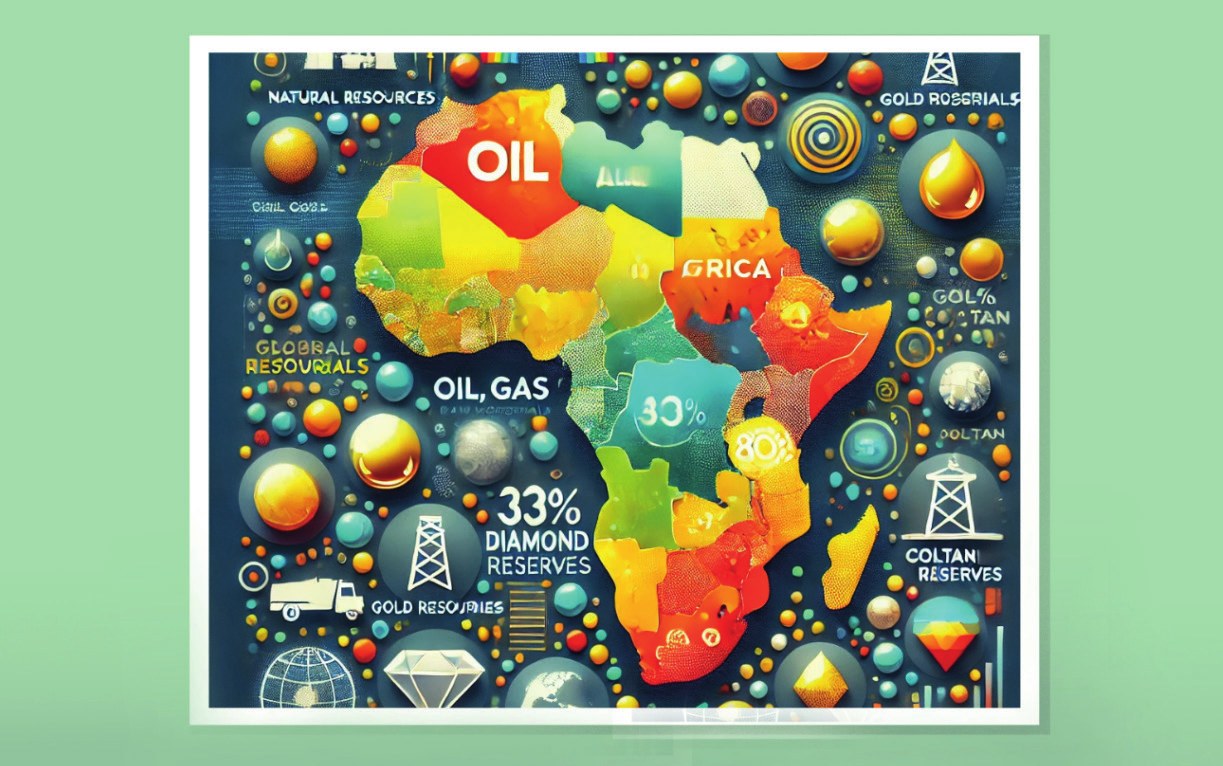
Africa boasts substantial oil and gas reserves, as well as massive mineral deposits, including hard rock minerals (iron ore, phosphate, uranium, copper, and coal) and precious metals (diamonds and gold). Moreover, it contains abundant rare minerals, mainly lithium, cobalt, and nickel, which are needed for batteries and electrification technologies.
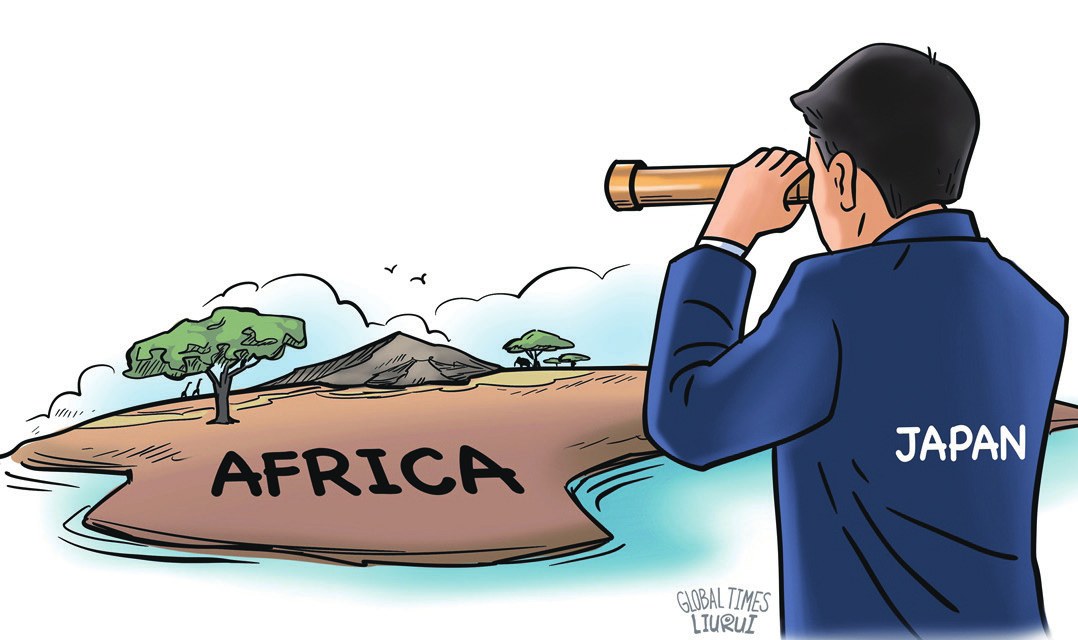
Such wealth explains the rush of China and India, which lack some mineral resources, mainly those needed for digital and innovative technologies. This sector has become the driving force of global development for these world giants. Japan also joined the rush because it is the only foreign power involved in Africa to import nearly 100% of its raw materials and to remain doomed to search for critical mineral deposits or energy reserves so badly required by its ever-booming industry (Iratni, 2024Iratni, B. (2024). Africa: A New Scramble for World Powers or the ‘Biggest Frontier of the 21st Century?’ Algerian Journal of Human and Social Sciences, (1), 472-502.). Such commodities are essential for Japan to maintain its leading position in the automotive industry (particularly hybrid cars) and the electrical appliances industry.
Other prominent foreign actors, such as Russia, are also wooing Africa’s raw materials, though they are in remote regions where extraction is complex and costly. Russian-owned companies, RT Global Resources and the Renova Group, are exploiting mining deposits across Africa, including manganese (South Africa), platinum (Zimbabwe), diamonds (Angola), bauxite (Guinea), and uranium (Namibia).
In the DRC, Japan has committed to investing $1 billion to explore for rare minerals in a country rich in cobalt, lithium, and copper. JOGMEC has invested in several exploration joint ventures in South Africa, particularly in nickel and the platinum group metals, and a rare-earth joint venture in Malawi (Najah, 2024Najah, R. (2023). Japan to strengthen Ties with Africa. (Accessed: October 20, 2025).).
As decarbonization becomes urgent, the demand for critical minerals will spur Western powers’ investments in the African mining sector. For instance, the U.S. International Development Finance Corporation (DFC) considered investing money in Namibia’s lithium mining industries. (Yade & Tyrell, 2022Yade, R. & Tyrell, J. (2022). Japan’s Opportunity to Build a New Legacy in Africa, Atlantic Council. (Accessed: September 22, 2025).).
African oil and gas did not represent a significant supply for major powers such as China, India, or Japan because of the limited energy reserves of African countries and their remote location relative to Russia or the Middle East. Moreover, China and Japan began searching for alternative energy sources as the war in Ukraine dramatically reshaped the global energy map.
To phase out Russian oil imports, Japan is turning old LNG tankers into floating offshore LNG production bases near the coast of Mozambique, a promising gas-producing country. China increased its energy imports from Russia, and consequently, its share in African energy sales declined from 25% to 15%. However, to ensure oil flows from Africa, Beijing continued its investments in the hydrocarbon sector there. It took a majority stake in a project to drill for oil off West Africa’s Guinea-Bissau, some shares in the Rovuma LNG project in Mozambique, and started building a 1,980 km pipeline from the Agadem oil field in Niger to the port of Seme in Benin. Sinopec Overseas Oil and Gas Company Limited struck a $490 million deal with the Algerian national oil company, Sonatrach, in May 2022 to explore in the Saharan Zarzaitine region (FOCAC, 2022FOCAC. (2022). China and Algeria ink 490-mln- USD oil exploration contract. (Accessed: September 22, 2025).).
Russian oil companies are active in Africa by investing substantial sums in the hydrocarbons sector in Algeria, Egypt, Uganda, and Angola, and by conducting offshore gas exploration off the coast of Mozambique (Cayley, 2021Cayley, C. (2021). The bear is back: Russian re-engagement with Africa is picking up with Putin in the driving seat. (Accessed: September 22, 2025).).
Large-Scale Land Acquisitions and ‘Grabbing’
An African Union statement released in January 2023 asserted that the African continent has 60% of the world’s arable land and that agriculture provides livelihoods for 70% of the population. However, the continent generates only 10% of global agricultural output (AU, n. d.).
Some major powers sought land concessions to increase their capacity to process agricultural products, achieve food self-sufficiency, and make profits. These powers exercised a grab at the expense of economically poor African states. Over the past 20 years, foreign investors have acquired approximately 35 million hectares of land in Africa (Kayembe, 2023Kayembe Benita. (2023). Africa’s Land Is Not for Sell: Rights of Indigenous Peoples. (Accessed: September 22, 2025).). Foreign investors have acquired several tens of millions of hectares of arable land in Africa, an area slightly larger than Côte d’Ivoire (Toulemonde, 2021Toulemonde, M. (2021). Inside the Great African Land Rush. (Accessed: September 22, 2025).). China invested $1.11 billion in the agrarian sector of 35 African countries by the end of 2020 (MFA/PRC, 2021MFA/PRC. (2021), Ministry of Foreign Affairs of the People’s Republic of China, The State Council Information Office of the People’s Republic of China, China and Africa in the New Era: A Partnership of Equality 2021. (Accessed: October 15, 2025).).
For some African countries, selling land to foreign investors may boost foreign earnings, acquire agricultural know-how, modernize the agrarian sector, and increase food production. However, in some cases, ‘grabbing’ land served the interests of foreign investors, as in the Gulf States (Cochrane, Amery, 2017Cochrane, Amery (2017). The source article does not provide a separate full bibliographic entry for this citation.). These countries invested substantial capital in African land to secure food sufficiency for their populations, due to the aridity of their soil and the difficulty of securing food supplies during the 2008-2010 crisis and the 2021 Russian-Ukrainian war. These investments targeted increased food production, with a particular emphasis on staple crop and livestock production (Alade, 2025Alade, N. H. (2025). The GCC’s Strategic Footprint: Gulf Investment as an Emerging Power Bloc in Africa. Al Jazeera Centre for Studies. (Accessed: September 30, 2025).). In this case, what was supposed to be land grabbing generated, first and foremost, profits and advantages for foreign investors. The case of China appeared quite different, as the Asian power invested in African agriculture to secure its own food supplies in the framework of its ‘One Belt, One Road’ grand design. However, Beijing also contributed to modernizing Africa’s landscape, increasing the productivity of its transformation, and promoting the continent’s food exports. Therefore, it was argued that the Sino-African partnership promotes the development of a more diversified and sustainable agricultural sector in Africa (Kampini & Kalepa, 2024Kampini, T. & Kalepa, J. (2024). China–Africa Collaboration in Agriculture and Food Security: Prospects and Challenges. In: Muchie, M., Baskaran, A., Tang, M. (eds) China-Africa Science, Technology and Innovation Collaboration. Springer, Singapore. (Accessed: September 22, 2025).).
Geostrategic and Security Impediments
The scramble over Africa went beyond the search for minerals and the exploitation of land, since major powers conceived their presence in this continent as a pedestal to enhance their international status and posture in the world’s balance of power through fierce competition. Their geostrategic worries regarding Africa concerned the conception of threats to their security believed to come from this continent because of terrorist attacks, illegal migration, and drug trafficking.
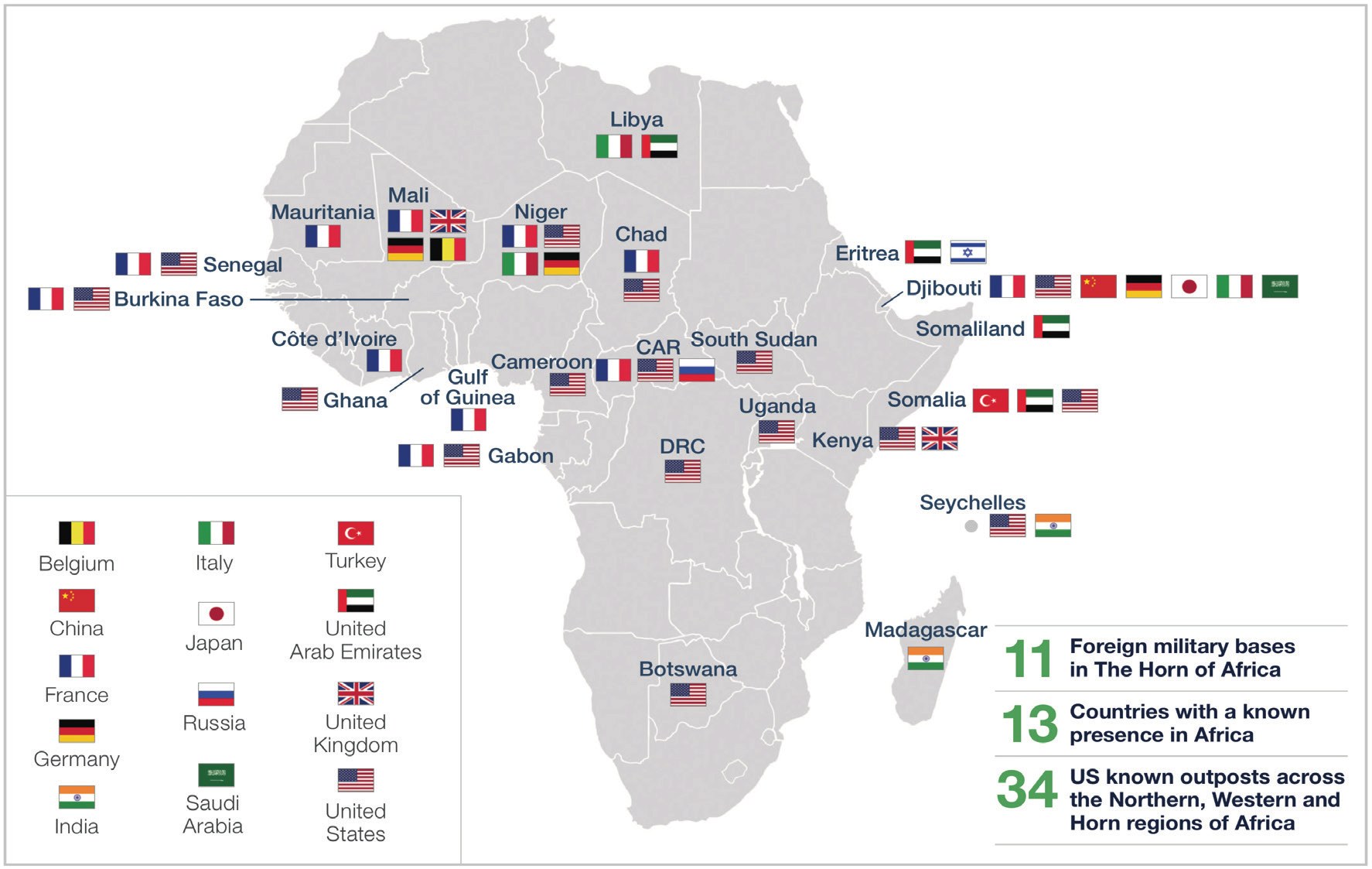
No wonder then that as many as fifteen foreign countries are militarily present in the African continent, and it is not surprising, either, to notice that tiny Djibouti, which lies on the Bab-el-Mandeb Strait, constitutes a gateway to the Suez Canal and one of the world’s busiest shipping lanes, and a waypoint between Africa, India, and the Middle East. Moreover, it hosts military bases and facilities for seven countries at the same time, and is the only place in the world to shelter Chinese and US bases at the same time.
France tried to maintain its long-lasting influence over its former West African and Sahel-Saharan colonies and to protect its exploitation of uranium and other minerals in this region. France has a military base and a contingent of 1,500 soldiers in Djibouti, naval facilities at Port Bouët near Abidjan, and military bases in Chad and Gabon, from which anti-terrorist operations are conducted in the Sahel region and the Central African Republic. Nevertheless, successive regime changes in Mali, Niger, and Burkina Faso since 2023 have prompted French troops to withdraw from the Sahel. Japan maintains a contingent at Camp Lemonnier in Djibouti, while Türkiye has a military base in Somalia and a training facility for Somali troops within the framework of Camp Turksom (Daily Sabah, 2022Daily Sabah (2022). The source article does not provide a separate full bibliographic entry for this citation.).
The United States attempted to fight terrorism to prevent attacks on its embassies in the Sahel-Sahara and the Horn of Africa and prevent the destabilization of its close African allies. It operates an expeditionary base with more than 3,000 troops in Djibouti, a naval base, and a Green Beret detachment in Kenya. It operates drone bases on Victoria Island in the Seychelles and in Nigeria to fight Boko Haram. Moreover, it has set up compounds for US commandos in Somalia as well as PC-12 surveillance aircraft flying at Entebbe airport as part of the US Special Forces mission helping the Ugandan army combat a rebel movement called ‘Lord’s Resistance Army’ (Segell, 2019Segell, G. (2019). NATO Withdrawing from Africa? Is Russia Replacing NATO as a Partner on the Continent? Research Report prepared for NATO Nordic YATA Report Presented at Nordic Security Conference 2019, Oslo. (Accessed: September 22, 2025).). However, the rise to power of a military-backed regime in Niger in 2023 forced the US to withdraw from the country its military personnel and installations, the ‘Predator’ and ‘Reaper’ drone bases covering the Sahel region, the Lake Chad Basin, Somalia, and Yemen.
China has kept aloof from engaging in violent conflicts in Africa and has no direct military involvement on the continent, unlike the major Western powers. Beijing focuses, instead, on combating piracy in the Indian Ocean to protect the naval routes it uses to transport its manufactured products and energy supplies. China is reinforcing its military presence in the Indian Ocean and Africa by planning to build another naval base in Djibouti, courting Mozambique to host naval facilities, and constructing bases in Kenya and Tanzania to strengthen its presence further. Furthermore, it planned to install naval bases in Africa’s Atlantic to protect its oil and commercial commodity supplies from African countries on the Atlantic coast, such as Angola, the DRC, Namibia, Nigeria, South Africa, and Equatorial Guinea, where it has upgraded port facilities.
The Gulf States seem preoccupied with severing the junction between Al-Shabab terrorist groups operating in the Horn of Africa and the rebel movements activating in the Arabian Peninsula and the Gulf of Aden. The United Arab Emirates has developed a deep-water port at Assab in Eritrea, serving as a hub for all operations in Yemen, including the naval blockade of the Red Sea ports of Mocha and Hodeida. It trains and equips Somalia’s counterterrorism unit and the National Intelligence and Security Agency and has a 30year lease on a naval and air base at the port of Berbera in Somaliland (Telci & Horoz, 2018Telci, N. I & Horoz O. T. (2018). Military Bases in the Foreign Policy of the United Arab Emirates, The Gulf on the Verge Global Challenges and Regional Dynamics. Insight Türkiye, (2), 143-166.).
Russia, Türkiye, and the United Arab Emirates are all militarily engaged in Libya and the Sahel-Sahara to support allied factions and gain access to energy and mineral deposits in these regions. Russia intervened directly in Libya in support of the forces backed by Marshall Khalifa Haftar’s Libyan National Army, which contested the authority of the UN-recognized Government of the National Union (GNA) based in Tripoli. The UAE provides arms and financial assistance to the Benghazi-based authorities. In contrast, Türkiye came to the rescue of the GNA, on the latter’s request, with troops and arms to secure its geostrategic interests, which consisted of gaining access to the Mediterranean exclusive economic zone and Libya’s energy resources after signing with the GNA government in 2019 a MOU on the Delimitation of the Maritime Jurisdiction Areas in the Mediterranean. Ankara also signed an important trade agreement with Tripoli in August 2020, covering energy cooperation. Türkiye’s concerns also include protecting naval routes in the Eastern Mediterranean Sea amid hostilities by some countries, notably Greece (Iratni, 2018Iratni, B. & Marok, L. (2018). Russia’s Return to Africa. The Algerian Journal of Political Studies, (10) 01, 593-606.).
Russia is heavily involved in supporting the new military-backed rulers to fight terrorism in Niger and Mali. Besides intervening militarily in several conflicts and using naval bases and facilities in Africa, the major powers entered a fierce competition to sell arms to Africa. Russia represents, by far, the largest exporter of arms to Africa from 2000 to 2019. Despite its entanglement in the grueling war in Ukraine, Russia overtook China as the top weapons supplier to Sub-Saharan Africa between 2018 and 2022, capturing 26% of the region’s market share, up from 21% over the previous five years. In contrast, China’s shares in arms sales to Africa fell from 29% to 18% between 2013 and 2022 (AFDB, 2022AFDB (2022). The source article does not provide a separate full bibliographic entry for this citation.).
To justify their military interventions in Africa, major powers from the Western Hemisphere evoked the fallacious pretext that this continent faces insecurity and threats emanating from terrorism, civil wars, and tribal conflicts. In fact, the objectives behind this arms race are to fuel these conflicts, gain allies, and enhance the major powers’ quest for international status and global ambitions.
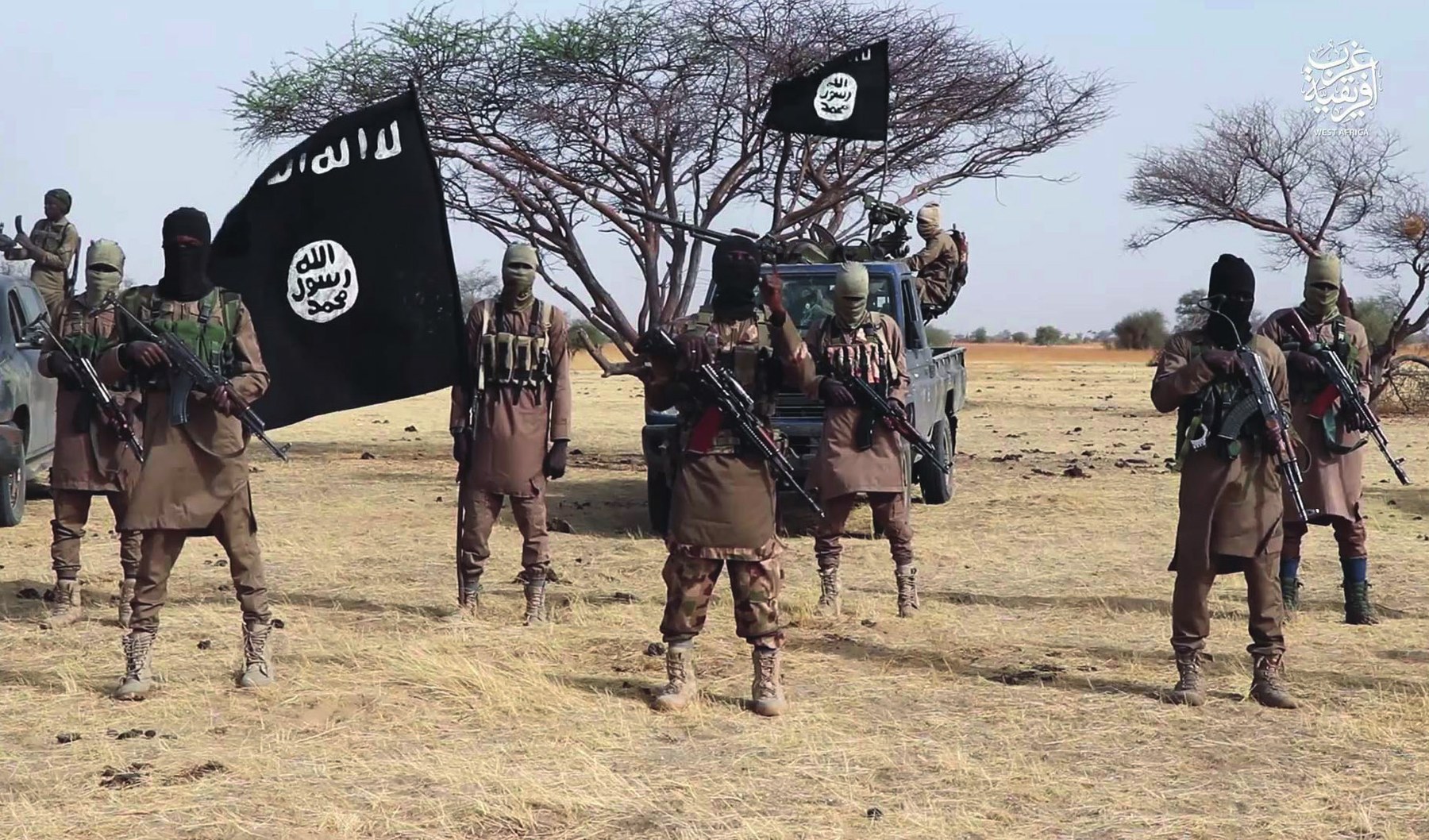
Major powers have succeeded relatively in reducing these threats but failed to eradicate terrorism or prevent conflicts in Africa. Despite several military operations (French ‘Barkhane’ and ‘Serval,’ as well as US ‘Flintlock’ and ‘Trans-Sahara Counter-Terrorism Initiative’), the effective presence of bases and contingents, as well as the channelling of military assistance to some African armies, neither France nor the United States has succeeded in extirpating terrorism from the Sahel-Sahara countries. Moreover, despite the US strikes on Yemen in October 2024, the Houthi rebel group continued to assert itself as the vanguard of Iran’s ‘axis of resistance,’ a role left open by the death of Hassan Nasr Allah, the leader of Hezbollah in September 2024 (Revista de Prensa, 2024Revista de Prensa. (2024). Yemen: A Better Way to Counter the Houthis. (Accessed: October 18, 2025).).
Terrorism has not disappeared from the Horn of Africa since Türkiye, the UAE, and Qatar seem to provide arms to belligerent parties. In Sudan, these countries are fuelling the violent rift between the military-backed regime of General Abdel Fattah al-Burhan and the rebel movement of the Rapid Support Forces (RSF) led by Mohamed Hamdan Dogolo, once an ally of the government Sudanese Armed Forces (SAF).
Interference by Major Powers did not take the form of military operations alone but also involved soft measures, such as meddling in the domestic political affairs of some African countries. This was the case of French policy to help close regimes in the Central African Republic (CAR), Gabon, Niger, and Côte d’Ivoire. The more recent examples consist of Russia’s assistance to Sudan’s President Omar El Bashir to curb a growing opposition to his regime, as well as its efforts to protect the regime of Faustin-Archange Touadéra, which faced a rebellion after the withdrawal of French troops from the Central African Republic. Wagner groups also landed in Mozambique to back the regime’s fight against Islamic insurgents who sought to get control of Cabo Delgado, a Muslim-dominated, gas-rich province. In the absence of facts suggesting that Russia has sent operatives to influence the elections in favour of its allied regimes in Africa, the media have reported that Moscow is increasing efforts to influence elections in Africa. Its strategy focuses on shoring up authoritarian regimes in fragile countries like Guinea and unstable yet resource-rich States, such as Mozambique, Madagascar, and the RCA (Sauer, 2019Sauer, P. (2019). In Push for Africa, Russia’s Wagner Mercenaries Are ‘Out of Their Depth’ in Mozambique, The Moscow Times, November 19. (Accessed: October 15, 2025).). As Guinean President Alpha Condè was seeking an unconstitutional third term, Russian Ambassador Alexander Bregadze said on a Russian national television in 2019 that “rotating leaders was not necessarily a good thing,” and that “Constitutions are no dogma, Bible, or Quran…It is constitutions that adapt to reality, not reality to constitutions” (Reuters, 2019Reuters. (2019). Russian ambassador sparks backlash with suggestion Guinea change constitution. (Accessed: September 22, 2025).).
A political study revealed a link between Russia’s support for African regimes, many of which are dubbed undemocratic, and the policies this country pursued at the United Nations Security Council, by wooing the Council’s African members to vote in line with Moscow’s political interests in Africa. Thus, Russia succeeded in blocking resolutions condemning unconstitutional changes of regime, with the support of these African countries (Africa Centre for Strategic Studies, 2024Africa Centre for Strategic Studies (2024). Tracking Russian Interference to Derail Democracy in Africa. (Accessed: October 15, 2025).).
Empowering African Resilience
Africa faces challenges across the triptych of good governance, security, and development. These three parameters seem distinctive yet intimately intertwined: a State can neither ensure security nor development in the absence of democracy and the rule of law, nor can it ensure any development in the absence of internal stability and political order.
The Democratic Impetus
Africa is the continent with the most authoritarian regimes in the world. For several decades, Africa has been the host of despots, tribal rulers, military-backed regimes, or juntas seizing power, warlords turning into civilian presidents, unconstitutional changes, and election fraud. Many African regimes adopted policies based on patron-client relations, nepotism, widespread corruption, and the mismanagement of national economies.
The end of the Cold War brought a wave of democratization in Africa, especially in the former French colonies, but only for a short time, as autocratic atavisms remain deeply rooted. Democratization has made some progress in Africa. The prospects of countering autocratic regimes and advancing democracy may lie in Africa’s youth potential.
This continent has the world’s largest youth population. By 2030, 75% of the African population will be under 35, and the number of young Africans aged 15-24 will reach 500 million in 2080 (The World Bank, 2023The World Bank. (2023). Investing in Youth, Transforming Africa. (Accessed: September 20, 2025).). Although young Africans are diverse and violent in some cases, they may be change makers and peace activists, as it occurred in Egypt in 2011, when they pushed the autocratic President Hosni Mubarak out of power, and in 2019, when they contributed to toppling the despotic regime of Omar Al Bashir 2019.
What Africa needs is strong civil societies. States come and go, political regimes rise and disappear, but strong societies remain the solid ferment of both the State and the Nation. It was political culture and societal values that made States perennial and Nations survive.
Active segments of civil society initiated vigorous actions to protest the maintenance of authoritarian rule in Africa. To fight corruption, civil society militants launched a campaign called ‘Black Monday’ in Uganda in 2012, for instance, which consisted of organizing a street protest every Monday against the theft of public funds. In Mali, political groups opposed the military leadership’s decision to indefinitely postpone the presidential election, which was supposed to restore civilian rule. In Guinea-Conakry, ‘Les Forces Vives de Guinée’, a coordination of civil organizations, denounced the emergence of a dictatorship following the September 2021 military coup. In Chad, segments of the civil society protested the decision taken by the central authorities to hold a referendum on the nature of the state, intended to maintain the old regime. In Senegal, the incumbent President Macky Sally expressed in February 2024 his willingness to hold a poll “as soon as possible” (BBC News, 2024BBC News (2024). The source article does not provide a separate full bibliographic entry for this citation.), after the violent, widespread protests and verdict issued by the country’s Supreme Court to rule out the decision taken by the Senegalese President to postpone this election until January 2025.
The Security Dilemma: Imperative Self-Reliance vs. Foreign Intervention
Many African rulers preferred to rely on military intervention or assistance from foreign powers, despite the setting up of African continental and regional collective security mechanisms, such as the African Union Peace and Security Architecture (APSA), the Multinational Task Force in the Lake Basin Chad, and the joint force of the G5 Sahel.
Such an eventuality of relying on foreign military assistance found concrete evidence through the calls made by Mali, Niger, and Burkina Faso on Russian Wagner groups to help them fight terrorism and replace the withdrawal of French troops from their territories. Russian Foreign Minister Sergey Lavrov declared in September 2021 that private Russian military contractors have a “legitimate” right to be in Mali because the transitional government of this country has invited these armed groups. However, he insisted that the Russian government was not involved (Al-Jazeera, 2021Al-Jazeera (2021). Mali approached a Russian military company for help: Lavrov. (Accessed: September 15, 2025).). Moscow further reinforced its military involvement in Mali through the newly formed ‘Africa Corps’, following a pledge by Mali’s military leader during a June 2025 visit to Moscow (Toelgyes, 2025Toelgyes, C. (2025). Mali: Wagner’s Heirs Mercenaries Arrive, New Military Agreement Signed in Moscow. (Accessed: September 22, 2025).).
Under the impetus of the new military leaderships, these three Sahel-Saharan countries moved to establish G3 Sahel, a political and security forum, after withdrawing from the G5 Sahel, a security mechanism they had formed under French military auspices in 2015. Thus, Russia sought to hasten the weakening of France’s military presence in Central and West Africa and to fill the security vacuum left by France’s withdrawal from the Republic of Central Africa, Mali, Niger, and Burkina Faso.
Relying heavily on foreign powers for intervention or military assistance to ensure political stability and fight terrorism and affiliated smuggling networks proved ineffective in many cases in Africa. French and US military presence and military operations did not extirpate terrorism or organized crime from the Sahel-Sahara region. Equally, the United States and the Gulf States were not successful in eradicating the terrorist group of Shabab, nor in curbing acts of piracy in the Indian Ocean.
Such an example underscores the vulnerability of relying on foreign powers’ military interventions and assistance. It underscores the necessity for African countries to improve their peace-building capabilities, enhance their military might, and strengthen continental and regional security mechanisms. For instance, the Joint Operational Command of Chiefs of Staff (CEMOC), created by Algeria with Mali, Niger, and Mauritania in 2010 to coordinate efforts to fight terrorist groups in the Sahel-Sahara region, proved necessary despite its relative limitations, mainly due to the weakness of the Sahel-Saharan armies.
To sum up, foreign interventions did not stop the spread of terrorist movements in the Sahel-Sahara, the Horn of Africa, and the Great Lakes region, as well as in Libya or Sudan. The French military operations carried out in the Sahel-Sahara from 2011 to 2022 did not eradicate the terrorist groups. Instead, the threats posed by these groups have extended to the entire Sahel-Sahara region and affected other countries, such as Benin and Togo.
The recourse to foreign intervention and military assistance should be a complement, not a substitute, for the African collective continental and regional security mechanisms. The slogan ‘African solutions to African problems’ and the initiative ‘Keep the Guns Shut in Africa’ launched by the African Union (AU) should not remain vain.
African countries should regularly contribute to the AU and Regional Economic Communities (RECs) funds to support peacekeeping operations and deploy their contingents to tasks assigned to the African Standby Force (ASF), notably to help stop interstate conflicts and civil wars. The lack of will, absence of military capabilities, internal dissensions, and the meddling of foreign powers have impeded the projects of the Economic Community of West Africa to intervene in the crises faced by Mali, after the military coups and the threats waged by terrorist groups and secessionist movements, which occurred in this country in 2011 and 2022.
The appropriation or ownership of security mechanisms and peace-building processes by African countries proved difficult amid foreign military intervention in local conflicts and meddling in internal affairs. It is worth recalling that France and Great Britain were able to undermine the Five-Countries mediation initiated by the African Union in 2011 to find a political solution to the crisis facing Libya. The efforts of French President Nicolas Sarkozy and British Prime Minister David Cameron resulted in paving the way to the military intervention of NATO, for ‘humanitarian as announced. In fact, their initiative did not prevent civil war or the de facto political fragmentation of Libya. Jean Ping, the AU’s Commission President at the time of the Libyan crisis, released a book in 2014 in which he castigated “the moral incoherence of the game of the world powers which invoke, increasingly, the concept of ‘humanitarian war.” According to Jean Ping, the purpose of the two Western powers in Libya was to “save the lives of other countries by privileging the use of force at the expense of political negotiations, the sole tangible solutions in the long-term” (Abdou Hassan, 2004Abdou Hassan (2004). The source article does not provide a separate full bibliographic entry for this citation.).
AU and RECs should continue implementing peacekeeping operations through empowering APSA and Regional security mechanisms. The Sahel-Sahara countries should join Algeria’s efforts within CEMOC, which aims to coordinate counterterrorism efforts across the region. The case of ECOWAS is particularly significant, as whenever this regional organization decides to impose sanctions on the member States that extend the presidential mandate illegally, and condemn unconstitutional changes, it quickly comes under harsh criticism from the incriminated States. Some of these member States, such as Mali, Niger, and Burkina Faso, went so far as to push for withdrawal from this regional organization and to set up a small tripartite grouping in 2023, which looked fragile from the start.
AU should also implement its ‘Silencing the Gun Initiative’ (SGT), which was initiated in 2013, aimed, according to a United Nations organization, at “putting an end to all wars, conflicts, gender-based violence and preventing genocide in Africa by 2020” (UNDP, 2020UNDP (2020). The source article does not provide a separate full bibliographic entry for this citation.).”
Sustainable Development
Sustainable development has become the leitmotif of the African Union (AU) and the Regional Economic Communities (RECs), which aim to make Africa a world powerhouse rather than a mere source of raw materials for foreign actors or a pedestal for their geostrategic interests. Sustained Development (SD) refers to development that meets the needs of the present generation without compromising the needs of future generations, as defined by the Brundtland Commission (UN, 2007UN. (2007). Framing Sustainable Development, The Brundtland Report- 20 Years On. Sustainable Development in Action. (Accessed: September 22, 2025).).
To ensure sustainable development, the AU initiated in 2001 the New Partnership for Africa’s Development (NEPAD), with its empirical testing instrument, the Peer Review Mechanism (APRM), to monitor, voluntarily, progress in the domains of good governance. AU has also proposed ‘Agenda 2063: The Africa we want’ initiative in 2015, through which it outlined a strategy for the continent’s development and regional integration to be achieved over the next 50 years, with the active participation of the RECs.
At the regional level, many RECs have, to some extent, succeeded in fostering sufficiency, spurring inter-State economic cooperation, and establishing a free trade zone and a Customs Union by progressively eliminating barriers to full integration and harmonizing the policies of integration programmes. Moussa Faki Mahamat, the AU Commission Chairperson, declared in 2021:” while the pace of regional integration has been generally slow in some RECs, significant progress has been made in various thematic areas, such as the free movement of persons, customs unions, non-tariff barriers, and regional infrastructure” (AU, 2022AU (2022). The source article does not provide a separate full bibliographic entry for this citation.).
The process of integration at the continental level became tangible with the birth in April 2019 of the African Continental Free Area (AfCTFA), “one of the flagship projects of ‘Agenda 2063: The Africa We Want’. This economic grouping, which brings together a population of about 1.3 billion people and a combined GDP of approximately $3.4 trillion, will focus on innovative technologies and promote investment. According to the World Bank’s projections, AfCFTA will lift 30 million Africans out of extreme poverty, boost the incomes of 68 million other Africans, and increase the continent’s revenue by $450 billion by 2035 (The World Bank, 2020The World Bank. (2020). The African Continental Free Trade Area. (Accessed: September 22, 2025).).
Conclusion
Foreign interventions in Africa found fertile ground in the colonial legacy and the policies pursued by post-colonial states, resulting in political decay and economic failure in many cases. They also occurred because of the collusion between the geostrategic interests of foreign powers and the intrinsic interests of the ruling elites in many African countries. Foreign powers’ intervention and meddling in Africa will persist as long as conflicts and civil war continue to plague African security and stability. These conflicts and wars continue to occur as long as political regimes and autonomous social forces do not extirpate the root causes of these conflicts in Africa. It is the responsibility of the States and of civil society in Africa to make intensive and sustained efforts to ensure democracy and the rule of law, and to combat bad governance, corruption, and the mismanagement of national economies.
There is an imperative need to unleash autonomous civil society in Africa through political gatherings, associations, and gender activism. The youth have a historic responsibility to participate in nation-state building through democratic rallies and to engage in economic projects that create wealth, reduce unemployment, and modernize their countries’ economies. Through innovative projects in the start-up landscape and among small and medium-sized companies, youth, and especially women, can foster an entrepreneurial mindset and invigorate a modernist spirit and societal values for the common good, grounded in solidarity and shared prosperity. Such vigorous social forces may constitute the impetus for social renewal and a project of society that aligns with the world’s economic progress and promotes political participation and human rights.
Africa has the necessary economic resources, geostrategic assets, and a human potential characterized by a vast, active, and genius youth to turn into a powerhouse, compete with the world’s major actors, and not remain the source of raw materials, the stage for proxy wars, and a passive subject in international affairs.