Introduction
From being an underdeveloped country, only three decades ago, and sharing with African countries many features related to economic weakness and social backwardness, China has rapidly risen to a global status in terms of political credo, industrial potential, commodity exports, overseas financial investments, and military might.
Indeed, after a long period of State control over productive means, China started bold economic reforms in the late 1970s, that have permitted a speedy transition from a dormant and static agrarian-dominated economy to a highly industrialized power and a technological hub with growing urban spaces, dynamic middle classes, widespread education, technological expertise, and innovations.
Such a rapid transformation or “Chinese miracle” as dubbed at that time, emanated from a voluntary national strategy based on a stable and coherent leadership, economic pragmatism, and a less ideological vision of world politics.
For a long time, China exalted a discourse concerning a foreign policy assumed to reflect five principles related to “the respect of sovereignty and territorial integrity of the States, mutual non-aggression, non-interference in the domestic affairs of other countries, equality and mutual benefits, and peaceful coexistence.” Such orientations made China close to the challenges confronted by African countries in the light of the long-standing cold war.
Gradually, China’s ambitions to reach a major power status increased after obtaining a seat in the Security Council of the United Nations, and strengthening its economic capabilities and military might. China has then succeeded in becoming the most serious rival to the US hegemony over world affairs. The Asian power started, then, to call for multilateralism, which appealed to many countries in the world, particularly in Africa.
China’s grand design has symbolic foundations and ancient historical roots, according to the Chinese discourse. It sprung from the belief that Chinese civilization is 5,000 years old, which stresses the glorious past of this country and outlines a legitimate justification for the rise of China to a world-prominent status.
Since coming to power, Xi Jinping has departed from the low-profile doctrine pursued by Deng Xiaoping in the international scene in the early 1990s, based on “keep a low profile, do something,” or “tao guang yang hui, you suo zuo wei”(Chen, n.d). Instead, Xi Jinping went on to impulse a dynamic diplomacy framed in the great renewal of the Chinese nation, or zhon-ghua minzu weida fuxing that aimed at restoring China to the role of a great power (Nantulya, 2019Nantulya, P. (2019). China’s hard power supports its growing strategic interests in Africa. Africa research Center.).
Some political scientists considered China’s engagement in the African continent as “a positive development model”(Sheehy, 2022Sheehy, P. T. (2022). 10 Things to Know about the U.S.-China Rivalry in Africa. Retrieved March 10, 2024 from) and as an attempt to use of Africa as “a pivot in China’s efforts to construct alternate global architectures”(Nantulya, 2023Nantulya, P. (2023). Africa’s Role in China’s Multilateralism Strategy. Retrieved March 15, 2024 from).
China’s encounter with Africa is not new. It dates back to the period when this country considered itself a part of the third world, committed to fighting colonialism and Western domination.
China provided many liberation movements in Africa with diplomatic support, financial assistance, and even arms, as was the case with the Algerian wartime National Liberation Front.
Later, Beijing found a staunch support from African countries, the great bulk of which gained independence in the 1960s, in the efforts to complete territorial integrity and the recovery of international credo and prestige.
Gradually, China diversified its cooperation with African countries, moving from a heavy reliance on the imports of raw materials (mining and energy) to participating in huge development projects and infrastructure, mainly in the sectors of agriculture, hydrocarbons, chemicals, transport, and housing. In return, China exported to its African partners, agrarian products, clothing, spare parts, industrial equipment, and even technology and know-how through joint ventures, implemented largely by Chinese loans and financial inducements.
China integrated Africa into its “Belt and Road Initiative” (BRI), a global development scheme incepted in 2013 which consisted of a well-resourced programme to increase commercial links with the developing world.
In its partnerships with African countries, economic pragmatism was the driving engine as political issues linked to the nature of political systems, respect for human rights and democracy requirements were not among the perquisites for China’s engagement in the African continent. In this vein, Many African countries resorted to Chinese cooperation to avoid, the somehow harsh conditions imposed by the Western world, namely political overture, transparency in conducting trade deals, and financial transactions, as well as accountability and control procedures.
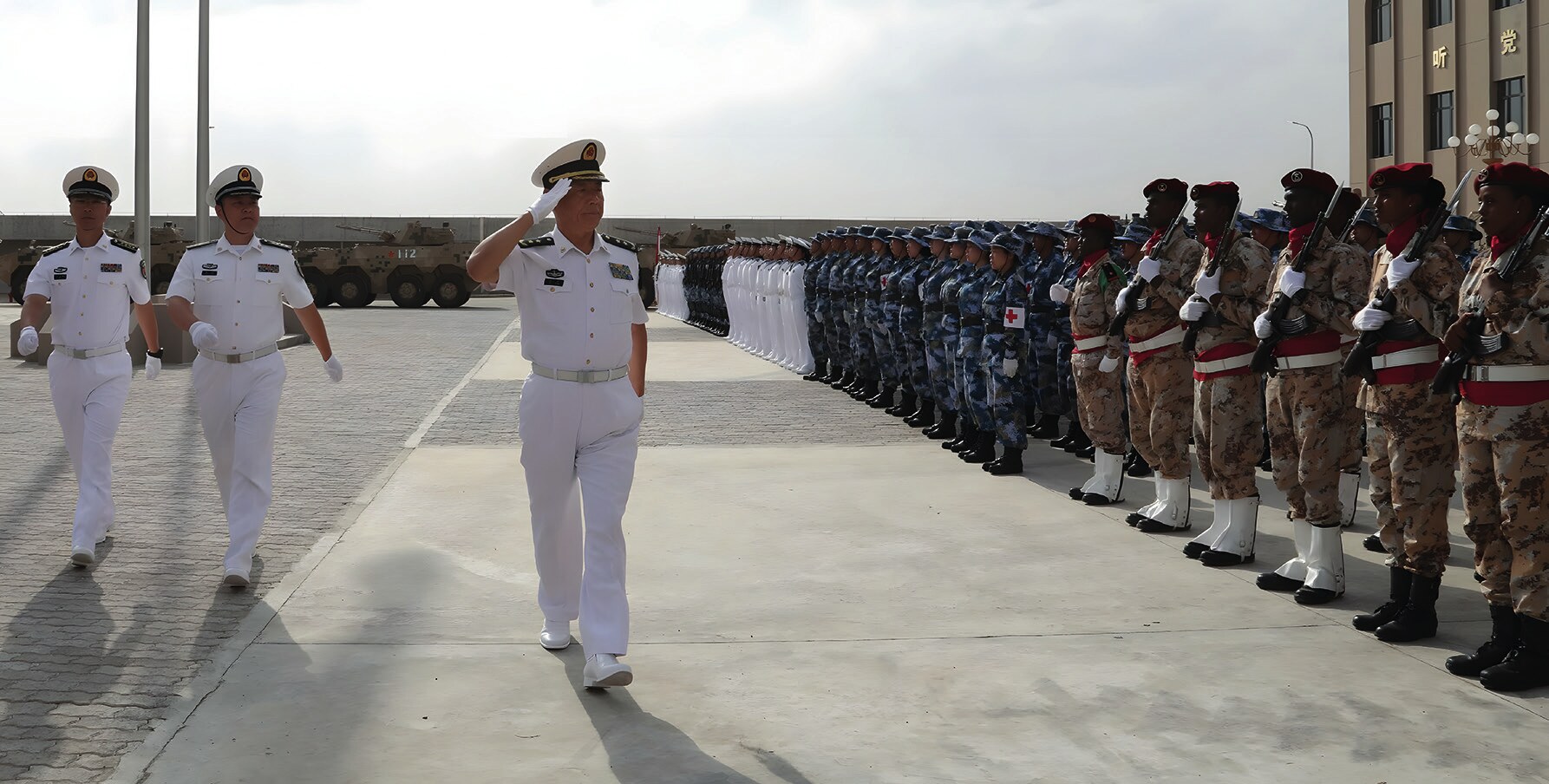
In the last few years, China’s engagement in Africa upgraded to military and security issues. In addition to selling arms, Beijing sent troops in the framework of the United Nations peacekeeping operations in Africa. Most importantly, it started to mark its military presence in this continent by installing a military base in Djibouti, alongside US and French military posts, and participating in joint operations with some countries of the Horn of Africa in fighting piracy in the Indian Ocean.
China aptly rejected criticisms from US officials and academics, which described China’s presence in Africa as a “disguised imperialism,” or a means to plunder its resources and a way to fill the gap left by the United States in the African continent (Iratni, 2018Iratni, B. (2018). Out of Africa: A steady American disengagement. The Journal of American-African Studies, No 1. pp. 184-197.). Other critics of China contented that this country sought to replace democracy and liberalism in Africa with authoritarian rule and a kind of “illiberalism.”
In its ‘US Africa Strategy’ announced in August 2022, US President Binder stated that China views Africa as an “important arena to challenge the rules-based international order, advance its own narrow commercial and geopolitical interests, undermine transparency and openness, and weaken U.S. relations with African peoples and governments”(Sheehy, 2022Sheehy, P. T. (2022). 10 Things to Know about the U.S.-China Rivalry in Africa. Retrieved March 10, 2024 from).
Many years ago, Graham Allison an American prominent political scientist, warned that US-China rivalry resembled the trap of Thucydides in which the famous Greek philosopher referred to the conflict between Athens and Sparta in the 5th century BC, due to Athens’s ‘imperialism’ and the fear of domination felt by its rival Sparta (Allison, 2019Allison G. (2019). Vers la guerre: L’Amérique et la Chine dans le piège de Thucydide?. Paris: Odile Jacob.).
Not only has China proved a serious contender to US economic ascendancy, as highlighted by the fierce clash over trade issues, but has emerged, also, as a spoiler to the world order forged by Washington since the Bretton Woods Agreements.
COVID-19 gave China a viable opportunity to be at the forefront of the battle against the disastrous effects of this virus through helping many African countries that lacked hygienic masks, vaccines, drugs, and medical devices. African countries highly praised Chinese assistance, through many messages (Xinhua, 2020Xinhua. (2020). African party leaders praise China-Africa traditional friendship, cooperation in COVID-19 fight. Retrieved March 13, 2024 from). Such a dynamic activism took on a higher significance in the light of the Ukraine-Russia war. Indeed, this war provided China with an impetus to fulfill its desire to lead a pole of powerful countries in an attempt to construct alternate global institutions to challenge the Western world’s hegemony over the world’s economy.
China tried to show an autonomous stance by refraining from voting against Russia’s intervention in Ukraine during the United Nations vote in March 2022 and from taking economic sanctions on the Euro-Asian power. This posture appealed to the feeling shared by African public opinion, which regarded the Western countries’ response to the war in Ukraine as a double standard when compared to US intervention in Iraq, and Afghanistan or to ‘Israel’s’ aggressions against Palestinians in Gaza.
A significant turn appeared when President Xi Jinping visited Moscow in March 2023 and when China broke an unexpected détente between two countries regarded by the United States as hostile (Iran) or becoming less friendly (Saudi Arabia). Would the Iran-Saudi deal result in a new geostrategic configuration of the Asia-Middle East region? Would Russia join a Chinese-led pole distinct from the Western axis? Would this new coalition work for a new financial system, and compensation mechanisms to replace, if not, compete with those dominated by the United States? It may be precocious to answer these questions with perspicacity, but what seems plausible is that a new world balance of power is on the way. From this perspective, China’s long-standing working relationship with Africa would not have been in vain.
This paper attempts to analyze China relations with Africa through the objectives pursued by the Asian country to achieve its grand design, which consists of upgrading to world status, without however, nourishing hegemonic temptations, as stated by the Chinese rhetoric. It encompasses three distinctive but intrinsically linked parts: -The first part delves into scrutinizing China’s grand design to become a world power, and alter the Western-dominated international system through an ambitious development strategy and active multilateral cooperation, - The second part assesses the nature of the relations China enjoyed with the African continent through two interconnected parameters: the search for raw materials, and foreign market outlets, on the one hand, and the participation in the security concerns of Africa to complete its status as a leading global player, on the other, - The third part pertains to the efforts displayed by China to take substantial advantage of the incidences induced by the Ukraine-Russia war, mainly in Africa, a promising continent that remains Beijing’s privileged partner for historic reasons, moral commitments, and mutual benefits.
China’s World Vision: Beyond Conventional Stereotypes
China’s historic evolution stands as unique and paradoxical as it came from civilized empires in the past, to a poor country in modern times, and to a major world power since the beginning of the new millennium. The sequential process this country underwent consisted of strengthening its economic and military capabilities to reach a better international system. In this adventure, China looks towards Africa, with which it shares a many features.
Alluding perhaps to the United States, a Chinese diplomatic release stated, “A certain big power is reviving the Cold War mentality and stoking confrontation between blocs. It wilfully undermines international rule of law and stirs up antagonism. It gets zealous about decoupling and building walls, and glorifies hegemony and bullying” (Chinese Embassy in Ethiopia, n.d). From the outset, China’s involvement in world affairs was meant to stand utterly different from the United States’ external behavior by building up a strong momentum for the rise “of developing countries” and the implementation of a more balanced world landscape.
Before claiming international status and calling for a new world order, China had gone a long way to strengthening its economic and military capabilities. Three decades ago,” China’s annual economic output was about $ 433 billion in current dollar terms, making its economy roughly the size of the national outcomes of Austria or South Africa today. It is now comfortably “the second-biggest economy in the world, with a gross domestic product of $ 17.7 trillion and the single biggest contributor to global GDP growth” (Xinhua, 2024Xinhua. (2018). China’s “five-no” approach demonstrates real friendship toward Africa: Kenyan analyst. Retrieved March 18, 2024 from).
After succeeding in achieving bold economic and social reforms internally, China attempted to reshape the global order, according to the resolution of the Chinese Communist Party taken at the June 2018 Central Foreign Affairs Work Conference (Xinhua, 2018aXinhua. (2018). China’s “five-no” approach demonstrates real friendship toward Africa: Kenyan analyst. Retrieved March 18, 2024 from).
According to a political analyst, China’s world ambitions were justified by the mentality of being the Middle Kingdom with the natural right to rule the world (Weismann, 2015Weismann, M. (2015). Chinese Foreign Policy in a Global Perspective: A Responsible Reformer “Striving For Achievement”. Retrieved February 20, 2024 from Journal of China and International Relations,Vol.3,No1,2015,151-166). These national beliefs sprung from the kind of “exceptionalism” of the Chinese nation boasted by the Chinese leaders. President Xi Jinping once asserted that: “several thousand years ago, the Chinese nation trod a path that was different from other nations’ culture and development”(Rolland, 2020Rolland, N. (2020). China’s Vision for a New World Order, NBR Special Report No. 83. National Bureau of Asian Research.).
The grandiloquence of the Chinese rhetoric stems from the glorification of the history of China as a great empire, Confucius’s teachings of harmony, and the egalitarian values exalted by the socialist mode of development well mixed with the social virtues of a market economy.
China considers itself a developing country by moral virtue and intrinsic feelings, and the Chinese leaders believe that their country remains a part of the developing world even if it has evolved into a great world power. In the September 2013 meeting of the G-77, Chinese Foreign Minister, Wang Yi stated that “Even when China becomes stronger and more prosperous, it will remain a staunch member of the developing world because China and fellow developing countries have similar pasts, common development tasks, and ever-expanding shared strategic interests” (Wang Yi, 2013Wang, Y. (2013). Remarks delivered at Foreign Ministers Meeting of G-77. Retrieved February 10, 2024 from).
Besides the search for international status, Chinese rhetoric developed a sophisticated diatribe against the Western-dominated international system through the rejection of the universality of liberal democratic values. In parallel to its assertiveness as a world major power, China does not aim to eradicate the mechanisms of the international system as forged by the Western world since the end of World War II. It attempts, rather, to remodel them to reach fairer global governance that would benefit chiefly the developing countries, under its “guidance and wisdom,” according to Chinese rhetoric.
The nature of the international system has not changed profoundly with regard to global governance, despite China’s growing power, the rise of Russia in the international scene, the emergence of a multitude of medium and high -range income countries, and the decline of the Western world. Instead, it has increased inequalities between nations and maintained the great bulk of the world population in a state of economic backwardness and dependency. In a speech addressed to Davos World Economic Forum in 2017, President Xi Jinping observed that: “the global economic landscape has changed profoundly in the past few decades. However, the global governance system has not embraced those new changes and is therefore inadequate in terms of representation and inclusiveness,” (US-China Institute, 2017US-China Institute. (2017). Xi jimping World Economic Forum. Retrieved February 15, 2024 from).
Chinese leaders displayed substantial efforts to dissipate the fears related to the threat their rising country may represent to world peace and stability. Indeed, for a long time, the” yellow peril” has overshadowed China’s world ascension and brought doubt to its design to work for alternate world structures and mechanisms, as perceived in the Western world.
To alleviate these distorted views on China’s world ambitions, President Xi Jinping, declared during a visit to Washington in 2015 that China is “a participant, builder, contributor, and beneficiary of the current international system. Reforming and improving the current international system does not mean starting from scratch but rather promoting its development in a more just and reasonable direction”(MFA/PRC, 2015MFA/PRC. (2015). Interview of President Xi Jimping to the Wall Street Journal. Retrieved March 20, 2024 from).
China has created alternate financial organisms like the Asian Infrastructure Bank (AIB), and contributed in setting up a new Development Bank (NDB), seen as the Bank of the BRICS and a competitor for the International Monetary Fund (IMF), in order to reinforce its influence on the international scene and pave the way to a fairer global system.
However, China’s most resounding international project consisted of the launch of the Belt Road Initiative (BRI).This policy, duplicating the ancient “silk road,” aimed at establishing a transport corridor from the Pacific Ocean to the Baltic Sea, and a “Maritime Silk Road” from China to India, Africa, and the Mediterranean. This gigantic project, incepted in the pure line of the spirit of past Chinese empires, constitutes the linchpin of Xi Jinping’s foreign policy.
China has entertained African countries with a long-lasting special relationship that dates back to the period when many of them were experiencing a dark and oppressive colonial yoke (Bentebbibel, 2016Bentebbibel (2016). The source article does not provide a separate full bibliographic entry for this citation.). From the late 1950s on, China provided strong support for the African liberation movements to achieve decolonization. It was among the first countries in the world to recognize the Algerian Provisional Government in 1960 and the largest provider of arms to Algerian freedom fighters (Debeche, 1987Debeche, S. (1987). The role of China in international relations: the impact of ideology on foreign policy with special reference to Sino-African relations (19491986), PhD thesis. University of York.).
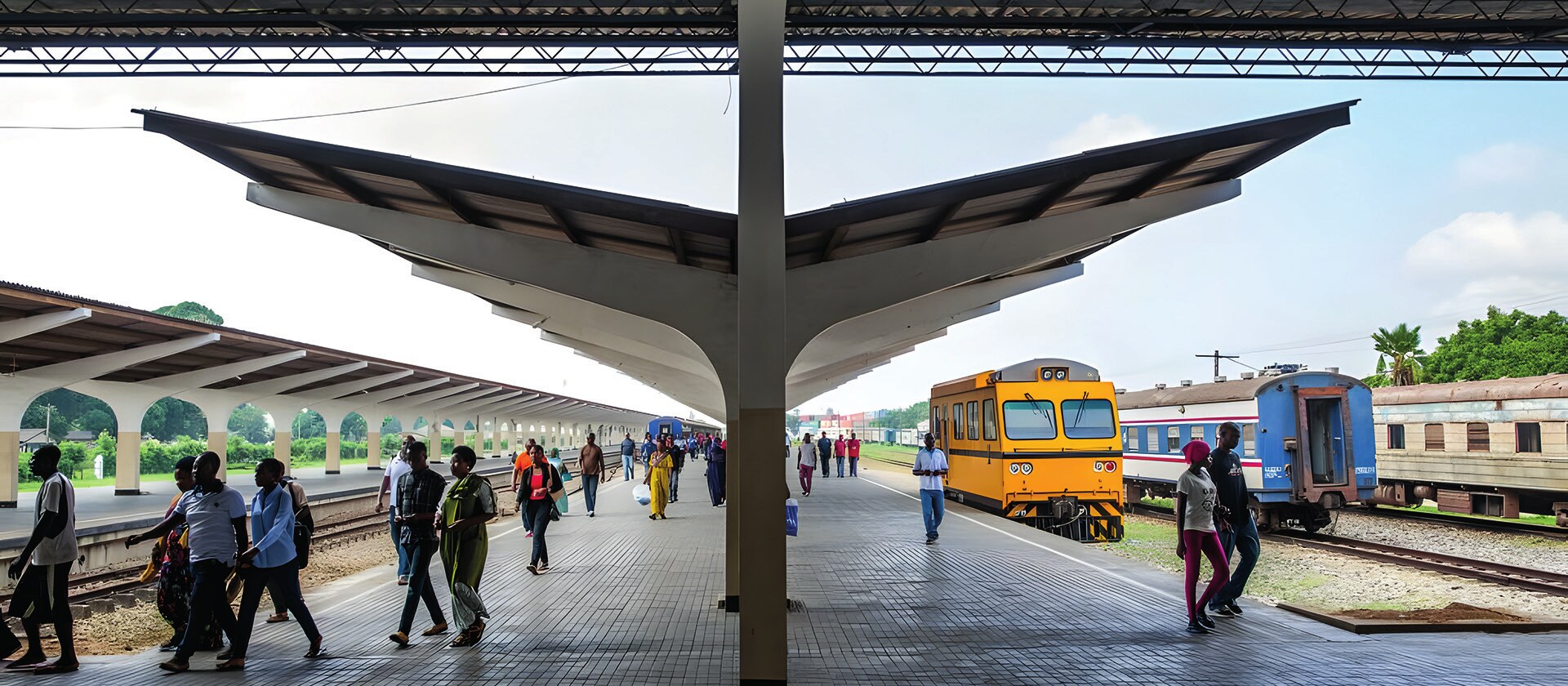
After the political emancipation of the African continent in the early 1960s, China moved to cultivate friendly relations with many African countries and began to share with them their weals and woes. Such links never flat line, despite the limited economic capabilities of China and the vicissitudes of East-West confrontation, in which African countries were entangled. For the two decades stretching from the mid-1950s to the mid-1970s, China provided aid to African countries that amounted to $2.5 billion, sent tens of thousands of engineers, doctors, and technicians to assist these countries, and completed huge infrastructure projects such as the 1860-km long Tanzania-Zambia railway (China Policy in Focus, n.d).
China’s relations with Africa waned considerably, because Beijing became heavily involved in implementing important reforms in the late 1970s and was diplomatically isolated because of the Tiananmen Square protest in 1989.
However, as China emerged as a global power in the international arena, Africa became highly useful in Beijing’s modernization ambitions and grand design, aiming to challenge Western supremacy and support the economic progress of the developing world. This interest in Africa became tangible with the visits President Jiang Zemin paid to Ethiopia, Kenya, Egypt, Mali, Namibia, and Zimbabwe in May 1996. In a keynote speech entitled “Toward a New Historical Milestone of Sino-African Friendship,” he presented a 21-point proposal to enhance China-Africa cooperation in the long term and strengthen friendship, five of which were to become the pillars of Chinese African policy: -to foster a sincere friendship between the two sides and become each other’s reliable “all-weather friends,”
-to treat each other as equals, respect each other’s sovereignty, and refrain from interfering in each other’s internal affairs, -to seek common development based on mutual benefit, -to enhance consultation and cooperation in international affairs, and, -to look into the future and create a more splendid world (MFA/PRC, 1996MFA/PRC. (1996). The Foreign Ministry of the Chinese People’s Republic, President Jian Zeming to six African countries. Retrieved March 20, 2024 from)
President Zemin’s long-term programme to promote the development of Africa began to evolve with the setting up of the Forum for China-Africa Cooperation (FOCAC) in Beijing in 2000. Since then, China has been holding such a forum every three years.
Sino-African trade rose from $10.5 billion at the start of the new millennium to a record $106.8 billion in 2008, and China became the second most important trade partner of Africa (China Policy in Focus, 2024China Policy in Focus. The History of Sino-Africa Relations. Retrieved February 10, 2024 from).
The Sino-African honeymoon received a boost when President Xi Jinping presented his doctrine, or “China Dream,” based on national rejuvenation, prosperity and whose implementation necessitated the recourse to African peoples. He disclosed the contents of this dream during a speech in Tanzania in March 2013: “The Chinese people are currently committed to realizing the Chinese dream of the great rejuvenation of the Chinese nation, while African people are striving for the African dream of self-development through unity, and growth.
People in China and Africa should strengthen unity, cooperation, and support and help each other to make their respective dreams come true. At the same time, they should also work with the international community to push for the realization of the world dream of lasting peace and common prosperity, so that we can make greater contributions to the peace and development of mankind.” (Foster, 2009Foster,V., Butterfield, W., Chen, C. (2009). Building Bridges China’s Growing Role as Infrastructure Financier for Sub-Saharan Africa, Trends and Policy Options. Retrieved March 5, 2024 from).
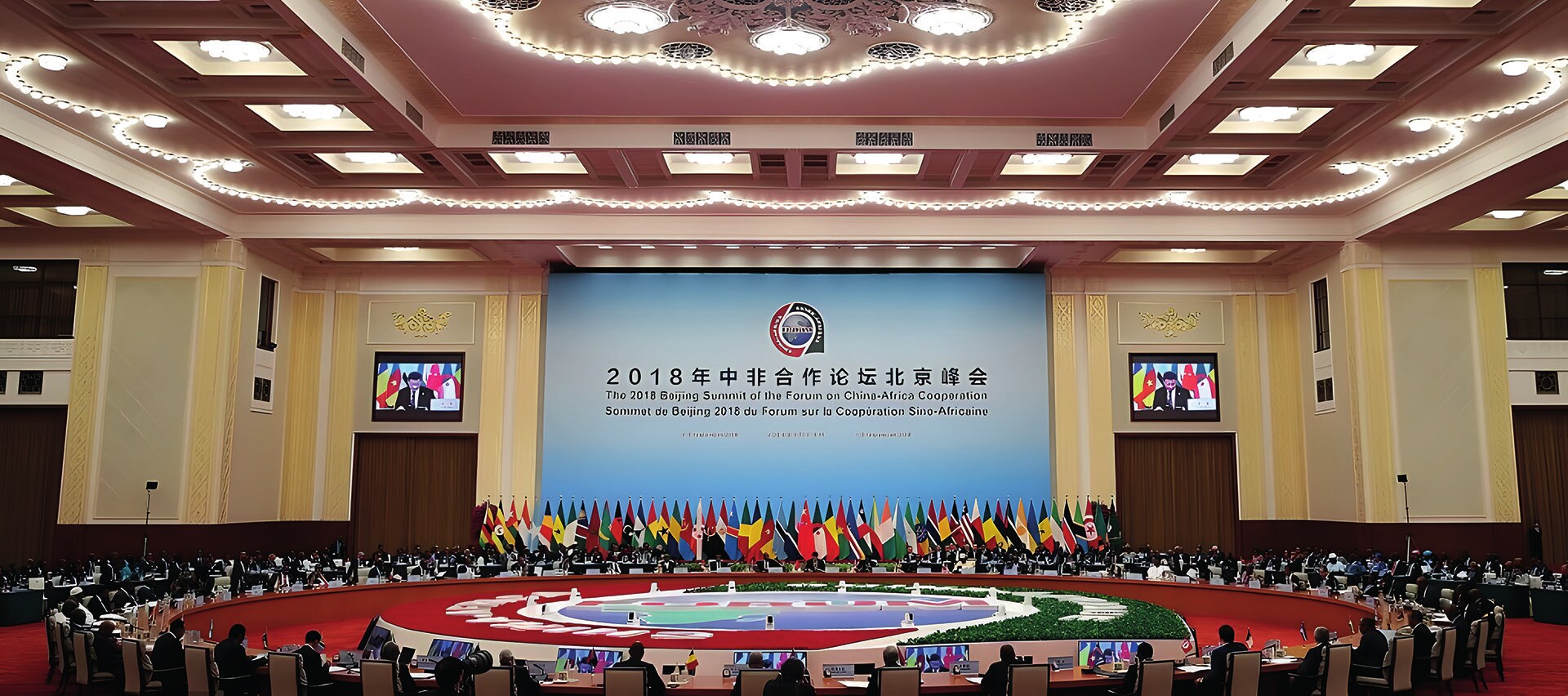
In practice, President Xi Jing became personally involved in articulating China’s policy toward Africa as he toured Africa in March 2013, his first official visit abroad since rising to power. However, his fingerprint on China’s partnership with Africa appeared with great emphasis with the convening of the 2018 FOCAC in Beijing and the Extraordinary China-Africa Summit on solidarity against COVID 19. During this FOCAC, he displayed a “five-no-approach” to his country’s relationship with Africa: -no interference in African countries’ pursuit of development paths -no interference in the internal affairs of African countries; -no imposition of our will on African countries; -no attachment of political strings to assistance to Africa and; -no seeking of selfish political gains in investment and financing cooperation with Africa.
As it appears, China declares its commitment not to meddle in African domestic affairs, not to attach conditions to its cooperation with Africa, and not to expect cupid interests in return (Xinhua, 2018bXinhua. (2018). China’s “five-no” approach demonstrates real friendship toward Africa: Kenyan analyst. Retrieved March 18, 2024 from). This Chinese approach appealed greatly to African leaders.
President Xi Jinping went on to put forward proposals on building a China-Africa community of a shared future, marked by sincerity, good faith, shared interests, joint responsibility, win-win cooperation, common security, and happiness for all.
Amid these feelings of mutual understanding and sincere friendship, China moved to view Africa as an essential partner to implement a common development, regarded as the prerequisite for a better world, and fulfil its global design. Therefore, China set up the Forum of China-Africa Cooperation Dakar Action Plan (2022China Embassy in Ethiopia. Retrieved February 10, 2024 from-2024China Policy in Focus. The History of Sino-Africa Relations. Retrieved February 10, 2024 from) and forged a privileged and strategic partnership with South Africa. It succeeded in gaining African endorsement for its Global Development Initiative (GDI) and Global Security Initiative (GSI), which include non-interference in internal affairs, opposition to unilateral sanctions, and ‘indivisible security,’ meaning that China’s security cannot be delinked from the security of its partners (Nantulya, 2023Nantulya, P. (2023). Africa’s Role in China’s Multilateralism Strategy. Retrieved March 15, 2024 from).
China counted on the diplomatic support of the African countries that hold the largest bloc within the United Nations General Assembly in its efforts to ensure its credibility and redesign global governance and structures. African countries have subscribed to the ‘One China Policy’ except for Eswatini, which continues to recognize Taiwan, and no African country has backed the draft statements criticizing Chinese policies in Xinjiang, Tibet, and Hong Kong during the different UN debates occurring in 2019-2022. Furthermore, a project resolution condemning alleged violations of human rights by China in the Muslim region of Xinjiang was defeated thanks to the African vote during UN High Commission for Refugees debates that took place in October 2022 (Nantulya, 2023Nantulya, P. (2023). Africa’s Role in China’s Multilateralism Strategy. Retrieved March 15, 2024 from).
Chinese Security-development Nexus in an African Context
The Chinese leaders emphasized the dialectical equation between development tasks and security issues in their arduous search to empower their country both internally and on the world stage. They attempted to translate this equation into the relationship they have established with Africa, a continent close to their perceptions of the outer world, with relative success.
No other country comes near the depth and breadth of China’s engagement in Africa. It is Africa’s largest trading partner, a bilateral creditor, and a crucial source of infrastructure investment. Chinese firms account for an estimated one-eighth of the continent’s industrial output (The Economist, 2022The Economist. (2022). The Chinese-African relationship is important to both sides, but also unbalanced. Retrieved March 8, 2024 from).
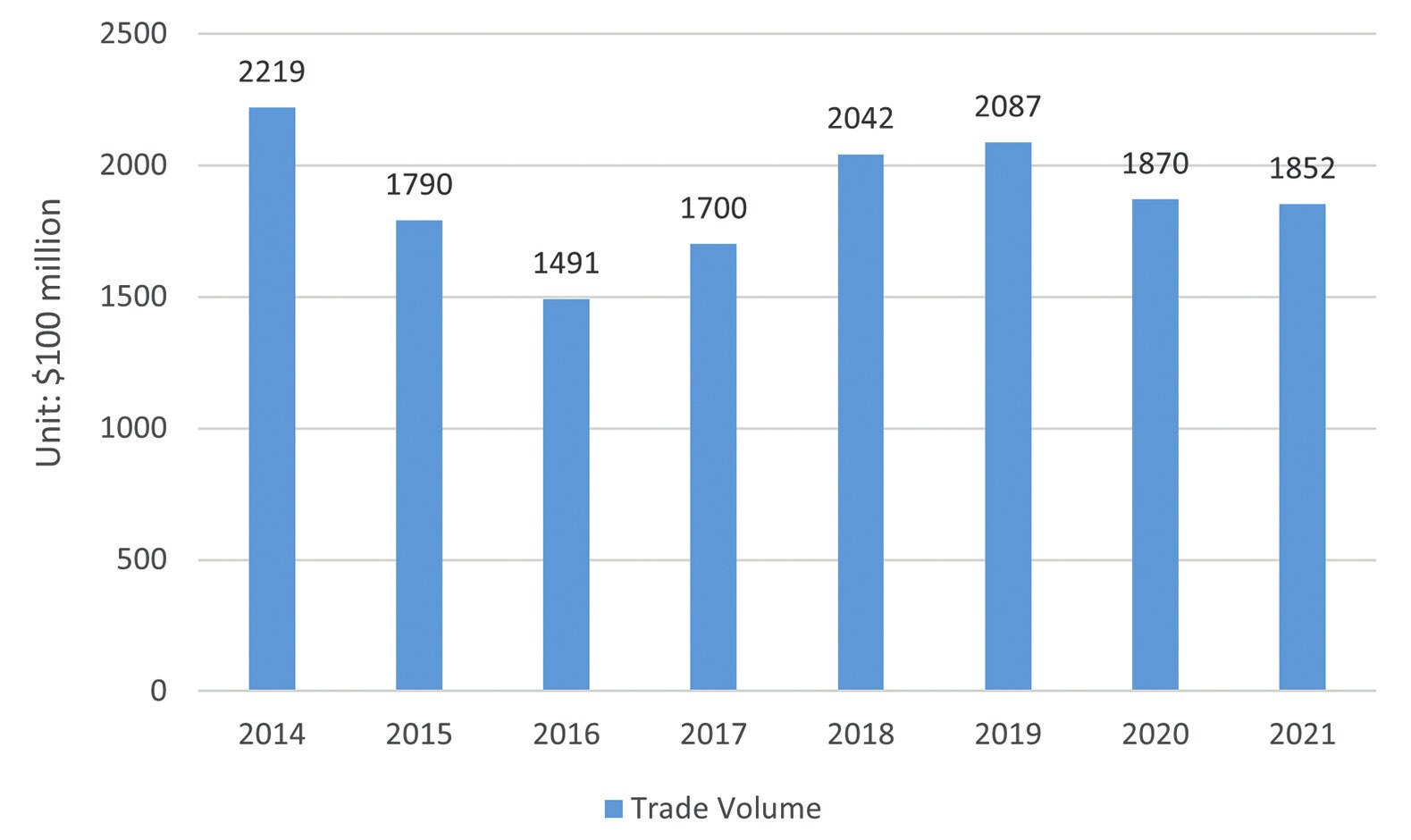
From the start of the new Millennium, which saw China embarking upon an ambitious development program, trade with the African continent steadily increased as shown in Figure1.
China’s trade with Africa was limited in the 1990s. It started to increase to around $19 billion in 2005 (Stein, Uddhammar, 2023Stein, Uddhammar (2023). The source article does not provide a separate full bibliographic entry for this citation.), and in 2009, China overtook the United States as Africa’s largest bilateral trading partner.
China’s commercial exchanges with Africa was a little over $185 billion in 2021, as shown in Figure 1. The volume of trade between the two partners reached a record high of $ 284 in 2022 and China’s exports to Africa increased by 11.2% to $164.49 billion, while its imports from this region reached $108 billion, for the same period (Nyabiage, 2023Nyabiage, J. (2023). China arms sales cement its economic and security ties in Africa. Retrieved March 12, 2024 from).
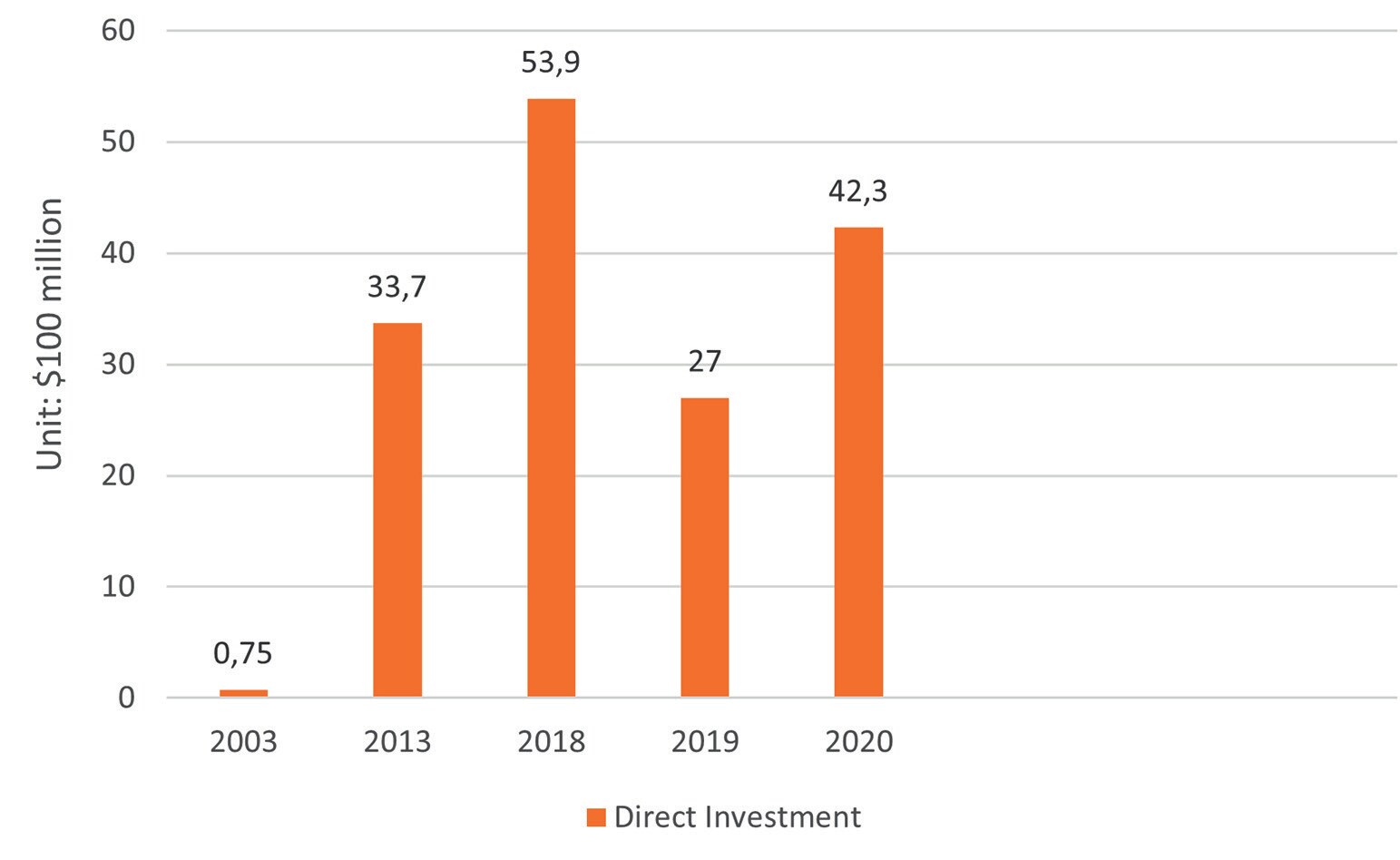
Africa still badly needs direct investments to set up basic infrastructure, sound utilities, transport facilities, and transforming industries because Africa remains a poor continent with less than 3% of the world trade, despite its abundant natural resources. According to a Chinese diplomatic statement, China’s total investments in Africa over 2016-2020, reached $200 billion, while direct investment by Chinese companies in Africa neared $42.3 billion by the end of 2020, as shown in Figure 2.
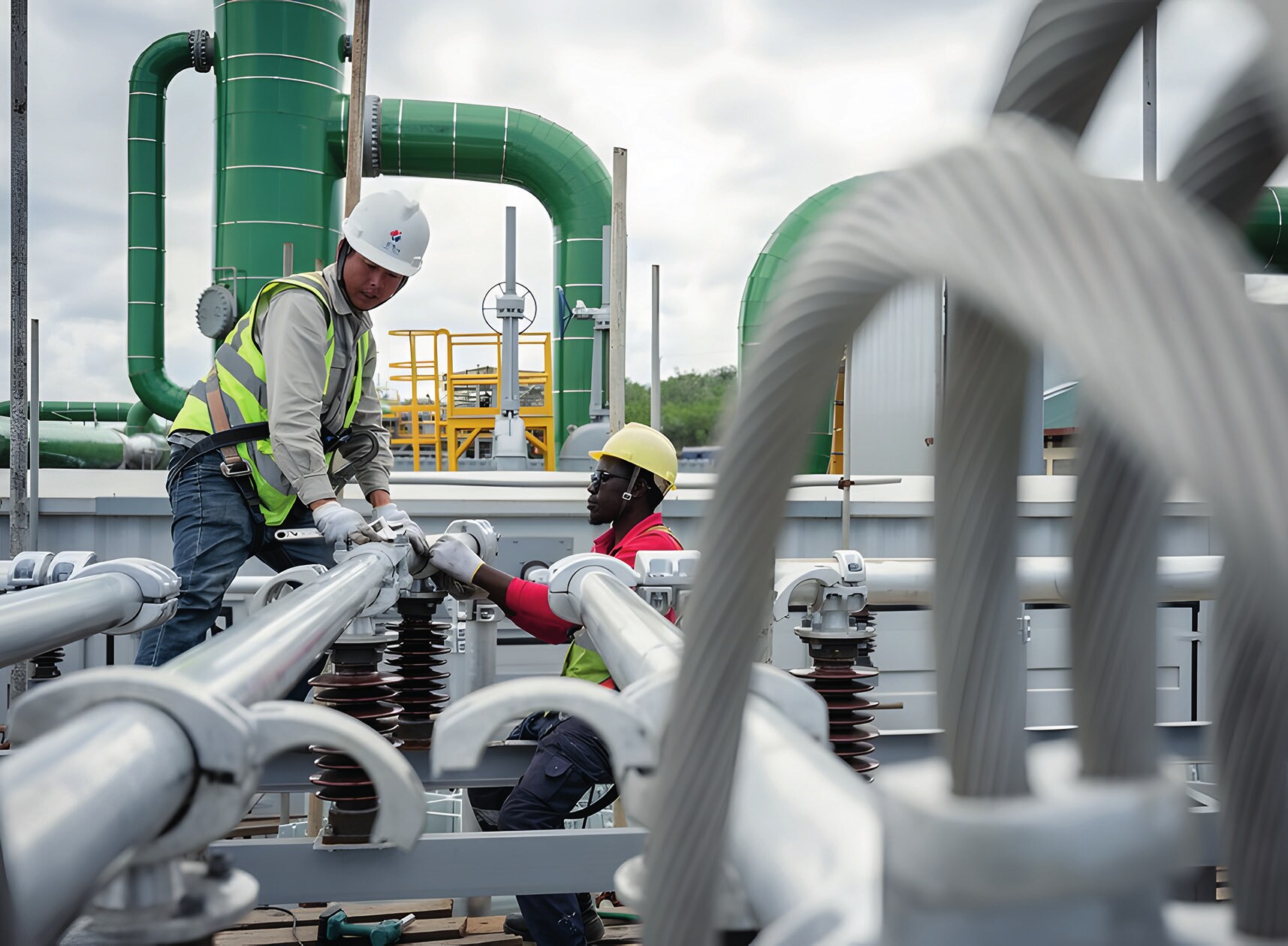
China responded favorably to Africa’s expectations to develop infrastructure and the industrial sector. From 2000 to 2020, China helped African countries build more than 13,000 km of roads and railways and more than 80 large-scale power facilities, and funded over 130 medical facilities, 45 sports venues, and over 170 schools. It also trained more than 160,000 personnel for Africa and built a series of flagship projects, including the AU Conference Centre (MFA/PRC, 2021MFA/PRC. (2021). Ministry of Foreign Affairs of the People’s Republic of China, The State Council Information Office of the People’s Republic of China, China and Africa in the New Era: A Partnership of Equals. Retrieved March 20, 2024 from).
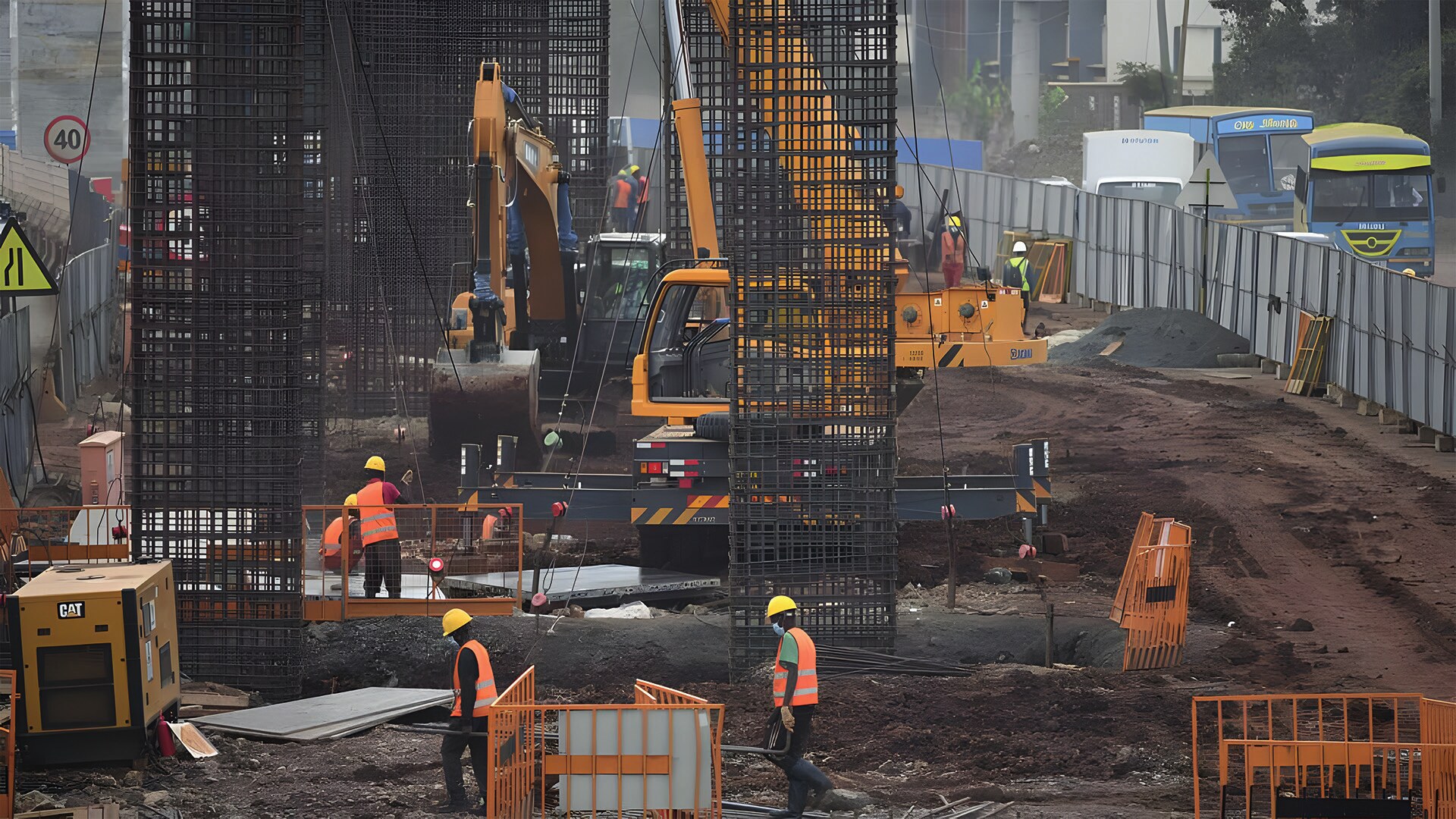
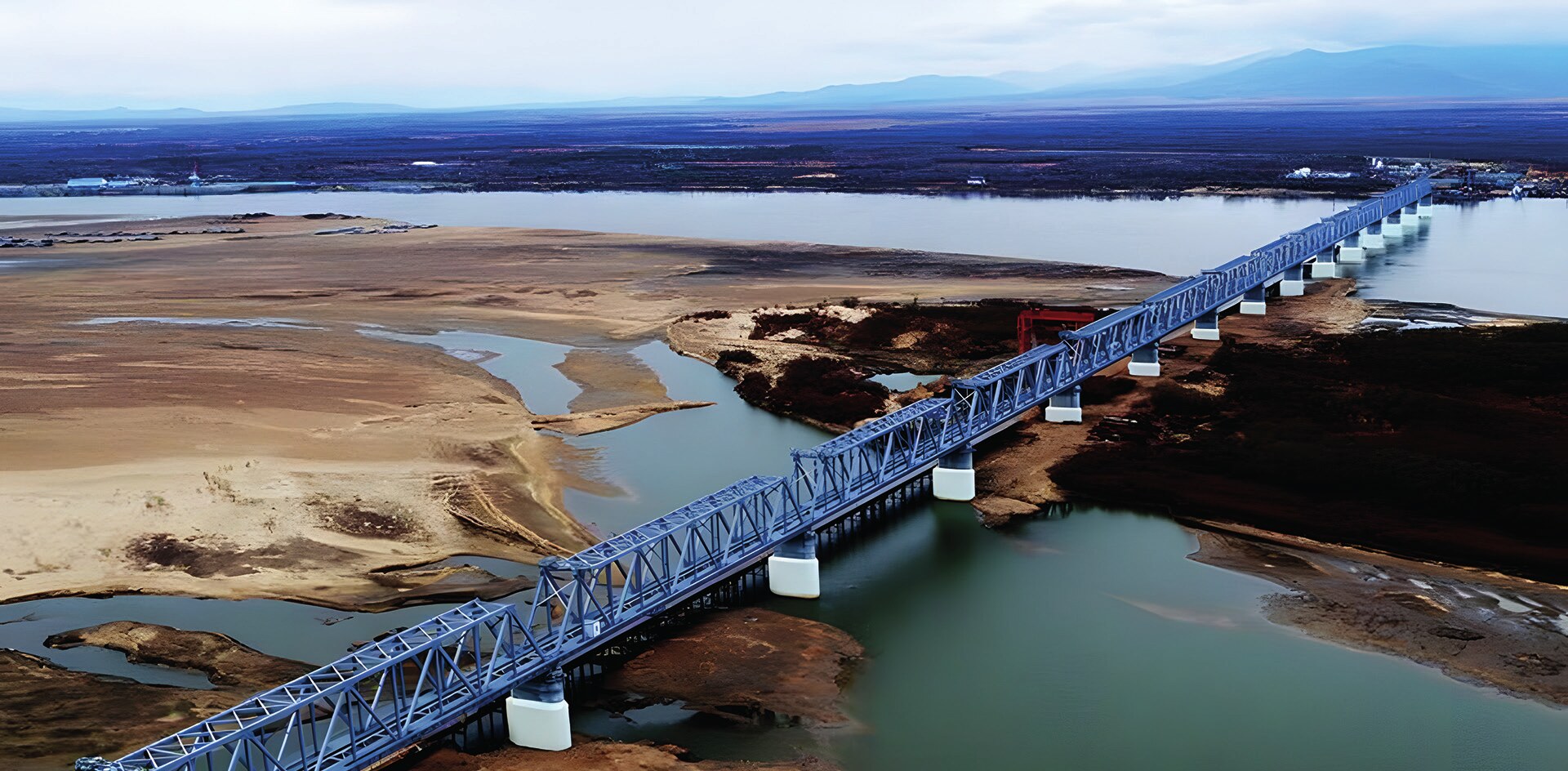
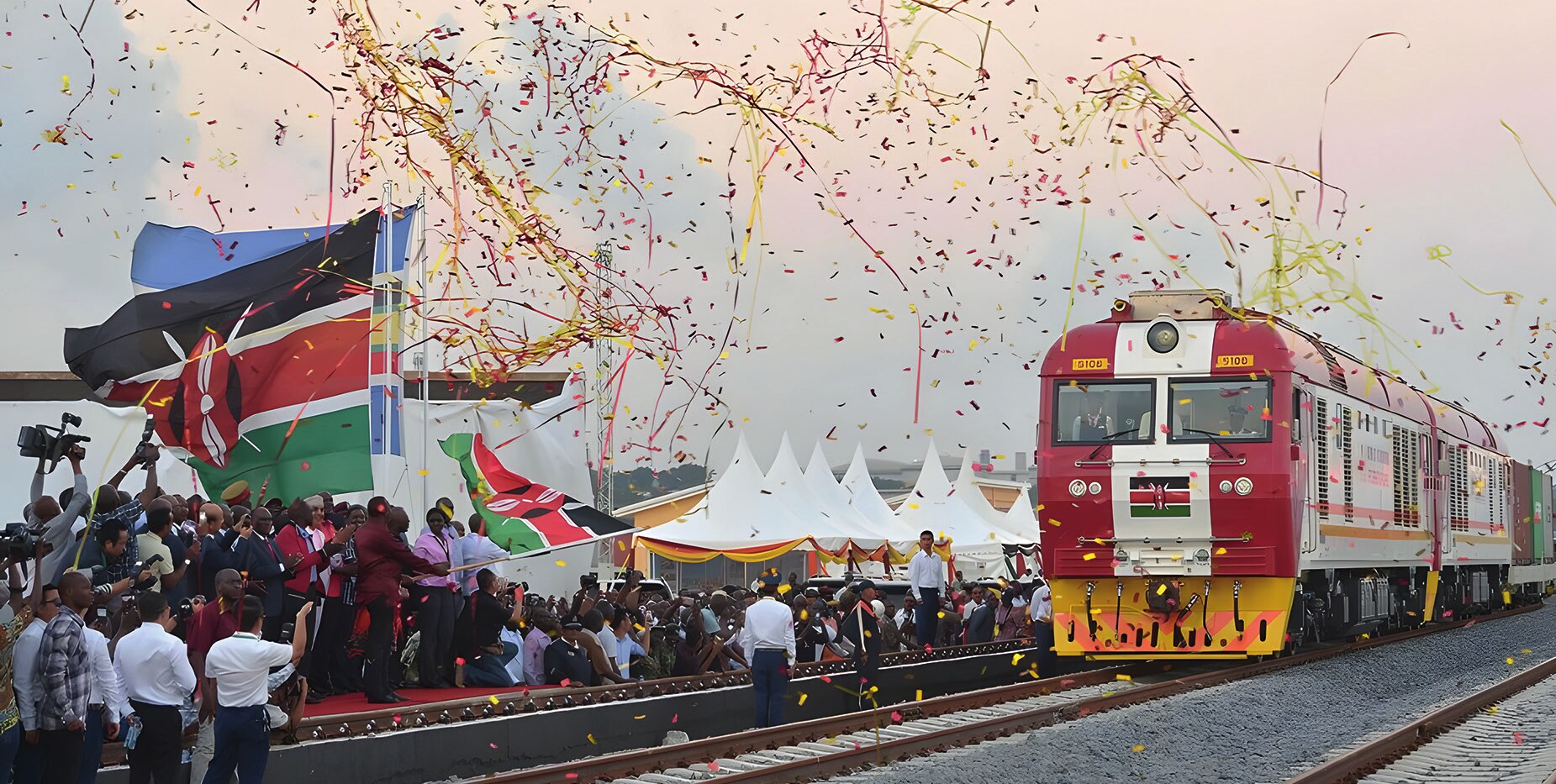
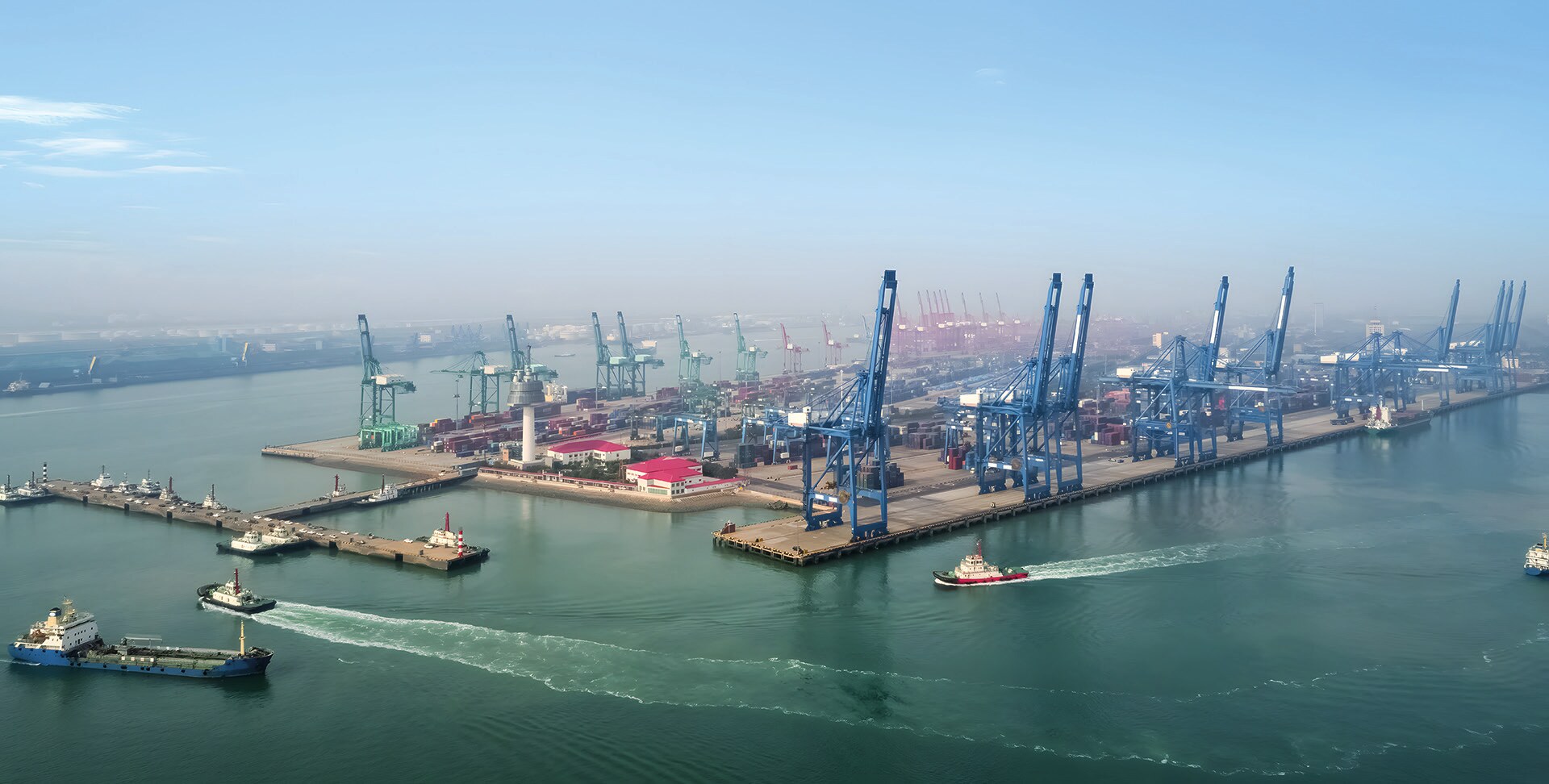
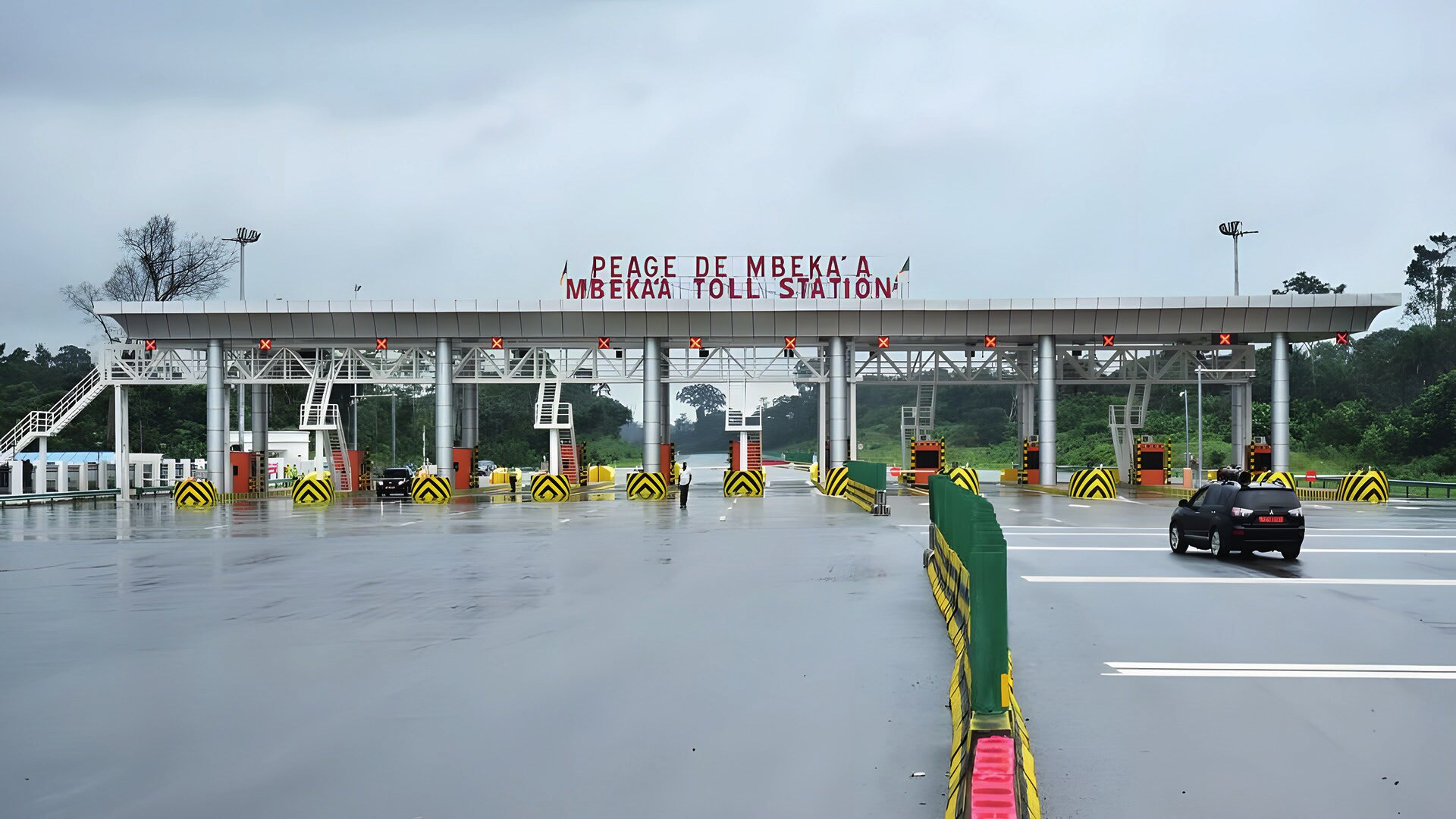
The Asian power has completed several ports in Africa, the latest, a deep-water port expected to be the largest in Africa is under construction near Algiers. The initial cost of this project amounted to around $3 billion. A Chinese loan covered a part of the expenditures of this project in the framework of BRI. In addition, the most important projects China has undertaken in Africa in the domain of infrastructure and transport since mid-2010s have been the East-West Highway in Algeria, the Foundiougne Bridge in Senegal, the Kribi-Lolabe Highway in Cameroon, the Nairobi Expressway, the first electric railway in Egypt, and the Mombasa-Nairobi Railways, built and operated with Chinese standards, technologies, and equipment.
Energy supplies from Africa are not vital to Chinese economy, and China intends to escape the maritime control of the United States, especially over the Strait of Malacca. It remains, however, that Africa is of strategic interest as an international development field for Chinese oil companies, which seek to become global players and compete with the biggest international oil majors (Enerdata).
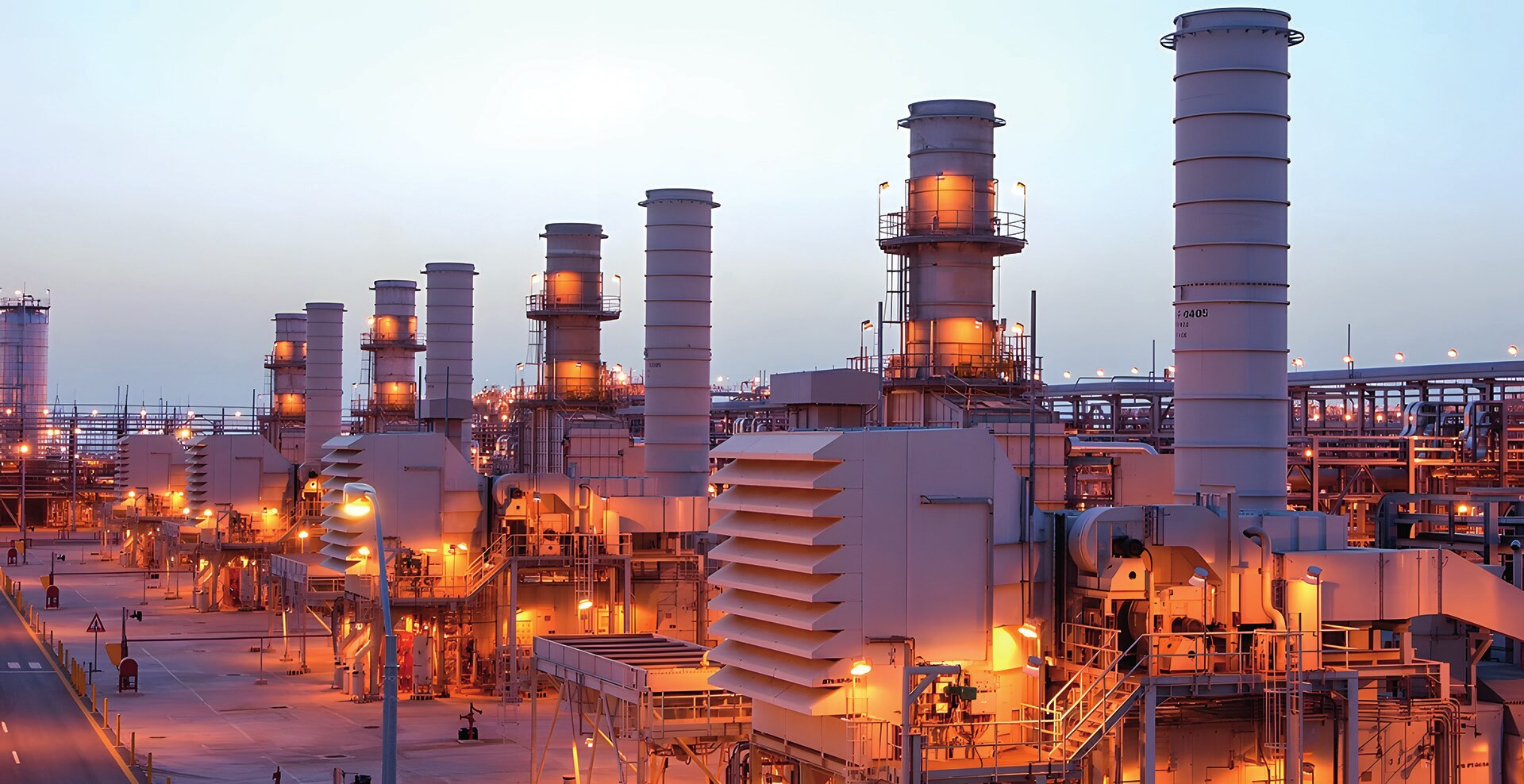
China did not refrain from heavily investing in Africa’s hydrocarbon sector because Africa constitutes the largest region to provide oil and gas to China after the Middle East with a share amounting to 25% of China’s total energy imports. Around two-thirds of Chinese spending in African upstream went to Nigeria, Angola, Uganda, and Mozambique, and the Chinese State oil company (CNOOC) has taken a majority stake in a project to drill for oil off West Africa’s Guinea Bissau and some shares in the Rovuma LNG project in Mozambique. Other Chinese oil companies, such as CNCP, are building a 1.980km pipeline from the Agadem oil field in Niger to the port of Seme in Benin (Africa oil week) and Sinopec Overseas oil and gas company Limited has struck a $490 million deal with the Algerian oil company, Sonatrach in May 2022 to explore in the Saharan Zarzaitine region (FOCAC).
In the agrarian sector, China invested $1.11 billion in 35 African countries by the end of 2020, and 7.556 Africans have received agricultural training in China since 2012 (MFA, 2021MFA/PRC. (2021). Ministry of Foreign Affairs of the People’s Republic of China, The State Council Information Office of the People’s Republic of China, China and Africa in the New Era: A Partnership of Equals. Retrieved March 20, 2024 from).In the medical sector, China has sent 23.000 medical team technicians over the past 60 years, while 1.000 Chinese medical staff were working in 45 African countries (et). During the COVID-19 pandemic, China has provided 18 million doses of vaccines to 27 African countries, and setup with African countries a joint production of vaccines amounting to 400 million doses annually (Wang Yi, 2018Wang Yi (2018). The source article does not provide a separate full bibliographic entry for this citation.).
In the cultural and media sectors, China established a China-Africa Institute in Beijing, helped more than 30 African universities set up Chinese language departments, and sent a total of 5,500 Chinese language teachers and volunteers to 48 African nations since 2004. Concerning media cooperation, 45 African countries signed the framework of BRI, a broadcasting project that aims to build trade and infrastructure networks connecting Asia with Europe and Africa (Africa News). In addition, thirty African media outlets have joined the BRI News Alliance in the “People-to-People and Cultural Exchanges,” and 42 African countries have participated in the BRI Media Community Summit Forum (MFA/PRC, 2021MFA/PRC. (2021). Ministry of Foreign Affairs of the People’s Republic of China, The State Council Information Office of the People’s Republic of China, China and Africa in the New Era: A Partnership of Equals. Retrieved March 20, 2024 from).
The second element of the Chinese Security-Development Nexus translated to African Space consisted of the growing Chinese ambitions to become a major military power in the world, not only to protect its territorial integrity but also to participate in ensuring a safe and stable international environment. In this context, security issues in Africa became part of China’s worries, and concerns.
Territorially fragmented for a long-time and located in a highly troubled region that encompasses rival nuclear powers, economic competing giants, and foreign military bases, China feels as insecure as the African continent. Therefore, China continued to expand exchanges and hold dialogues with African countries in the field of peace and security. At the FOCAC Beijing Summit in September 2018, President Xi Jinping launched the China-Africa peace and security initiative and decided to set up a China-Africa Peace and Security Fund to increase African capacity building. Beijing provided financial aid to the African Union’s military operations, and to the G5 to fight terrorism in the Sahel-Sahara region, (MFA/ PRC, 2021MFA/PRC. (2021). Ministry of Foreign Affairs of the People’s Republic of China, The State Council Information Office of the People’s Republic of China, China and Africa in the New Era: A Partnership of Equals. Retrieved March 20, 2024 from). China sent over 30,000 Chinese peacekeepers to Africa in the past, to perform tasks in 17 peacekeeping mission areas, and more than 1,800 peacekeepers are currently performing missions in five of these areas, a fact indicating that among the permanent members of the UN Security Council, China has sent the largest number of peacekeepers to the African continent (MFA/PRC, 2021MFA/PRC. (2021). Ministry of Foreign Affairs of the People’s Republic of China, The State Council Information Office of the People’s Republic of China, China and Africa in the New Era: A Partnership of Equals. Retrieved March 20, 2024 from).
China’s growing military stakes in Africa became more tangible, and decisive with the increasing efforts to expand and modernize naval capabilities to better defend the Chinese borders, control naval routes, facilitate the transport of Chinese goods, and secure the channelling of energy supplies.
A part of the fulfilment of these objectives rested on the necessity to acquire naval bases and access to port facilities not only across countries bordering the Indian Ocean but also those enjoying maritime overtures on the Atlantic Ocean. Such a deployment suitably fits China’s basing ambitions in these two oceans based on the need to have a military component to sustain its BRI grand economic design.
China installed a military base in Djibouti in 2017, its first in Africa. It also intends to build bases in Kenya, Tanzania, and Mozambique to reinforce its military presence in the Indian Ocean, and reports indicated that the Asian power planned to build naval bases in Africa’s Atlantic Ocean, especially in Equatorial Guinea, where it has upgraded port facilities. The Chinese People’s Navy (PLA) has been active in fighting maritime terrorism and piracy in the Pacific Ocean in coordination with countries in the Horn of Africa. It has employed more than 40 naval task forces in Africa, escorted 7.000 Chinese and foreign ships, and conducted port calls, joint military drills, and offshore military education, which have led to improvements in its interoperability, knowledge of foreign forces, surveillance, and intelligence skills at a relatively low cost across Africa (Chaudhry, 2023Chaudhry (2023). The source article does not provide a separate full bibliographic entry for this citation.).
Adapting to Ukraine-Russian war implications on Africa
China may enhance its international status and strengthen its bargaining power over world issues, thanks to the opportunities offered by the war in Ukraine. Thus, it would be more inclined to benefit from the new international mutations and temper ‘hot’ rivalries over the spheres of influence in Africa.
China has expressed a cautious stance over the war in Ukraine to preserve its global strategic designs and strengthen its cooperation with Russia. It neither backed up the sanctions imposed on Russia by Western countries nor stopped its multifarious cooperation with Moscow.
If China saw positively a possible fracture between the Western World and the East represented by Russia, it has adopted a pragmatic policy towards this country to preserve the image of a responsible and peaceful major power in the world. A political scientist argued, “China has walked a fine line: suspending business when threats to Chinese interests necessitated it, parroting Russian talking points when they aligned with China’s criticism of the US, and continuing trade when the environment was conducive “ (Li, 2023Li, J. (2023). Ukraine at One Year: Has China Supported Russia?. Retrieved March 5, 2024 from).
President Xi Jinping revealed in February 2023 a peace plan for the Ukraine conflict which called for respecting the sovereignty of all States, abandoning the cold war mentality, ceasing hostilities, resuming peace-talks, stopping multilateral sanctions and promoting post conflict reconstruction (MFA/PRC, 2023aMFA/PRC. (2023a). China’s position on political settlement of the Ukraine crisis. Retrieved March 20, 2024 from).
In October 20923, President Putin attended the third Belt and Road Forum for International Cooperation and in this occasion, President Xi Jinping stressed that “developing the China- Russian Comprehensive Strategic Partnership of coordination with ever-lasting good neighbourliness and mutually beneficial cooperation is not an expediency, but a long-term commitment” (MFA/ PRC, 2023bMFA/PRC. (2023a). China’s position on political settlement of the Ukraine crisis. Retrieved March 20, 2024 from).
China has become the largest importer of Russian oil with a volume of 38.9 million tons imports recorded in January-November 2022. It has struck a new 30-year gas deal with Russia, and President Putin announced in March 2023, the project to build a second gas Power Siberia 2 pipeline to China, with a 50 billion cm/year capacity, expected to start in 2024.
Despite increasing its energy imports from Russia, Beijing has not only diversified its sources of oil and gas supplies, but also its trade relations, as commercial exchanges of China in 2022, reached $190.3 billion with Russia, $681 billion with the United States, and $673billion with the European Union (OEC, 2023OEC. (2023). China imports and exports. Retrieved March 12, 2024 from).).
Beyond cyclical options the war in Ukraine may have offered to China with regard its partnership with Russia, it remains that the two countries are “outpacing the US and its allies in military technology,” as an Australian defence official has put it (BRICS Info, 2024BRICS Info (2024). The source article does not provide a separate full bibliographic entry for this citation.).
Europe may be China’s partner that has more to lose in the war in Ukraine, but at the same time, Europe may seek energy sources outside of American and Russian outlets by looking towards Africa and increasing its partnership with China.
French President Macron’s strategic autonomy intending to “reduce Europe’s dependency on the United States and avoid getting dragged into a confrontation between China and the US over Taiwan” (Anderlini, 2023Anderlini, J., Caulcutt, C. (2023). Europe must resist pressure to become ‘America’s followers, say Macron, Politico. De politico. eu, pr.), stands as a sign of a demarcation from an overt alliance with the US and may consolidate Europe’s neutrality that may comfort China’s posture. Alice Akman, a Senior analyst at the European Union Institute for Security, rightly argued that “ Chinese see Europe as a gray zone because they consider that this continent cannot truly be trusted, but they also regarded Europeans as potentially useful partners, especially when there exist divergences with the United States”(Ding, Akman, 2024Ding, I. Akman, A. (2024). China-Europe Relations. Two Years after Russia Invaded Ukraine, Carnegie Endowment for International Peace. Retrieved March 20, 2024 from carnegieendowment.org).
If China has a great world design, it remains, however, that it bears no hegemonic ambitions or ‘warmonger’s temptations. A political analyst assumed that China’s ultimate goal consists of the “sinicization” of the institutions inherited from the Bretton Woods Agreements and imposing its standards (Lincot, 2019Lincot, E. (2019). China and its foreign policy. Retrieved March 20, 2024 from). However, this assertion seems exaggerated because this country attempts to construct new global architectures that serve its interests and those of the developing world, and has refrained from targeting a “Pax China” that would replace the US-led Western hegemony with Chinese perceptions, norms, and standards.
China has shown a tough line in its relations with the United States and initiated a policy of “decoupling” from this country, because of Washington’s declared support to Taiwan, American protectionist policies, efforts to reduce the trade deficit with Beijing, and the restrictions for US companies to invest in China. The outcome that may result from the disagreements between Beijing and Washington may indicate a further impulse of Chinese-African economic relations in the future.
Some new initiatives taken outside the Western bloc and have boosted China’s world power and influence in some parts of the world as well as in Africa. For instance, Saudi Arabia seems to be drifting away from US influence since Riyadh eased its long-standing conflict with Teheran in March 2023, thanks to Chinese brokerage. Saudi Arabia has also announced its readiness to sell more oil to Beijing in Chinese currency, and its intention to join the Shanghai Cooperation Organization, a rival to the Western economic gatherings.
The Middle East seems to matter a lot for the interests of China, because this region constitutes a huge source for its energy supplies, an important market for its goods and a substantial outlet for its investments. Unlike the US, China stresses “common, cooperative, comprehensive, and sustainable security in the Middle East (Liangxiang, J, 2024Liangxiang, J. (2024). China’s evolving economic and security role in the Middle East, Carnegie Endowment for International Peace. Retrieved March 25, 2024 from carnegieendowment.org.). Rather than stirring up feuds between Saudi Arabia and Iran, China has succeeded in stopping the confrontation between these two countries in the troubled region of the Middle East. The next tremendous challenge for China’s diplomacy may rest on its capacity to contribute in ending the aggression waged by ‘Israel’ against Gaza.
Under the impulse of China, the BRICS countries are trying to empower their political alignment and economic cooperation as well as challenging the Western-dominated international financial system through the policy of de-dollarization in trade exchanges, financial compensation and settlements, as well as in the denomination of the currency in which the world’s foreign reserves are held (Iratni, 2023aIratni, B. (2023a). Africa Continental Free Trade Area: An impetus to Grab New Opportunities and Tackle Challenges. The Algerian Review of Political Science and International Relations, Volume 14, No 1, pp.200-218.).
Another indication of the disentanglement from the Western-dominated financial and monetary system was the announcement made by the Economic Organization of West Africa (ECOWAS) to consider removing the attachment of its common currency (CFA) from the French Central Bank mechanisms.
Africa’s adjustments to the new international mutations generated by the war in Ukraine may result in a closer relationship between China and the African continent (Iratni 2023bIratni, B. (2023a). Africa Continental Free Trade Area: An impetus to Grab New Opportunities and Tackle Challenges. The Algerian Review of Political Science and International Relations, Volume 14, No 1, pp.200-218.). Globally, African countries prefer to stick to the principles of non-alignment “to avoid being pigeonholed as part of a Western position or an Easter position, says Alex Vines (African Business, 2022African Business. (2022). There’s a massive knock-on from the Ukraine crisis in Africa. Retrieved February 1, 2024 from).
There is a belief that a multipolar world would create geopolitical opportunities for Africa, especially under the impulse of a rising China, on the one hand, and an insurgent Russia, on the other.
China enjoys a certain credibility in the eyes of many African leaders who think that, as a fellow developing country, China bears fewer selfish interests than many Western partners. Not surprising was the backing of the African block at the United Nations debates favoring China’s standpoints as it rejected the motion related to alleged human rights abuses in Xinjiang (Bourke, 2022Bourke, L. (2022). China wins vote to stop UN Human Rights Council from debating Xinjiang abuses. Retrieved March 28, 2024 from).
Africa remains underdeveloped and plagued with many ills, such as poverty, illiteracy, pandemics, and drought despite its substantial resources (energy, mining, and fisheries), vibrant youth, and the high growth rates recorded by some African countries in the last few years,.
If China cannot solve the problems hindering Africa, it has made, however, more efforts than any other major power to develop basic infrastructure, such as ports, highways, railway transports, and farming as well as huge projects in the African mining and energy sectors. It has also invested in high-risk projects or in remote regions of this continent that are not attractive to Western companies.
Some Western politicians raised criticism concerning the loans granted by Chinese companies to complete their projects in some African countries. They warned of “debt trap diplomacy” as an instrument used by Beijing to acquire assets in case the borrowing country fails to meet its reimbursement obligations (Africa News, 2023Africa News. (2023). Africa facing Chinese and Russian influence. Retrieved February 1, 2024). China firmly denied these allegations through a public statement made by its Foreign Minister Qin Gang on March 7, 2023, in which he retorted that “China should be the last lending country to be accused of using the debt trap” (Africa News, 2023Africa News. (2023). Africa facing Chinese and Russian influence. Retrieved February 1, 2024). Furthermore, China has extended debt relief to some African countries, worth over $ $2 billion, to develop projects under a G20 framework known as the Debt Service Suspension Initiative (Africa News, 2021Africa News. (2021). China waives some of Congo debt to ease stress on economy. Retrieved February 1, 2024).
Africa needs huge foreign investments, joint ventures, technology transfers, and expertise that few Western powers are willing to provide. However, China could contribute to the sustainable development of this continent in the name of solidarity, and a common past. It can help African businesses adapt to new technologies, invest in machinery, and secure reliable supplies.
It seems that China is adjusting its policies to meet Africans’ concerns, and put the Chinese-African relationship on a more balanced footing based on sustainable economic and trade relationships. A new approach developed by China in its dealings with Africa concerns the emphasis on culture and people-to-people exchanges, as exalted by the declarations of Chinese officials these last years. Such a policy seems to respond to the expectations raised by emerging African societies beyond official channels, and seems more attractive to African youth and women associations in particular, as it concerns the management of issues linked with their daily life.
African countries need conducive Chinese military engagement to confront civil wars and terrorism. The objective is not to replace French military interventions that failed to ensure security in the Sahel-Sahara region, but to provide needed military assistance as a complement to existing African continental and regional security mechanisms. In this vein, China seems to respond more effectively to African demands in the security field than imposing its own options. Such an attitude seems to comply with the resentment felt by African countries against the meddling of major powers in their internal affairs.
Probably, the war in Ukraine will boost China’s Global Security Initiative, which intends, also, to promote convergent security interests with the African continent. Such an initiative would” build an effective and sustainable security architecture, and create an opening for African countries with fractured relations with the West, who would likely find a security partnership with China attractive”(Mboya, 2022Mboya, C. (2022). Africa-China relations could be boosted by the war in Ukraine. Retrieved March 15, 2024 from).
Conclusion
In this complex and tumultuous world, it may not be farfetched to underline that China has tried to forge exemplary relations with Africa, a continent with which, it shares a common past, the same concerns and expectations.
Chinese involvement in Africa has been strong, whether in terms of investments, trade exchanges, or military assistance. The ‘Belt and Road Initiative’ helps not only to empower China’s ambitions, but also to strengthen the might of emerging countries in the search of world’s stability and prosperity.
While China’s engagement has benefited African countries largely, Western powers have regarded the Chinese presence in Africa as detrimental to their own security and economic ascendancy. Still, China remains a rare case of a great international actor with some underdeveloped features, but a country committed to being the impetus for a fair multipolar world.
If Africa may remain a scramble for major powers because of its natural resources and geostrategic assets, the future of the world seems to lie in the Asia-Pacific, given the increasing power rivalry between China and the United States over the geopolitical and strategic assets of this region. Such a trend may constitute a prelude for a global reconfiguration of the present world order in which China may have a crucial role to assume. In all cases, Chinese-African partnership will not fail to consolidate.