Introduction
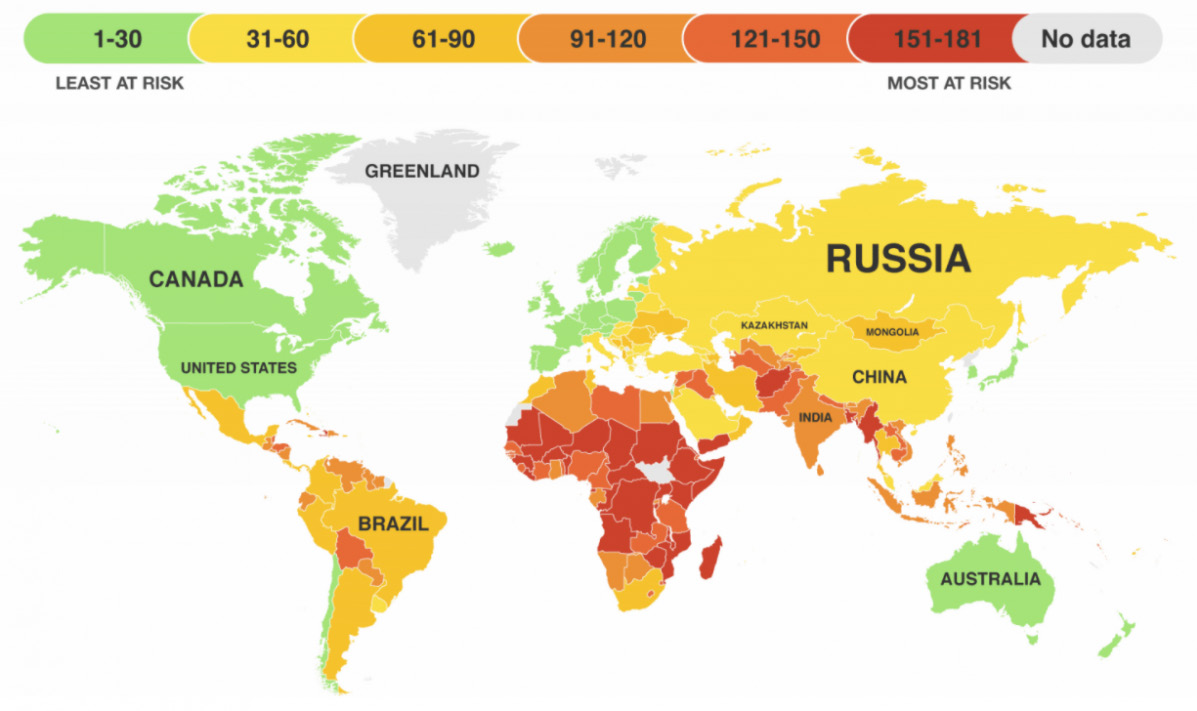
Climate change presents enormous challenges with far-reaching consequences for ecosystems, national economies, and social life. The global community faces a paradox of unprecedented scale: while global agricultural production is at its peak, the number of people experiencing acute food insecurity continues to rise, and over two billion people live in countries experiencing high water stress (FAO, 2018FAO. (2018). The future of food and agriculture – Alternative pathways to 2050. Food and Agriculture Organization of the United Nations. Retrieved September 1, 2025, from; UNICEF, 2020UNICEF (2020). The source article does not provide a separate full bibliographic entry for this citation.). While continually increasing global temperatures, increasingly erratic rainfall patterns, and extreme weather events are among the most visible indicators, the less visible yet equally critical consequences lie in water scarcity and food insecurity.
The World Meteorological Organization (2021World Meteorological Organization. (2021). WMO atlas of mortality and economic losses from weather, climate, and water extremes (1970–2019). WMO-No. 1267. Retrieved September 1, 2025, from) reports that weather and climate-related disasters have increased fivefold over the past 50 years. This statistic reveals the devastating impact of climate change on fundamental human security areas. The unprecedented droughts that ravaged the Amazon rainforest and Europe’s agricultural regions in 2022 are merely a precursor of the intertwined water and food crises fueled by the changing climate.
Water and food security are human well-being, economic stability, and global peace cornerstones. Climate change is a “threat multiplier,” intensifying existing pressures such as population growth, land quality degradation, and natural resource waste. By exacerbating pre-existing vulnerabilities, climate change creates dangerous feedback loops. The impacts of climate change on water and food systems, with their broad implications for poverty reduction, public health, global peace, and effects on human psychology, jeopardize the possibilities of achieving the United Nations Sustainable Development Goals (SDGs), particularly SDG-02 (Zero Hunger) and SDG-06 (Clean Water and Sanitation) (IPCC, 2022IPCC. (2022). Climate change 2022: Impacts, adaptation and vulnerability. Contribution of Working Group II to the Sixth Assessment Report of the Intergovernmental Panel on Climate Change [H.-O. Pörtner, D.C. Roberts, M. Tignor, E.S. Poloczanska, K. Mintenbeck, A. Alegría, M. Craig, S. Langsdorf, S. Löschke, V. Möller, A. Okem, B. Rama (eds.)]. Cambridge University Press.; Wheeler & von Braun, 2013Wheeler & von Braun (2013). The source article does not provide a separate full bibliographic entry for this citation.).
The Water-Food-Climate nexus is at the heart of this crisis: Agriculture accounts for roughly 70% of global freshwater consumption. Food production and supply chains contribute a significant portion (14%) of global greenhouse gas emissions. Climate change directly threatens agricultural productivity by disrupting the quantity and quality of water.
This study aims to examine the effects of hydrologic changes caused by climate change on agricultural systems and to analyze the resulting socioeconomic inequalities and geopolitical tensions. The central argument of the study is that climate change intensifies global water and food insecurity through a complex feedback loop comprising environmental degradation, disruptions in agricultural production processes, and socioeconomic instability, and that the burden of this crisis is unjustly distributed between the bloc of developed countries (“Global North”), who are the primary contributors to the crisis, and the most vulnerable developing countries (Global South). The article will first address changes in the hydrological cycle, then examine the impacts on agricultural productivity and food security, and finally assess the profound socioeconomic and geopolitical consequences of these physical impacts within the context of the Global “North-South divide.”
Anthropogenic Global Warming, which has evolved into the present “Climate Crisis,” dates back to the First Industrial Revolution approximately 250 years ago. Rather than investigating the historical process that led to the current climate crisis, this study takes the current situation as a given outcome and analyzes the dynamics of the evolving climate-water-food triple crisis.
Climate Change: Fundamentally Altering the Hydrological Cycle
Climate change radically alters the planet’s water cycle by increasing its energy, which threatens global water availability and quality.
The Precipitation Paradox: Severe Droughts and Floods
Climate change is making precipitation patterns more irregular and unpredictable. Increased evaporation and changing atmospheric circulation patterns lead to longer and more severe droughts in arid regions. In contrast, increased atmospheric moisture causes more intense downpours and floods when rain occurs. This paradox challenges water management infrastructure and disaster preparedness (IPCC, 2022IPCC. (2022). Climate change 2022: Impacts, adaptation and vulnerability. Contribution of Working Group II to the Sixth Assessment Report of the Intergovernmental Panel on Climate Change [H.-O. Pörtner, D.C. Roberts, M. Tignor, E.S. Poloczanska, K. Mintenbeck, A. Alegría, M. Craig, S. Langsdorf, S. Löschke, V. Möller, A. Okem, B. Rama (eds.)]. Cambridge University Press.).
In a warming atmosphere, the structure and functioning of the hydrological cycle are fundamentally changing. Due to global warming, the Earth has warmed by approximately 1.5°C compared to the pre-Industrial Revolution era, roughly 250 years ago, increasing the total amount of water vapor in the atmosphere. Currently, the total amount of atmospheric water vapor is calculated to be 12.8 trillion tons, based also on remote sensing measurements. The residence time of water evaporating from surface waters and soil into the atmosphere is approximately 9 to 10 days. After this period, the atmospheric water cycle is completed through precipitation.
Due to the highly complex nature of climate change, intense rainfall causes floods in some places, while prolonged and severe droughts emerge in other regions. For example, the IPCC (2022IPCC. (2022). Climate change 2022: Impacts, adaptation and vulnerability. Contribution of Working Group II to the Sixth Assessment Report of the Intergovernmental Panel on Climate Change [H.-O. Pörtner, D.C. Roberts, M. Tignor, E.S. Poloczanska, K. Mintenbeck, A. Alegría, M. Craig, S. Langsdorf, S. Löschke, V. Möller, A. Okem, B. Rama (eds.)]. Cambridge University Press.) has published a report indicating that since the 1950s, the frequency and intensity of heavy precipitation events have increased over most land areas. The same report also states that regions experiencing agricultural and ecological drought have increased more than regions observing increased rainfall.
The average global precipitation is calculated to be 15.3 million tons per second. The increase in atmospheric water vapor leads to an increase in total global precipitation. However, due to the highly complex nature of climate change, intense rainfall causes floods to occur in some places, while paradoxically, prolonged and severe droughts emerge in other regions. For example, the IPCC (2022IPCC. (2022). Climate change 2022: Impacts, adaptation and vulnerability. Contribution of Working Group II to the Sixth Assessment Report of the Intergovernmental Panel on Climate Change [H.-O. Pörtner, D.C. Roberts, M. Tignor, E.S. Poloczanska, K. Mintenbeck, A. Alegría, M. Craig, S. Langsdorf, S. Löschke, V. Möller, A. Okem, B. Rama (eds.)]. Cambridge University Press.) has published a report indicating that since the 1950s, the frequency and intensity of heavy precipitation events have increased over most land areas.
Water demand is showing a significant increasing trend, especially in developing countries and particularly in the Global South. Total water consumption, which was 4.30 trillion m³ as of 2020, is projected to increase by 55% globally by 2050. The agricultural sector accounts for 70% of world water consumption, industry holds 20%, and drinking and household use accounts for 10% (UN World Water Development Report, 2021UN World Water Development Report. (2021). Summary Progress Update 2021: SDG 6 – water and sanitation for all. Retrieved September 1, 2025, from).
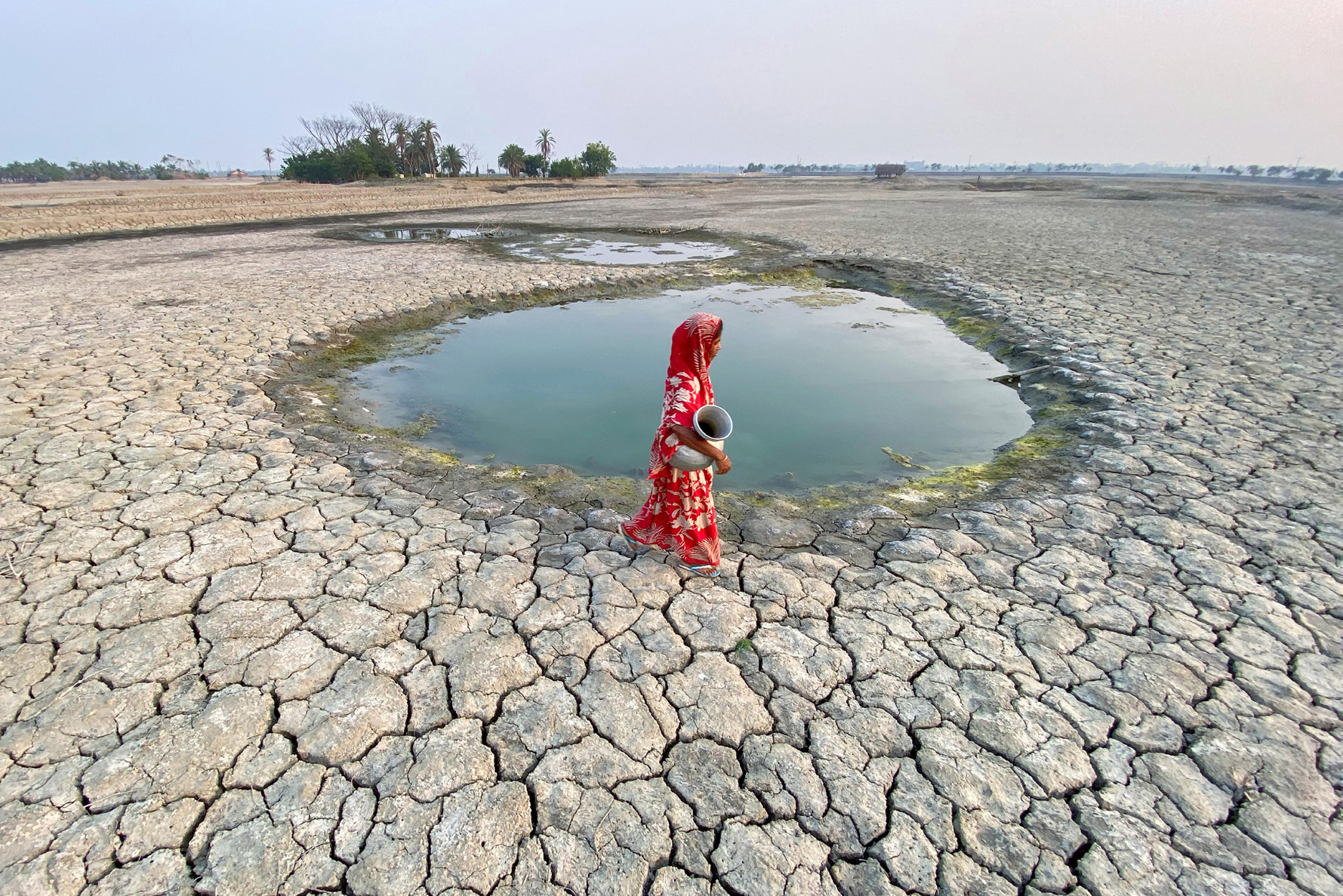
In Sub-Saharan Africa, prolonged droughts significantly reduce agricultural productivity and cause widespread water shortages. In South Asia, devastating floods linked to variability in the monsoon regime have led to water source contamination, infrastructure damage, and the displacement of millions. This variability makes water management extremely difficult, overloading infrastructure during floods and paralyzing agriculture during dry periods.
Shrinking Cryosphere (Glacial and Snow-Covered Areas)
The rapid melting of mountain glaciers due to global warming, while initially increasing flood risk, poses a long-term threat of permanent water scarcity by reducing the flow of major rivers like the Indus, Ganges, Yangtze, and Mekong (Immerzeel et al., 2020Immerzeel, et al. (2020). Importance and vulnerability of the world’s water towers. Nature, (7790), 364–369.).
The cryosphere (the entire glacial and snow cover on Earth) is a critically important water source for approximately two billion people. Glaciers and snow cover in mountain ranges such as the Himalayas, Andes, and Alps are vital “water towers” for hundreds of millions of people. Mountain glaciers and seasonal snowpacks act as natural reservoirs, storing water in winter and releasing it during dry seasons, also replenishing groundwater reserves.
Climate change is rapidly breaking this systemic cycle. In Latin America, the rapid shrinkage of existing glacial areas in the Andes, which supply millions of tons of water to a vast geographical area, will inevitably lead to severe water stress across a broad region in the medium term. Due to substantial climate change impacts, Asia’s Indus and Tarim basin systems have been identified as the most vulnerable water resources (Immerzeel et al., 2020Immerzeel, et al. (2020). Importance and vulnerability of the world’s water towers. Nature, (7790), 364–369.). Glacier retreat threatens the perennial flow of major rivers, posing an existential threat to large populations’ food production and water supply. Depletion of the Invisible Resource:
Depletion of the Invisible Resource: Groundwater
The over-extraction of groundwater for agricultural irrigation, drinking water, and industry is depleting aquifers in many parts of the world. Climate change deepens this crisis by reducing the recharge rates of these aquifers through decreased rainfall and increased evaporation.
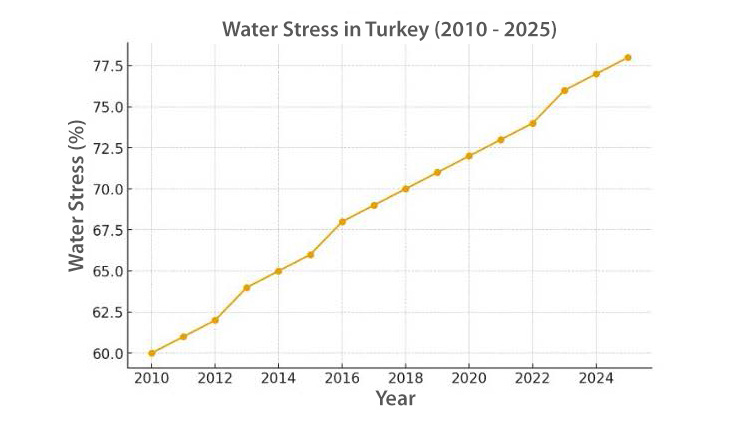
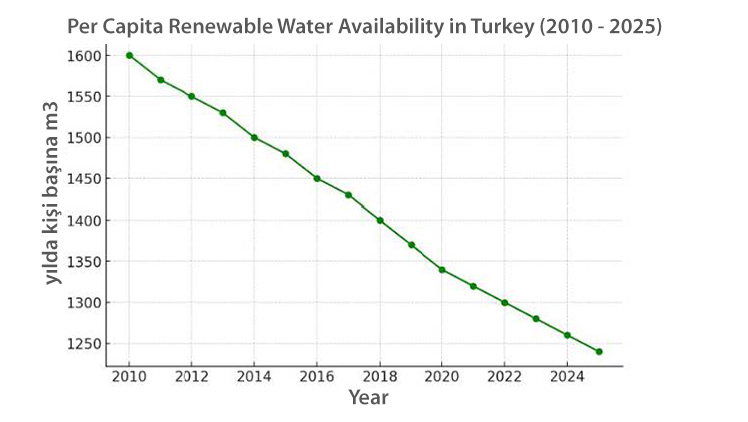
Considering Türkiye as a specific example, the following graphs illustrate the deteriorating situation over time regarding the increasingly severe water stress. The graphs show changes in the rate of groundwater withdrawal (consumption) and per capita freshwater availability between 2010 and 2050 (Figure 1 and Figure 2).
While surface water crises are visible, an environmental disaster is unfolding out of sight in the subsurface layers. Groundwater, which acts as a buffer against drought and is essential primarily for agricultural irrigation, is decreasing and retreating to deeper layers, particularly in regions within the temperate climate zone, paralleling the decrease in snowfall. The irregularity of the precipitation regime due to climate change disrupts natural recharge from rainfall, further worsening the situation regarding groundwater reserves. Data from NASA’s GRACE satellite mission reveal severe water loss in aquifers in critical agricultural regions such as California’s Central Valley, North India, and the North China Plain (Famiglietti, 2014Famiglietti, J. S. (2014). The global groundwater crisis. Nature Climate Change, 4(11), 945–948.).
In the Middle East and North Africa, where rising temperatures overlap with declining rainfall, the per capita available water quantity is expected to decrease by over 50% by 2050 (FAO, 2020FAO (2020). The source article does not provide a separate full bibliographic entry for this citation.). The depletion of groundwater, particularly crucial for agriculture, creates a collapsing, unreliable foundation for global food security.
Pressures on Water Quality
The deterioration of water quality poses a significant threat to water scarcity. Rising sea surface temperatures reduce the amount of dissolved oxygen in water. The increased CO dissolved in seawater, parallel to its increasing atmospheric concentration, also increases seawater acidity, causing severe damage, especially to coral reefs.
Additionally, the increase in sea surface temperature increases the frequency and intensity of algal blooms, devastatingly affecting drinking water sources and aquatic ecosystems. Sea-level rise causes saltwater intrusion (salinization) into freshwater aquifers in coastal areas, rendering these sources unsuitable for agriculture and human consumption (UNESCO, 2020UNESCO. (2020). United Nations world water development report 2020: Water and climate change. UNESCO. Retrieved September 1, 2025, from). Requiring expensive treatment systems that consequently drive up drinking water costs.
Furthermore, transboundary disputes, such as the tensions between Egypt and Ethiopia over the Renaissance Dam in the Nile Basin, demonstrate how water scarcity can ignite geopolitical conflicts (Zeitoun & Mirumachi, 2008Zeitoun & Mirumachi (2008). The source article does not provide a separate full bibliographic entry for this citation.).
Impacts on Agricultural Productivity and Food Security
These radical changes in the hydrological cycle directly and indirectly disrupt agricultural productivity, which forms the backbone of the global food system.
Heat Stress and Declining Crop Yields
Extreme temperatures disrupt the development of the world’s staple food crops (e.g., wheat, maize, rice), which are vulnerable to environmental changes. This reduces photosynthetic efficiency and leads to yield losses. Models predict significant declines in the yields of these staple crops with global temperature increase. Additionally, there is growing evidence that while high CO concentrations in the atmosphere may accelerate crop growth, they dilute the concentration of essential nutrients like protein, zinc, and iron, increasing the risk of “hidden hunger” in field crops (Zhao et al., 2017Zhao, et al. (2017). Temperature increase reduces global yields of major crops in four independent estimates. Proceedings of the National Academy of Sciences, 114(35), 9326–9331.).
Heat stress during critical flowering and grain filling periods is known to cause severe losses. Elevated CO can have a fertilizing effect for some plants; however, heat and water stress often offset this advantage and can lead to reduced nutritional quality, such as lower protein and mineral content in staples (IPCC, 2019IPCC. (2019). Climate change and land: An IPCC special report on climate change, desertification, land degradation, sustainable land management, food security, and greenhouse gas fluxes in terrestrial ecosystems. Retrieved September 1, 2025, from).
At this point, a critical observation must be included. Namely, with the irregularities occurring on a global scale in temperature and precipitation regimes becoming the “new normal,” the possibility of sustaining current agricultural and livestock practices has vanished. It is imperative to design and implement new practices and land use models that are resilient to the effects of climate change. A proposal regarding this is included in the final section of this study.
Increase in Invasive Species and Plant Diseases
Milder winters and generally warmer weather conditions increase the survival rate of agricultural pests and pathogens and expand their geographical range towards the poles. For example, invasive insect species like the fall armyworm have caused significant damage to maize production in Africa and Asia in recent years. Similarly, fungal and bacterial plant disease spread is accelerating (Deutsch et al., 2018Deutsch, C. A., et al. (2018). Increase in crop losses to insect pests in a warming climate. Science, (6405), 916–919.).
Warmer winters allow more pests to survive, while warmer summers enable them to spread to new areas. The survival and proliferation of pests like locusts and armyworms during warmer winter months is increasing the destruction of crops in Africa and Asia. It is projected that insect-related yield losses for rice, maize, and wheat will increase by 10-25% with each degree Celsius rise in global mean surface temperature (Deutsch et al., 2018Deutsch, C. A., et al. (2018). Increase in crop losses to insect pests in a warming climate. Science, (6405), 916–919.). This expanding threat forces farmers to increase pesticide use, raising economic and environmental costs and further disrupting food security and ecosystem health.
Impacts on Livestock and Fisheries Systems
The impacts are not limited to crop production. Heat stress negatively affects feed intake, milk yield, reproductive performance, and overall health in livestock. In the seas, ocean acidification threatens the existence of corals and shellfish, while rising sea surface temperatures alter the migration routes and distribution of fish populations, disrupting traditional fishing activities (FAO, 2018FAO. (2018). The future of food and agriculture – Alternative pathways to 2050. Food and Agriculture Organization of the United Nations. Retrieved September 1, 2025, from)
Warming waters drive fish populations towards the poles, disrupting established fishing communities and creating new geopolitical tensions over fishing rights and maritime jurisdictions. Ultimately, these impacts threaten critical protein resources for billions of people (IPCC, 2022IPCC. (2022). Climate change 2022: Impacts, adaptation and vulnerability. Contribution of Working Group II to the Sixth Assessment Report of the Intergovernmental Panel on Climate Change [H.-O. Pörtner, D.C. Roberts, M. Tignor, E.S. Poloczanska, K. Mintenbeck, A. Alegría, M. Craig, S. Langsdorf, S. Löschke, V. Möller, A. Okem, B. Rama (eds.)]. Cambridge University Press.).
Vulnerability in the Food Supply Chain
Food crises are not only about production but also about distribution and access. Extreme weather events damage integral and critical infrastructures of the food supply chain (roads, bridges, ports). Droughts also disrupt river transport (as in the Mississippi River). These disruptions, resulting from damage to transportation infrastructure, also cause post-harvest losses and thus indirectly increase food prices.
Even when sufficient quantities are produced globally, disruptions in transportation infrastructure prevent or make it more costly for food to reach those who need it most. The 2007-2008 global food price crisis highlighted the vulnerability of global trade to climate-related shocks (Headey & Fan, 2008Headey & Fan (2008). The source article does not provide a separate full bibliographic entry for this citation.). Extreme heat can strain the capacity of cold chain storage and transportation systems, increasing food waste. This can lead to sudden and sharp increases in food prices, leading to inflation (IPCC, 2019IPCC. (2019). Climate change and land: An IPCC special report on climate change, desertification, land degradation, sustainable land management, food security, and greenhouse gas fluxes in terrestrial ecosystems. Retrieved September 1, 2025, from). Climate change is estimated to push an additional 100 million people into poverty by 2030 through its impacts on agriculture and food access (World Bank, 2016World Bank (2016). The source article does not provide a separate full bibliographic entry for this citation.).
Socioeconomic and Geopolitical Consequences: The Global North-South Divide
Water and food systems are interconnected, forming a nexus under increasing pressure from climate change.
The physical impacts of climate change on water and food systems are exacerbating deep socioeconomic inequalities and creating new areas of geopolitical tension. Given the historical trajectory and existing contradictions have become antagonistic, these consequences exhibit a striking divergence between the Global North and the Global South.
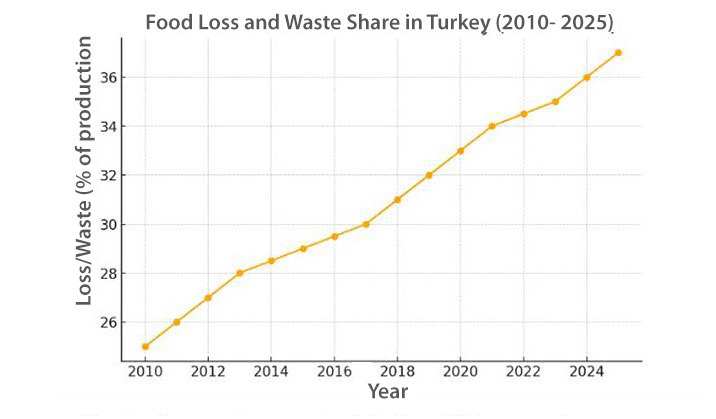
A striking indicator of the unequal distribution of the Earth’s resources relates to global food waste. Data in the UN Environment Program’s “Food Waste Index Report 2024” states that 1.05 billion tons of food were wasted globally as of 2022. Reports that food wasted in the EU and the US alone would be enough to feed the African continent appear in the press, media, and academic publications. A graph containing data for Türkiye as an example is provided in Figure 3.
Historical Responsibility and Unjust Distribution of Impact
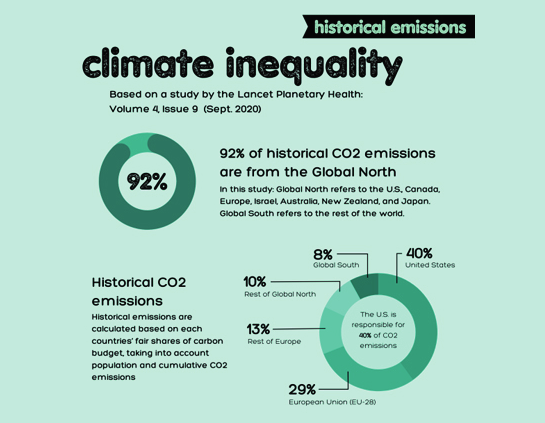
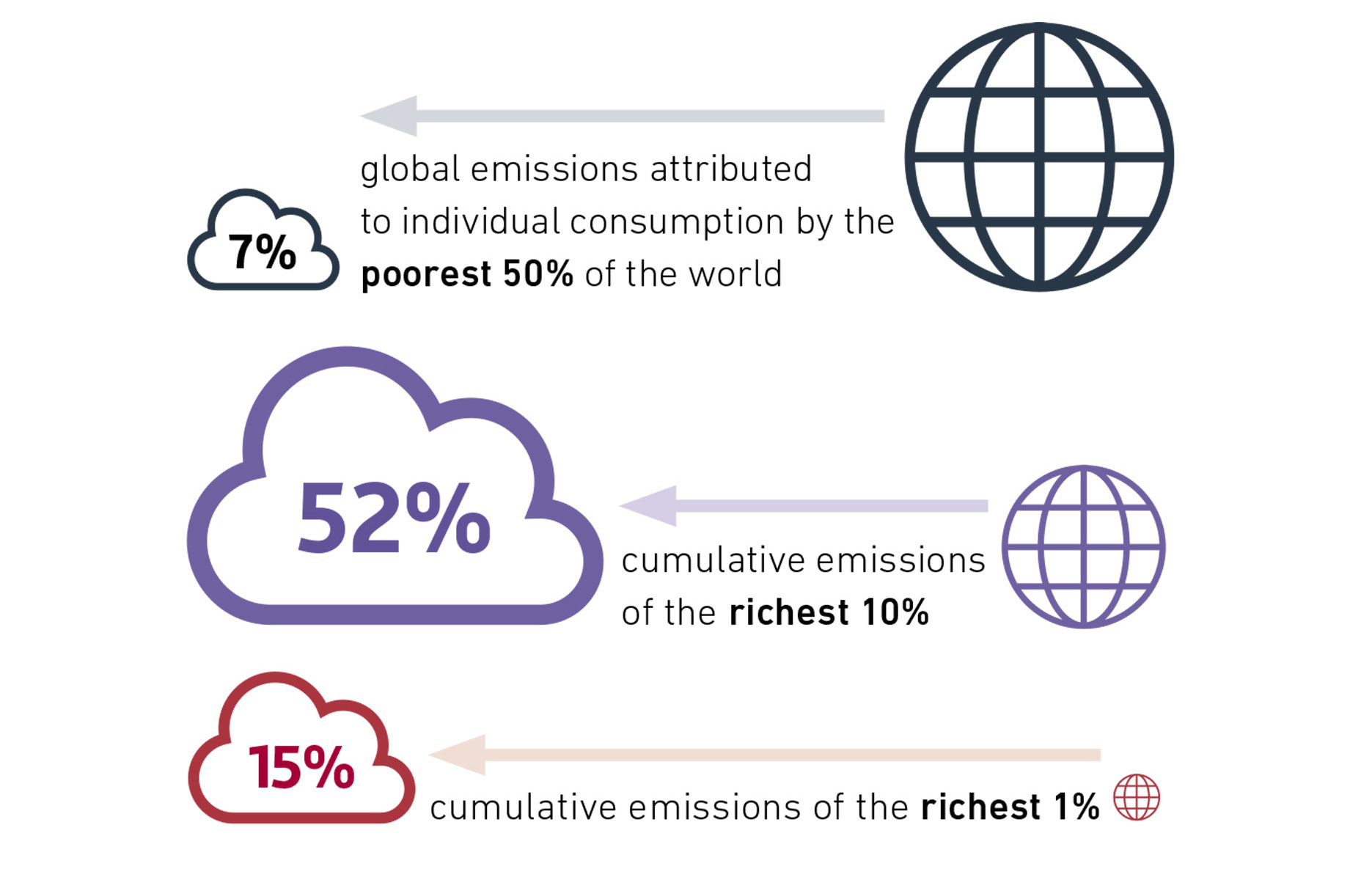
Global North countries (developed countries - Imperialist Bloc) are responsible for the vast majority of greenhouse gas emissions released into the atmosphere since the First Industrial Revolution. However, the most devastating effects of climate change are felt by Global South countries, which have the lowest carbon footprint, primarily in Africa, South Asia, and parts of South America. This situation constitutes a fundamental climate injustice. Developing countries are also far more disadvantaged than their Northern counterparts in capacity (financial resources, technology, institutional infrastructure) to adapt to climate shocks and mitigate their effects (Roberts & Parks, 2006Roberts, J. T., & Parks, B. C. (2006). A climate of injustice: Global inequality, north-south politics, and climate policy. MIT Press.).
Droughts, predominantly affecting the Global South, are reducing yields by diminishing irrigation resources and triggering food shortages. Conversely, it is important to note that uncontrolled irrigation (e.g., flood irrigation) and unsustainable groundwater use pressure aquifers pose a danger to long-term water security. This interconnectedness requires adopting an integrated approach addressing the water-energy-food-ecosystem (WEFE) nexus (HLPE, 2020HLPE (2020). The source article does not provide a separate full bibliographic entry for this citation.).
Mass Displacement and Climate Migration
Water scarcity and agricultural collapse make rural livelihoods, especially the sustenance of small farms, impossible. This causes mass rural-urban migration, further straining already pressured urban infrastructure (water, housing, health services) and leading to the uncontrolled expansion of slums. In more extreme scenarios, cross-border “climate migration” is becoming an increasing source of geopolitical tension. For example, desertification in Sub-Saharan Africa and water stress in the Middle East are among the push factors triggering migration movements towards Europe (WBGU, 2007WBGU (German Advisory Council on Global Change). (2007). World in transition: Climate change as a security risk. Earthscan. Retrieved September 1, 2025, from).
The impacts of the climate-water-food crisis are not borne equally. Vulnerability is shaped by poverty, gender, ethnicity, and access to resources. Small-scale farmers, pastoralists, fishing communities, and indigenous peoples, who contribute the least to global emissions, are disproportionately affected. In the rural Global South, women, who are often responsible for water supply and household food security, face increasing burdens as resources become scarcer. This inequality worsens existing social injustices. Malnutrition remains a persistent consequence of food insecurity, and climate change is exacerbating undernourishment and micronutrient deficiencies, particularly in South Asia and Sub-Saharan Africa (WFP, 2023FAO, IFAD, UNICEF, WFP & WHO. (2023). The State of Food Security and Nutrition in the World 2023. Urbanization, agrifood systems transformation, and healthy diets across the rural–urban continuum.).
Increased Poverty and Risk of Internal Conflict
Sudden price spikes severely restrict food access for low-income households, deepening poverty. Such price shocks have been a significant trigger for social unrest and political instability in many countries in the past (e.g., the food riots of 2007-2008 and 2010-2011). Furthermore, competition over dwindling water and fertile land resources can fuel violent local-level conflicts, especially in fragile regions (Hsiang et al., 2013Hsiang, S. M., Burke, M., & Miguel, E. (2013). Quantifying the influence of climate on human conflict. Science, 341(6151), 1235367.).
Scarcity of water and arable land fuels existing tensions and triggers conflict. Competition for increasingly scarce resources is intensifying among farmers and herders, between urban and rural areas, and among nations sharing transboundary water resources. The severe drought persisting in Mesopotamia since the 1990s, which has rendered the land unable to support its population, has been shown to have triggered the internal migration that evolved into civil war in Syria and the subsequent social unrest (Kelley et al., 2015).
Pressures stemming from climate and environmental change can undermine stability in already fragile states. The increase in grain prices, and consequently bread prices—a staple food for the peoples of North Africa and West Asia— probably during 2008-2009 was among the factors triggering the Arab Spring. From this perspective, the Arab Spring can be considered one of the indirect consequences of climate change.
When livelihoods disappear, people are forced to move. Climate-induced migration is already a reality, particularly in regions like the Sahel, South Asia, and Central America’s “Dry Corridor.” These movements will create humanitarian challenges and problems. Moreover, such mass migration movements can strain resources in destination areas, leading to new social tensions (Hallegatte et al., 2016Hallegatte, et al. (2016). Mapping the climate change challenge. Retrieved September 1, 2025, from).
Within the global food system, a climate change-induced shock occurring, for example, in a grain belt region can cause fluctuations in international markets, destabilizing distant regions. Such volatility hits the poorest hardest, as they spend much of their income on food.
The Global South’s Debt Crisis and Climate Compensation
The economic costs of climate disasters are very high. As countries in the Global South struggle to make the necessary infrastructure investments to adapt to climate change and mitigate the impact of disasters, their already high debt burdens often escalate. This creates a “climate-debt trap.” In recent years, compensation for losses and damage caused by climate change has become one of the most bitter points of contention between the Global North and South in international negotiations (e.g., COP summits). Developing countries demand a mechanism to share the costs of the climate crisis equitably. In contrast, developed countries are reluctant to recognize their responsibilities and make concrete financial commitments (the Loss and Damage Fund established at COP27 is a concrete example of this struggle).
Concrete Solutions and Recommendations for the Climate-Water-Food Triple Crisis
Mitigating the devastating impacts of climate change on water and food systems is vital. To prevent the threats outlined in previous sections and build resilient systems, it is urgent to implement innovative technologies, integrated management strategies, and radical efficiency measures. This section discusses technical and management solutions critical to combating the triple crisis.
Preventing Physical Water Leaks: Combating Invisible Losses
Physical water leaks, especially in large cities and agricultural irrigation networks, create enormous pressure on resources. The average loss/leakage rate in drinking water networks worldwide reaches around 30%, and can exceed 50% in regions with high rates. This “invisible loss” also causes energy waste (energy spent on pumping and treating water), placing an additional burden on the system.
Detecting leaks in water pipes using acoustic leak detectors is often impossible, mainly due to ambient noise from round-the-clock vehicle traffic in crowded metropolises. Instead, methods and tools such as ground-penetrating radar, mise-à-la-masse (applied potential) methods, non-contact electrical sounding, total electrical sounding, the “long cable” technique, and remote sensing technologies (moisture mapping via drones) now allow for more precise and accurate identification of leak points. By integrating field-collected data with Geographic Information Systems (GIS), the widespread adoption of Smart Water Network Management Systems, functioning as decision-support systems, should be targeted. Regular, real-time monitoring of pipeline parameters (like flow and pressure in pipes and water levels in reservoirs) via SCADA integrated with GIS can prevent leaks by repairing and renewing old infrastructure.
In agriculture, transitioning to closed-system, pressurized irrigation (drip, sprinkler) systems can significantly increase water efficiency by eliminating evaporation and seepage losses from open channels.
Widespread Rainwater Harvesting: A New Resource in Urban and Rural Areas
In all settlements and huge cities, large quantities of rainwater from vast surface areas (roofs, roads, pavements) are released as surface runoff or partially directed into the sewer system. This indicates a major waste. However, collected rainwater can be used as “greywater” (for toilet flushing and garden irrigation) or, after simple treatment, for agricultural irrigation.
Making rainwater harvesting systems on building and greenhouse roofs mandatory is critical to alleviating urban water stress. Collected water can be stored in underground cisterns and reservoirs. This practice reduces flood risk while significantly meeting summer demand for mains water. In rural areas, practices like contour plowing, constructing trenches, and various micro-catchment applications on farmland can prevent surface runoff (which also causes erosion) and facilitate rainwater infiltration into the soil.
Atmospheric Water Generation
It would be appropriate to reiterate a piece of data from the introductory section of this article. While the world’s annual water consumption is approximately 4.30 trillion tons (2020 data), the amount of water vapor in the atmosphere at any given moment is 12.80 trillion tons. Considering that globally 15.3 million tons of water evaporate into the atmosphere every second, it becomes evident that the atmosphere is a practically infinite source of freshwater.
Depending on low air temperatures, there is potential for harvesting water from the atmosphere in regions outside the polar areas, specifically in the perpetually warm equatorial region and low-lying areas of the temperate zone, especially during the hot summer season. It is also known that many private companies offer solutions in this field.
However, it is beneficial to note that technological innovations are still needed to make costs more attractive. With innovative and cost-effective technical solutions, atmospheric water generation will significantly alleviate water stress.
Dissociation of Carbon Dioxide within Flue Gas and the Atmosphere into Carbon and Oxygen Using Cold Plasma: An Advanced Technology Solution
"While the 'Net Zero Carbon Emissions' target, widely adopted today, is correct and necessary, it is insufficient on its own." To achieve this goal, it is simultaneously imperative to implement “Net Negative Carbon Emissions” methods and applications.
The concentration of CO gas in the atmosphere must be reduced by all possible means to a safe level, for example, below 400 ppm as an arbitrary target. One technology that can be used for this purpose is”Cold Plasma.”
Carbon Capture, Storage, and Utilization (CCSU) technologies are crucial for reducing emissions in “hard-to-abate” sectors like fossil fuel power plants and heavy industry. Cold plasma technology is an innovative and promising approach in this field.
Plasma, as known, is the fourth state of matter, an ionized gas. In a cold plasma environment, composed of electrons, ions, and neutral gas atoms or molecules, the electrons possess very high energy (i.e., high “electron temperature”). In contrast, the ions and neutral gas atoms are at room temperature (“cold”). Therefore, this type of plasma is called “cold.”
CO gas passed through cold plasma reactors is bombarded by high-energy electrons and positively charged atomic nuclei within the plasma, breaking it down into its components: carbon and oxygen (O ). The obtained carbon can be used in numerous applications, such as a chemical raw material in industry, for synthetic fuel production, and advanced materials like graphene.
The energy required to create and sustain the cold plasma can ideally be supplied from renewable energy sources. This technology has the potential to revolutionize the transformation of industrial emissions.
Transitioning to Net Negative Carbon Emissions: Redefining Agriculture’s Role
The “Net Zero” target involves balancing emitted carbon with captured carbon. However, it is possible to transform the agricultural sector into a “Net Negative Carbon Emissions” mechanism to reduce the accumulated and still accumulating carbon in the atmosphere.
Integrated crop-livestock systems are poised to play a key role here.
It is necessary to reiterate and emphasize that traditional agricultural and livestock practices are no longer sustainable under the adverse environmental conditions caused by climate change. Designing and implementing new land use models that are resilient to the effects of climate change is vital for ensuring food security.
Traditional monoculture cropping systems are extremely fragile in the face of climate shocks. In contrast, integrated practices that combine agriculture, livestock, forestry, and energy production into a single system will ensure the operation’s economic resilience against climate shocks.
Conversely, most conventional agricultural and livestock operations are sources of positive carbon emissions. This trend can be reversed through climate-resilient integrated crop-livestock practices.
A conceptual draft plan involves integrating various activities—crop farming, livestock, energy production (heat and electricity) from agricultural waste, greenhouse cultivation, and rainwater harvesting—within a single farm. These activities would operate complementarily under unified management.
Accordingly, necessary forage crops for animal husbandry can be cultivated in a portion of the open farmland adjacent to the livestock unit. This will eliminate the costs and logistical difficulties of sourcing forage from distant sources. For open farmland, transitioning to “Agroforestry—intercropping” (integrating suitable tree species in terms of root and canopy systems into croplands or grazing areas) would be the most appropriate choice.
Tree-crop intercropping improves the microclimate, reducing wind speed and soil erosion and increasing soil moisture and organic matter content. Practices involving fast-growing, multi-purpose tree rows will form the central axis of the integrated model. The “agroforestry” practice, conducted for hundreds of years in China and now widely implemented in third countries, will constitute the central axis of the integrated model.
This is because suitable tree species (e.g., Paulownia, native to China) form a symbiotic relationship with traditional field crops grown between them, significantly increasing yields. Furthermore, due to the expanded product range (nutrient-rich leaves, biochar from pruned branches, high-quality honey from flowers, and timber for furniture), a substantial increase in income from the land occurs.
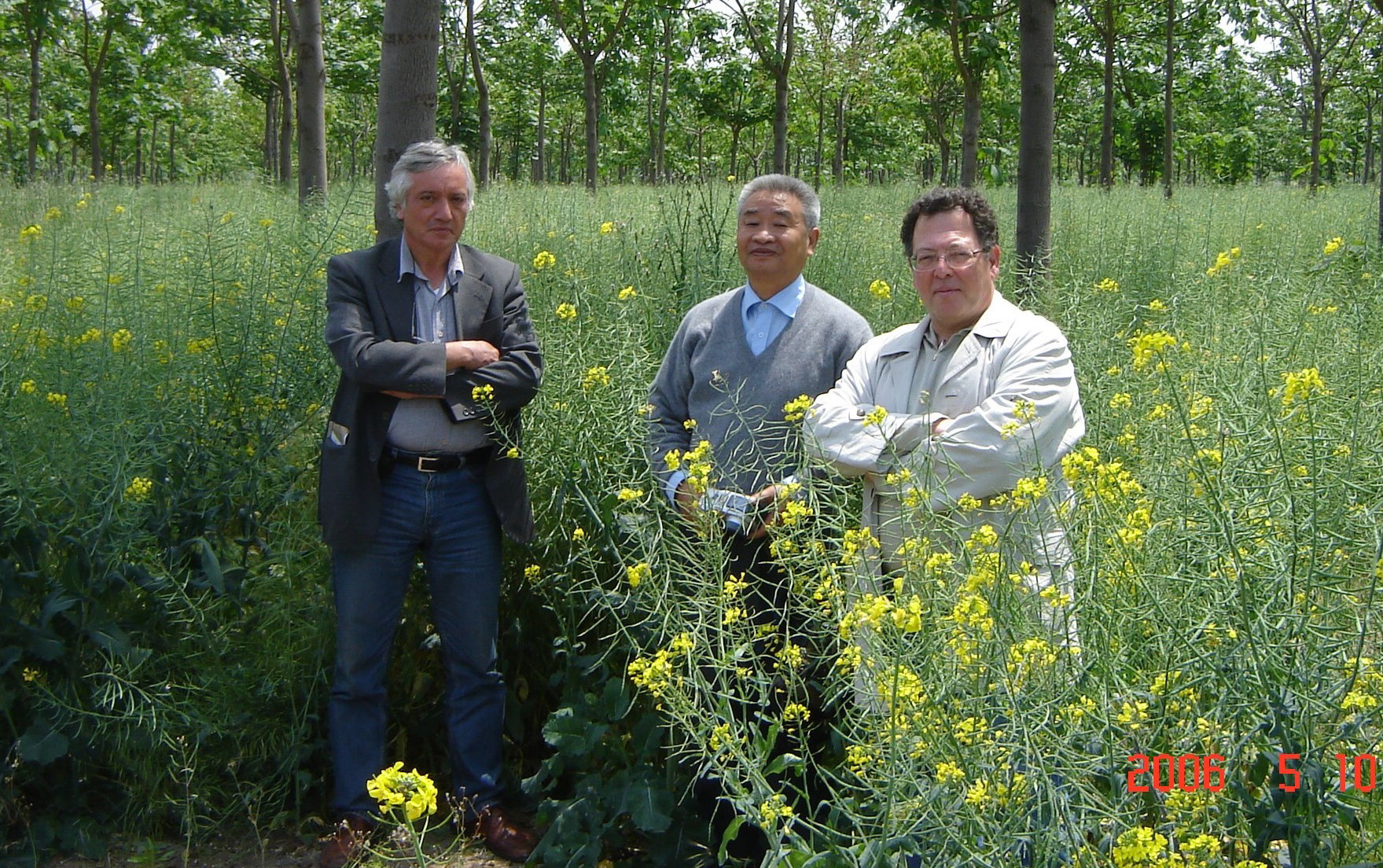
In the context of combating climate change, through agroforestry practices, the integrated operation will function as a “carbon sink,” enabling it to become a “net negative carbon emissions” area. Continuing with the Paulownia example; in Paulownia-Canola and Paulownia-Cotton “intercropping” pilot applications conducted in Bergama, İzmir (at sea level) in 2006-2007 using superior clones of Paulownia species, it was determined that an average of 40.0 tons of CO per hectare per year were permanently removed from the atmosphere over the six to seven-year management period (until tree harvest - M. S. Ertan, personal communication, September, 2025Irrigreen. (n.d). Water Consumption Statistics. Retrieved September 1, 2025, from).
This trial clearly demonstrated that integrated crop-livestock practices, with agroforestry as their central axis, possess a “net negative carbon emissions” function and can effectively mitigate the effects of climate change.
Adverse environmental conditions due to climate change now require some agricultural activities to be conducted in greenhouses. Greenhouses at the center of this closed-loop system allow for year-round cultivation of high-value products. Integrating rainwater collection systems on greenhouse roofs will add rural water management to the integrated crop-livestock practice.
Producing energy (heat and electricity) and bio-fuels, primarily diesel, from the organic waste generated by open-field farming, greenhouse, and livestock practices will constitute another significant gain and advantage. This will enable integrated farms to be as independent and self-sufficient as possible in energy and fuel supply, reducing reliance on external factors.
In the integrated practice, there will be no waste. The waste from one unit will serve as input for another. For example, flue gas from pyrolysis, gasification, or methanization (biogas) plants, rich in CO and water vapor, can be directed to greenhouses to promote faster plant growth. At the same time, agricultural and livestock waste will be used as fuel in biomass (waste-to-energy) plants. In short, integrated practices should be planned and implemented with a “zero waste” characteristic.
A critically important observation is that in integrated systems, damage or economic losses in one component due to extreme climate events can be offset by the diversity of products and activities.. This provides resilience against climate shocks and allows the enterprise to survive without catastrophic collapse.
On the other hand, it is true that in almost all developing countries, the agricultural population is shrinking due to rural-urban migration. The significant increase in farmland income achieved through integrated practices will help bridge the rural-urban income gap while encouraging reverse migration. By facilitating capital transfer to rural areas, integrated practices will also play an important role in formulating rural development strategies.
Another positive effect relates to biodiversity conservation. Meeting industrial timber needs from agroforestry areas instead of natural forests will greatly alleviate or completely eliminate the destructive production pressure on natural forests. It should also be noted here that the ongoing destruction of forest areas creates a multiplier effect on the impacts of climate change.
Including the essentials of the conceptual draft plan and considering Türkiye’s specific conditions are beneficial as a closing note for this section.
Firstly, integrated practices can be implemented on large, contiguous, or closely located agricultural lands. From this perspective, especially in the Western Anatolia region, the number of contiguous farms suitable for integrated practices is very low due to the progressive fragmentation of agricultural land into smaller parcels through inheritance. How can we proceed under Türkiye’s given conditions?
Türkiye has twenty-six river basins with differing soil and climate conditions. Considering integrated practices on a basin basis seems logical. Accordingly, each basin can be treated as an independent, integrated operation, considering its specificities. Agricultural and livestock operations within the basin boundaries could become partners of a central basin enterprise. Here, “administrative consolidation” is the key concept. Under the coordination of the Republic of Türkiye’s Ministry of Agriculture and Forestry, “administrative consolidation” structures for basins could be established. Harmonious collaboration and activities of different enterprises can certainly be achieved under central supervision and coordination.
To conclude this section, it is necessary to address the contentious issue of GMO crops. It will be helpful to continue with this topic.
GMO Crops: Opportunities and Risks
Drought, high temperatures, salinity, and increasing pest pressure reduce agricultural productivity. Genetic engineering offers the potential to create genetically modified organisms (GMOs) resistant to these abiotic and biotic stresses. However, the benefits brought by this technology also come with global risks applicable to all GMO products, such as “gene flow” (genetic contamination), the potential emergence of invasive species, effects on non-target organisms, and socioeconomic disruptions.
Nevertheless, the pressures of climate change on agriculture also make the development of new resilient varieties imperative (FAO, 2016FAO. (2016). The state of food and agriculture: Climate change, agriculture and food security. Food and Agriculture Organization of the United Nations.). Compared to the limited speed of conventional breeding methods, genetic engineering offers a significant solution with products like drought-resistant wheat, salinity-tolerant barley, or insect-resistant cotton. However, releasing GMOs into the environment carries serious risks for biodiversity, ecosystem functioning through gene flow (genetic contamination) and hybridization with uncertain consequences, and ultimately for the interaction between nature and the socioeconomic structure (Ellstrand, 2003Ellstrand, N. C. (2003). Dangerous liaisons? When cultivated plants mate with their wild relatives. Johns Hopkins University Press.; Stewart et al., 2003Stewart, C. N., Jr., Halfhill, M. D., & Warwick, S. I. (2003). Transgene introgression from genetically modified crops to their wild relatives. Nature Reviews Genetics, 4(10), 806–817.). The risks associated with GMO products are outlined under the following headings.
“Gene Flow” and Potential Emergence of Invasive Species: Gene transfer from transgenic crops to wild relatives could enhance the competitiveness of these species and lead to invasive behavior. Particularly, the transfer of genes conferring herbicide tolerance to natural species could lead to the emergence of “superweeds” (Ellstrand, 2003Ellstrand, N. C. (2003). Dangerous liaisons? When cultivated plants mate with their wild relatives. Johns Hopkins University Press.; Simard et al., 2010Simard, M. J., Légère, A., Pageau, D., Lajeunesse, J., Warwick, S. I., & Stewart, C. N. (2010). Gene flow between crops and their wild relatives. Plant Science, 179(6), 500–510.). This situation could negatively affect both ecosystem balance and agricultural costs.
Erosion of Biodiversity: Gene flow between rare or endemic species and cultivated plants can disrupt the genetic integrity of these species and increase their risk of extinction (Ellstrand et al., 1999Ellstrand, N. C., Prentice, H. C., & Hancock, J. F. (1999). Gene flow and introgression from domesticated plants into their wild relatives. Annual Review of Ecology and Systematics,, 539–563.). Furthermore, the genetic diversity of cultivated plants may also decrease (Lu & Yang, 2009Lu, B.-R., & Yang, C. (2009). Gene flow from genetically modified rice to its wild relatives: Evidence and implications. Plant Ecology, 202(2), 157–167.).
Effects on Non-Target Organisms: Insect-resistant crops (e.g., maize, cotton) carrying specific genes inserted into their genome can be toxic not only to target insects but also harm non-target insects (e.g., butterfly larvae, beneficial insects) (Losey et al., 1999Losey, J. E., Rayor, L. S., & Carter, M. E. (1999). Transgenic pollen harms monarch larvae. Nature, 399(6733), 214.). The pollen transport by wind to adjacent areas can cause this toxin to spread far beyond monoculture farmlands. This situation can affect the food chain and negatively impact natural ecosystem functions, such as pollination (Tsatsakis et al., 2017Tsatsakis, A. M., et al. (2017). Environmental impacts of genetically modified plants: A review. Environmental Research, 156, 818–833.).
Agronomic and Socioeconomic Consequences: Gene flow risks organic farming certification, can lead to market losses for farmers, and may reinforce the seed monopoly of multinational corporations, reducing farmer autonomy (Altındişli, 2012Altındişli, A. (2012). Genetik Yapısı Değiştirilmiş Organizmalar (GDO) ve Tarım. Ege Üniversitesi Ziraat Fakültesi Dergisi, 49(Özel Sayı), 87–94.). Additionally, uncertainties regarding GMOs’ long-term health and environmental effects lead to a crisis of trust in society (Hilbeck et al., 2015Hilbeck, et al. (2015). No scientific consensus on GMO safety. Environmental Sciences Europe, 27(1), 4.).
Risk Mitigation Strategies: Site selection and geographical isolation: GMO cultivation should be kept away from areas where wild relatives are present (FAO & WHO, 2000FAO, & WHO. (2000). Report of a Joint FAO/ WHO Expert Consultation on the Safety Assessment of Foods Derived from Biotechnology. Food and Agriculture Organization of the United Nations. Retrieved September 1, 2025, from).
Molecular biosecurity methods: Molecular biosecurity methods include genetic use restriction technologies (GURTs) and plastid transformation (Stewart et al., 2003Stewart, C. N., Jr., Halfhill, M. D., & Warwick, S. I. (2003). Transgene introgression from genetically modified crops to their wild relatives. Nature Reviews Genetics, 4(10), 806–817.).
Long-term monitoring: Conducting independent and long-term research programs to monitor the environmental effects of GMOs (National Academies of Sciences, 2016National Academies of Sciences, Engineering, and Medicine. (2016). Genetically engineered crops: Experiences and prospects. The National Academies Press.).
Labeling and transparency: Mandatory labeling protects consumers’ right to choose (FAO, 2016FAO. (2016). The state of food and agriculture: Climate change, agriculture and food security. Food and Agriculture Organization of the United Nations.).
Supporting alternative technologies: Promoting sustainable solutions such as agroecological methods, precision agriculture, and water management.
GMOs are an important tool for climate change adaptation; however, potential ecological and socioeconomic risks make using this technology without careful management problematic. The debate should move beyond the “GMO yes or no?” dilemma and focus on which products, which genes, under what conditions, and with what kind of control mechanism they should be used.
Conclusion
The water and food crisis caused by climate change is not merely an environmental problem but also a humanitarian, economic, and geopolitical existential threat. The burden of this crisis is unjustly placed on the shoulders of those historically least responsible. The triple crisis of climate change, water scarcity, and food insecurity can only be addressed through systemic and interconnected solutions.
To address this triple crisis, it is essential to: optimize existing resources by preventing physical water leaks and promoting rainwater harvesting; enhance production resilience and sustainability through integrated agro-ecological systems; and go beyond emission reduction by implementing advanced technologies like cold plasma and carbon-negative agricultural practices to achieve active carbon recovery. When combined with supportive policies, financing mechanisms, and public participation, these technical measures can help avert the worst effects of this converging crisis.
Enhancing Resilience in Water and Food Systems: Developing drought—and salinity-resistant crop varieties, widespread adoption of precision irrigation technologies (drip irrigation), establishment of water management and rainwater harvesting systems, and implementation of policies promoting efficient water use are critical.
Global Cooperation and Just Transition: As a requirement of its historical responsibility, the Global North is obligated to finance the Global South’s efforts to adapt to climate change, transition to clean energy technologies, and engage in technology transfer. The practical and fair operation of the Loss and Damage Fund established at COP27 is vital.
Sustainable and Equitable Food Systems: Policies should encourage agro-ecological practices that reduce the environmental footprint of industrial agriculture, support local and short food supply chains, and reduce food waste.
Preventing and Managing Tension and Potential Conflicts: To prevent conflicts over water and land resources, transparent and participatory water governance models, transboundary cooperations (e.g., river basin management agreements), and early warning systems should be strengthened.
In conclusion, the climate change-induced water and food crisis deepens global inequalities. An effective response to this crisis cannot consist solely of technical solutions; it also requires the demonstration and implementation of political will, rethought globally based on justice, solidarity, and responsibility. Taking the legitimate demands of the Global South seriously and sharing resources fairly is the only way to prevent future conflicts and build a sustainable global society.