Introduction
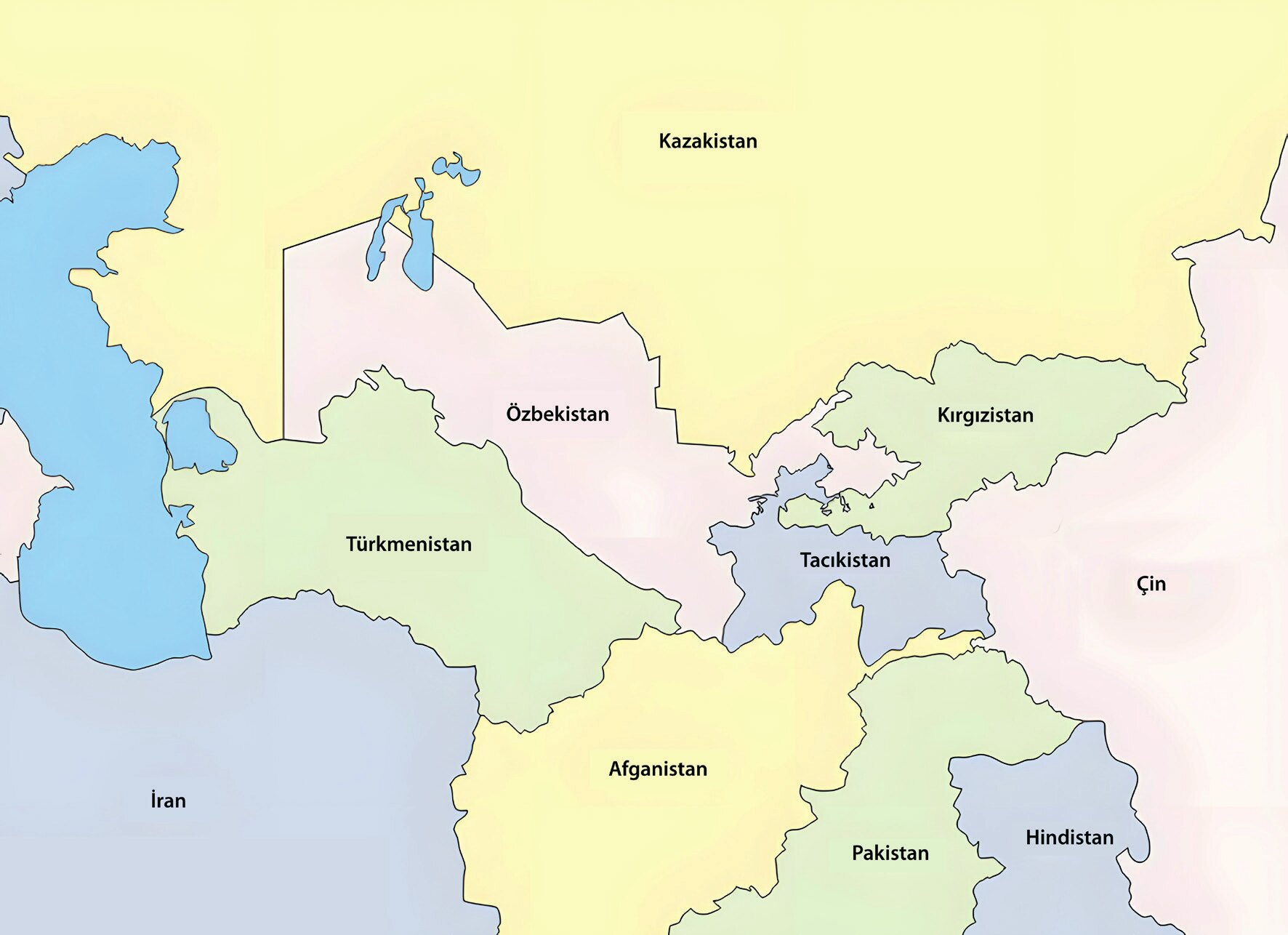
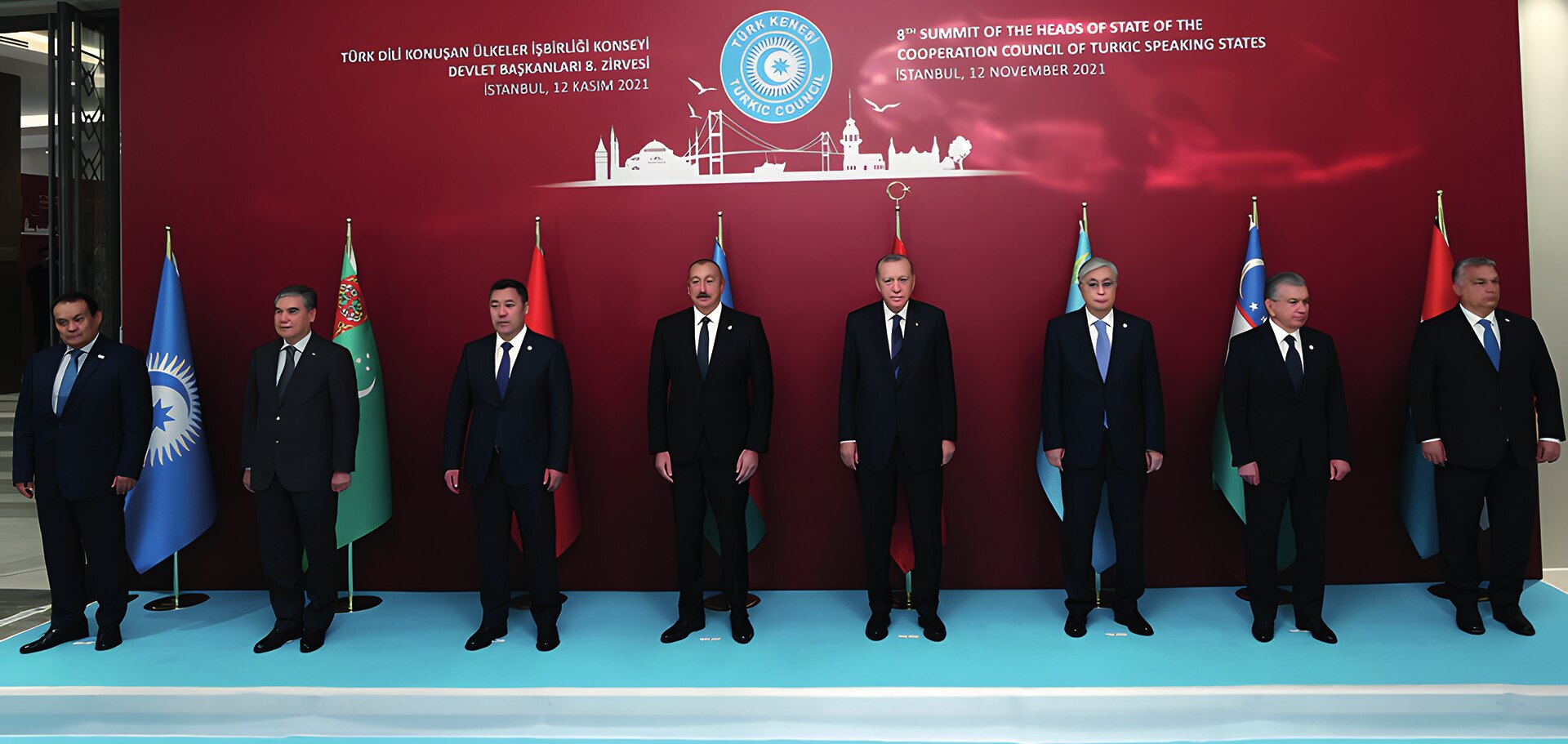
The turkic states are countries where the majority of the population speaks Turkic languages, including Türkiye, Azerbaijan, Kazakhstan, Uzbekistan, Kyrgyzstan, and Turkmenistan. The leaders of the aforementioned six countries announced at the 8th Heads of State Summit of the Cooperation Council of Turkic Speaking States (CCTS) in Istanbul on November 12, 2021, that they have decided to elevate the CCTS to the Organization of Turkic States (OTS), with Turkmenistan joining as an observer. This signified a significant shift from a loose cooperation mechanism to a formal international organization fostering collaboration among Turkic-speaking states.
Türkiye, as the driving force behind the integration movement of Turkic-speaking countries, has been actively engaged in regional affairs in Central Asia in recent years. Simultaneously, Türkiye’s policy towards the South Caucasus and Central Asia has shifted from economic pragmatism to a growing emphasis on political and military cooperation. In this regard, domestic and foreign scholars have extensively analyzed Türkiye from various perspectives, including the historical evolution of Pan-Turkism, soft power diplomacy, identity politics, geopolitics, and the Middle Corridor Project. This paper examines the background, implementation, and impact of Türkiye’s efforts in advancing Turkic state integration within the context of intense great power competition.
The Context of Türkiye’s Efforts in Promoting the Integration of Turkic States
In the latter half of the 19th century, Ottoman intellectuals developed a profound interest in the ethnic and cultural heritage of Central Asia, aiming to establish a connection between Türkiye and the Turkic peoples residing in Central Asia. This endeavor contributed to the emergence of (pan-) Turkism (Jeong, 2018Jeong, E. K. (2018). A Study on The Formation of Early Turkish Nationalism. Academia Via Serica, 3(1), 57-83.).
Historically, Türkiye’s pan-Turkic practice has experienced three brief upsurges, which occurred after the Russian October Revolution (1917), the Soviet-German War (1941), and the conclusion of the Cold War (1991). These occurrences were all directly linked to the erosion of Russian power. Influenced by the narrative of ethnic origins in Central Asia, Türkiye has always aspired to assume a leadership role in the regional integration of Turkic-speaking states. However, while pan-Turkism possesses a certain social foundation as an ideological trend, its practical implementation as a foreign policy orientation exhibits oscillating developments. In fact, pan-Turkism can only enter the policy sphere and shape Turkish diplomacy under favorable external circumstances. This is because the motivation of a state does not necessarily translate into corresponding diplomatic behavior. Implementing national ideas depends on whether the international system provides the necessary conditions.
Systemic Factors: Pluralistic Power Dynamics in Central Asia and the Contemporary “New Great Game”
Central Asia, as the pivotal point of the Eurasian continent, has facilitated the convergence and mutual influence between extraterritorial powers and internal political and cultural elements in the region, serving as a catalyst for shaping the Eurasian geopolitical landscape. Historically, the Greeks, Romans, Huns, Turks, Arabs, and Mongols have all played significant roles in Central Asia and beyond (Tao, 2016Tao, X. (2016). The Geopolitical Features of Central Asia and Their Implications. Peace and Development, (3), 71-74.). In recent years, with the strategic contraction of the United States from Central Asia, the region has entered an era of order reconstruction. Key actors involved in Central Asian affairs include Russia, China, the United States, the European Union, India, Pakistan, Iran, Saudi Arabia, Türkiye, and more. The contemporary involvement of major powers in Central Asia has been referred to as the “New Great Game” to distinguish it from the 19th-century rivalry between the British Empire and the Russian Empire in the region.
Different actors pursue different interests in Central Asia for various reasons. Since the onset of the Ukraine crisis, Western sanctions have expedited Russia’s integration efforts in Central Asia. For Russia, Central Asia serves as a strategically significant sphere of influence, a pivotal hub for constructing the Eurasian Economic Union (EAEU), and a crucial component in shaping the regional security hierarchy (Ping, 2022Ping, L. H. (2022). The Game of Great Powers and the Supply of Security Public Goods in Central Asia——Concurrently on China’s Strategic Choice. Journal of Xinjiang University(Philosophy and Social Sciences), (2), 47-55.). China, driven by the imperative to advance the Belt and Road Initiative and bolster its security, has placed heightened emphasis on fostering trade cooperation, intensifying counter-terrorism endeavors, ensuring stability in Afghanistan, and facilitating regional connectivity (Feng, 2020Feng, G. J. (2020). The Progress and Challenges of the Belt and Road Initiative in Central Asia. Peace and Development, (1), 97-112.). The Central Asia strategy of the United States aims to uphold its global hegemony, encompassing key objectives such as exerting influence over the political systems of Central Asian countries through “color revolutions”, promoting American values, containing Russian sway, and constraining China’s progress (Cai & Yi, 2020Cai, Y. Y., & Yi, Y. (2020). The Adjustment and Trend of U.S.’s Central Asia Strategy. Russian,East European & Central Asian Studies, (2), 19-37.). The European Union, in addition to aligning with the United States, is prioritizing energy development in the region. It aims to establish robust energy supply routes between Central Asia and Europe while also seeking to reduce Russia’s dominant position in the European energy market.
In addition to global powers, regional powers have presented their strategies for Central Asia. The approach of India towards Central Asia has gradually evolved from the initial “Look North” policy to an “extended neighborhood” policy and subsequently to a more comprehensive “Connect Central Asia” Policy (Li, 2019Li, W. Z. (2019). India’s “Connect Central Asia” Policy: Elements and Outcomes. China International Studies, (6), 67-83.). Pakistan is actively pursuing strategic depth in Central Asia, alongside the acquisition of energy resources to drive its economic development. In the context of the enduring rivalry between India and Pakistan, both countries maintain a competitive relationship in Central Asia. India perceives Central Asia as a strategically significant rear area, while Pakistan endeavors to impede India’s connectivity with Central Asia.
In West Asian countries, Saudi Arabia’s influence in Central Asia primarily lies within the religious domain. This includes the establishment of mosques, the provision of Arabic language courses, and the initiation of charitable funds. These efforts are aimed at disseminating Wahhabism and employing “mosque diplomacy” to counteract Iranian influence (Berdikeeva, 2020Berdikeeva, S. (2020). Saudi Arabia’s Growing Influence in Central Asia. Inside Arabia. Retrieved April 10, 2024 from). Iran shares a rich cultural and historical heritage with Central Asia and the Caucasus, actively promotes the proliferation of Persian language and culture, and strives to disseminate its religious model in Tajikistan (Dehshiri, 2020Dehshiri, M., Ghorbani, S., & Hekmatara, H. (2020). A Comparative Study on the Cultural Diplomacy of Iran and Saudi Arabia in Central Asia. Central Eurasia Studies, 13(2), 445-464.).
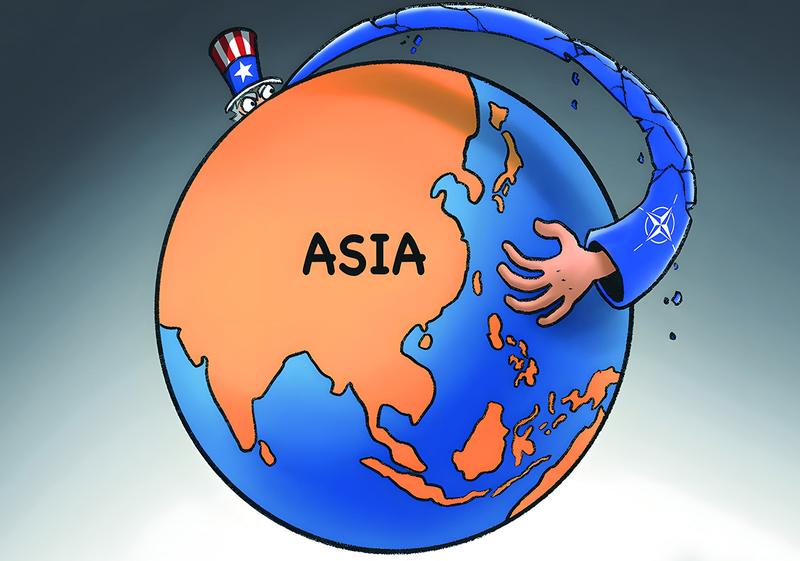
The interplay of US-Russia, India-Pakistan, and Saudi Arabia-Iran contradictions is intricately intertwined in Central Asia, with global and regional actors actively intervening in regional affairs. The power competition within the framework of the New Great Game hinders the effectiveness of the interaction mechanism. At the same time, divergent interest demands pose challenges for major powers to achieve consensus on Central Asian affairs. So far, Central Asia does not have a multilateral cooperation mechanism covering the United States, Russia, China, India, Europe, Iran, Saudi Arabia, and Türkiye. Various actors strategically align their policies through diverse mechanisms and platforms. For example, China and Russia effectively coordinate their policies within the framework of the Shanghai Cooperation Organization, while the United States and Europe synergize their policies through NATO.
Moreover, Saudi Arabia and Iran are trying to expand their influence through the Islamic Military Counter Terrorism Coalition (IMCTC) and the Economic Cooperation Organization (ECO), respectively. Consequently, despite the relative abundance of public goods in Central Asia, the regional governance mechanism tends to be personalized and instrumentalized. Central Asian countries, however, embrace the coexistence of diverse cooperation platforms, as the mutual containment of mechanisms allows for the preservation of their strategic autonomy (Hong, 2022Hong, Z. X. (2022). From Rule-based Governance to Relational Governance: The Evolution of Governance Models of Central Asian Countries in the Past Thirty Years. Northeast Asia Forum, (2), 40-65.).
To enhance their autonomy and mitigate the exclusive influence of regional hegemony, Central Asian countries employ a “balancing regionalism” strategy in managing their relationships with cooperation platforms. This balance is not a “hard balance” in military and economic terms but rather a “soft balance” against potential revisionist states by forming a complex network with major powers through different cooperation platforms. From the perspective of Central Asian states, diverse organizational relationships (such as those based on culture, language, religion, and geography) can expand the geographical boundaries of Central Asia and pose challenges in establishing dominant spheres of influence (Tskhay, 2020Tskhay, A., & Costa Buranelli, F. (2020). Accommodating Revisionism through Balancing Regionalism: The Case of Central Asia. Europe-Asia Studies, 72(6), 1033-1052.).
Establishing a cooperative platform among Turkic-speaking countries is justified and logical within this specific power structure. Although the notion of fostering a “Turkic Community” based on linguistic affinities overlooks the significant variations within the Turkic language family (Cinar, 2013Cinar, K. (2013). Turkey and Turkic Nations: A post-Cold War Analysis of Relations. Turkish Studies, 14(2), 256-271.), and the very concept of “Turkic” itself is contentious and constructivist, the alignment with “Turkic identity” serves to meet the demand of Turkic states for bolstering their autonomy, thereby constituting a crucial catalyst for the transformation of the CCTS.
In summary, Central Asia lacks indigenous security public goods, and the interaction between Central Asian states and major powers has resulted in a decentralized and multi-tiered power structure. Simultaneously, the ongoing New Great Game among major powers in Central Asia offers diversified choices to the countries in this region. The institutionalization of cooperation platforms among Turkic-speaking countries has positioned Türkiye as a significant player in the New Great Game. The Central Asian countries generally pursue a pluralistic and balanced approach to diplomacy, and cooperation platforms based on ethnic identity serve as a means to showcase their autonomy. While major powers are developing their versions of the Central Asia initiatives to seek influence, Türkiye, which positions itself as a global actor, endeavors to shape a favorable regional subsystem by spearheading the regional integration of Turkic states.
Unit Factors: Türkiye’s Strategic Autonomy and Global Actor Positioning
The formulation of foreign policy is a complex outcome resulting from the intricate interplay between systemic and unit-level dynamics. While the power of a state and its position within the international system significantly influence foreign policy formation, domestic factors such as perceptions and values also assume pivotal roles. After the establishment of the Republic, Türkiye pursued a policy of peace-oriented diplomacy, rejecting the adventurist policies associated with pan-Islamism, pan-Turkism, and irredentism. It strictly confined its foreign policy within the framework of nation states (Kürkçüoğlu, 1980Kurkcuoğlu, O. (1980). An Analysis of Ataturk’s Foreign Policy 1919-1938. The Turkish Yearbook of International Relations, (20), 133-187.; Göl, 2012Gol, A. (2012). A Short Summary of Turkish Foreign Policy: 1923-1939. Ankara Universitesi SBF Dergisi, 48(1), 57-71.; Güçlü, 2000Guclu, Y. (2000). The Basic Principles and Practices of the Turkish Foreign Policy under Ataturk. Belleten, 64(241), 949-968.). However, as Turkish nationalism constructed a narrative of Central Asian ethnic origins that idealized ancient Turkic traditions as the source of national culture, Türkiye’s sovereignty border and identity border became mismatched, resulting in tension between the transnational characteristics of cultural nationalism and the territorial characteristics of territorial nationalism (Tao, 2011Tao, Z. (2011). Modern State and Nation Building: A Study on Turkish Nationalism in the early 20th Century. Beijing: Sanlian Bookstore.).
Following the conclusion of the Cold War, Türkiye endeavored to enhance its position within the Atlantic Alliance and the Western world by taking a leading role in facilitating the economic, political, and religious transformation of Turkic-speaking states. At the time, Turkish policymakers widely believed that Türkiye, as a secular, democratic, pro-Western Islamic country with a market economy, had the potential to serve as a “bridge” between Central Asia and the West (Bal, 2017Bal, I. (2017). Turkey’s Relations with the West and the Turkic Republics: The rise and fall of the Turkish model. Routledge.). Therefore, the pan-Turkic practice pursued by Türkiye in the 1990s was essentially aligned with Western interests. Exerting influence in the “Turkic world” was perceived as a means to join the European integration process.
In the Justice and Development Party (AK Party) era, persistent frustration with E.U. membership sharply contrasts with the surging tide of Turkish nationalism. Since the Arab Spring, Türkiye’s pro-Western diplomacy has shifted towards a more proactive and comprehensive approach due to NATO Allies’ continued disregard for its security interests. “Looking East” has become the new norm, and developing relations with Russia, Iran, and China has emerged as an important method to balance Europe and the United States’ influence. Türkiye’s traditional geopolitical view has been to make a fundamental distinction between the “East and West” or “Europe and Asia”, aligning itself with the “Civilized Western World” within a dualistic framework.
During the AK Party era, Türkiye’s sense of autonomy evolved into a complex geopolitical identity wherein the West ceased to be the exclusive normative source. In a multipolar world, Türkiye has three origins: imperial, national, and religious, corresponding to three political ideologies (neo-Ottomanism, Turkism, and Islamism) and three state roles, i.e. the “successor” of the Ottoman Empire, “bellwether” of the Turkic States, and the “bastion” of the Islamic world (Hui, 2024Hui, D. D. (2024). An Analysis of Turkey’s Central Asia Policy from the Perspective of Complex Identity Politics. Forum of World Economics & Politics, (2), 68-89.). The ethnic and religious identities in Türkiye have converged within the realm of party politics and ideology. In 2018, the pro-Western forces experienced a setback as AK Party (with an Islamist background) forged an electoral alliance with MHP (with a nationalist background).
Leading the integration of Turkic-speaking states would demonstrate Türkiye’s independence and counterbalance its historical reliance on the West. As a global actor, Türkiye’s position within the Atlantic Alliance and OTS is functionally complementary. While NATO is highly institutionalized, Türkiye can only be integrated into the European military circle due to its geographic location, but it cannot gain recognition for its ethnic, religious, and cultural identity. In contrast, although less institutionalized than NATO, OTS can highlight Türkiye’s status and increase its voice in Central Asian affairs. Under the concept of strategic autonomy, Türkiye seeks to assert its position as an equal player in international relations rather than being relegated to a subordinate role by Western powers. One aspect of this self-centered strategic reorientation involves fostering closer integration with Turkic-speaking states.
Trigger Factors: The Nagorno-Karabakh war, the Afghanistan Upheaval, and the Russian Invasion of Ukraine
In addition to the systemic and unit-level factors, the Nagorno-Karabakh conflict in 2020, the United States’ withdrawal from Afghanistan in 2021, and the Russia-Ukraine war in 2022 have significantly propelled Türkiye’s efforts towards promoting the integration process.
Among the Turkic states, Azerbaijan has been aligned with Türkiye and serves as a strategic partner for Turkish influence in Central Asia. The bilateral relationship between these two countries is often summarized by “Bir millet, iki devlet” (One nation, two states). According to the Agreement on Strategic Partnership and Mutual Support concluded between the two countries in 2010, both Türkiye and Azerbaijan will support each other “using all possibilities” in the case of a military attack or aggression against either of the countries.
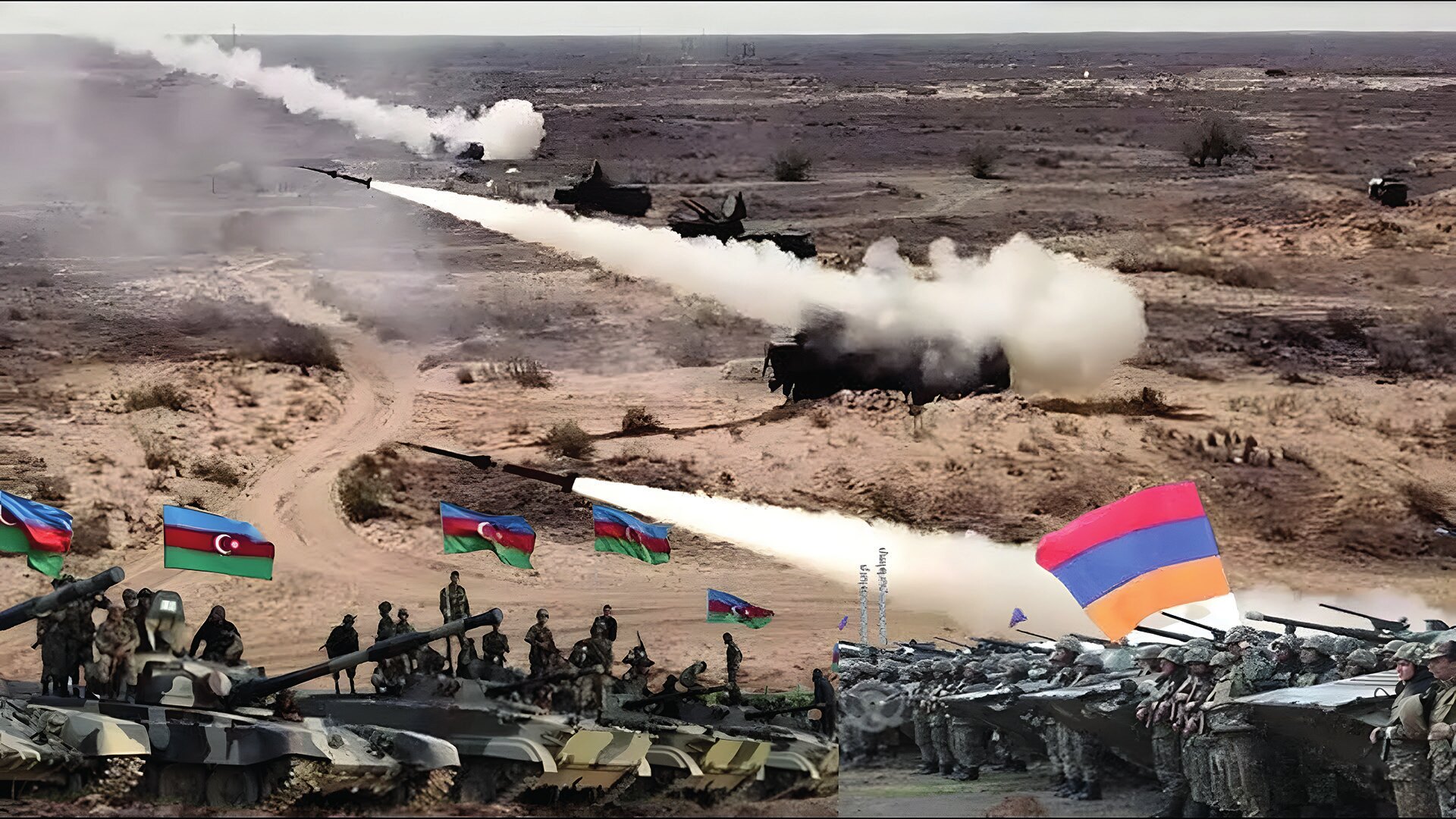
In September 2020, when conflict erupted between Azerbaijan and Armenia in the Nagorno-Karabakh region, Türkiye provided complete backing to Azerbaijan through various measures such as supplying drones and deploying military advisors (Isachenko, 2020Isachenko, D.. (2020). Turkey-Russia Partnership in the War over Nagorno-Karabakh”). Russia has demonstrated significant restraint in the conflict for strategic purposes, giving Türkiye ample opportunity to exert its influential power. With the support of Türkiye, Azerbaijan achieved a victory, reclaiming significant portions of territory and reshaping the geopolitical landscape of the South Caucasus.
The Nagorno-Karabakh War solidified the Turkish-Azerbaijani alliance and enhanced Türkiye’s prestige in the Turkic-speaking countries. Hüseyin Bağcı, the president of the Foreign Policy Institute, said: “Azerbaijan’s victory of the Nagorno-Karabakh conflict during its chairmanship of the Turkic Council has had a significant impact on the regional landscape, bolstered the morale of the Turkic world, established a solid foundation for Turkic integration, and paved the way for this year’s successful convening of the Turkic Council summit. Now, as Türkiye assumes the rotating presidency of the Turkic Council, it will continue to capitalize on the resilience demonstrated in resolving the Nagorno-Karabakh conflict and effectively lead the whole Turkic world (Yuan, 2021Yuan, F. (2021). Turkic-speaking countries accelerated the process of integration. Retrieved April 15, 2024 from)”.
Türkiye proclaimed the victory in the Nagorno-Karabakh War as a triumph for Turkic-speaking states, strategically utilizing it to garner support from Uzbekistan and Turkmenistan. Shortly after the war, Turkish Defense Minister Hulusi Akar led a delegation to Central Asia and received a warm reception. During the visit, Türkiye entered into military cooperation agreements with Uzbekistan and Kazakhstan. Furthermore, the OTS Heads of State Summits of 2021, 2022, and 2023 expressed unwavering support for Azerbaijan’s cause while characterizing the Nagorno-Karabakh War as an embodiment of the indissoluble brotherhood among Turkic-speaking states.
The turmoil caused by NATO’s withdrawal from Afghanistan in 2021 has provided a new incentive for Türkiye to lead the integration of Turkic-speaking countries. Two factors have influenced Türkiye’s focus on Afghanistan. The first is ethnic identity. In Türkiye’s view, the Uzbeks and Turkmen of northern and central Afghanistan are “Turks beyond the borders”, and their homeland, “South Turkestan”, has historical ties with Türkiye (The Arab Weekly, 2021The Arab Weekly. (2021). Enthusiasm for Kabul Airport Mission Betrays Turkey’s Strategic Ambitions in Central Asia. Retrieved April 15, 2024 from). Based on this understanding, Türkiye established consulates in Kabul, Herat, Kandahar, and other locations while founding educational and training institutions to enhance its influence among Turkic ethnic groups. The second is religious identity. Türkiye and the countries of Central Asia, which are predominantly Sunni Islamic nations, have witnessed the emergence of the Taliban in Afghanistan. This serves as a significant indication of the resurgence of radical Islam. Against this backdrop, there is an opportunity for Türkiye’s moderate form of Islam to exert greater influence.
In light of the turmoil in Afghanistan, the Turkic-speaking states of Central Asia recognize the imperative to coordinate their policies to effectively address potential instability, thereby presenting an opportunity for Türkiye. On September 27, 2021, Türkiye convened a meeting of foreign ministers of the Turkic Council to discuss the situation in Afghanistan. Turkish Foreign Minister Mevlüt Çavuşoğlu stressed that the “Turkic world” should be united and make its voice heard, as millions of Turkic relatives live in Afghanistan, a fact that was of direct relevance to Turkic-speaking countries (Yüzbaşıoğlu, 2021Yuzbaşıoglu, N. & Cetinkaya, B. (2021). Turkic Council Meets in Istanbul to DiscussAfghanistan. Anadolu Retrieved March 25, 2024 from). The expeditious withdrawal of American troops from Afghanistan has been characterized by disorder, leading to extensive dissatisfaction among its allies. The Central Asian countries have to seek an external balance of power amidst the “unpredictability” of the United States and the “assertiveness” of Russia. At the same time, Türkiye has successfully expanded its influence (Zhi, 2022Zhi, S. Z. (2022). Security in Central Asia after the Changed Political Situation in Afghanistan: Great Powers Game and Regional Cooperation. Russian, East European & Central Asian Studies, (1), 1-16.).
The 2022 invasion of Ukraine by Russia has somewhat diminished Russia’s influence in Central Asia, prompting Turkic-speaking countries in the region to place greater emphasis on the subjectivity of their own national culture and bolster their Turkic identity. The Central Asian countries value their independence at a practical level. Yet, they rely on Russia in the economic and security domains, placing them in a delicate position amidst the Russia-Ukraine war.
Broadly speaking, the attitudes of the Turkic countries can be categorized into three distinct approaches: Türkiye adopts a policy of strategic balance and hedging; Azerbaijan perceives the Russo-Ukrainian war as an opportunity to expand its gains, aiming for territorial integrity; The Turkic states in Central Asia are both reliant on and concerned about Russia, with their primary objective being risk avoidance and safeguarding sovereignty. Prior to the invasion of Ukraine, Putin approached Kazakhstan in an attempt to seek collaborative action. However, Kazakhstan remained unswayed and declined to acknowledge the legitimacy of Crimea’s situation and the self-proclaimed “independence” of Donetsk and Luhansk (Umarov, 2022Umarov, T. (2022). After Ukraine, Is Kazakhstan Next in the Kremlin’s Sights? Carnegie Endowment for International Peace. Retrieved April 25, 2024 from adresinden alınmıştır.).
Moreover, Putin’s remarks on the history of the Soviet Union and Central Asia have raised concerns in Central Asian countries, prompting them to promote cultural de-Russification further. Cultural cooperation is precisely the focal point of collaboration within the OTS, distinguishing it from the SCO and CSTO. Since the invasion of Ukraine by Russia, Turkic-speaking countries have witnessed a surge in their level of engagement. The visit of Kazakh President Tokayev to Türkiye in May 2022 elevated bilateral relations to a strengthened strategic partnership, with both influential powers within the “Turkic world” actively pursuing an expansion of the OTS’s influence.
Türkiye’s efforts to facilitate the integration of Turkic States
Türkiye actively promotes the concept of a “Turkic World” and fosters cooperation mechanisms among Turkic-speaking countries. Historically, Türkiye’s pan-Turkic policy has focused on cultural, economic, and educational domains. Within the framework of the Turkic Council and OTS, Türkiye actively promotes the exploration and dissemination of Turkic heritage through institutions such as the International Organization of Turkic Culture (Türksoy, renowned as the “UNESCO of the Turkic World”), the Parliamentary Assembly of Turkic States (TÜRKPA), the Turkic Academy, the Turkic Culture and Heritage Foundation, and other organizations.
In the field of education, various institutions, including the Ministry of National Education, the Ministry of Culture and Tourism, the Turkish Cooperation and Coordination Agency (TIKA), the Maarif Vakfi Foundation, and Yunus Emre Enstitusu Institute, among others, offer a plethora of exchange opportunities for students from Central Asian countries. The 8th Summit of the Turkic Council in 2021 has resolved to establish a Turkic Investment Fund, establish a television channel dedicated to Turkic-speaking countries, foster a unified higher education area, and compile comprehensive works on Turkic World Geography and Turkic Literature.
According to Türkiye, integration in the low-political spheres of education, culture, and economy is necessary for realizing the vision of a “Turkic century” (Tomar, 2021Tomar, C. (2021). From Turkic-speaking Countries to Turkish States. Anadolu Agency. Retrieved April 20, 2024 from). At the same time, based on soft power, Türkiye has also sought breakthroughs at the institutional level in recent years.
First, cooperation with Kazakhstan should be promoted through a high-level strategic partnership. During the era of Nursultan Nazarbayev, Kazakhstan became the most developed country in Central Asia by virtue of its geographical and economic advantages (Yılmaz, 2017Yılmaz (2017). The source article does not provide a separate full bibliographic entry for this citation.). Kazakhstan is home to the second-largest number of Turkish expatriates. The two countries established a strategic partnership in 2009 and formed a High-level Strategic Cooperation Committee (HLSCC) in 2012 to institutionalize the strategic partnership. In addition, the two countries have maintained cooperation in multilateral platforms such as the Organization of Islamic Cooperation (OIC), the Organisation for Economic Cooperation and Development (OECD), and the Conference on Interaction and Confidence-Building Measures in Asia (CICA).
After Türkiye downed a Russian warplane in 2015, Nazarbayev assumed the role of a mediator in Türkiye-Russia relations, and he became the first head of state to visit Türkiye following the coup attempt on July 15, 2016. In 2017, Türkiye joined the Astana Process on the Syria issue. When Kasim-Jomart Tokayev came to power in 2019, he continued his predecessor’s foreign policy. Against the backdrop of Russia’s invasion of Ukraine, President Tokayev embarked on a state visit to Türkiye in May 2022, during which the two nations solidified their strategic partnership by signing a joint statement. The memorandum of military-technical cooperation grants authorization to Kazakhstan Engineering to establish an ANKA UAV assembly line. Scholars in Kazakhstan and Türkiye commonly assert that the two nations serve as indispensable pillars of the “Turkic World” and that their collaboration epitomizes a profound sense of brotherhood.
Second, improve relations with Uzbekistan, persuade it to join the Turkic Council, and bridge the gaps in cooperation among Turkic-speaking countries. Uzbekistan’s strategic location, amidst Turkmenistan, Afghanistan, Tajikistan, Kyrgyzstan and Kazakhstan, presents Türkiye with a unique opportunity to exert its influence in Central Asia (Cornell, 2000Cornell, S. E. (2000). Uzbekistan: A regional player in Eurasian geopolitics?. European Security, 9(2), 115-140.). However, Uzbekistan has historically shown limited interest in Türkiye’s regional cooperation initiatives. Throughout the Islam Karimov era, the two countries experienced tensions regarding religious schools, extremism, and human rights issues (Yalinkiliçli, 2018Yalinkilicli, E. (2018). Uzbekistan as a gateway for Turkey’s return to Central Asia. Insight Turkey, 20(4), 27-44.). Relations between the two countries underwent a positive transformation following Shavkat Mirziyoyev’s assumption of power in 2016, as the new government adopted a more inclusive foreign policy that was warmly received by Türkiye.
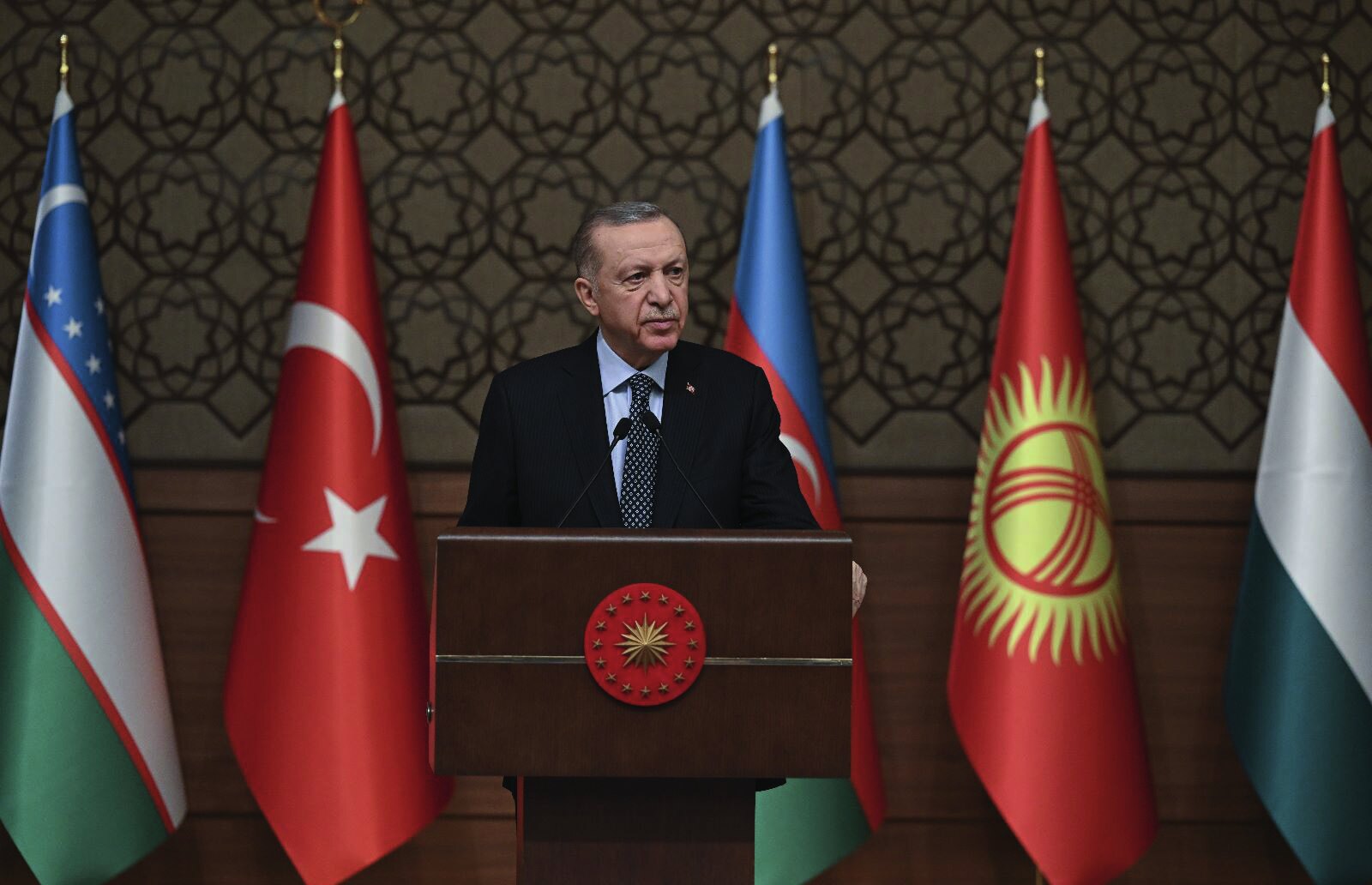
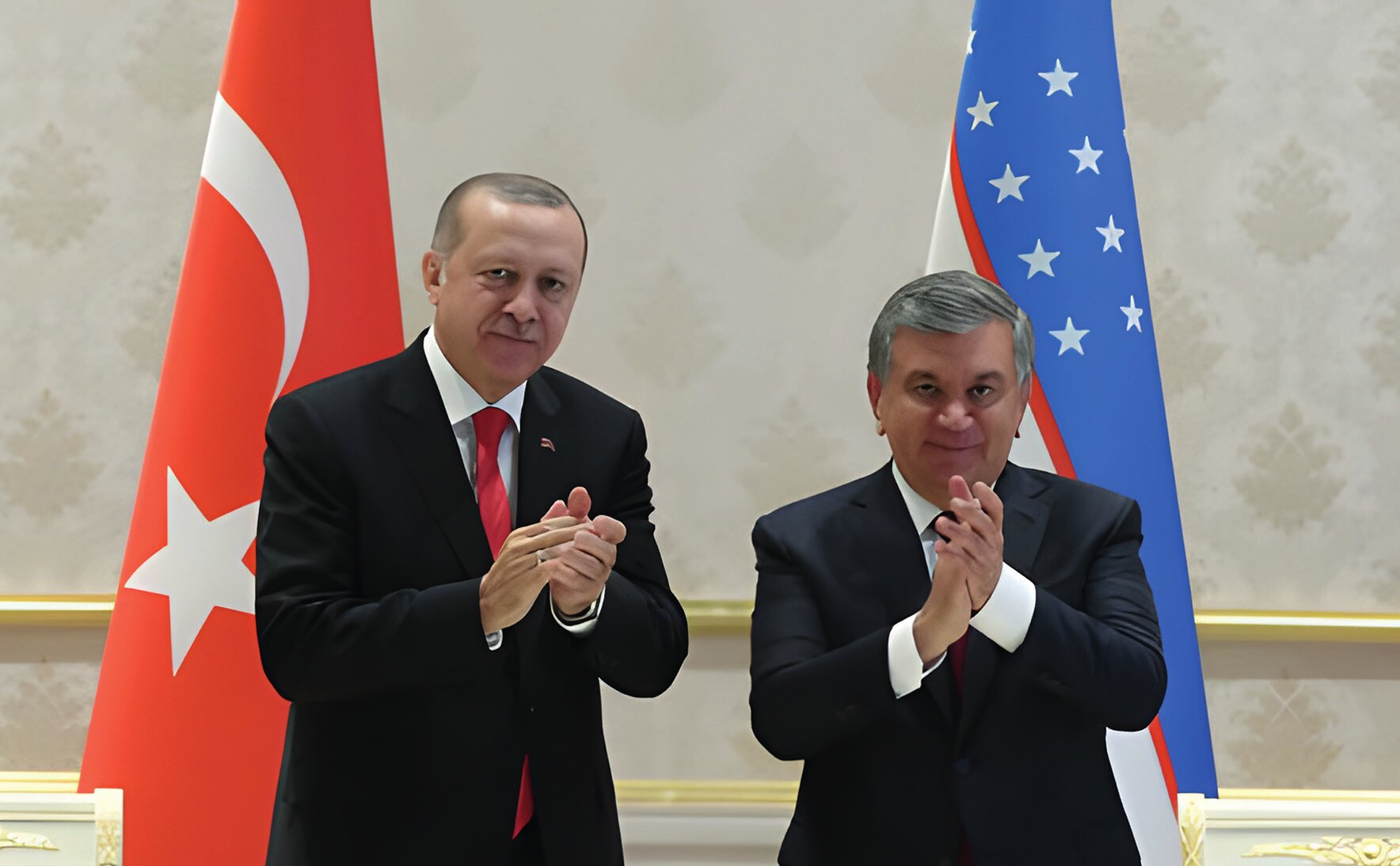
In 2017, Mirziyoyev made history by becoming the first Uzbek president to visit Türkiye in over two decades. Subsequently, in April 2018, Erdogan paid a return visit, and the two countries signed several agreements. It was after this visit that Uzbekistan decided to join the Turkic Council. In addition, Mirziyoyev put forward the New Uzbekistan Strategy, believing that the development model of Türkiye can be used for reference (Kemaloğlu, 2020Kemaloğlu, İ. (2020). Mirziyoyev’in Ziyareti Cercevesinde Turkiye-Ozbekistan Ilişkileri. Anadolu Ajansı. Retrieved February 21, 2024 from).
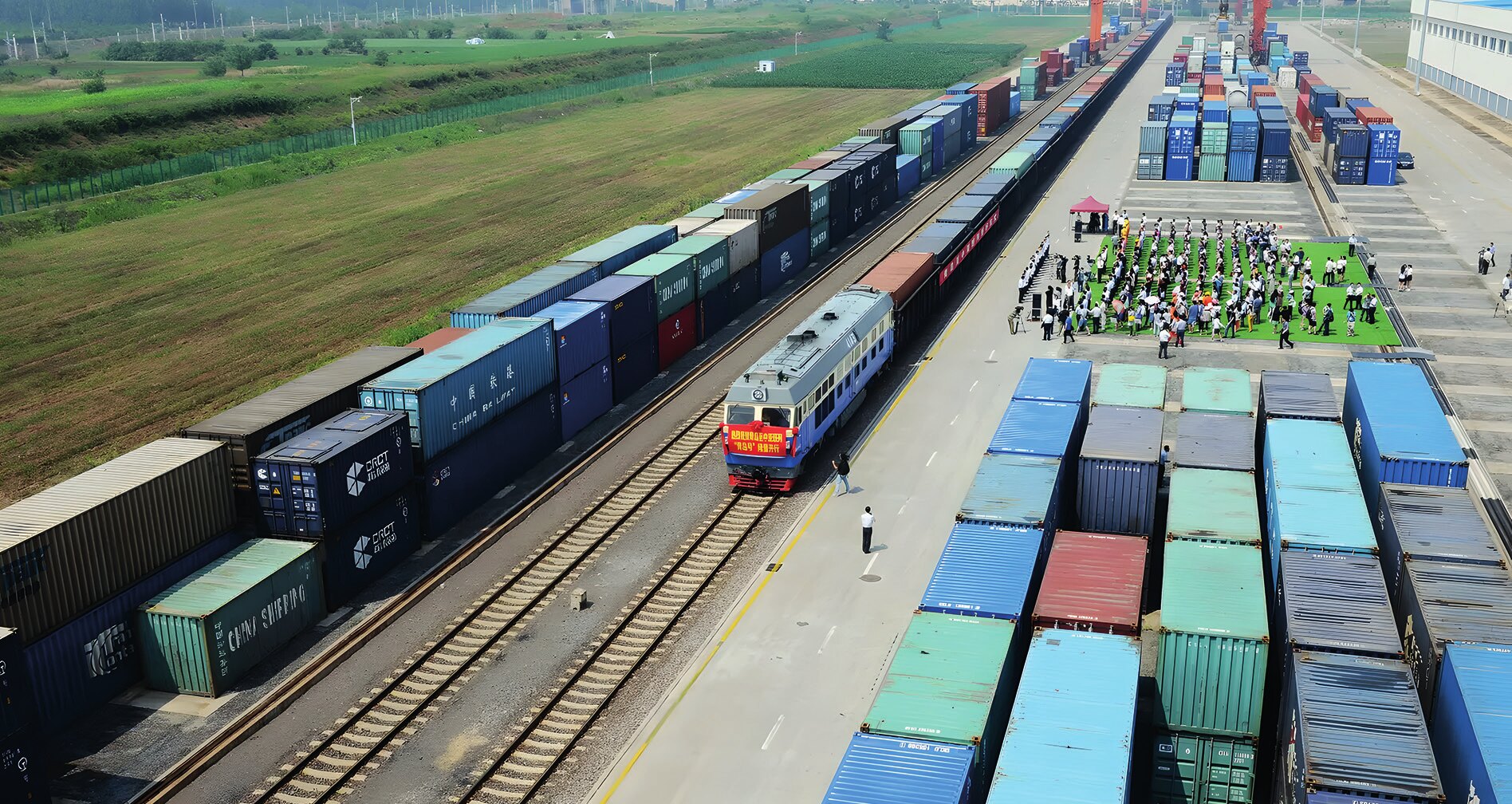
Third, strengthen the “blood alliance” with Azerbaijan, facilitate direct land connections with Central Asia through the Zengezur corridor project, and promote transport inter-connectivity. The Shusha Declaration of June 15 2021, facilitates extensive collaboration between the two nations in politics, economics, and security. Furthermore, Türkiye and Azerbaijan actively promote the Zangezur Corridor project, which aims to establish direct transportation connections between the Nakhchivan Autonomous Republic and Azerbaijan. If the project is realized, Türkiye could establish direct links with Azerbaijan and Central Asia. Therefore, some scholars refer to the Zenger Corridor as the “Turan corridor”, envisioning it as a catalyst for fostering unity within the “Turkic World”.
Fourth, facilitate the enhancement of Turkmenistan-Azerbaijan relations and establish an energy transportation hub by implementing a trilateral mechanism. For Türkiye, Azerbaijan serves as a “springboard” to Central Asia, while Turkmenistan acts as a “bridgehead” across the Caspian Sea into Central Asia. However, Azerbaijan and Turkmenistan have long been in constant conflict over the development of Caspian Sea resources, which has hindered the progress of Türkiye’s Middle Corridor project.
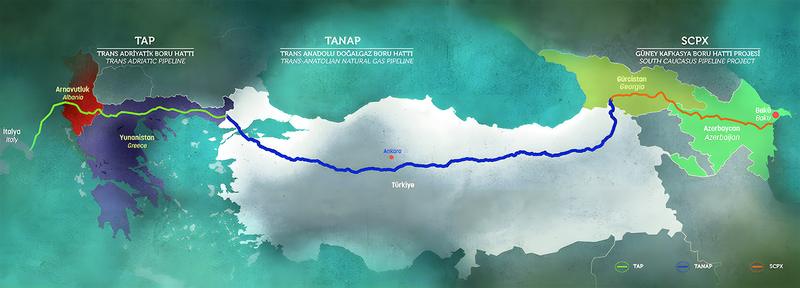
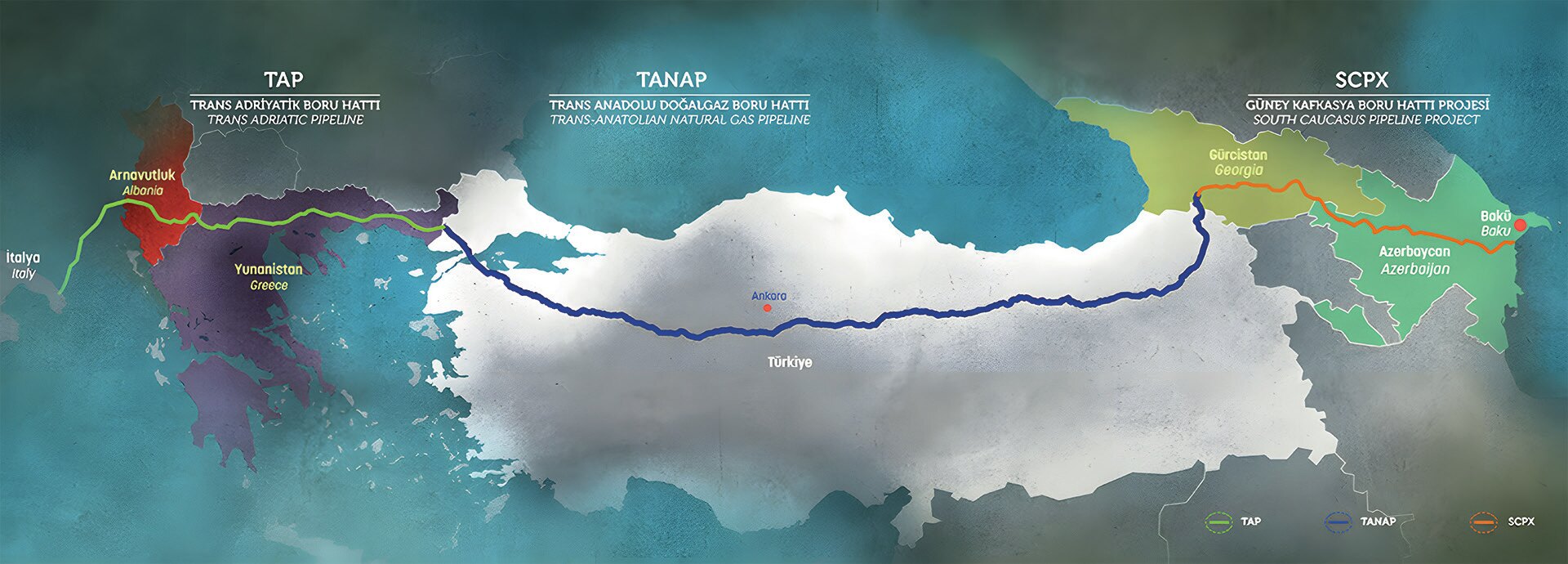
Another consequence of the ongoing dispute between the two nations is that Turkmenistan, despite possessing vast reserves of natural gas (ranking as the fourth largest in the world), faces limitations in supplying the European market, resulting in a deficiency within the Trans Anatolian Natural Gas Pipeline Project (TANAP). In January 2021, Turkmenistan and Azerbaijan reached an agreement on developing oil and gas resources in the Caspian Sea with the mediation of Türkiye (Rehimov, 2021Rehimov, R. & Varan, G. (2021). Azerbaycan ve Turkmenistan Hazar’daki “Dostluk” Petrol Yatağının Ortak Işletilmesi Konusunda Anlaştı. Anadolu Ajansı. Retrieved January 20, 2024 from). The agreement removes obstacles to the Trans-Caspian gas pipeline project and can support Türkiye’s goal of diversifying its energy sources and establishing itself as an energy hub.
As a result, the tripartite mechanism established in 2014 by Türkiye, Azerbaijan, and Turkmenistan has evolved into a comprehensive partnership and become a significant driving force for multilateral cooperation among Turkic-speaking countries. The first Trilateral Summit of the Heads of the three countries was held in Turkmenbashi on December 14 2022. In April 2024, Erdogan signed a decree approving the intergovernmental agreement “On Trade and Economic Cooperation between Azerbaijan, Türkiye and Turkmenistan”.
As seen from the aforementioned developments, the transformation of the Cooperation Council of Turkic Speaking States into an Organization of Turkic States is closely linked to the international environment, regional dynamics, and Türkiye’s active efforts in recent years. In light of the 30th anniversary of Central Asian countries’ independence, Türkiye capitalized on its advantageous position as the president of the Turkic Council to actively promote pan-Turkic cooperation, foster integration among Turkic-speaking states, and assert its leadership role in the “Turkic world”.
Cultural soft power is Türkiye’s advantage in promoting the integration of Turkic-speaking countries. In international relations, hard power refers to the ability to coerce other countries into altering their behavior, typically through economic and military means. Soft power, on the other hand, represents an intangible source of influence that shapes others’ preferences. In Central Asia, Türkiye has established a competitive field of cultural soft power, with its main initiatives including the promotion and dissemination of Turkic culture, advocacy for the Latinization of Turkic languages, attracting students from Central Asia through educational collaborations, and developing textbooks to enhance the allure of Turkic culture.
Bilateral relations are fundamental to Türkiye’s efforts to integrate Turkic-speaking countries, and promoting multilateral relations through bilateral ties is the main method by which Türkiye can enhance its level of cooperation. Türkiye has institutionalized strategic cooperation with Azerbaijan, Kazakhstan, Kyrgyzstan, and Uzbekistan. Compared to the unrealistic pan-Turkic goals of the 1990s, Türkiye in the AKP era has demonstrated a more balanced and pragmatic approach to bilateral relations and multilateral cooperative mechanisms. Since the OTS has been unable to meet diversified demands, Türkiye has favored issue-based cooperation in different areas. In the economic sphere, it focuses on energy cooperation with Azerbaijan and Turkmenistan based on the Trilateral Mechanism to create an energy hub. In the security sphere, it focuses on strengthening the construction of a security community with Azerbaijan and Northern Cyprus. Regarding the Afghanistan issue, it maintains interaction and coordination with Kazakhstan, Uzbekistan, and Kyrgyzstan.
The Implications of Türkiye’s Promotion of Integration of Turkic States
Türkiye’s institutionalization of cooperation among Turkic-speaking countries partly caters to the need for Central Asian countries to “keep warm together”, but Türkiye’s goals are not limited to the lower political sphere, and it is also attempting to expand its influence in the broader region through pan-Turkic cooperation. In the South Caucasus, Türkiye utilizes the Nagorno-Karabakh War to compete with Russia for influence in the post-Soviet space. In the Eastern Mediterranean, Türkiye seeks to integrate Northern Cyprus into the pan-Turkic agenda by persuading OTS member states to recognize the independent status of the Turkish Republic of Northern Cyprus, thereby easing its isolation in the region. In the Black Sea region, Türkiye defends the rights of Crimean Tatars (considered a Turkic people) and opposes Russia’s annexation of Crimea.
First, the Nagorno-Karabakh war bolstered the separatist sentiments among Azerbaijanis residing in northern Iran, thereby raising concerns within Iran. Azerbaijanis constitute 20% of Iran’s total population and primarily reside in the northern region adjacent to Azerbaijan. During his visit to Azerbaijan on December 10, 2020, Erdogan recited a poem that mourned the separation of Azerbaijani people in both Azerbaijan and Iran by the Aras River. This poem is perceived as a representation of pan-Turkism and “Whole Azerbaijan” in Iran, thus provoking widespread indignation in Iran. There is also economic competition between Iran and Türkiye in the South Caucasus and Central Asia. Iran is concerned that the Turkish-promoted Trans-Caspian Middle Corridor initiative and the Lapis Lazuli Corridor Agreement risk excluding itself from regional networks, limiting its trade relations with Central Asian countries (Vatanka, 2022Vatanka, A. (2022). Iran, Turkey, and the future of the South Caucasus. The Middle East Institute. 5 Nisan 2024 tarihinde adresinden alınmıştır.).
In the north-south direction, regarding the Zengezur Corridor project initiated by Türkiye and Azerbaijan to connect “300 million Turkic people”, Iran has emphasized that it will not tolerate any attempt to seal the Iran-Armenian border, as this is a “red line” in its Caucasus policy (Sargsyan, 2022Sargsyan, A. (2022). Iran to counter Turkish-Azeri attempts of “corridor” at any cost: Expert on Raisi’s warning to Ankara and Baku. Armenpress. 12 Mart 2024 tarihinde). Iran has enhanced its cooperation with Russia and Armenia in response to the changes. The South Caucasus region has witnessed the emergence of two delicate alignments: Türkiye, Azerbaijan, and Georgia on one side and Russia, Armenia, and Iran on the other. These two alignments are intricately intertwined with multiple alliances or adversarial relationships involving Iran and Israel, Türkiye and Turkic-speaking countries, as well as Armenia and Russia.
Second, Russia is concerned about its strategic interests in Central Asia and the Caucasus. Russia has always been the dominant power in the Caucasus and Central Asia. Militarily, Russia maintains military bases in Kyrgyzstan and Tajikistan. Following the Taliban’s rise to power in Afghanistan, the Russian-led Collective Security Treaty Organization (CSTO) reinforced its “alliance responsibility” by conducting a series of joint military exercises with Kazakhstan, Kyrgyzstan, and Tajikistan. These exercises aimed to alleviate the security concerns of Afghanistan’s neighboring countries while enhancing their reliance on Russia for security assistance (Pannier, 2021Pannier, B. (2021). Central Asia: Getting Pulled From All Directions At The Crossroads Of Eurasia. Radio Free Europe. Retrieved February 21 2024 from). However, while Russia plays an important political and security role in Central Asia, its influence is declining. This is due to a growing sense of subjectivity and a trend towards linguistic and cultural de-Russification in Central Asian countries. In this regard, the cultural pressure exerted by Türkiye on the “post-Soviet space” contributes to Russia’s negative attitude towards the Organization of Turkic States.
Third, China is concerned that Pan-Turkism may fuel separatism and result in them becoming geopolitical pawns for the U.S. and the West. Northwest China is home to a significant Turkic-speaking population, primarily residing in the Xinjiang region. In recent years, certain right-wing factions in Türkiye have leveled accusations and criticisms against China regarding ethnic and religious issues related to Xinjiang. China is concerned that violent terrorist forces, ethnic separatist forces, and religious extremist forces may use the platform of cooperation among Turkic-speaking countries to launch anti-China activities. In addition, given Türkiye’s NATO membership and within the context of the United States’ strategic containment of China, China is concerned that the OTS could potentially be utilized as a geopolitical tool by the United States.
In recent years, the normal cooperation between China, Russia, and Iran is considered by some American scholars as the “Eurasian Triangle Axis”. Coincidentally, the Organization of Turkic States also has the potential to exert a negative influence on these three countries. Therefore, China’s stance towards OTS largely depends on its perception of the China-US strategic competition.
Conclusion
The institutionalization of cooperation platforms among Turkic-speaking countries is one of the many manifestations of order adjustment in Central Asia. Central Asia and the South Caucasus lie at the heart of Eurasia and are hubs of trade and cultural exchange between Russia and India, China and Europe, and the Caspian and Black Seas. The region’s geographical crossroads character determines the diversity of cultural sources (Slavic, Western, tribal, and Islamic), shaping the complex nature of national identity in these regional countries.
Amidst significant transformations, Turkic-speaking states strive to mitigate risks through regional cooperation, avoiding being confined to binary choices, becoming entangled in incompatible interest disputes, or being manipulated as pawns in power dynamics. As a countermeasure, the Central Asian countries employ the summit meeting mechanism to mitigate their contradictions and enhance regional coordination. Simultaneously, they maintain multi-level, multidirectional, and multifunctional cooperative relations with major countries, serving as ties that accommodate their diverse national identities. Cooperation based on cultural and linguistic similarities provides ample space for imagination in such an environment.
Türkiye’s enthusiasm for integrating Turkic-speaking countries expresses its strategic realignment. In the AKP era, Türkiye’s national strategy has shifted towards a more Eurasian orientation, with the objective of European Union membership being superseded by a focus on revitalizing Türkiye’s greatness. To this end, Türkiye has embraced identity politics and promoted the integration of Turkic-speaking countries. In the new era, great powers engage in “soft competition” in Central Asia, encompassing competition in mechanisms, efficiency, and identity, which serves as a litmus test for their capacity to provide public goods.
Türkiye’s promotion of the expansion, renaming, and institutionalization of the cooperation platform of Turkic-speaking states has a twofold objective: firstly, to promote internal integration within the “Turkic world”, and secondly, to play a greater role in various issues such as South Caucasus issue, the Tajik-Kyrgyzstan conflict, Afghanistan reconstruction, and the recognition of Northern Cyprus. To avoid misunderstanding, both Erdogan and Nazarbayev emphasized that the Organization of Turkic States does not have any specific targets against third parties. However, the impact of OTS on Eurasian geopolitical dynamics will depend on its ability to avoid being manipulated as a pawn in the great powers’ geopolitical competition while simultaneously promoting regional multilateral cooperation.