Introduction
Since türkiye’s justice and development Party (AK Party) came into power in 2002, Türkiye’s investment in Africa has increased significantly. In the past twenty years, the relationship between Türkiye and Africa has become increasingly close. Türkiye’s strategy towards Africa presents a more multidimensional feature.
The earliest connection between Türkiye and the African continent can be traced back several centuries. From the founding of Türkiye in 1923 to 1998, Türkiye had little interaction with Africa. The reason is that Türkiye, on the one hand, lacked the economic resources to implement its African policy in the early days of its founding. On the other hand, Türkiye pursued a Western-oriented foreign policy and did not attach importance to developing relations with Africa. In the 1950s and 1960s, the countries on the African continent became independent one after another. Türkiye recognized the newly established African countries and set up consulates or embassies in these countries. The relationship between Türkiye and Africa began to increase. As Africa’s position in the international strategic landscape gradually rises, the participation and competition of traditional and emerging African powers are also rising. In recent years, Türkiye’s strategic investment in Africa has been increasing. Türkiye’s relations with Africa have made important progress in many dimensions, such as political exchanges, economic trade, military security cooperation, and soft power diplomacy, which have attracted extensive attention from the international community. The main motivations of Türkiye’s multidimensional strategy for Africa include seeking economic interests, pursuing diplomatic and military strategic autonomy, and highlighting Türkiye’s emerging power status and influence. In the future, Türkiye’s Africa strategy has both opportunities and challenges. Unlike Western countries, Türkiye’s multidimensional strategy towards Africa is more economic and non-interference, emphasizing equality and paying more attention to details, which has won the support and recognition of many African countries from the official to the public. This advantage and the uniqueness of Türkiye’s Africa strategy also laid a good foundation for the sustainable development of Türkiye-Africa relations. However, Türkiye’s Africa strategy also faces many challenges at the domestic and international levels, including Türkiye’s domestic economic support capacity, strategic firmness, the limit of participation, and competition and pressure from major powers outside the region. Keywords: Africa, motivations, Multidimensional strategy, prospects, Türkiye Since the 1980s, with the onset of globalization and the diversified development of Türkiye’s foreign policy, the connections between Türkiye and Africa have continued to increase. Türkiye launched its foreign official development assistance program for the first time in the mid-1980s, and its aid target was African countries. At that time, Türkiye organized and formulated a comprehensive assistance plan worth 10 million dollars aimed at institutional capacity-building in Gambia, Guinea, Guinea Bissau, Mauritania, Senegal, Somalia, and Sudan. In 1998, the Ministry of Foreign Affairs of Türkiye released the first “Action Plan for Africa” for opening up to the African continent. The plan emphasizes strengthening Türkiye’s political, economic, and cultural relations with Africa and suggests strengthening Türkiye’s diplomatic representation in Africa. It proposed that Türkiye’s diplomatic representation in Africa be enhanced, and new embassies were opened in Ghana, Cote d’Ivoire, and Zimbabwe, in addition to twelve existing embassies (Kaya, 2021Kaya, A. (2021). How Türkiye built ties with the African continent over 23 years. TRT World. Retrieved March 5, 2024 from).
The AK Party government led by the current Turkish President Recep Tayyip Erdogan came to power in 2002, marking an important turning point in Türkiye-Africa relations. The connection between Türkiye and Africa has greatly deepened since then. Throughout the last two decades, relations with Africa have become one of the prime orientations of Turkish foreign policy (TABEF, 2024TABEF (2024). Bilateral Relations. Retrieved February 2, 2024 from). Türkiye’s Africa policy since the AK Party came to power can be divided into two stages. From 2002 to 2014, Türkiye introduced itself to Africa through the Africa Initiative policy. Since 2014, Türkiye has strengthened its multi-faceted institutional and institutional ties with Africa. Türkiye’s multidimensional strategic strategy towards Africa has gradually become more prominent, and Türkiye’s relations with Africa have become more focused on practical interests. 2023 marks the centenary of Türkiye’s founding, and Türkiye also held parliamentary and presidential elections. After the election, Türkiye’s new Foreign Minister, Hakan Feidan, elaborated Türkiye’s foreign policy vision at the centennial of its founding, which stated: “Our African Partnership Policy is a showcase of our multidimensional, enterprising, and humanitarian foreign policy.” (Fidan, 2023Fidan, H. (2023). Turkish Foreign Policy at the Turn of the ‘Century of Türkiye’: Challenges, Vision, Objectives, and Transformation. Insight Türk mation. Insight Türkiye, Summer, 25(3). iye, Summer, 25(3).).
Africa is now increasingly important in Türkiye’s global military, economic and energy strategy. It is becoming an important region for Türkiye to expand its military influence and develop new economic growth points and energy suppliers. Therefore, Africa has become a “new continent” for Türkiye to pursue great power status and highlight its leadership. Also, Türkiye’s growing engagement in Africa appears to be complementary to Ankara’s relations with the West or the Global North and a strategic threshold point in its relations with the rest of the world, particularly the Global South (Bayram, 2020Bayram, M. (2020). Türkiye and Africa in the Context of South-South Cooperation. Curr Res Soc Sci, 6(1), 39-51.).
At present, the research and analysis on Türkiye’s African strategy is gradually increasing. Many scholars have analyzed the progress of Türkiye’s African policy from political, economic, and security perspectives. Asli Ilgit (2023) interpreted the transformation of Türkiye’s African policy from the perspective of emotion and ontological security and indicated that the change in Türkiye-Africa relations is the manifestation of the transformation of Türkiye’s identity and foreign policy, and humanitarianism and Africa have also become the two hallmarks of Türkiye’s “new” foreign policy. Mürsel Bayram (2020Bayram, M. (2020). Türkiye and Africa in the Context of South-South Cooperation. Curr Res Soc Sci, 6(1), 39-51.) suggested that Türkiye considers SSC as a way of reframing its relations with its African nations and strengthening the cooperation between rising powers, underdeveloped nations, and Islamic political-economic institutions. Ibrahim Bachir Abdoulaye and Zainul Abideen Jibril (2021Abdoulaye I. B. & Jibri Z. A. (2021). Türkiye’s Multidimensional Strategy Towards Africa. SETA| PERSPECTIVE, No. 68.) analyzed Türkiye’s multidimensional strategy, suggesting that Türkiye is determined to make Türkiye a major player in Africa. Nebahat Tanrıverdi Yaşar (2022Aksoy, H. A., Çevik, S., Yaşar, N. T. (2022). Visualizing Türkiye’s Activism in Africa. CATS NETWORK. Retrieved March 1, 2024 from) pointed out that Türkiye added security and defence cooperation to its existing soft power instruments and laid the foundations for long-term strategic cooperation with African countries. Abdurrahim Siradag (2022) analyzed the rise of Türkiye’s soft power in Africa, noting that Türkiye’s African approach has shifted from an ideological approach to a strategic one.
Academics have mostly described the changes in Türkiye’s African policy, believing that the changes in Türkiye-Africa relations reflect the changes in Türkiye’s identity and foreign policy. The above scholars have analyzed Türkiye’s African policy from different angles. However, there is still a lack of a more objective and comprehensive analysis of Türkiye’s multidimensional motives for African policy and the positive prospects and challenges of Türkiye’s African policy development. Therefore, this paper intends to analyze the main motivation of Türkiye’s African policy evolution by assessing Türkiye’s multidimensional African strategy. Ultimately, it analyzes the prospects for developing Türkiye’s African policy.
Progress of Türkiye’s multidimensional strategy towards Africa since the AK Party came to power
Türkiye’s multidimensional strategy for Africa has made rapid progress, mainly reflected in political and diplomatic exchanges, economic and trade cooperation, military and security cooperation, and soft power diplomacy. In each dimension, cooperation between Türkiye and Africa has made remarkable achievements.
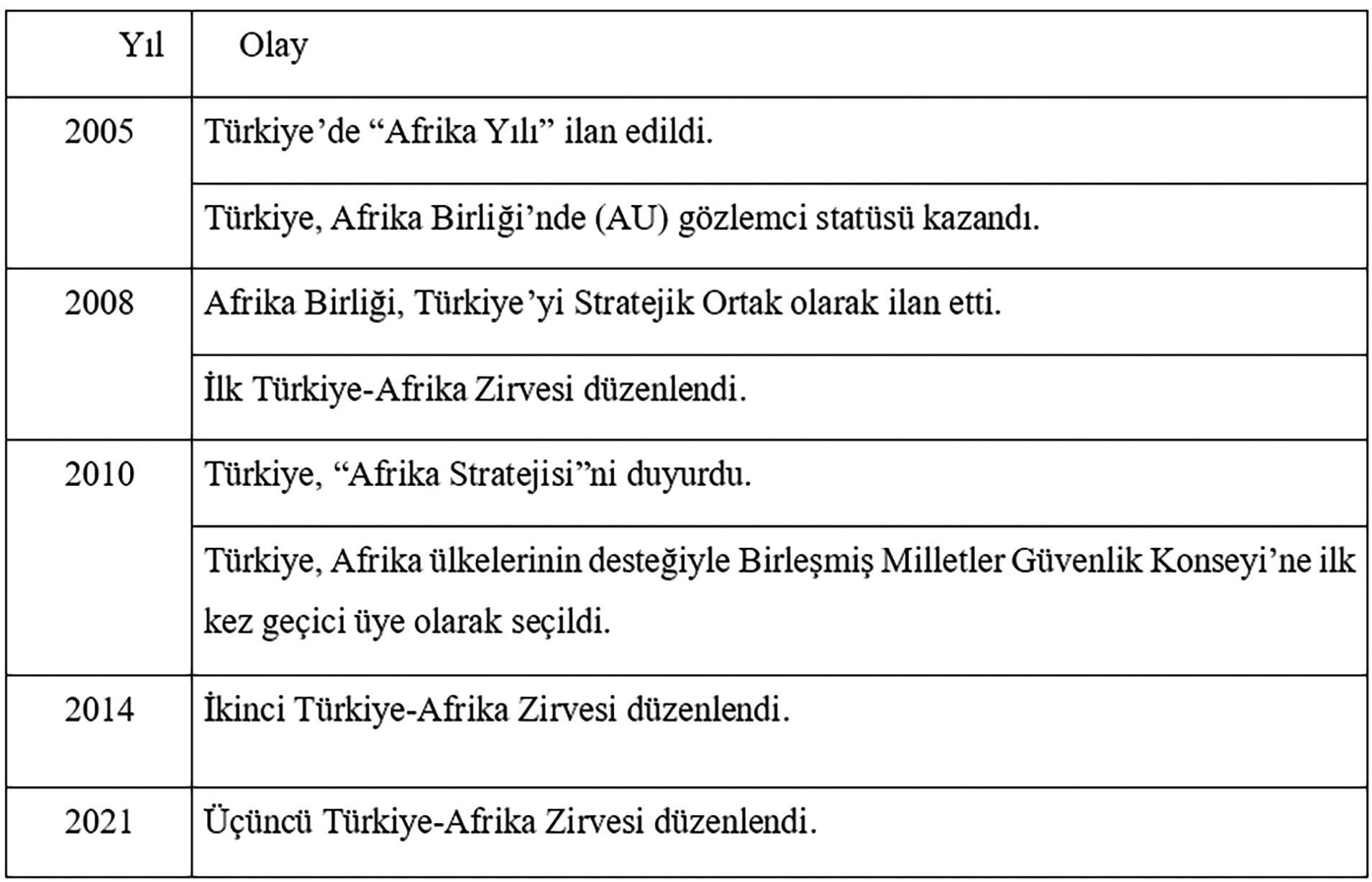
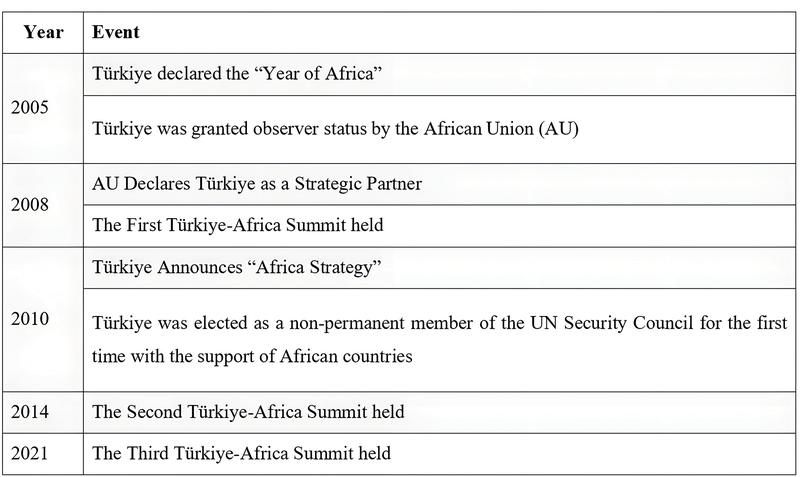
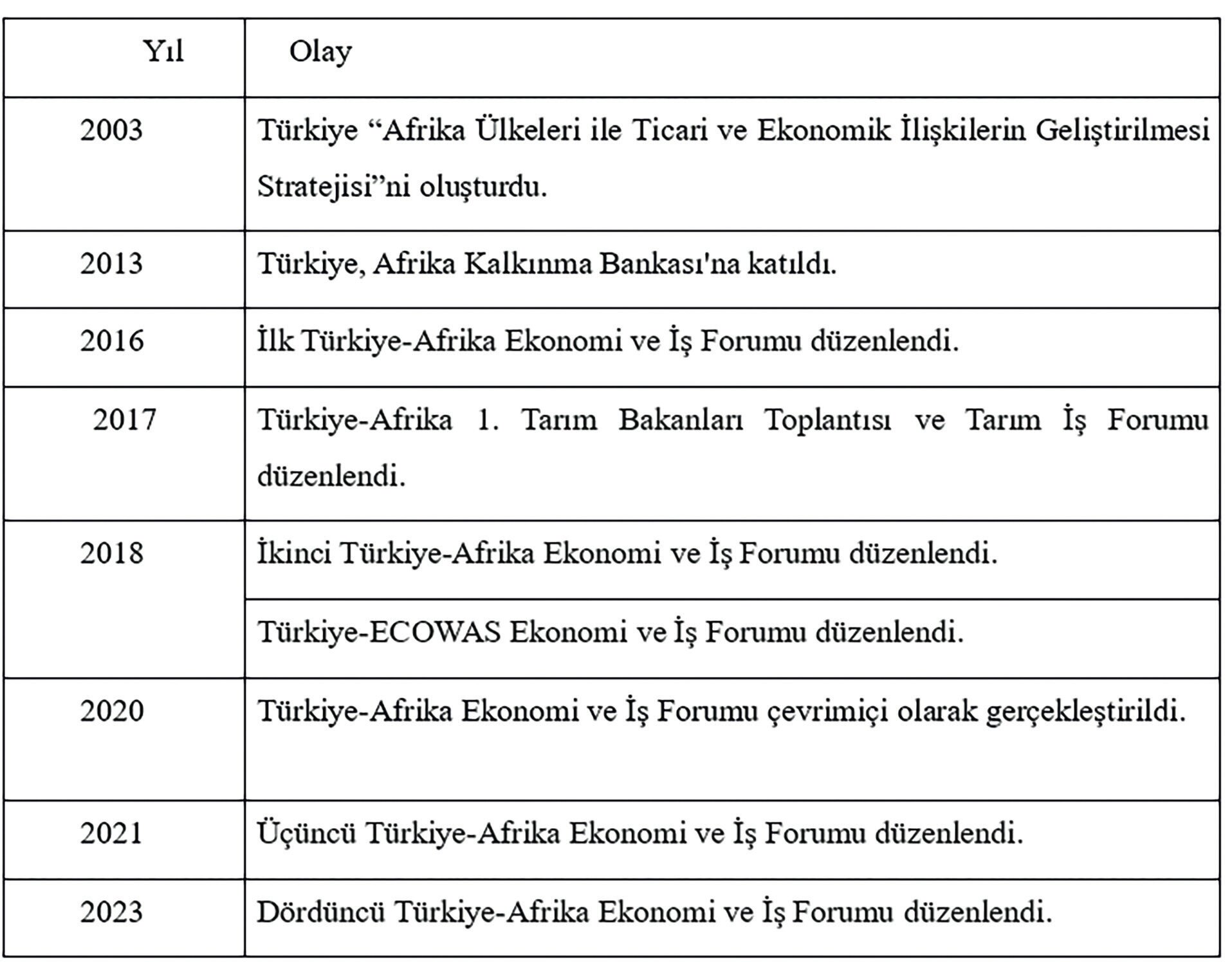
Since 2002, political and diplomatic ties between Türkiye and Africa have been greatly strengthened. The year 2005 was declared as the “Year of Africa” in Türkiye. In the same year, Türkiye obtained ‘‘observer status’’ in the African Union. In 2008, the African Union declared Türkiye a strategic partner, and the first Türkiye-Africa Summit was also held. On May 26, 2010, Türkiye announced its “Africa Strategy”. The Africa Strategy aims to strengthen Türkiye’s partnership with the African Union and the countries in the continent by considering their peculiarities (TABEF, 2024TABEF (2024). Bilateral Relations. Retrieved February 2, 2024 from). In 2010, with the support of African countries, Türkiye was elected as a non-permanent member of the United Nations Security Council for the first time. In 2014, the second Türkiye-Africa Summit was held in Malabo, Equatorial Guinea, and in 2021, the third Türkiye-Africa Summit was held in Istanbul. The Türkiye-Africa series of summits has formulated a policy framework for Türkiye-Africa political and economic cooperation.
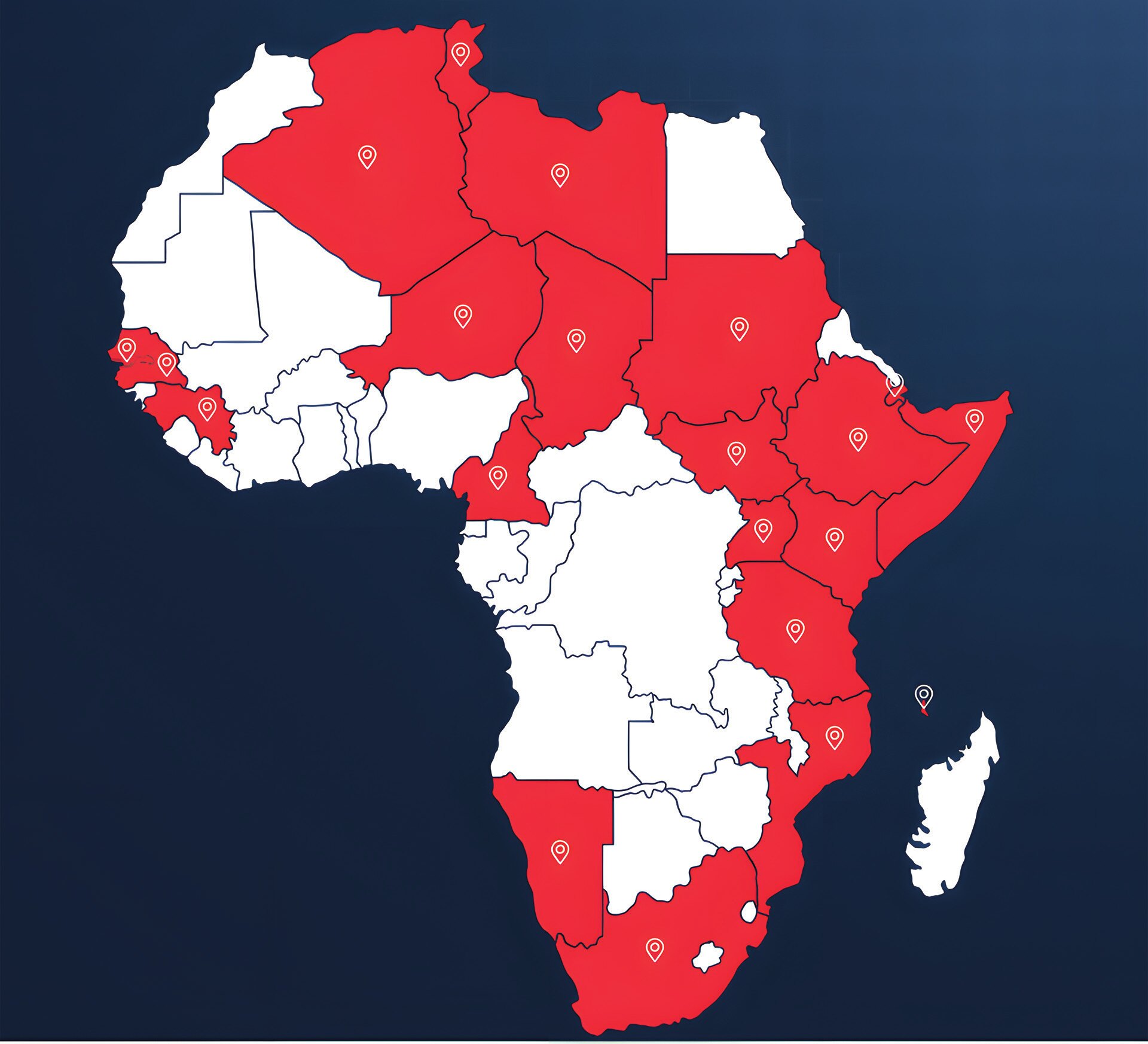
In addition, since 2003, Recep Tayyip Erdoğan has visited 27 African countries, more than any other non-African leader (TABEF, 2024TABEF (2024). Bilateral Relations. Retrieved February 2, 2024 from). Opening new diplomatic missions has also strengthened Türkiye’s relations with the African continent. Today, Türkiye has 43 active embassies across Africa, a significant increase from just 12 two decades ago. Türkiye is the fourth largest representative country in Africa, after the United States, China, and France (Orakçi, 2022Orakçi (2022). The source article does not provide a separate full bibliographic entry for this citation.). With the establishment of many new embassies, Turkish-African bilateral relations have become more institutionalized.
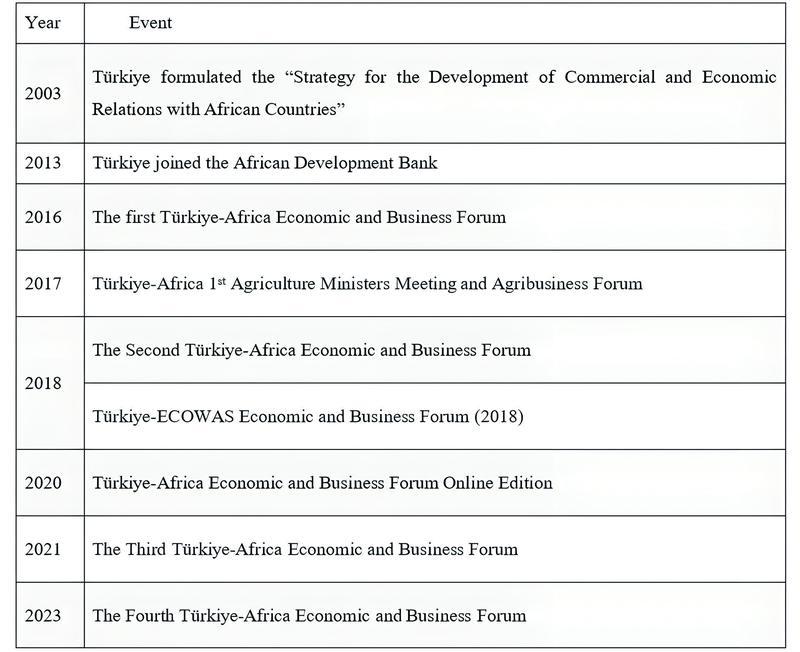
In 2003, Türkiye formulated the “Strategy for the Development of Commercial and Economic Relations with African Countries”, mainly promoting trade and direct investment, providing technical assistance, technology transfer, and sharing knowledge and experience (TA- BEF, 2024TA- BEF (2024). The source article does not provide a separate full bibliographic entry for this citation.). The bilateral trade between Türkiye and the African continent increased from 5,4 billion USD in 2003 to 40,7 billion USD in 2022, while the contract value of construction projects undertaken by Türkiye’s contractors in Africa increased to 85 billion USD. The market value of Türkiye’s investment in Africa reached 6 billion USD, and Turkish Airlines serves no less than 62 destinations in Africa (TABEF, 2024TABEF (2024). Bilateral Relations. Retrieved February 2, 2024 from).
At the national level, Türkiye has signed free trade agreements with five African countries: Morocco, Tunisia, Mauritius, Sudan, and Egypt. From 1980 to 2017, the trade volume between Türkiye and several African countries increased significantly. For example, the trade volume between Türkiye and Algeria tripled, and the trade volume between Türkiye and Egypt quintupled (Orakçi, 2022Orakçi (2022). The source article does not provide a separate full bibliographic entry for this citation.).
At the enterprise level, several Turkish conglomerates have established themselves in key economic fields of the African continent, including construction giants such as Summa, Limak, and AlBayrak. Summa, a well-known Turkish construction company, has gradually expanded its business to sub-Saharan Africa since it undertook projects in Libya in 2007. Since 2010, it has undertaken 18 projects in 8 African countries (SUMMA, 2024SUMMA (2024). Retrieved February 1, 2024 from). Türkiye’s deputy trade minister, Ozgur Volkan Agar, also stated that Türkiye’s goal is to improve economic and commercial relations with African countries, enable companies to establish new cooperative relations, and evaluate new business and investment opportunities (Aktas & Ergocun, 2024Aktas, A. & Ergocun, G. (2024). Turkish, African Business People Gather in Istanbul. Anadolu Ajansı. Retrieved February 27, 2024 from). According to the data released by Türkiye’s Foreign Economic Relations Commission, by the end of 2023, Turkish enterprises had implemented 1864 infrastructure projects in Africa, with a total of 85.4 billion USD, and the amount of direct investment in Africa reached 10 billion USD (Ministry of Commerce of the People’s Republic of China, 2024Ministry of Commerce of the People’s Republic of China (2024). The source article does not provide a separate full bibliographic entry for this citation.). Türkiye’s Foreign Economic Relations Commission (DEIK) has 45 business councils in African countries to promote bilateral trade and mutual investment. In addition, DEIK has regularly held the “Türkiye Africa Business Forum” since 2016.
Türkiye has also strengthened its ties with multilateral economic regional organizations in Africa. Türkiye has established partnerships with African regional organizations such as the Economic Community of West African States (ECOWAS) and the Southern African Development Community (SADC) and expressed its support for the new African Continental Free Trade Area (AfCFTA) (Dal & Dipama, 2023Dal, E. P. & Dipama, S. (2023). Assessing Türkiye-Africa Engagements. Africa Policy Research Private Institute. Retrieved February 27, 2024 from). Türkiye joined the African Development Bank in 2013, making it the 78th member of the African Development Bank.
Türkiye has also made outstanding progress in military and security cooperation with Africa in recent years. Türkiye has greatly deepened its ties with Africa in terms of arms exports, military deployment, and counter-terrorism cooperation.
Firstly, Türkiye has exported a large number of armored vehicles, drones and other weapons to African countries in recent years. More and more African countries, including Niger and Ethiopia, are deploying Türkiye’s drone systems. Türkiye’s arms export market in Africa only included two countries (Tunisia and Rwanda) in 2017, and its partners increased to 12 countries from 2017 to 2021 (Parlar Dal & Dipama, 2023Dal, E. P. & Dipama, S. (2023). Assessing Türkiye-Africa Engagements. Africa Policy Research Private Institute. Retrieved February 27, 2024 from).
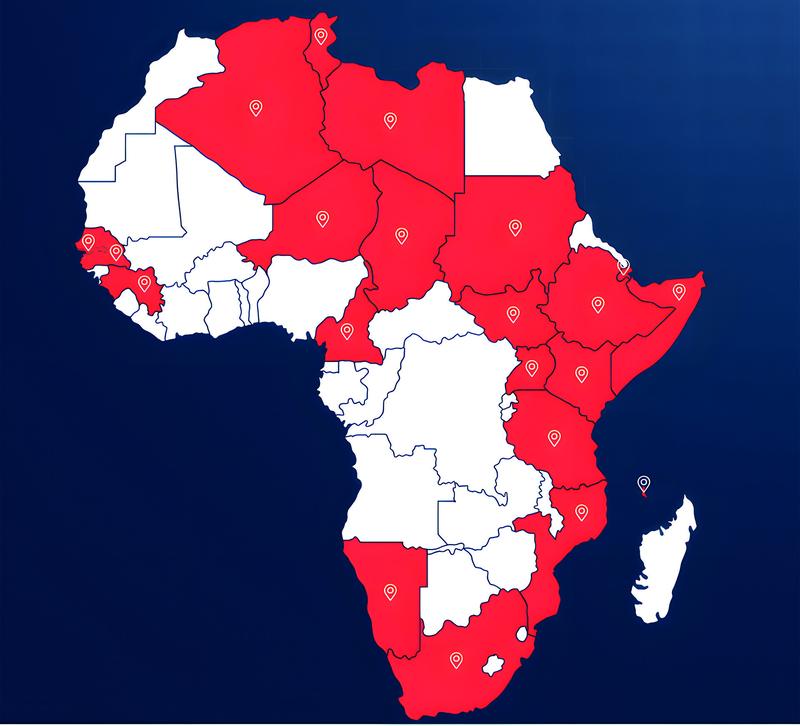
Secondly, Türkiye has deployed many military bases in Africa. In 2017, Türkiye established its first military base in Somalia. Türkiye has established military attaches in 19 African countries. The joint task force command established between Türkiye and Somalia in 2017 is Türkiye’s largest overseas military training center (Kavak & Aktas, 2021Kavak, G. & Aktaş, T. (2021). Türkiye’s Influence in Africa on the Rise. Anadolu Ajansı. Retrieved March 3, 2024 from). In addition, Türkiye also established a defense university, Camp TURKSOM, in Mogadishu, Somalia, to train Somalia’s military (Özkaraşahin, 2023Özkaraşahin (2023). The source article does not provide a separate full bibliographic entry for this citation.). By 2022, Türkiye has signed security and defense-related agreements with 30 African countries, including Niger, Togo, and Senegal (Aksoy et al., 2022Aksoy, H. A., Çevik, S., Yaşar, N. T. (2022). Visualizing Türkiye’s Activism in Africa. CATS NETWORK. Retrieved March 1, 2024 from).
Thirdly, Türkiye has carried out anti-terrorism cooperation with African countries and actively participated in the peacekeeping operations of the United Nations and other international organizations in Africa. Türkiye has also sent personnel to UN Peacekeeping missions in Africa, including the United Nations Mission in South Sudan (UN- MISS) and the United Nations Organization Stabilization Mission in DR Congo (MONUSCO).
Based on its strategy for Africa, Türkiye has fully mobilized its official and civilian forces, focusing on religious and humanitarian affairs to promote the recovery and upgrading of its soft power in Africa and promote the comprehensive development of Türkiye’s political, economic, and social relations with Africa.
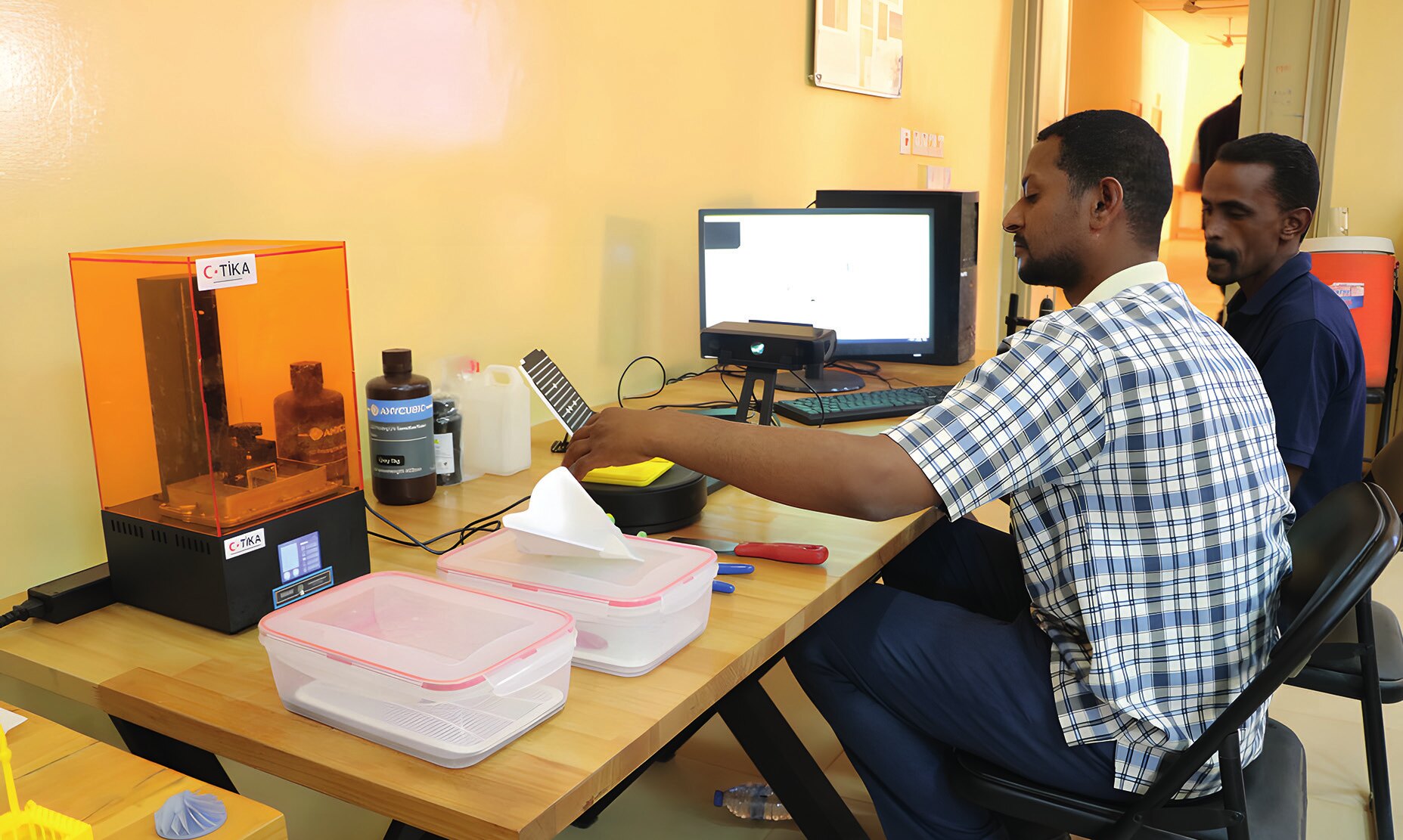
On the one hand, Türkiye has provided substantial development assistance to Africa. Türkiye’s important foreign aid agency, Türkiye Cooperation and Coordination Agency (TIKA), has 62 offices in the world, including 22 offices in Africa. In 2005, TIKA opened its first office in Africa. TIKA conducts its activities in the African continent through various ways, such as providing capacity-building assistance, dispatching experts, donating equipment, financing infrastructure projects, and providing humanitarian assistance. In addition, Türkiye also provides non-governmental humanitarian, health, education, and other assistance to the African continent through Diyant, Maarif Foundation, Yunus Emre, the Turk Kizilay, Hudayi Foundation, and other non-governmental organizations. Health is also an important area where Türkiye provides humanitarian assistance to African countries. Türkiye has signed health cooperation agreements with 17 African countries.
On the other hand, Türkiye has expanded its efforts to promote Türkiye’s language and culture on the African continent. By financing cultural and educational institutions in African Muslim countries to carry out soft power diplomacy, Türkiye has gradually gained influence in Africa. Türkiye is trying to provide an example for African Islamic countries to combine Western democracy, free market, and Muslim faith. Türkiye has introduced a plan to train imams for African countries, and the Türkiye government provides full scholarships. The program was launched in 2009, with 300 Muslim students from Mozambique, Togo, Mauritania, Sudan, Uganda, and Côte d’Ivoire participating. At the level of higher education exchange, thousands of African students currently study in universities or communities in Türkiye with the help of Turkish scholarships. Türkiye’s Maarif School provides Turkish language education to around 20,000 students in 24 African countries. President Recep Tayyip Erdogan of Türkiye said that the people of Türkiye and the people of Africa have established a “heart-to-heart” relationship (Özkaraşahin, 2023Özkaraşahin (2023). The source article does not provide a separate full bibliographic entry for this citation.). In addition, Türkiye’s “African perspective narrative” has also narrowed the psychological and cultural distance between Türkiye and Africa. For example, Erdogan has repeatedly accused Western countries of being indifferent to African development and advocated “solving African problems with African solutions”.
Motivations of Türkiye’s multidimensional strategy for Africa
In general, the rapid development of Türkiye-Africa relations is driven by changes in the international environment and the needs of Türkiye’s internal and external interests.
In the current international financial crisis and global economic recession, Africa has become an important alternative to Türkiye’s foreign economic relations. The Government of Türkiye attaches great importance to developing economic and trade relations with African countries. For example, in the delegation of Türkiye’s government leaders to Africa in March 2010, there were more than 140 Türkiye entrepreneurs. By expanding economic cooperation with Africa, Türkiye aims to alleviate domestic economic difficulties and expand sources of energy imports.
On the one hand, strengthening ties between Türkiye and Africa can win more overseas markets for Turkish companies, thereby promoting Türkiye’s economic development. Türkiye is relatively short of domestic resources and has a limited market scale, while the African continent has rich resources and economic development potential. Türkiye and Africa are highly complementary regarding resource endowment and economic structure. In addition, there is often a positive correlation between the location of Türkiye’s foreign development aid and the expansion of overseas trade (TIKA, 2020TİKA. (2020). Turkish Development Assistance Report 2020. Ankara.). Groups seeking interests through overseas trade and investment in Türkiye often pay close attention to the geographical location of Türkiye’s TIKA overseas offices. They leverage Türkiye’s established ties with recipient countries to expand economic ties with the country. This practice of seeking economic returns from development assistance is evident in Türkiye’s African policy (Tüyloğlu, 2021Tüyloğlu (2021). The source article does not provide a separate full bibliographic entry for this citation.).
On the other hand, in recent years, Türkiye has fallen into a sustained economic crisis. Erdogan has attempted to minimize the impact of the economic crisis by implementing new economic policies. The main purpose of the new policy is to promote economic development by promoting exports. The development of export-oriented new economic policies requires Türkiye to expand overseas export markets and boosts Türkiye’s demand for energy and raw material imports. Africa has diverse resources, vast export markets, and investment space. Expanding energy and trade exchanges with Africa can also help Türkiye reduce its trade dependence on Europe and Russia. Therefore, strengthening Türkiye-Africa relations can help expand Türkiye’s overseas export and energy and raw material import markets. Türkiye imports oil and LNG from the African market. Algeria has become Türkiye’s fourth largest natural gas exporter, and Türkiye’s imports of liquefied natural gas from Nigeria account for 90% of Nigeria-Türkiye bilateral trade (Özkaraşahin, 2023Özkaraşahin (2023). The source article does not provide a separate full bibliographic entry for this citation.).
Firstly, in the first phase of the AK Party era (2002- 2008), with the steady growth of Türkiye’s economy and national strength, Türkiye’s foreign policy became more confident. Following the Arab Spring in 2010 and changes in Türkiye’s internal and external environment, Türkiye’s diplomatic strategy entered a period of profound adjustment. Türkiye’s foreign policy has experienced a transformation from radicalism to moderation, and Türkiye’s strategic autonomy has continued to strengthen. Around 2015, Türkiye constantly emphasized the “humanitarian diplomacy” policy, which aims to protect Türkiye’s interests in the turbulent regional and global environment, while creating conditions for the sustainable peace and development of its neighbors and surrounding areas, which reflects the entrepreneurial spirit and humanitarian values of the nation. Türkiye uses humanitarian diplomacy to describe Türkiye as a compassionate and powerful country, and Africa has become an important area for Türkiye to carry out its humanitarian diplomacy.
Secondly, developing relations with Africa will not only help Türkiye enhance its strategic autonomy but also help Türkiye overcome its current diplomatic isolation. The relationship between Türkiye and its traditional Western allies has deteriorated in recent years. Türkiye and the United States have been in constant friction over the seperatist Kurdish armed forces, and Türkiye’s procurement of Russian S-400 air defense missile systems. Especially since the failed military coup in 2016 and the arms embargo imposed on Türkiye by some Western allies, Türkiye has been more committed to developing its defense industry to reduce its military dependence on Western powers.
The most prominent of these developments are the Bayraktar TB-2 combat and surveillance drones, which have become more popular in African countries. Many African countries favor Türkiye’s drones because they are as efficient as Western-made drones but cheaper and have no political strings attached. By strengthening military and security cooperation and ties with Africa, Türkiye has increased its arms export revenue and greatly expanded Türkiye’s hard power influence in Africa.
In addition, as more and more Middle Eastern countries become involved in Africa. The strategic competition between Türkiye and Middle Eastern countries such as Saudi Arabia and the United Arab Emirates in Africa has also increased. The Horn of Africa has become an important part of Türkiye’s “southward strategy”. Türkiye is trying to expand its military strategic influence in the Horn of Africa by participating in the safety protection of the Red Sea sea lanes, thus forming a deterrent to the Gulf States.
Under the AK Party government, Türkiye’s foreign policy has always emphasized that it should be based on its geographical advantages and establish a foreign policy with Türkiye as the central country and occupying the central position in the world. Around 2011, Türkiye proposed Vision 2023, aiming to become one of the top ten economies in the world by 2023. To welcome the centennial founding of Türkiye in 2023, Erdogan announced the vision of the “Türkiye Century”. The “Türkiye Century” is based on Türkiye’s century-long history as a secular republic and the glorious history of the former Ottoman Empire. Facing the new century, Türkiye will become great again and become a world leader.
When Türkiye celebrated the centennial of its founding in 2023, it announced the vision of building a new foreign policy with Türkiye as the axis. The vision represents a “new world order” manifesto that defines Türkiye as a regional leader and an influential player globally. The new vision also emphasizes that Türkiye should pursue to become a global power and expand Türkiye’s foreign policy on a global scale. The newly developed partnership model between Türkiye and African countries is regarded as the most successful endeavors in Türkiye’s pursuit of global power (Ataman, 2023Ataman, M. (2023). The ‘Century of Türkiye’: A New Foreign Policy Vision for Building the Türkiye Axis. Insight Türkiye, 25(3).). Türkiye’s African policy constitutes a foreign policy tool for Türkiye to seek status in world politics. Türkiye’s strategy towards Africa shows the characteristics of an emerging power in practice, highlighting Türkiye’s pragmatism in foreign policy. The AK Party has always used anti-Western and anti-colonial rhetoric to explain its policy towards Africa, particularly in its speeches to countries in sub-Saharan Africa.
Türkiye’s Africa strategy is also regarded as an important tool for Türkiye to highlight the vision of a world power and Türkiye’s international influence. Erdogan has repeatedly emphasized that the world is greater than five. Türkiye regards strengthening its relations with Africa and winning the support and recognition of African countries as an important manifestation of Türkiye’s status as a world power. Türkiye has provided a large amount of development assistance to Africa and has also received returns from Africa. Due to the support of many African countries, Türkiye successfully ran for a non-permanent member of the United Nations from 2009-2010 in 2008. In the future, Türkiye also hopes that African countries can support Türkiye on the issue of “joining the permanent members of the United Nations” in the future.
The prospects of Türkiye’s multidimensional strategy for Africa
Türkiye has strengthened its strategy towards Africa based on multiple internal and external motivations, which, to some extent, helps Türkiye expand its external economic interests, enhance its diplomatic and military autonomy, and expand Türkiye’s influence and reputation as an emerging country in the world. Türkiye’s Africa policy has won recognition from many African countries because of its neutrality, pragmatism, and emphasis on equality and win-win. These unique advantages ensure the sustainability of Türkiye’s African policy. However, Türkiye’s strategic development towards Africa still faces many pressures and challenges, such as domestic funds and competition from external powers. Türkiye’s strategic development in Africa will face opportunities and challenges in the future.
Türkiye’s Africa strategy reflects certain uniqueness and advantages in each dimension. These characteristics not only help Türkiye win the recognition and support of African countries but also enable Türkiye to occupy a favorable position in the competition of major African powers.
At the diplomatic and policy level, one of the characteristics of Türkiye’s Africa policy is that it does not seek to interfere in the internal affairs of African countries. For African countries with internal political turmoil, Türkiye is more inclined to cooperate with the actual government than with opposition groups. For example, it has chosen to support the Ethiopian and Libyan governments in the civil war in Tigray, Ethiopia, and Libya (Emel Parlar Dal & Samiratou Dipama, 2023Dal, E. P. & Dipama, S. (2023). Assessing Türkiye-Africa Engagements. Africa Policy Research Private Institute. Retrieved February 27, 2024 from). Türkiye’s non-interference stance is conducive to stability and peace in Africa to a certain extent and protects Ankara’s long-term investment and cooperation.
At the level of military and security cooperation with Africa, Türkiye has helped Africa strengthen its counter-terrorism capacity and military capacity building. Compared with other extraterritorial countries involved in military cooperation with Africa, Türkiye’s military weapons exported to Africa have strong performance and price advantages. Türkiye’s military policy involves high cooperation, after-sales support, and other forms of assistance. The statements of Türkiye’s leaders and the improvement of Türkiye’s relations with Africa indicate that the footprint of Türkiye’s defense industry in the African continent may be deepened in the future. Regarding cultural and educational exchanges, Türkiye benefits from its non-colonial history of Africa and its religious and historical ties with African Muslim countries. Türkiye’s cultural and educational cooperation with African countries has made good progress.
Regarding economic and trade cooperation between Türkiye and Africa, Türkiye’s enterprises, such as construction companies and Türkiye Airlines, are rapidly winning more African markets with better services and prices. In terms of development assistance to Africa, Türkiye only provides grants, not loans, to African countries. This uniqueness of Türkiye’s development assistance consolidates Türkiye’s identity as an African humanitarian actor. In addition, Türkiye tends to use bilateral official development assistance rather than assistance to African countries through multilateral international organizations, making it easier to align assistance with Türkiye’s foreign policy interests and priorities.
Türkiye’s policies and practices in Africa have been recognized and supported by Africa from the official to the private level.
An important feature of Türkiye’s strategic road map in Africa is based on pragmatic discourse and win-win bilateral relations. As the leaders of Türkiye once stated, it takes a multi-level approach in Africa. It establishes close political relations by strengthening bilateral high-level visits and advocating for the rights and positions of African countries in bilateral and multilateral forums by acting as spokespersons for Africa (Republic of Türkiye Ministry of Foreign Affairs, 2024Ministry of Commerce of the People’s Republic of China (2024). The source article does not provide a separate full bibliographic entry for this citation.). The emphasis on “ownership” and “equality” has strengthened Africa’s recognition and support for Türkiye’s policies. In addition, Türkiye and African countries have similar positions and voices in international affairs, such as South-South cooperation and global governance reform. These common points have helped to close the gap between Türkiye and Africa and strengthen the communication and cooperation between Türkiye and Africa on the international stage. Türkiye’s criticism of the major international institutions’ unjust decision-making mechanisms and the non-representation of the African continent in the UNSC has also been commonly shared by some African countries (Dal & Dipama, 2023Dal, E. P. & Dipama, S. (2023). Assessing Türkiye-Africa Engagements. Africa Policy Research Private Institute. Retrieved February 27, 2024 from).
Türkiye’s soft power diplomacy towards Africa has received good responses from African people. Although Türkiye’s aid to Africa is not as large as that of other major donors, Türkiye directly and obviously impacts Africa’s aid to Africans’ daily life at the micro level. Through bilateral assistance, Türkiye distributed food packages to people experiencing poverty in Africa during Ramadan, built schools in poor and neglected areas in Africa, and organized collective cataract surgery for African people. Türkiye’s independent activities in Africa have met the small but urgent needs of African people and deepened Türkiye’s influence in Africa.
First, Türkiye’s African policy faces challenges from Türkiye’s economic support. Although Türkiye’s main motivation for expanding economic and diplomatic ties to the African continent is to seek new markets and opportunities for domestic economic growth, the uncertainty of Türkiye’s domestic economic crisis and the increase of fiscal expenditure will put pressure on the sustainability of Türkiye’s future African policies. The sustained and rapid economic development of Türkiye in the early years of the AK Party’s administration provided important support for Türkiye to expand its policy investment in Africa continuously.
However, since 2014, Türkiye’s economy has entered a downward phase, and since 2018, it has fallen into a persistent economic crisis. The financial difficulties caused by the economic crisis have been reflected in the scale of Türkiye’s foreign development assistance. The recovery of the world economy is still difficult, global inflation has not yet been fundamentally reversed, and the Turkish economy, which is highly dependent on foreign countries, is still facing a difficult situation. Türkiye’s government is not only faced with balancing the contradiction between curbing inflation and maintaining growth but also faces the challenge of extricating itself from economic difficulties and avoiding national economic collapse. The first “Action Plan for Africa” for opening up to the African continent in 1998 was not effectively implemented within seven years after its proposal. The reasons included not only the political instability of the three-party coalition government in Türkiye before the AK Party came to power but also the financial crisis in Türkiye since 1999, which made the domestic economy difficult and lacked available resources to implement the policy (Zhang, 2011Zhang, C. (2011). An analysis of Türkiye’s Strategy and policy in Africa. West Asia and Africa. (Vol.9), 53.).
Secondly, Türkiye’s Africa policy will be challenged by Türkiye’s strategic firmness towards Africa. Looking back at several changes in Türkiye’s Africa policy, Türkiye has tried to use its Africa strategy to complement and hedge Türkiye’s diplomacy with European and American powers. When Türkiye’s European and American diplomacy encounters setbacks, Türkiye will strengthen its relations with Africa more actively. For example, the policy of opening up to Africa in 1998 was promulgated by Türkiye after it failed to join the European Union at that time. Türkiye also seems to lack pioneering ideas and a higher positioning for its future African strategy.
Moreover, Türkiye still needs to promote its domestic institutions and African partners to improve the shortcomings of existing cooperation. For example, the Türkiye-Africa Summit is held every six years but lacks a clear implementation framework. In contrast, the China-Africa Cooperation Forum is held every three years, with a follow-up mechanism. In addition, the instability of Africa’s security and development environment will also affect Türkiye’s willingness to invest in Africa. The spillover effect caused by civil wars in African countries such as Mali has led to the deterioration of the security situation in Africa and the turbulence of the environment, which has become an important challenge for Türkiye in effectively promoting its African policies in the future.
Firstly, when developing military and economic relations with Africa, Türkiye has the problem of adjusting its participation at different levels. On the one hand, with the deepening of Türkiye’s ties with African countries regarding arms sales and security cooperation, can Türkiye avoid the political risk of interfering in its internal affairs and the moral risk of leading to war? Given the complexity of terrorism, ethnic conflict, and political faction conflict in Africa, Türkiye’s continued deepening of arms sales to Africa may cause Türkiye to lose its reputation as a neutral country to African participants. On the other hand, can the economic and trade volume between Türkiye and Africa make a big breakthrough? Although the trade volume between Türkiye and Africa has increased sharply in the past decade, Africa’s share in the total trade volume between Türkiye and the world is still very small. Türkiye currently accounts for only 0.5 percent of Africa’s arms imports from outside the African continent.
Although Türkiye’s trade, investment, and aid to Africa have all grown rapidly, the policy effect of Türkiye’s participation in constructing African regional mechanisms and platforms has not yet fully emerged. In addition, with the closer economic and trade ties between Türkiye and Africa, economic and trade frictions between Türkiye and Africa may increase.
Therefore, there is still great room for improvement in the future economic and trade cooperation between Türkiye and Africa. In the future, Türkiye needs to determine more carefully which aspects of Africa its enterprises are interested in and achieve the so-called “win-win” cooperation. Türkiye should give more active support and even subsidies to these enterprises and fields to increase the effectiveness of its policies towards Africa.
Secondly, there are also many imbalances in the relationship between Türkiye and Africa. Türkiye’s trade with Africa is also unbalanced. Africa is not among Türkiye’s major trading partners. Türkiye’s export to Africa accounts for three times its import to Africa. Türkiye has concluded fewer free trade agreements with African countries. So far, Türkiye has only concluded free trade agreements with Morocco, Tunisia, Egypt, and Mauritius. There are also differences in the economic, trade and policy relations between Türkiye, North Africa, and sub-Saharan Africa. Due to religious, historical and geographical ties, Türkiye has deeper ties with North African countries. Türkiye’s enterprises have more business in North Africa.
Thirdly, Türkiye’s expansion in Africa has inevitably caused the anxiety of the traditional and emerging powers participating in Africa. Western countries, represented by France, have a long history of colonizing Africa and still have significant influence in Africa today. These countries regard Africa as their “backyard” and are dissatisfied with the participation and activities of Türkiye and other emerging countries in African countries. In addition, Middle Eastern countries represented by Saudi Arabia and the United Arab Emirates are also increasing their participation in Africa. At the level of carrying out activities in Africa, these countries regard Türkiye as their competitor.
Conclusion
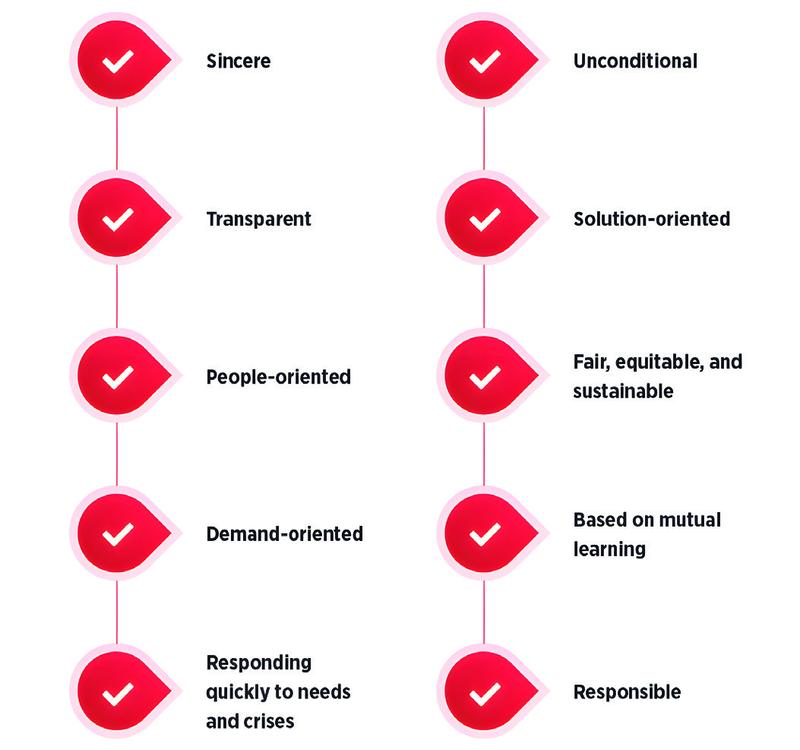
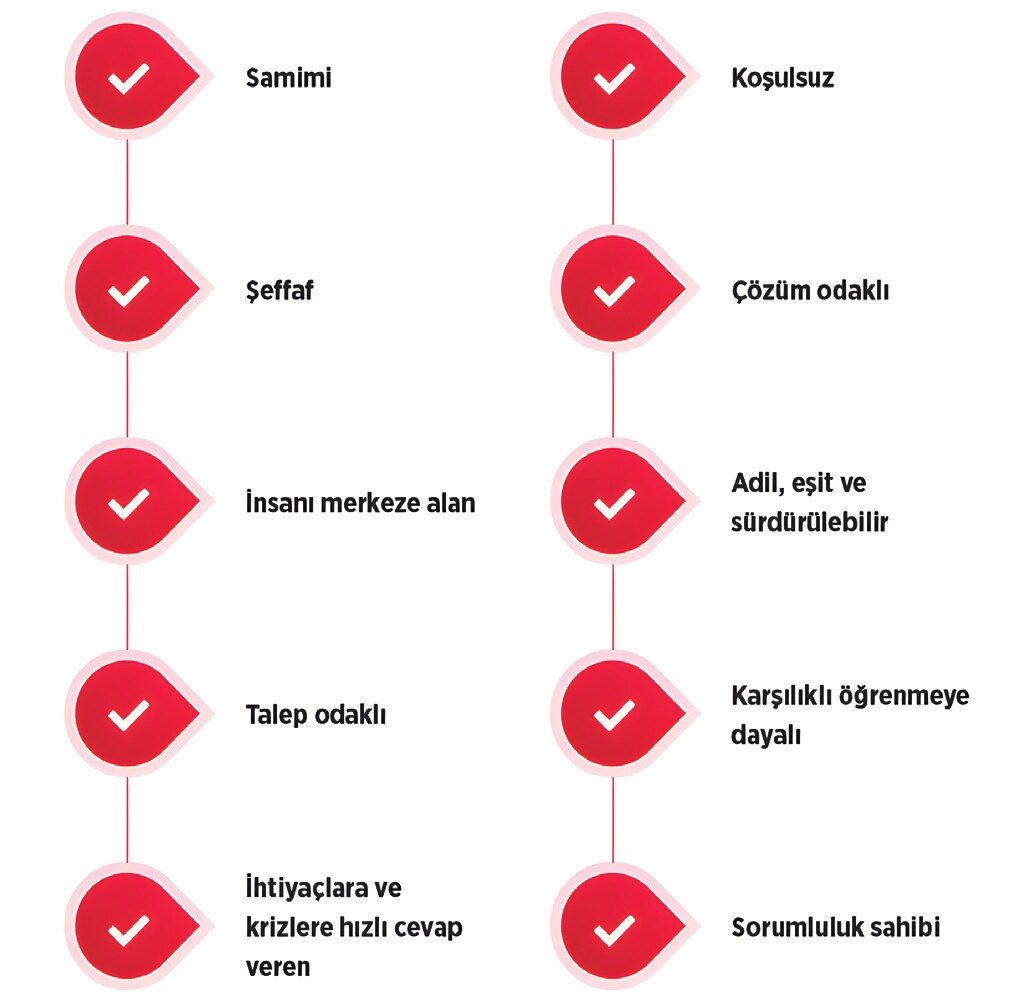
With the continuous growth of Türkiye’s interests and influence in Africa, the African continent has become increasingly important in Türkiye’s foreign policy. Türkiye’s foreign strategy towards various African regions also varies. North Africa, a region of the former Ottoman Empire with a large Muslim population, has strong religious and historical ties with Türkiye and, therefore, has a longer history of cultural and economic ties with Türkiye. However, Türkiye has been strengthening its ties with sub-Saharan Africa in recent years. With its energy and resource advantages and industrial complementarities with Türkiye, Sub-Saharan Africa is important for Türkiye to explore overseas markets economically and seek more energy suppliers. Historically, Türkiye has not been a colonial power in the region and has advocated non-interference in internal affairs, drawing Türkiye closer to the emotional ties between sub-Saharan African countries. In addition, the Horn of Africa region is becoming the most critical region for Türkiye’s military investment in Africa because of its strategic geography linking the Red Sea and the Middle East. Türkiye’s strengthened participation in Africa has had a dual impact on peace and development in Africa. From a positive perspective, Türkiye has increased its investment and infrastructure construction in Africa, which is conducive to improving regional countries’ infrastructure conditions and economic development. Türkiye has provided military assistance and training to African countries, improving their security and defense capabilities. Türkiye has also actively mediated conflicts and disputes among countries in the Horn of Africa, promoting the improvement and normalization of relations among relevant countries, as well as regional peace and stability. Türkiye’s development assistance to Africa has improved the medical and educational conditions of many African people. From a negative perspective, the increased involvement of foreign powers, including Türkiye, in African military affairs may also accelerate the risk of militarization in some parts of Africa. The intervention of foreign powers in Somalia has intensified internal factional struggles and weakened the capacity of Somalia’s national development. Türkiye’s increased strategic investment in Africa has not helped Africa solve the problems of frequent violence and terrorism, nor has it fundamentally helped Africa find a way out of poverty and unbalanced socio-economic development. At present, the Western-centered international order is difficult to adapt to the new changes in Africa’s geographical pattern and the establishment of international multilateral cooperation related to Africa’s peace and development should be accepted and practiced by new African participants, including Türkiye. Türkiye should help Africa improve its capacity building in the future, such as helping African countries accelerate their own economic construction and social development capacity, enhance their ability to independently maintain peace and security, and fundamentally solve Africa’s security and development dilemma. The future of Türkiye-Africa relations will be more likely to continue developing around key issues such as peace, security and justice, people-oriented development, and strong and sustainable growth. The development of Türkiye-Africa relations not only provides new connotations for current South-South cooperation but also inspires the development of relations between emerging powers and developing countries, especially how emerging powers can drive the development of other developing countries when they rise in groups and how to strengthen cooperation on the international stage to shape the future international system jointly. In addition, given the increasingly fierce competition between major powers in Africa, Türkiye should be more proactive in communicating with countries such as China, the United States, European countries, and India and jointly explore new cooperation models such as third-party cooperation in Africa, to transform competition between major powers in Africa into cooperation between major powers and Africa, and jointly promote the development of Africa.