Introduction
Between 1870 and 1914, a vast global trade arena emerged, marking the peak of Atlantic-centered globalization, comparable in scale to today’s global landscape. This period witnessed the opening of new sea passages through the Suez and Panama Canals, a doubling of the global trade fleet, proliferation of railway networks, a sixty-fold increase in international trade, migration of 50 million Europeans to unexplored regions, and the annexation of extensive colonial empires. The birth of the contemporary globalization paradigm began more than a century and a half ago. Despite this historical context, it is noteworthy how the effective implementation of neoliberal policies has given substantial content to the modern iteration of globalization, currently under debate. Examining Sino-French relations within the framework of multipolar international politics in the 2000s reveals new political dynamics with historical roots and future implications. France’s historical presence in the “Indochina” region during the colonial era, as a sovereign state and a pivotal actor until the Vietnam War, establishes the historical context. Despite strained relations during Mao Zedong’s era and the Chinese Revolution, Charles de Gaulle’s 1964 visit revitalized diplomatic ties between the two nations. This study aims to elucidate the evolution of Sino-French relations since the pivotal 1911 Chinese Revolution, focusing on the trajectory leading to the emergence of the People’s Republic of China in both economic and political dimensions. In addition to examining the traditional and Western perceptions of the impacts of globalization, this article addresses the novel opportunities and challenges posed by the superpower status of the People’s Republic of China within the context of French foreign policy. It does so by incorporating an alter-globalization perspective, delving into the evolving dynamics of the global political landscape. Alter-globalization, which emphasizes alternative approaches prioritizing social and environmental justice, becomes particularly relevant. Within this framework, Sino-French relations can be analyzed not only in terms of conventional power dynamics but also through the lens of evolving global norms and values. The cultivation of strong ties between China and France within the EU framework serves as a means for the former to exert influence. This study aims to answer these questions and examine contemporary Sino-French relations, considering historical impacts and utilizing an alter-globalization perspective. Keywords: Alter-Globalization, French Foreign Policy, international politics, Sino-French relations, multipolarity, international politics. Instead of adopting a comprehensive historical perspective, analyzing the contemporary reflections of this phenomenon on the present world may lead to a more insightful investigation. The term globalization is a concept widely used within broad consensus. Various disciplines, including economics, sociology, political science, and culture, approach the concept of globalization and evaluate it from diverse perspectives. This stems from the versatile and expansive nature of the term. From an economic standpoint, globalization is often defined as the transcending of boundaries in the trade of goods and services, the increase in capital movements, and the deepening of international financial integration. In the sociological context, globalization may encompass cultural interactions, the spread of communication technologies, and global societal changes. In political science, globalization may signify the overcoming of state borders and the tendency to shape dynamics in international relations. The diversity in interpretation underscores that the use and understanding of the term globalization can vary depending on the analyst’s perspective and the disciplinary context. Therefore, in discussions on globalization, different perspectives and interdisciplinary approaches is crucial.
Despite marginal nuances in the definitions related to the forms or objectives of policies associated with globalization, there is a common understanding on the importance of the term. Originating from English, “globalization” is translated into French as “mondialisation” (Darlinf-Wolf, 2008Darling-Wolf, Fabienne. (2008). “Getting over our “illusion d’optique”: From globalization to mondialisation (through French rap)”. Communication theory 18(2): 187-209.). Alter-globalization (Altermondialisation), as generally perceived, is a social and political movement that opposes globalization, typically challenging the liberal order dominated by economic and financial interests, and seeks more just, sustainable, and united alternatives. In contrast to anti-globalization, alter-globalization acknowledges globalization but is engaged in the search for a fairer and more socially oriented alternative. This article examines the Sino-French relations in the context of alter-globalization as an alternative to Western-centric globalization. The problematic of whether Sino-French relations can serve as an alternative to the mentioned globalization will be explored. Can there be a phenomenon of globalization outside the Western-centric model? This research aims to address these inquiries within the framework of alter-globalization. Alter-globalization manifests itself through social movements, NGOs, global social forums, and other forms of activism aiming to influence economic, social, and environmental policies on a global scale. Unlike its opposition to Western-centric globalization processes, this concept does not reject globalization but actively seeks a more equitable world order based on solidarity, sustainability, and democratic participation. It highlights the desire to construct a world order that is more egalitarian, emphasizing solidarity, sustainability, and democratic participation. To comprehend alter-globalization, it is crucial first to understand what globalization entails. This term does not support or oppose the Western-centric globalization process. Instead, it emphasizes the desire to construct a more equitable world order based on solidarity, sustainability, and democratic participation.
The remainder of this article proceeds as follows. The first section delves into the concept of globalization, examining both the phenomenon of globalization itself and the subsequent reactions it has generated. Subsequently, the historical background that led China to its present state is explored. The third section sets out to delve into the bilateral relations between China, a socialist regime, and France, a Western state, which began during the Cold War, along with an exploration of France’s foreign policy objectives during this period. Examining the tradition of French foreign policy and the transformation initiated by Mao in China reveals a convergence in the context of alter-globalization, wherein both countries have been seeking a multipolar world since the Cold War. In this regard, it is crucial to delve into the dynamics of the relationship between these two nations. Analyzing globalization and the emergence of alter-globalization as a response will contribute to understanding the dynamics of multipolar politics in these two countries.
Globalization and Reaction Movements Towards Globalization
The 1980s marked a significant turning point in the historical process of understanding the phenomenon of globalization. The rise of neoliberal ideologies in 1979 found symbolic representation in the presidencies of Ronald Reagan in the US and Margaret Thatcher in the UK. Simultaneously, the onset of debt crises in developing countries mandated adherence to “market-friendly development strategies” under the directives of international financial institutions. The dissemination of these economic ideologies not only transcended developing countries but also penetrated the Far East region, exemplified by the agricultural liberalization in the People’s Republic of China (PRC) in 1979. This transformative process gained further momentum with the establishment of the PRC’s first special economic zones in 1984. The year 1991 witnessed a noteworthy paradigm shift as India, previously characterized by nationalist, protectionist, and self-reliant policies, underwent a comprehensive liberalization process. Subsequently, the symbolic fall of the Berlin Wall in 1989 marked the end of the Soviet Union, which had been characterized by nationalist, protectionist, and self-reliant policies (Patil, 1993Patil, Shankaragouda H. (1993). “Collapse of Communism and Emergence of Global Economy: India’s Experiment with New Economic Policy.” India Quarterly 49(4): 17-30.).
Since the dissolution of the Soviet Union, the collapse of communism in Eastern Europe, and the subsequent end of the Cold War, global trends have gradually shifted towards embracing democratic principles and a universal economic framework characterized by liberalism (Lookwood, 2000Lookwood (2000). The source article does not provide a separate full bibliographic entry for this citation.). Many developing countries, not yet having formulated unique economic and political paradigms for the restructuring of their systems, found themselves in a state of bewilderment when communism collapsed in the former communist bloc. In this international political atmosphere, globalization has spread from Western countries towards the former Soviet regions. It is noteworthy to acknowledge that the trajectory of globalization is neither linear nor immutable, implying that global integration is not necessarily a permanent phenomenon. Despite the long-standing historical background of trade relations, integration between countries can experience intermittent slowdowns due to factors such as limited trade liberalization or withdrawal from globalization. However, as pointed out by Steiner (2014Steiner, André. (2014). “The globalisation process and the Eastern bloc countries in the 1970s and 1980s.” European Review of History: Revue européenne d’histoire 21(2): 165-181.), concerted efforts are essential to strengthen trade relations, address deficiencies, and emphasize advantages. In the 1990s, Western countries, characterized by open economic systems, political liberalisms, and social reforms, assumed an exemplary role for developing countries in the absence of a viable third alternative political-economic growth model. Following ideological shifts and global transformations, developing countries like India have undertaken structural reforms both in their economic frameworks and external relations (Irogbe, 2005Irogbe, Kema. (2005). “Globalization and the Development of Underdevelopment of the Third World.” Journal of Third World Studies. 22(1): 41-68.).
During the 1990s, a period marked by escalating social, political, and economic schisms, two noteworthy concepts and movements emerged in response to these transformative dynamics - anti-globalization and alter-globalization. The term ‘alter-globalization’ finds its roots in the French expression ‘altermondialisme’ (Tilly, 2006Tilly, Charles. (2006). “L’altermondialisme en France: la longue histoire d’une nouvelle cause Paris, Flammarion”. Critique internationale 2: 199-202.). The overarching objective of this global movement is to mitigate the hegemony of capital in favor of a more judicious and equitable paradigm of globalization. The World Social Forum (WSF) stands out as the preeminent organization associated with the alter-globalization movement. This evolution reached its zenith with the inaugural forum in 2001, following a period of ascendant influence since the latter half of the 1990s. While the conceptual underpinnings of this movement remain a subject of theoretical debate, esteemed scholars posit that it represents a substantial anti-systemic mobilization, echoing the protests of the cohort of 1968. The fall of the Berlin Wall and the subsequent disintegration of the Soviet Union, emblematic of the denouement of the Cold War, facilitated the emergence of a novel strain of social activism (Plibon, 2008Plibon (2008). The source article does not provide a separate full bibliographic entry for this citation.). This movement is characterized by a reconfiguration of the guiding ideologies of modernity and a recalibration of mobilization tactics.
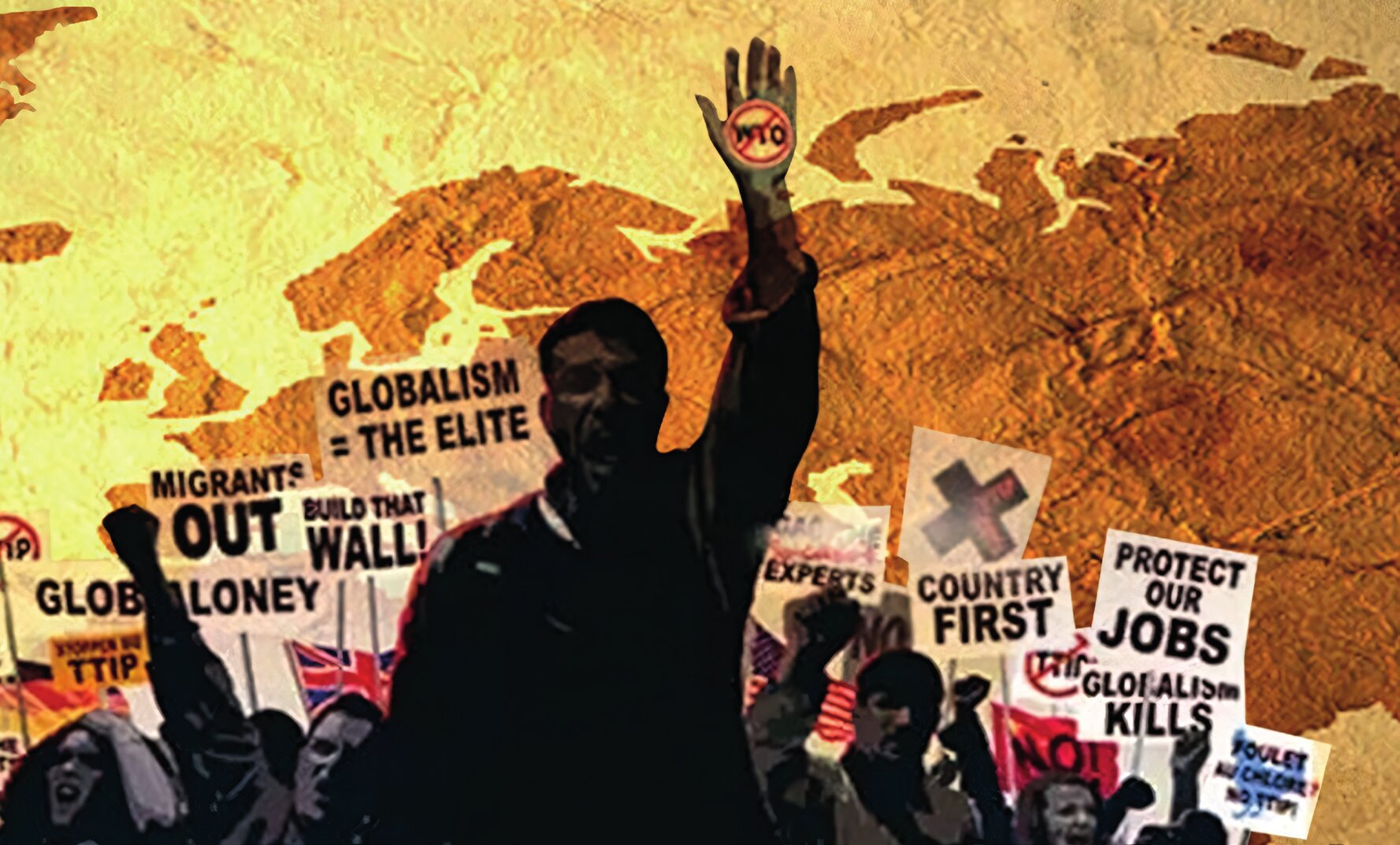
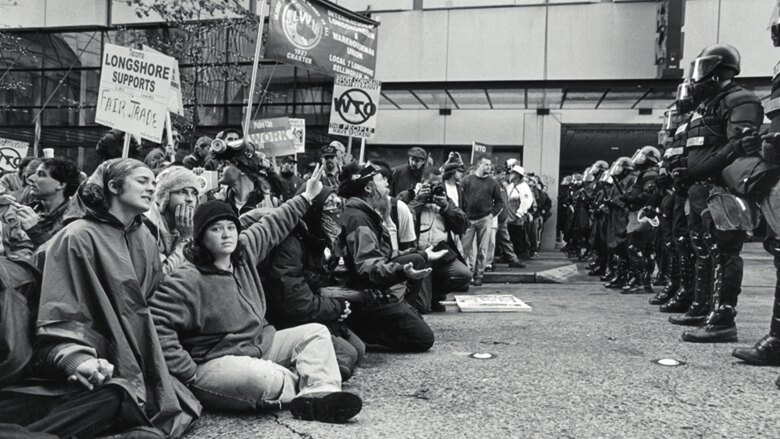
In the 1990s, in response to the rise of neoliberal globalization, an anti-globalization movement emerged, gaining increased significance, and becoming the focus of media analyses since the 1999 World Trade Organization (WTO) conference in Seattle. The anti-globalization movement directs its criticisms towards the goals and negative consequences of globalization, addressing concerns related to external resource utilization, economic inequality, speculative activities, and other relevant issues. Particularly within this movement, expressions of dissent occasionally emerge in a confrontational manner. Anti-globalization sensitivity contends that the benefits of globalization disproportionately favor the wealthy elite. This perspective is often voiced at gatherings such as G8 or G20, sometimes expressed in a confrontational manner. Social movements examining economic globalization are part of the anti-globalization movement, encompassing various factions that oppose the principles of neoliberal globalization. In contrast, alter-globalization expresses a viewpoint that suggests resistance to attempts to stop globalization as an inexorable force. It emphasizes building a resilient alternative that prioritizes equity based on solidarity, sustainability, and democratic participation. It is crucial to underline that anti-globalization and alter-globalization, while interconnected, are not entirely synonymous. Advocates for change within this discourse seek to promote an ethical model of globalization that prioritizes human well-being under specific conditions. Perhaps the unique nature of this movement can be attributed to an ethical dilemma. Despite historical roots of discontent and movements dating back to the 19th century, the integration of ethical thoughts into political discourse is a relatively recent development. A fundamental precondition for a comprehensive examination of the concept of globalization is a meticulous definition of its constituent elements.
The inherent inflexibility of the conceptual boundaries invites a pertinent questioning of the internal intuitive value of the concept and increases the possibility of more reasoned handling of pluralistic uses. Despite these debates, a concerted effort is made here to shed light on certain aspects that are an integral part of the structure. First and foremost, it is understood that the current manifestation of globalization significantly differs from its historical precursors. In the contemporary era, it is distinguished by a notable compression in both temporal and spatial dimensions, indicating an unprecedented acceleration in global flows. Within the French intellectual discourse, a subtle distinction is made between globalization antagonism, which is a stance adopted by those diametrically opposed to all manifestations of globalization, and alter-globalization or alter-globalism, which supports a different globalization paradigm backed by values that transcend neoliberalism. This alternative paradigm advocates for a more supportive, democratic, and egalitarian globalization. In contrast, the anti-globalization movement brings together some of the arguments put forth by alter-globalization advocates while also embracing principles such as nationalism, isolationism, fundamentalism, and sectarianism. Nationalists in the Third World, as defined by Feuer (1999Feuer, Guy. (1999). “Libéralisme, mondialisation et développement. A propos de quelques réalités ambiguës.” Annuaire français de droit international 45(1): 148-164.), criticize globalization in a manner like socialists and Marxists did.
Alter-globalism has emerged, in part, through the convergence of various anti-capitalist movements in the Western hemisphere and anti-imperialist movements in South America. Fundamentally, alter-globalism is an intellectual and political approach based on a critical assessment of neoliberal globalization, as summarized in the concept of anti-globalization. It also seeks to articulate a realistic utopia encapsulated in the slogan “another world is possible” (Meurs, 2011Meurs, Pieter. (2011). “Another world is possible. Jean-Luc Nancy and the political.” Waiting for the Political Moment, Rotterdam-Utrecht.).
The heterogeneity inherent in various ideological currents comprising the anti-globalization movement emerges as a combination of resistance against dominant ideologies, exploration of alternatives, and adept negotiations in different contexts. Numerous political currents align themselves with this movement or strategically adopt it as discourse. In a contemporary context, alter-globalism aims to humanize the globalization of markets and economies, creating a countermovement that promotes sustainability in this process (Massiah, 1999Massiah (1999). The source article does not provide a separate full bibliographic entry for this citation.). It is crucial to examine anti-globalization and alter-globalist movements from different perspectives and recognize them as specific manifestations of political ideologies (Mathieu, 2005Mathieu, Lilian. (2005). “La constitution du mouvement altermondialiste français.” Critique internationale 27(2): 147-161.). Philosophically, the theories underlying anti-globalization and alter-globalism reveal the profound contradictions and conflicts caused by globalization. Politically, these movements explicitly represent an anti-capitalist movement. On the economic front, they emphasize the detrimental impacts stemming from the global expansion of multinational corporations. In the realm of technology, they arise as an unforeseen consequence of advancements in modern science and technology. Culturally, they represent a tangible manifestation of the deconstruction of the dominant Western discourse. Societally, they represent a radical political movement.
Samir Amin posits that there are five monopolies held by the centre.
1. Monopoly of new technologies 2. Monopoly of the world financial market 3. Monopoly of the access to natural resources 4. Monopoly of communications 5. Monopoly of the weapons of mass destructions (Macheda, and Nadalini, 2021Macheda, Francesco, and Roberto Nadalini. (2021). “Samir Amin in Beijing: delving into China’s delinking policy.” Review of African Political Economy 48(167): 119-141.). According to Amin, due to the concentration of privileges in the center, it exercises significant control over a substantial portion of the industrial sector in the periphery, leading to a notable redirection of economic surplus towards the center instead of promoting wealth creation in less affluent regions (Amin, 1996Amin, Samir. (1996). “The challenge of globalization”. Review of International Political Economy. 3(2): 216-259.). This persistent scenario strengthens political dependence and exacerbates economic inequalities. These movements can serve as a force and counterbalance against the capitalist system and can be analyzed from both global and local perspectives. The former focuses on the evolution of a global civil society and transnational social movement, while the latter emphasizes a set of demands covering participatory democracy, community action, and efforts in the fields of social and solidarity economy. Examining the economic, political, and social connections between a Western democracy like France and China within the framework of alter-globalism and proposing an alternative paradigm that preserves the benefits of globalization without outright rejection is essential.
China between socialism and capitalism
The “People’s Republic of China” not only represents a geopolitical and political entity but also embodies a distinct ideological framework. Established under the leadership of Mao Zedong in 1949, the PRC adopted a socialist state identity (Yang, 2018Yang, Dali. (2018). “The Making of the Modern State and Quest for Modernity”, The SAGE Handbook of Contemporary China, Weiping ve Mark Frazier (ed.), New York: Sage.). However, unlike its Western counterparts, at the inception of the communist state apparatus, the PRC predominantly preserved a rural demographic, demonstrating a widespread commitment to traditional belief systems, primarily Confucianism. Confucianism, emphasizing the development of moral virtues at both collective and individual levels, advocates for well-organized and altruistic governance that enhances well-regulated human relationships. Rooted in collectivism and holistic principles, this philosophical tradition seeks to shape and control both public and private life, influencing the fabric of societal consciousness. This moral tradition continues to inspire Communist Party of China (CPC) leaders to pursue moral and ideological education. In this context, while Chinese communism may not be a direct carrier of such traditions, it exhibits noticeable traces or elements of traditional Chinese thought and culture. Throughout history, Chinese society has emphasized societal values over individualism.
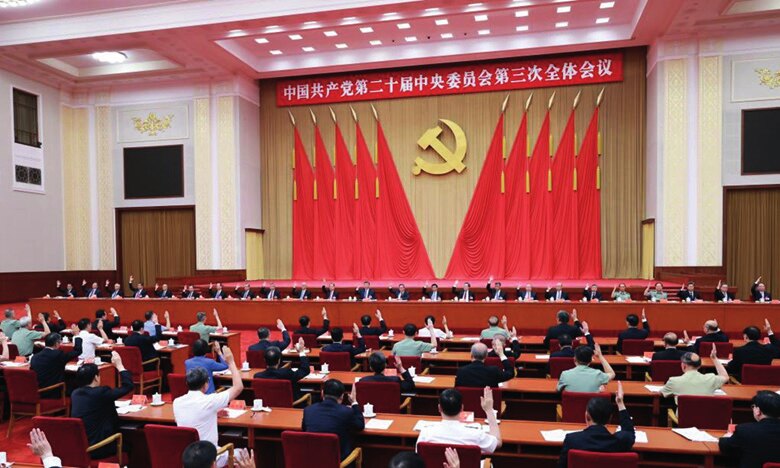
The political trajectory of the PRC has undergone evolution since its establishment in 1949 as a socialist regime, guiding changes in domestic and foreign policy necessities. Viewing the two distinct periods of Maoist and post-Maoist eras, during the Mao era, the state presented a more closed and socialist-oriented appearance. However, the transformative period marked by Deng Xiaoping’s ascent to power in the 1970s led to the fragmentation of Communist Party of China (CPC) leadership and its subsequent reshaping in line with Deng’s vision. Thus, it initiated a transformative era that left its mark on the contemporary manifestation of China as a global power (Cabestan, 1996Cabestan, Jean-Pierre. (1996). “Chine: Un Etat de Lois Sans Etat de Droit”, Revue Tiers Monde, 37(147): 649-668.). China, progressing on a trajectory distinct from other states and societies, stands as an intriguing subject for historical and sociological examinations. Particularly, the integration of China into the capitalist world economy while being governed under socialist principles within a single-party monopoly requires meticulous scrutiny (Guo, 2012: 48Guo, Sujian. (2012). Chinese Politics and Government: Power, Ideology and Organization. New York: Routledge.).
China’s transformation in the late 19th and early 20th centuries held critical importance in understanding the delicate balance between communist and capitalist paradigms. Addressing profound developmental challenges, China strategically leveraged its chosen ideology, facilitating rapid modernization and industrialization through the authoritative implementation of robust industrial initiatives (Yongnian and Kempf, 1999: 41Yongnian, Zheng, and David Kempf. (1999). “Du gouvernement par la loi à l’Etat de droit?[L’évolution de l’environnement juridique en Chine].” Perspectives chinoises 54(1): 31-43.). Currently, China stands as a unique combination of capitalist and socialist regimes, interpreting both ideologies distinctly from a Chinese perspective and operating within a defined set of principles. The Chinese example characterized by this combination has the potential to serve as a model for many developing countries.
In societies deeply rooted in traditions like China, the inclusion of ideologies such as communism, liberalism, or other non-Western or non-Chinese ideas requires subtle adjustments. This necessity stems from the acknowledgment that figures like Mao, while attempting to Sinicize Marxism by approaching it through a lens different from the Soviet interpretation or other global counterparts, did not only seek to Sinicize Marxism by cultural embellishments in 1938 but also endeavored to adapt Marxism-Leninism to the unique lines of Chinese society and history. Mao aimed to make Marxism more pragmatic and acceptable to the people by tailoring it according to the distinctive features of Chinese society and history. Given that China did not undergo comprehensive industrialization as witnessed in Western European nations and did not experience widespread serfdom as seen in Russia, the contextual background was crucial. Mao’s conceptualization of Marxism required encompassing and appropriating everything deemed valuable in China’s historical trajectory by trying to adapt it to the historical conditions of China (Meisner, 2007Meisner, Maurice. (2007). “The Place of Communism in Chinese History: Reflections on the Past and Future of the People’s Republic of China”, Macalester International, 18(1): 3-27.). In the 1930s, almost every conceptual framework in the field of Chinese political thought was examined in terms of its harmony with the national character or essence known as “kuo-ts’ui” extending beyond socialist or Marxist ideas (Wylie, 1979Wylie, Raymond F. (1979). “Mao Tse-tung, Ch’en Po-ta and the “Sinification of Marxism,” 1936–38.” The China Quarterly 79: 447-480.).
Despite the efforts of Chinese communism and Mao to amalgamate Marxism with specific cultural codes, revolutionary endeavors inherently harbor ruptures. In this context, the 1949 Chinese Revolution did not lead to a cultural rupture within the thought system Mao designed but manifested more as a systemic break. The revolutionary initiative that adapted communism to the Chinese context accelerated the disintegration of established social structures in the country. Considering China’s approximately two-thousand-year history under imperial rule, social frameworks intricately touched the fabric of the state apparatus. Mao’s transformative initiatives led to the dissolution of the aristocrats, landlords, clergy, and bureaucratic classes rooted in the nation’s past. Simultaneously, peasantry played a significant role in Mao’s revolutionary narrative, reflecting the organizational dynamics during the CPC’s years of civil war, where rural mobilization developed and eventually secured urban conquests. After Mao declared the People’s Republic of China regime, initial expectations were that the CPC’s focus would shift from rural areas to urban centers, emphasizing industrialization to elevate the state to great power status (Pletcher, 2010: 300Pletcher, K. (2010). The history of China. Britannica Educational Publishing.). However, Mao persisted in the belief that maintaining a visionary emphasis on rural areas would strengthen the revolutionary driving force. Administratively, Mao’s leadership emphasized balanced attention to rural and urban areas, steering away from the perceived trajectory of neglecting rural areas and prioritizing heavy industrial ventures in urban centers. Drawing inspiration from the Soviet Union’s party-state model, Mao attempted to “Sinicize” state organization by amalgamating foreign paradigms. During the Mao era, a single-party system dominated in the PRC, where the party wielded authority through the armed forces, controlling hierarchical structures and appointments within the military apparatus. This monopolization created a cohesive state-party-army presence that utilized legitimate violence in a Weberian sense, granting the party the privilege of unquestionable sovereignty to intervene in political and social realms.
China’s pre-1949 historical landscape bore witness to various revolutions, which, despite their occurrence, failed to establish lasting success or political stability. The historical weakness of the central government and the disconnect between rural and administrative spheres contributed significantly to this predicament. Mao, rooted in a political movement emanating from the countryside, recognized the imperative of solidifying the central government to ensure the enduring success of the revolution. Legal frameworks were accordingly instituted, consolidating decision-making and control over political, economic, and social affairs within a singular central authority. In 1954, the Constitution of the People’s Republic of China was meticulously crafted and enforced as a foundational instrument (Jianfu, 2004Jianfu, Chen. (2004). “La Dernière Révision de la Constitution Chinoise. Grand Bond en Avant ou Simple Geste Symbolique?”, Perspectives Chinoises. 82.).
Drawing inspiration from the Soviet model while accounting for the distinctive “Chinese Essence,” a novel state organization aligned with the tenets of a socialist state emerged. Concurrently, the CPC was granted overarching authority to oversee and regulate all political and social entities within the nation. In congruence with the paradigm characteristic of one-party regimes, the PRC entrusted the CPC with the exclusive mandate to spearhead modernization initiatives, enact economic reforms, and propel social progress. The socialist economic model was implemented through the establishment of cooperatives in agriculture and trade. This transformative approach prompted rural peasants to abandon their agrarian pursuits and migrate to urban centers. This phenomenon was further fueled by the rapid industrialization efforts of the socialist government, which, in its pursuit of quick industrialization, established large factories in urban locales, subsequently transforming them into centers of attraction (Lawrence and Martin, 2013: 44Lawrence, Susan V. and Michael F. Martin. (2013). “Understanding China’s Political System”, Library of Congress Washington DC Congressıonal Research Servıce, Michael F. Martin (ed.), Washington: Congressional Research Service, 2013.).
Considering the vast expanse and population magnitude of such a colossal nation, the imperative to localize and decentralize administrative functions becomes apparent. Inevitably, the primary mechanism to uphold equilibrium among administrative units resides in tax policies (Zhang, 2019: 482Zhang, Youyu. (2019). “La Décentralisation en République Populaire de Chine”, Federalism and Decentralization, Thomas Fleiner-Gerster and Silvan Hutter (ed.), New York: Routledge.). In the PRC, a symbiotic relationship prevails between the central government and local administrations concerning tax revenues. The bifurcation of taxes into central and local categories serves the dual purpose of meeting the fiscal requisites of the central government while enabling local administrations to sustain their financial autonomy. Local governments assume the responsibility of collecting local taxes, whereas the central government allocates specific resources from general taxes to address the needs and facilitate investments in regional localities (Tuoheti, 2014: 67Tuoheti, Gülisareavi. (2014). “Çin Halk Cumhuriyeti’nde Yerel Yönetimler”, Yerel Politikalar, 6: 65-76.). In the realm of financial and tax policies, decentralization has empowered local governments while concurrently diminishing the central government’s obligations toward regional and provincial affairs. This dynamic has been instrumental in catalyzing significant economic advancements and development in the PRC over the past four decades. While the central government predominantly concerns itself with “high politics,” such as military and foreign policy, the delegation of almost all social policies to local government entities underscores a pivotal aspect of the governance structure in the PRC.
In the context of China’s transition to a capitalist economic framework, a nuanced examination of the roles played by local and central governments is imperative for comprehending the current state of the nation (Losurdo, 2017Losurdo, Domenico. (2017). “Has China turned to capitalism? Reflections on the transition from capitalism to socialism.” International Critical Thought 7(1): 15-31.). The governance structure of a vast country, endowed with an expansive economic system, being ostensibly governed by a communist party, prompts scrutiny and skepticism in the Western hemisphere, where questions are raised regarding the party’s direct influence over the entire political apparatus. The conspicuous absence of elements such as a bourgeoisie and an individualistic society, typically deemed essential for the accumulation of capital and the evolution of capitalism, challenges prevailing Western conceptions and underscores the viability of an alternative system outside the trajectory of Western civilization. While China has seamlessly integrated into the capitalist system, the paramount factor contributing to its success lies in the CPC’s adept orchestration of societal dynamics within a predetermined framework (Pieke, 2022Pieke, Frank N. (2022). “The Chinese Communist Party as a Global Force.” Journal of Current Chinese Affairs 51(3): 456-475.). Despite the apparent existence of multiple parties within the political landscape, the enduring dominance of a singular party and the consequential centrality of the party’s politburo in state administration have engendered a profound interdependence between the party and the state. Consequently, any analysis of developments in China necessitates an inseparable consideration of phenomena ascribed to the CPC, both in positive and negative terms. The attained level of civilization in China, subject to persistent scrutiny by Western states concerning human rights, among other factors, remains an exemplar showcasing a method that non-Western societies can potentially adopt.
Alter-Globalization and Sino-French Relations
In the post-World War II landscape of international politics, France’s alignment within the Western Bloc, coupled with its relative political and economic fragility compared to other influential bloc members, compelled a strategic recalibration in French foreign policy, particularly after 1958 during the era of the Fifth Republic and Charles de Gaulle’s presidency. Throughout the entirety of the Cold War, France adeptly navigated a delicate equilibrium between the two superpowers, securing concessions from both to prevent a pivotal European nation like France from realigning itself.
This intricate diplomatic dance involved cultivating multifaceted relationships with both poles, spanning economic, political, and various other domains, evolving, and deepening over the years.
Under De Gaulle’s leadership, which laid the groundwork for contemporary French foreign policy, a conviction emerged that an international landscape characterized by multiple poles would better serve France’s national interests than a unipolar world dominated by a singular sovereign power. This perspective advocated for France’s potential role in a multipolar order, potentially leading international organizations such as the EU, even if it couldn’t independently emerge as a global power (Gürcan, 2020Gürcan, Efe Can. (2020). “The construction of “post-hegemonic multipolarity” in Eurasia: A comparative perspective.” The Japanese Political Economy 46(2-3): 127-151.). The post-Cold War era, particularly in the 1990s, witnessed a shift as the US stood as the sole superpower, and the gradual inclusion of states like Russia and the PRC as significant global actors provided France with a foreign policy environment conducive to more effectively pursuing its national interests.
Especially during the De Gaulle era in the 1960s, which laid the foundation for contemporary French foreign policy, France, seeking autonomy from U.S. hegemony within the Western Bloc, differentiated itself as the first Western country to acknowledge the legitimacy of the PRC (Romano, 2017Romano, Angela. (2017). “Waiting for de Gaulle: France’s tenyear warm-up to recognizing the People’s Republic of China.” Modern Asian Studies 51(1): 44-77.).
The subsequent decades, marked by China’s opening, witnessed the strategic evolution of Sino-French relations towards a partnership, particularly during Chirac’s presidency (Boniface, 2019Boniface, Pascal. (2019). “La France face à la Chine, que faire?”. Revue internationale et strategique 115(3): 89-96.; Liu, 2019Liu, Kaixuan. (2019). “Les relations politiques franco-chinoises de 1949 à 1983: entre mythe et réalité.” Monde chinois 59(3): 14-25.). In the present day, the rising political and economic power of the PRC, combined with both countries’ desire for a multipolar international order rather than unipolar or bipolar configurations, has accelerated the convergence of Sino-French relations. Examining the historical trajectories and nuanced processes undergone by these two nations is necessary to comprehensively understand their diplomatic ties and anticipate potential developments in the future. From the perspective of French foreign policy, the ascent of the PRC as a global power holds significance for a nation like France that advocates for a multipolar global system. Developing strong relations within the EU provides strategic advantages for both France and the PRC.
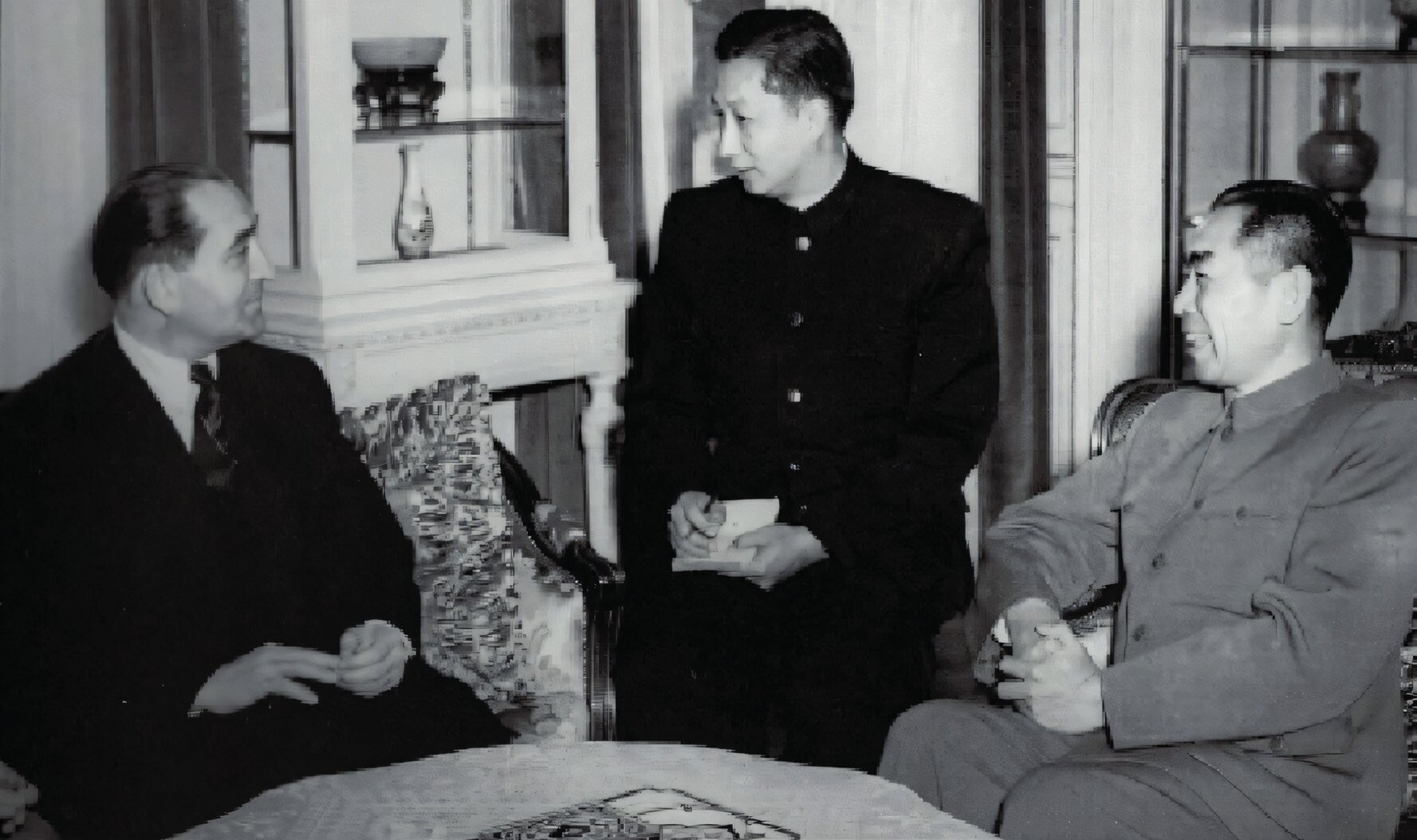
Sino-French relations serve as a lens to distinguish significant political evolutions rooted in historical precedents yet distinctly oriented towards the future within the multifaceted arena of 21st-century multipolar international politics. Over the past fifty years, the relationship between these two nations has exhibited fluctuations characterized by phases of improvement and periods of stagnation. From the perspective of French foreign policy, a geopolitical landscape dominated by bipolar Cold War dynamics, or a unipolar order centered around the US, as seen in the 1990s, is neither desired nor actively pursued. The Gaullist legacy, summarized by France’s withdrawal from the military wing of NATO and the adoption of an assertive nationalist stance emphasizing national interests, has left a lasting imprint on successive French presidencies and political parties. During the De Gaulle era, which laid the foundation for contemporary French foreign policy, France diverged from its Western counterparts by officially recognizing the legitimacy of the PRC in 1964, becoming the first Western country to do so (Yunyi, 2019Yunyi, Li. (2019). “Les relations sino-françaises face au Vietnam après la décolonisation dans les années 1960.” Monde chinois 59(3): 93-103.). This political move fundamentally altered the nature of Sino-French relations.
The examination of French foreign policy underscores a preference for an international system characterized by the plurality of active poles, avoiding both unipolar and bipolar configurations. Despite France’s imperial past in historical periods, its geopolitical position has witnessed economic and political restructuring since the 20th century. Nevertheless, France has maintained its position among major global powers with the policies it has pursued since the 1960s. The recognition of the PRC by a Western country led to a seismic change in the international political arena, confirming the PRC’s status as the true representative of the Chinese people on the global stage. This recognition, replacing the Republic of China (Taiwan), culminated in the PRC’s permanent membership in the United Nations in 1971. By establishing diplomatic ties with the PRC, France sought to reassert itself as a geopolitical actor in the Indochina region, where its influence had noticeably waned in the 1950s (Lechervy, 1992Lechervy, Christian. (1992). “Indochine: les nouvelles frontières”, Politique Etrangere, 57(3): 585-594.). The post-De Gaulle era witnessed a continuation of positive momentum in Sino-French relations. President Pompidou made history as the first Western head of state to visit the PRC. While Cold War dynamics posed obstacles leading to a period of stagnation in the 1970s, mutual trade between the PRC and France gradually increased. PRC became a primary trading partner for France within the Western Bloc.
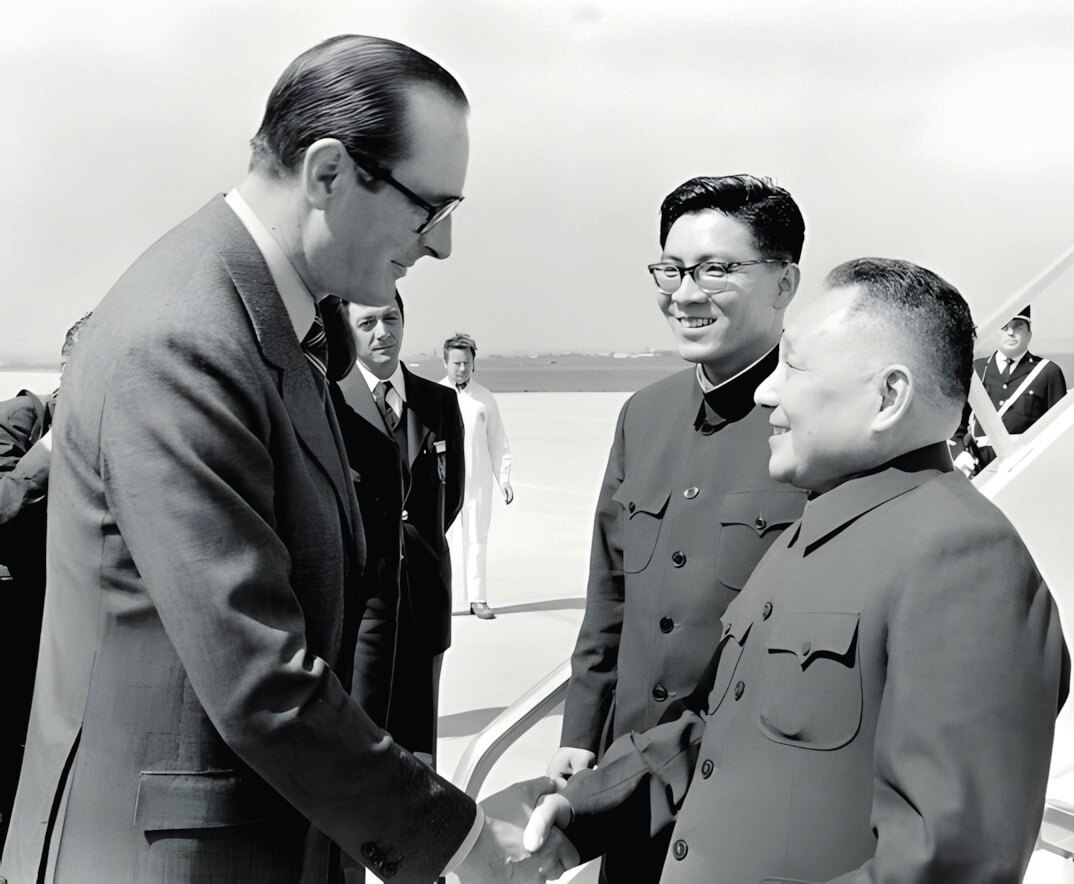
The transformative trajectory of Sino-French relations underwent significant evolution under the leadership of Deng Xiaoping and the patronage of China’s progressive opening-up policies in the 1980s. Deng spent considerable periods in various locations in France, displaying a nuanced familiarity with French culture (Pye, 1993Pye, Lucian W. (1993). “An introductory profile: Deng Xiaoping and China’s political culture.” The China Quarterly 135: 412-443.). Until 1989, there was a consistent positive momentum in bilateral relations. However, the dissolution of the Soviet Union and the subsequent collapse of the Eastern Bloc brought complexities that affected the warmth of the relationship. Speculations about China sharing a similar fate with the Soviet Union and the collapse of its socialist system led to external pressures. The events at Tiananmen Square were interpreted as a harsh response to the perception of transitioning to a democratic and liberal system (Mengin, 1993Mengin (1993). The source article does not provide a separate full bibliographic entry for this citation.). France emphasized its commitment to developing a strong alliance with China when Chirac was elected president in 1995. The formalization of “comprehensive cooperation” (quanmian huoban guanxi or French: partenariat mondial) between the two countries occurred during Chirac’s opening visit to China in May 1997. This declaration positioned France as the first Western country to make such a commitment, following the path of Russia, which had established a “strategic partnership” with China in 1996. France and China asserted that the main cause of global political instability after the collapse of the Soviet Union was the unipolar dominance of the US, emphasizing this factor more than China’s economic rise. France’s significant role in dissuading the United Nations Human Rights Commission in Geneva from condemning China in 1997 is noteworthy. Opting for a “constructive dialogue” strategy, France engaged with Chinese officials on the sensitive issue of human rights. Throughout Chirac’s presidency in the 2000s, France stood by China on numerous fronts. Specifically, during the 2004 inter-strait conflict, France supported China and endorsed the “one country, two systems” proposition put forth by China. This strategic alignment highlights the multifaceted and dynamic nature of Sino-French relations during this period.
When interpreted through the lens of alter-globalization, the relations between China and France present a complex context encompassing strategies of both countries in managing global interactions. Economically, efforts to strike a balance between China’s rising economic power and France’s role in global trade significantly shape economic ties. The emphasis on cultural diplomacy by both nations reflects a strategy to promote cooperation and interaction in cultural exchange and identity preservation. Politically, the shared stance of China and France in supporting a multipolar world order against unipolar thinking aligns with alter-globalization ideals. Moreover, dialogues and collaborative efforts between the two countries mirror a shared sense of responsibility for global issues such as human rights, social justice, and environmental sustainability. Within this framework, China-France relations are not only shaped by economic aspects but also by cultural, political, and social dimensions, presenting a framework in line with the fundamental principles of alter-globalization.
Sino-French Relations: Partnership in Global and Strategic Dimensions
Both France and China perceive their relationship as a balancing factor against the dominance of American culture, engaging in mutual cultural promotion initiatives. While France seeks to spread its cultural influence in China, China sees this as an opportunity to promote its traditional and, from a European perspective, “undemocratic” values in France through events like the “China Year” and the establishment of Confucius Institutes. Both countries assert a deep connection between economy, culture, and politics, envisioning the emergence of a multipolar and culturally pluralistic world. During Chirac’s presidency, Sino-French relations developed with a perspective criticizing the alleged cultural homogenization caused by American hegemony, claiming that it eroded global cultural diversity and richness (Ruano-Borbalan, 2002Ruano-Borbalan, Jean-Claude. (2002). “Les États-Unis dominent-ils le monde?”, Sciences humaines (Auxerre) 125: 16-22.). However, these relations faced challenges, and some issues, such as human rights and Taiwan, were more deftly managed than others. Despite effective management, these issues faced constant scrutiny from the French public and some politicians (Ottavi and Albanel, 2019Ottavi, Laurent, and Christine Albanel. (2019). “Dans le Domaine de la Culture, Jacques Chırac se voyait comme un passeur.” Revue des Deux Mondes. 33-38.). Challenges with the US, such as trade, UN reform, Iran, Sudan, and Africa persist, potentially leaving a lasting impact on bilateral relations if unresolved. While there is fundamentally no disagreement with China on the Taiwan issue, the significant increase in arms sales to Taiwan, especially in the 1990s, has triggered a reaction from China against France (Tucker, 2011Tucker (2011). The source article does not provide a separate full bibliographic entry for this citation.).
The election of Nicolas Sarkozy marked a period of stagnation and even regression in Sino-French relations. The Sarkozy era witnessed a shift towards a more transatlantic foreign policy, particularly highlighted by France’s return to NATO’s military wing in 2009. The Tibet issue emerged as a point of conflict during this period, reaching its peak with protests in Paris during the 2008 Olympics. In response, China acknowledged that France had made a decisive choice for its own future. Subsequently, François Hollande’s presidency signaled a gradual improvement in relations, especially in trade matters. Xi Jinping’s visit to the Palace of Versailles in 2018 indicated a diplomatic revitalization, suggesting a departure from the challenges experienced during the Sarkozy era (Pluyette, 2018Pluyette, Cyrille. (2018). “Xi Jinping à François Hollande: «Vous êtes mon vieil ami”, Le Figaro, Accessed 25 May.). The relationship between France and China is one of the most complex, dynamic, and emotionally charged among Western bloc countries. A significant contributing factor to this complexity is the nuanced diplomatic recognition granted to China by De Gaulle in 1964. This historic event revealed a lasting ambiguity reflecting a dilemma echoed in the geopolitical landscape of the Cold War. Until 1971, when the US chose to recognize the People’s Republic of China over the Republic of China in Taiwan, France did not support Beijing’s claim to the UN Security Council seat held by Taiwan.
Over the past two decades, a profound reconfiguration of global power dynamics, encompassing both economic and political realms, has transpired. This transformation marked the conclusion of the erstwhile bipolar world order, giving rise to a material globalization fraught with planetary risks. In this evolving landscape, the American hyperpower grapples with the challenges of navigating an increasingly multipolar world. Notably, PRC propelled by remarkable economic growth within the framework of its communist regime, emerges as the sole rising power capable of reshaping global economic dynamics, diplomatic conventions, and prevailing value systems. Conversely, evaluating PRC’s role within the purview of globalization or amid anti-globalization movements poses challenges. Nevertheless, it occupies a significant position as a distinct perspective within this paradigm. Politically, the PRC may not necessarily harbor aspirations aligned with Western notions of political ascendancy. Unlike historical ambitions of emulating past superpowers such as UK or the post-WWII, US, PRC’s contemporary global positioning does not overtly manifest an inclination to assume the role of a new world policeman or superpower tasked with safeguarding universal values like freedom, democracy, or human rights on a global scale (Bari, 2021Bari, Dominique. (2021). “Chine: existetil une «exceptionnalité française»?”. La France, une puissance contrariée. 175-181.). Instead, PRC predominantly operates as a one-party system following a different political-economic path from the West, focused on perpetuating internal stability through sustained economic development and projecting nationalistic sentiments abroad.
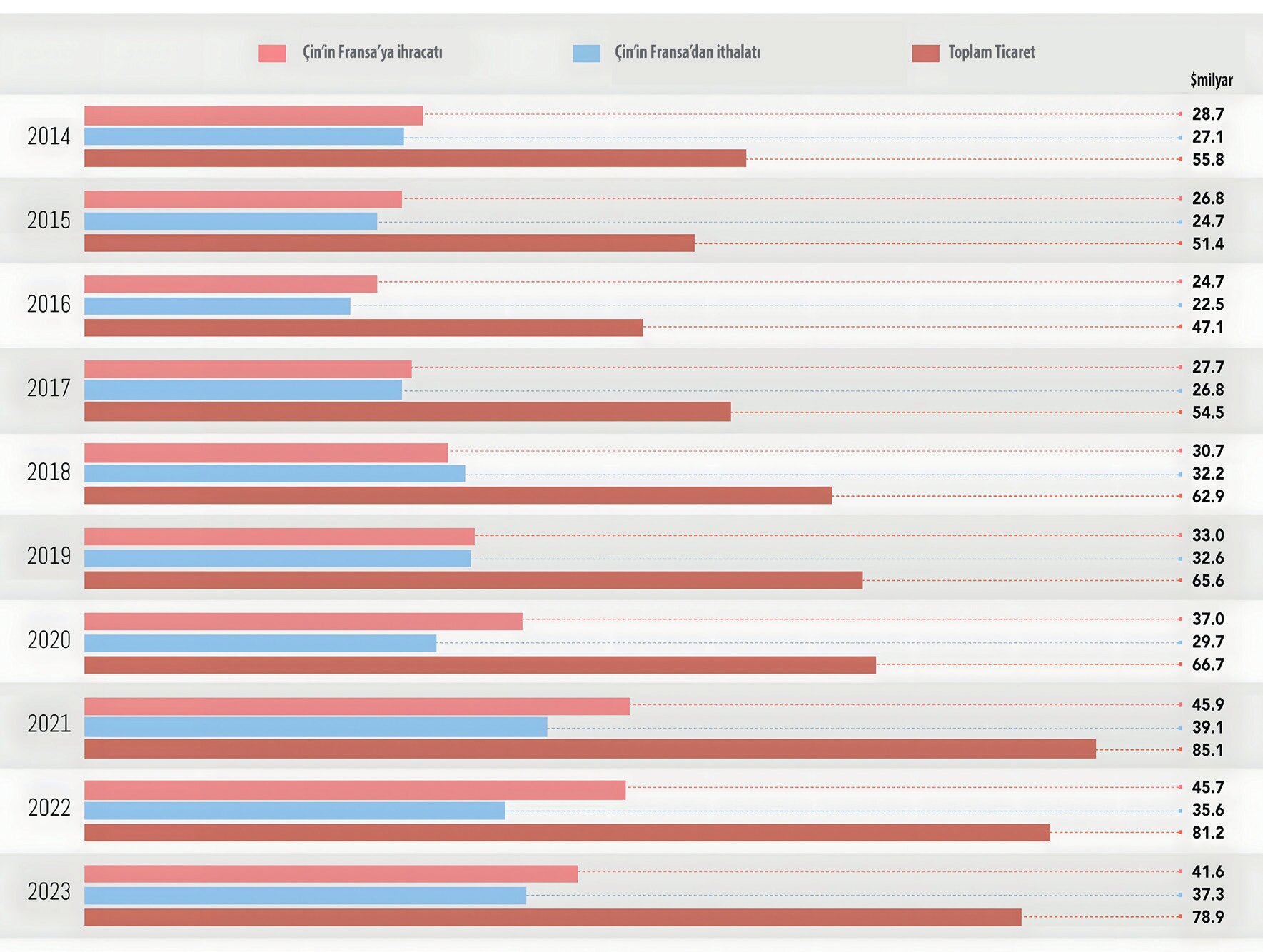
PRC does not represent a singular, monopolistic entity within the framework of economic globalization and international migration. On the contrary, the African continent hosts a myriad of Chinese stakeholders, encompassing diverse entities such as the Chinese government, prominent corporate entities like CNPC, CNOOC, and Sinopec within the oil sector, private enterprises, Chinese professionals seeking overseas relocation in pursuit of elevated remuneration, and individuals who have experienced social or economic marginalization due to initiatives like the Zhejiang reforms (He, 2020He, Alex Jingwei. (2020). “Access to social protection by immigrants, emigrants and resident nationals in China.” Migration and Social Protection in Europe and Beyond (Volume 3). Springer, Cham: 77-91.). Beijing does not orchestrate the activities of these diverse actors in the service of a unified power projection strategy (Han, 2022Han, Zhang. (2022). “China-France relations withstand test of turbulent world, ‘stabilizer’ for EU struggles in China policy”, Global Times, 20 December 2022, Acvhieved from). While it holds true that the Chinese government facilitated the outbound movement of Chinese investors during the 2000s, major corporate entities maintain close affiliations with the central or provincial authorities of origin, and all entities benefit from the diplomatic sway exerted by PRC, the landscape is characterized by a multiplicity of projects and objectives, mirroring the diversity of actors involved. Simultaneously, Confucius Institutes, propelled by the Chinese government to fortify its cultural influence globally, are proliferating across the world, with a notable presence in the US and Europe and an expanding footprint across all continents. These institutions are designed to disseminate proficiency in Mandarin, along with knowledge of Chinese culture and civilization, often established in collaboration with regional universities to integrate into international research communities. However, their existence is not devoid of ambiguity, as host universities are stipulated to refrain from engaging with regional issues such as Tibet or Taiwan. Concurrently, China’s cultural appeal is burgeoning, evidenced by a recent assessment from the Inspectorate-General of the French Ministry of Education indicating a fourfold surge in secondary school pupils studying Mandarin in France over the past decade, totaling 33,000 students. Among the 17,000 college students proficient in Chinese, yet not specializing in the language, three-quarters regard it as an ancillary skill for their future professional pursuits (Vergnaud, 2018Vergnaud, Jean-François, and Alain-James Palisse. (2018). “La longue marche vers l’internationalisation de l’enseignement supérieur chinois”, Hérodote 168(1): 59-78.). This escalating cultural influence intertwines with industrial and economic developments, evident in the substantial augmentation of economic ties between France and the People’s Republic of China since the 1990s.
A recent study by CEPII reveals a nearly tenfold rise in French production’s dependence on Chinese supply from 1995 to 2014 (Normand, 2020Normand, Grégoire. (2020). “Mondialisation: la dépendance industrielle de la France à la Chine a explosé en 20 ans”, La Tribune, Accessed 12 July.). This paradoxical positioning of PRC, functioning both as a pivotal protagonist and an early casualty of globalization, holds significance within the realm of alter-globalization. China’s integration into global trade and production patterns has fueled robust economic growth and poverty reduction domestically and internationally. However, this integration has concurrently led to exacerbated income inequality (Françoise, 2006: 48-49Françoise Nicolas. (2006). “Chine: bienfaits et revers de la mondialisation”, IFRI: Dossier Mondialisation et Inégalités, 48-56.).
In this context, while an outright repudiation of globalization remains economically unviable for the PRC, it provides an avenue to proffer an alternative narrative to the Western-style capitalist globalization paradigm through its distinctive model. These multifaceted dynamics significantly influence the diverse dimensions of Sino-French relations, presenting opportunities for bilateral development across economic, cultural, and political spheres.
In the realm of international relations, the geopolitical positioning of China holds paramount significance for France and other European nations. President Emmanuel Macron explicitly articulated France’s keen interest in the region and its intent to cultivate novel alliances with Asia in 2018. Subsequently, the Ministry for Europe and Foreign Affairs, in conjunction with the Ministry for the Armed Forces, issued documents delineating the foreign and defense strategies that France envisages implementing in the Indo-Pacific region (Paskal, 2021Paskal, Cleo. (2021). “Indo-Pacific strategies, perceptions and partnerships.” Chatham House 23.). A pivotal development in 2019 was the deployment of a nuclear-powered aircraft carrier strike group by France to the Indo-Pacific region, encompassing the contentious Taiwan Strait transit and engagement in collaborative naval exercises with regional nations (Meunier, 2022Meunier, Quentin. (2022). “Quelle est la position de la France vis-a-vis de la Chine et Taïwan?”, BFMTV, Accessed 5 August.). Macron’s leadership has actively shaped France’s role in defining the EU’s strategy and vision for Indo-Pacific engagement (Duggal, 2022: 2Duggal, Mahima. (2022). “The China Factor in France’s Indo-Pacific Strategy”, Journal of Indo-Pacific Affairs, 1-18.).
France has strategically sought to position itself as an Indo-Pacific state and a nexus between geographically distant continents, leveraging its island holdings in the Indian and Pacific Oceans (Duggal, 2022: 2Duggal, Mahima. (2022). “The China Factor in France’s Indo-Pacific Strategy”, Journal of Indo-Pacific Affairs, 1-18.). The foundational tenets of France’s foreign policy in this context align with interests perceived as non-conflicting from the standpoint of Beijing. China, in its diplomatic discourse, increasingly refrains from differentiating between European nations unless it explicitly disagrees with or criticizes their actions, adeptly managing perceived discrepancies in diplomatic treatment (Wendling, 2022Wendling, Tom. (2022). “La politique chinoise de la France depuis 1964: une volonté de rééquilibrer une relation sous tension?”, Classe Internationale: Votre revue d’analyse internationale, Accessed 29 May.). Emmanuel Macron, in elucidating the novel diplomatic lexicon to leaders of the Pacific Community and the Caledonian community in Australia, underscored the indispensable role of island nations and overseas territories in the management of the Indo-Pacific. Notable among these territories are the six overseas possessions directly under the government’s control, including Reunion, Mayotte, French Southern and Antarctic Territories, New Caledonia, French Polynesia, Wallis, and Futuna, and Clipperton. Macron advocates a multi-stakeholder approach, urging these entities to partake in shaping the Indo-Pacific strategy (Lechervy, 2019Lechervy, Christian. (2019). “La France et le concept d’Indo-Pacifique.” Politique étrangère 3: 23-35.). France accentuates its operational capacity within the Indo-Pacific, aiming to connect habitats to their environment and ensure sustainable growth aligned with environmental and humanitarian considerations. This narrative underscores the confluence of French and American foreign policy objectives, coupled with the geopolitical implications of China’s ascendancy on the global stage and its impact on the Republic’s borderlands. Furthermore, the intricate dynamics between France and PRC wield a direct influence on the broader relations between the EU and PRC.
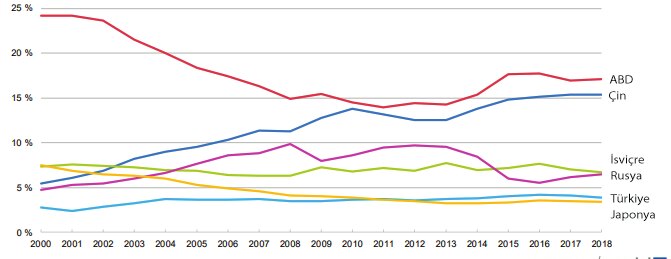
As an integral member state, France assumes a pivotal role in shaping the EU’s stance and policies towards China. The trajectory of Sino-European relations has been predominantly characterized by the profound expansion of economic entanglements, with the year 2003 emerging as a watershed moment in this relationship (Wang, 2004: 71Wang, Yi. (2004). “La Chine et l’UE: vers une coopération stratégique.” Global Views on the European Union. 71-82.). Notably, the period from 2000 to 2019 witnessed an eightfold surge in trade transactions, establishing PRC as the EU’s second-largest commercial partner after the US. This burgeoning economic partnership, while fortifying the robust French export sector, has concurrently fostered increased interdependence in mutual investments. However, this escalating interdependence has precipitated challenges stemming from the contrasting approaches of China’s insularity and Europe’s openness. Complicating matters further, concerns have arisen regarding Chinese enterprises’ endeavors to establish a presence in sensitive infrastructures and sectors. The convergence of political considerations and China’s geopolitical aspirations with economic ties has further complicated the once predominantly economic relationship. Consequently, there has been a perceptible paradigm shift in France and Europe’s perceptions of China, transforming it from a mere economic partner to a formidable competitor and systemic rival. France has experienced tangible outcomes from this heightened awareness and focused approach to the China question. Nevertheless, it is evident that achieving a cohesive European geopolitical stance towards China requires a protracted and concerted effort. Despite the apparent centralized control exerted by Beijing’s one-party system, the capacity of capital to unilaterally impose its will across China is notably circumscribed. The limitation arises due to the highly centralized nature of PRC’s political system, which affords considerable autonomy to local governments. Discernible disparities persist in the implementation of regional policies by the central government. These nuanced political and administrative contextual factors are inherently tied to China’s unique institutional environment (Telo, 2020Telo, Mario. (2020). “Les relations UE-Chine, l’accord global sur les investissements (AGI) et l’autonomie stratégique de l’Union européenne.” L’Europe en Formation 391(2): 3-15.). The evolving landscape of EU-PRC economic and political interactions holds instructive implications for other developing nations aspiring to enhance the diffusion of technology and knowledge to bridge the gap with developed counterparts.
Conclusion
Henceforth, the landscape of international politics since the onset of the 21st century has eschewed the bipolar dynamics of the Cold War era and the unipolarity characterizing the post-Cold War period. Notably, nations such as China have ascended to prominence through their remarkable economic strides, ushering in an era where multipolarity has gained prominence in the discourse of international relations. Against this backdrop, the aspiration of France, and potentially the EU, for a role in international politics amid multipolarity aligns with the inclinations of French foreign policy, fostering close ties with China. The historical oscillation in Sino-French relations, particularly during the era of Charles de Gaulle, reflects a nuanced trajectory, marked by fluctuations yet characterized by a relative inclusiveness compared to other Western states. This historical context positions France as a potential alternative to the US-centric globalization movements that have emerged post-2000.
The nexus of economic, political, and cultural collaboration between France and China assumes significance within the realm of alter-globalization. As France endeavors to safeguard its cultural sovereignty, China’s economic progress reinforces its commitment to the preservation and dissemination of its cultural heritage. Within this framework, the collaboration between these two nations stands to benefit from alter-globalization movements, offering a counterpoint to prevailing global hegemonic influences. Taking a Marxist perspective, the foundational influence of the economy and its developments on culture and social life is acknowledged. Notably, public procurement practices have assumed a strategic role in advancing diverse public policy objectives in both France and China. The underpinning liberal logic of the public procurement regime, whether within the traditional paradigm of public finance or the more recent push for international competition, necessitates a careful consideration of its strategic applications. Balancing these dual imperatives becomes imperative, especially when delineating international legal standards in this domain. Despite the discernible trend of legal globalization leading to a convergence in the strategic use and liberalization of public procurement between France and China, such alignment is not underpinned by identical balancing techniques employed in both nations. Furthermore, the nation-specific features of Chinese law introduce inherent legality to the compensatory techniques employed, rendering it presently unfeasible to compel a shift in the Chinese government’s course through compliance with the balancing strategies utilized in France. The foundational tenets of international economics provide valuable insights into the comparative and global political-economic dimensions underlying the surge of anti-globalization sentiments, anti-immigration sentiments, anti-elite sentiments, anti-government sentiments, and anti-establishment populism, both historically and contemporarily. The discernible pattern of growth in human-intensive, physical, and financial capital-intensive industries, predominantly within the developed world, coupled with the concomitant contraction of industries primarily reliant on unskilled and semi-skilled labor, constitutes the outcome of global economic integration. This holds true across the realms of global trade, finance, and migration. While individuals in unskilled and semi-skilled positions experience tangible losses, capitalists concurrently accrue substantial gains. For nations grappling with the challenges posed by the prevailing order in international politics or those in the process of development, it becomes more efficacious to proffer alternatives to the dominant paradigm rather than outright rejection of globalization. The dynamic between France and China serves as a pertinent illustration of states endeavoring to enhance their relations, despite not achieving full concordance. The evolving trajectory of China’s economic prowess necessitates a nuanced analysis in the forthcoming years to gauge the extent of China’s inclination to engage with France.
Contemporaneously, China’s developmental trajectory unfolds within the ambit of globalization, albeit marked by differentiation. The incorporation of the Chinese economy into the world market, facilitated by its accession to the WTO, signifies an initial phase of economic integration. Subsequent stages are anticipated to encompass political, social, and value integration. Accelerated integration, coupled with the receding role of the state in the social sphere, has engendered the emergence or re-emergence of novel social forces. These encompass associations of private entrepreneurs, semi-religious and semi-martial societies exemplified by the Falungong, as well as spontaneous organizations of peasants identifying as advocates for their rights and entities self-defining as non-governmental organizations (NGOs). The ongoing social, political, and economic transformations within China hold the promise of exerting profound repercussions on the global landscape.
Ultimately, France aspires to foster a multipolar world within the realm of international relations. It envisions the European Union (EU) assuming a pivotal role as one of these poles, with a desire for France to guide the EU’s trajectory. Historically, France has sought diplomatic engagements with diverse poles during the Cold War era and notably, it stood as the first Western nation to extend recognition to China amid the Taiwan disputes. Consequently, France’s inclination toward alternative globalization movements, rather than adhering to an American-centric paradigm, aligns with its pursuit of multipolarity. The Sino-French relations, within this context, emerge as a manifestation of the broader objective to cultivate close ties with multiple poles, reminiscent of the Cold War dynamics in a multipolar framework. While initially framed within the discourse of anti-globalization, it becomes apparent that both France and China do not advocate against globalization per se; rather, their objection pertains to its overtly American or Western-centric orientation, epitomizing a unilateral perspective. Thus, the concept of alter-globalization, or Altermondialisation in French parlance, encapsulates the essence of French ideological underpinnings. This articulation strives to present an alternative vision of globalization that is more inclusive and constructive, transcending a mere rejection of the prevailing global paradigm. In essence, the narrative surrounding the relations between France and China unfolds as an alternative historical and contemporary paradigm, portraying a politically astute France leveraging local opportunities at the global echelon, challenging the hegemony of the global status quo.