Introduction
The Belt and Road Initiative (BRI) faces escalating global risks, particularly in ASEAN. These risks stem from: (1) domestic electoral cycles and political competition, (2) domestic political contestation over issues like corruption, and (3) external major powers’ competitive strategies. This underscores the BRI’s politicization.
Despite ASEAN’s achievements, the region faces uncertainties stemming from internal factors, which are impacting project implementation and international cooperation. This politicization often reflects the political objectives of domestic actors.
For example, Malaysia’s stance on the BRI shifted around the 2018 election, and key projects in the Philippines and Indonesia also faced political resistance. These cases demonstrate the widespread impact of domestic political risks on the BRI. This raises questions about how the BRI becomes politicized and why interference from domestic politics varies.
This politicization worsens the environment for modernization in countries of the “Global South”. International development cooperation, a post- World War II diplomatic practice (Morgenthau, 1962Morgenthau, H. (1962). A political theory of foreign aid. American Political Science Review, (2), 301–309.), has been politically motivated (Lancaster, 2007Lancaster, C. (2007). Foreign aid: Diplomacy, development, domestic politics. University of Chicago Press.). It has become a pathway for security, development, and modernization (Breuning, 2002Breuning, M. (2002). Foreign aid, development assistance, or development cooperation: What is in a name? International Politics, 39, 369–372.).
However, the political nature of major powers’ international development cooperation enters the domestic politics of target countries, leading to politicization. (Indeed, foreign assistance is usually included in development cooperation between donors and recipients. On the one hand, foreign assistance inherently implies an unequal relationship between developed donors and underdeveloped recipients. Development cooperation, on the other hand, reflects a shift in aid philosophy that should respect the recipient country’s own conditions and development needs. In this paradox, the occurrence of political effects cannot be equated with simple spillover effects but involves complex interactive mechanisms.) This differs from a simple impact, instead involving complex interactions. Underdeveloped regions’ modernization demands have led to three political consequences: (1) rapid party politics development, (2) increased public participation, and (3) fragile political institutions (Roessler, 2016Roessler, P. (2016). Ethnic politics and state power in Africa: The logic of the coup–civil war trap. Cambridge University Press.). Therefore, external development cooperation faces amplified politicization and risks. This paper seeks to address the factors and mechanisms behind these differences.
Politicization of International Development Cooperation in Target Countries: Conceptual Definition
Politicization refers to the process of imbuing a non-political issue with political significance. Based on this, the domestic politicization of transnational development and diplomatic matters refers to the process of assigning domestic political meaning to an issue that originally belongs to the transnational sphere. This study argues that the realization of domestic politicization requires specific background conditions. First, the problem must have a direct connection to domestic politics, making it potentially political. For example, the inconsistent use of political conditionalities by some donors, who require high political conditionalities for the provision of aid to specific recipients but do not require political conditionalities for some recipients who provide a lot of aid, may, to a certain extent, lead to a crisis of confidence in the political conditionalities of assistance provided by other countries to the donor countries (Mold & Zimmermann, 2008Mold, A., & Zimmermann, F. (2008). A farewell to policy conditionality? OECD Development Centre Policy Insights, 74, 1–4.); second, it often manifests as a goal-driven or event-driven characteristic, caused by the actions of domestic political actors based on political goals or political demands, which is the result of the actor’s behavior. More concretely, this is manifested explicitly in how the political conditions attached to foreign aid inevitably undermine the accountability structures of recipient countries’ local governments. It is also evident that, even without such political conditions, recipient countries cannot use external aid entirely at their own discretion. Donor nations retain the right to demand transparency regarding the use of aid funds and to require the adoption of credible utilization methods to prevent misuse of such resources. Taken together, international development cooperation led by major powers is highly susceptible to politicization in target countries. This is because its goals and practices inevitably embed external technologies, ideas, and influence into recipients’ domestic affairs, thereby creating political implications beyond mere material interest linkages. Moreover, such cooperation often intersects with sensitive areas of domestic governance—such as national development strategies, planning priorities, and foreign policy design—making it particularly easy for domestic political actors to frame it as politically consequential. In practice, politicization may be driven either by incumbents seeking to claim credit and gain political prestige or by challengers who mobilize controversy to contest authority and pursue the redistribution of power and interests. Therefore, the core driving force of this mechanism lies in the absolute need to mobilize the domestic public for political purposes.
This study argues that most international development cooperation will be politically exploited by domestic actors in target countries, but the degree of its politicization varies across different projects and countries. This is reflected in three types of politicization with distinct characteristics, and there is a clear progressive relationship among them. Issue Continuation: This type of politicization manifests as international development cooperation entering the target country and deepening (rather than creating new) existing domestic political issues, thus creating a specific connection with old domestic political problems. The second is instrumental politicization. This mainly manifests as integrating into the power competition of domestic politics (especially party-political competition, ethnic groups, and central-local competition), thus using development cooperation as a tool for domestic politics; the third is ideological politicization. In this type of politicization, international development cooperation is deeply embedded in the recipient’s domestic political agenda and becomes part of the domestic political ideological competition. Specifically: Issue Continuation: In this type, development cooperation connects with specific domestic political issues, deepening their complexity and intensity and promoting domestic political differentiation. In particular, the implementation and execution of international development cooperation projects connect with domestic political problems, such as tensions between central and local governments, ethnic issues, and environmental governance issues in the target country, which can trigger social resonance and lead to social differentiation. International development cooperation may exacerbate social system differentiation. Such examples are not uncommon. During Myanmar’s political transition following military rule, numerous Western donors and intergovernmental organizations entered the country in search of opportunities. While this led to increased support for civil society, international NGOs remained more influential than local actors. However, after hate speech and violence targeting Muslim communities intensified, aid began to become politicized once again. Consequently, foreign agencies in Rakhine State have been accused of prioritising Muslim recipients, and some of them have been expelled as a result. In addition, the International Criminal Court (ICC), along with the International Court of Justice (ICJ), initiated a case against Myanmar following the escalation of violence against the Rohingya. Moreover, Aung San Suu Kyi, a human rights icon, defended the military’s role in it, causing great surprise and indignation among Western observers. In this context, the selective international focus on Myanmar has led to ‘competing victimisation’ among different ethnic groups. Overall, in conflict situations, the distribution of aid resources actually makes ethnic, religious, and geographical divisions more pronounced by providing incentives to differentiate between ‘my group’ and ‘the other group’ (Matelski, 2023Matelski, M. (2023). Contested civil society in Myanmar: Local change and global recognition. Bristol University Press.).
Instrumental Politicization: Domestic actors integrate development cooperation into domestic political competition through specific goals, especially in the context of elections, legislation, and other domestic political activities, to achieve instrumental politicization. This mainly manifests in the exercise and competition for domestic political power, and it is typical of leaders’ activities, parliamentary elections, the formulation and revision of laws, and other activities related to the distribution of political interests. Domestic political actors actively combine international development cooperation with domestic political issues and demonstrate their legitimacy or weaken the legitimacy of competitors (or political proposals) to gain political mobilization advantages. Unlike issue continuation, in instrumental politicization, the issue connection reflects more artificial characteristics and is deliberately used for political competition. Take the example of aid projects to Zambia and their relationship to elective electoral politics. Aid is no longer based on poverty or need but is embedded in electoral logic. Aid Development cooperation becomes a tool for preserving or securing votes, with the Government and donor agencies targeting projects to politically sensitive areas. When it is difficult for the regime to clearly identify voters’ preferences in each constituency, it prefers to allocate aid projects to constituencies with high opposition support, or so-called ‘swing’ constituencies. This logic means that aid does not neutrally serve the ‘most vulnerable’ groups but instead has a specific ‘electoral strategy’ dimension (Masaki, 2018Masaki, T. (2018). The political economy of aid allocation in Africa: Evidence from Zambia. African Studies Review, 61(1), 55–82.).
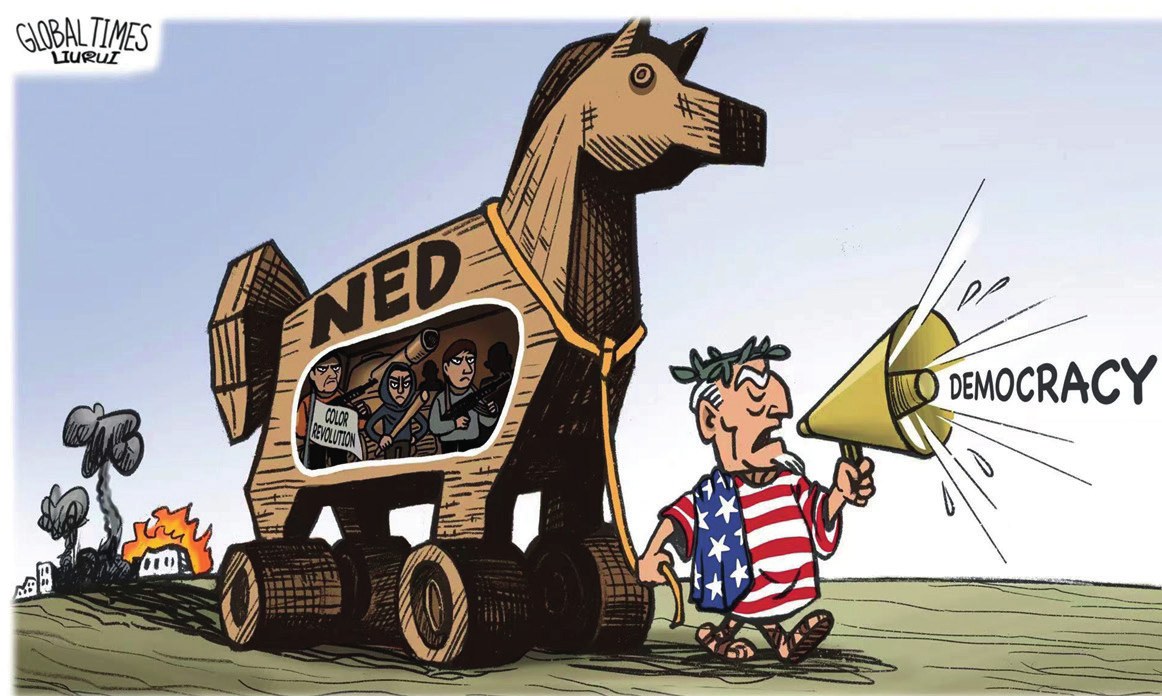
Ideological Politicization: Development cooperation that achieves ideological politicization in the target country’s domestic politics becomes part of the domestic political ideological competition. Domestic political ideology has a dualistic characteristic, which is outwardly manifested in labelling a particular issue, hostile attribution, and panic mobilization. Under populist conditions, it may also have considerable extremism. When the domestic politicization of international development cooperation shifts from instrumental to ideological, it involves more complex conceptual games and more profound domestic political contradictions. It uses a simplified cognitive process to mobilize and stimulate the audience’s group identity, thus leading to the irreconcilability of opposition, which often reflects the strategies and intentions of populist leaders. More importantly, when this domestic politicization reaches the stage of ideological politicization, its impact is usually tricky for the actors to limit and becomes uncontrollable. From the 1960s to the 1980s, U.S. initiatives for “democracy promotion” and anti-communist projects in Latin America, often channeled through agencies like USAID and NED, frequently aligned with Cold War geopolitical objectives. By funding political parties, civil society initiatives, and training programs, these efforts sought to cultivate forces aligned with U.S. or Western political narratives. Alternatively, in specific contexts, they supported authoritarian allies to uphold anti-communist order, thereby sowing ideological divisions within target countries (McCormick, 2017McCormick, E. D. (2017). Breaking with statism? U.S. democracy promotion in Latin America. Diplomatic History, 42, 745–748.). Moreover, the Marshall Plan was viewed as a vehicle for disseminating American liberalism. Serving both as an economic reconstruction initiative and a tool for propagating free-market principles, pro-American political orientations, and anti-communist ideology across Western Europe, the United States leveraged policy and technology transfers alongside political and economic reconstruction narratives to influence target nations’ governance structures and ideological landscapes.
Mechanisms and Causal Explanatory Factors of the Politicization of International Development Cooperation in Target Countries
A mechanism is a process that can cause or prevent (change or control) specific changes in the entire system or its subsystems (Bunge, 1999Bunge (1999). The source article does not provide a separate full bibliographic entry for this citation.). The existence and function of the mechanism are objective and real, and concern for the mechanism has ontological significance, serving as a necessary step in causal explanation. Accordingly, this study intends to propose an intermediate mechanism for the politicization of international development cooperation in target countries to understand the process by which international development cooperation led by major powers is implanted into the domestic politics of target countries, thereby explaining the differences in the degree of domestic political interference in different countries and different projects.
This intermediate mechanism introduces the policy analysis structure of the neo-classical realism system: domestic politics, foreign policy decision-making, and international results. Meanwhile, it absorbs the research agenda of domestic interests and institutions, as well as the information structure of open economic politics (OEP). Specifically, the OEP adopts the assumptions of neoclassical economics and international trade theory while explicitly incorporating political variables into its analyses. Interests are the most fundamental element in the politics of the open economy, or how individuals or groups are affected by a policy. In this model, actors who benefit from a policy will use their political resources (through lobbying) to secure the policy until the marginal cost of their efforts equals the marginal benefit. On the contrary, actors who benefit from a policy to the detriment of others will lobby against it. (Grossman & Helpman, 1994Grossman, G., & Helpman, E. (1994). Protection for sale. American Economic Review, 84(4), 833– 850.) At the same time, the OEP also recognizes that the study of interests alone is insufficient, unlike previous approaches to domestic interests. Despite its exhaustive account, interests can only be refracted and reflected through political institutions, which often have an independent influence on policy choices. In the OEP, institutions determine the currency used in the political ‘big market’ and the valuation of different political assets. Information structures can be viewed as a bargaining platform among nations. When domestic interests are institutionally integrated into national policy, states engage in bargaining to influence each other’s behavior and determine the aggregate outcome of their actions.
It partially draws on the decision-making model of domestic actors - international interaction of the two-tier game theory. This intermediate mechanism includes four main steps: contact, differentiation, mobilization, and solidification.
The overall logic of its mechanism operation can be described as the following process: International development cooperation led by major powers enters the domestic politics of the target country and has a deep connection with domestic social and political issues (contact ) → Domestic society begins to accumulate and exacerbate social differentiation on specific issues due to the deepening of international development cooperation, leading to a specific range of social resistance (differentiation ) → Domestic political elites are involved in social differentiation, and at the same time try to use this social differentiation to carry out political mobilization on specific issues (mobilization ) → The high degree of social differentiation of specific issues leads to the solidification of society’s attitudes and understanding of international development cooperation, and may rise to ideological opposition (solidification ), ultimately, this leads to a high degree of domestic politicization of international development cooperation, causing the target country to withdraw or shelve existing international development cooperation.
The principal determinants of politicization are explicated below: Openness of Public Policy Process: This study posits that the main driving force for domestic actors to activate the domestic politicization mechanism is the need for domestic political mobilization. Whether they have sufficient motivation to carry out and maintain this political mobilization depends more on the structure of domestic political participation, as reflected in the ability and willingness to participate (De Vries, Hobolt & Walter, 2021De Vries, C. E., Hobolt, S. B., & Walter, S. (2021). Politicizing international cooperation: The mass public, political entrepreneurs, and political opportunity structures. International Organization, 75(Special Issue 2), 306–332.). In political systems with low openness in public policy, domestic actors often lack the motivation to manipulate development cooperation politically. They will not promote an increase in the degree and scope of politicization, usually remaining at the level of instrumental politicization or below. In political systems with greater openness in public policy, more actors participate in domestic political competition, and their opportunities for political mobilization have also increased significantly. Especially in the “Global South” countries, including ASEAN countries, the effectiveness of their political systems and the general state of democratic operation are more limited, coupled with the impact of populism and other extreme ideologies, leading to more intense, and possibly more disorderly and irrational political mobilization (Kasuya & Tan, 2024Kasuya, Y., & Tan, N. (2024). Introduction: Democratic backsliding in Southeast Asia. Asian Journal of Comparative Politics, 9(1), 3–8.). Domestic political participation plays a greater role in the elite social mobilization node of the core mechanism and in the elite issue differentiation node of the auxiliary mechanism, addressing the key motivational question of whether issues are used for political mobilization in the mechanism’s operation.
Domestic Political Division: Political division focuses on the degree of political centrifugal force, which is divided into two types: severe political division (significant contradictions between the central and local governments, ethnic conflicts), and insignificant political division (strong centralism, relatively unified ethnic groups and social classes). In countries with more severe political divisions, development cooperation projects are more likely to be disrupted by competition between central and local governments and ethnic groups. Local governments or ethnic groups often seek greater compensation, investment, or infrastructure support by raising political costs. However, this game is more likely to be hyped by local and ethnic forces for political purposes, amid political hype and mass mobilization.
Localization is the core manifestation of political division, meaning that local politics influences and interferes with the public decision-making of the central government, whether through institutional or informal power. Political division is a key driver of the politicization of development cooperation projects.
Competitive Behaviour of External Major Powers: Whether an external major power views international development cooperation led by a central power as a manifestation of major-power geopolitical confrontation and takes competitive measures to address it can affect the driving force of the domestic politicization mechanism. This type of behaviour mainly includes three forms: First, proposing competitive development cooperation projects to directly compete and confront, thereby suppressing existing development cooperation projects led by other major powers, and winning over the domestic society of the target country; Second, using covert means and media advantages to create problems and advocate contradictions, thereby undermining the construction environment of existing development cooperation projects led by other major powers; Third, funding and supporting domestic political forces in the target country. These three forms demonstrate that domestic politics must also influence the competitive behaviour of external major powers.
Politicization of International Development Cooperation in Target Countries
In the Global South, international development cooperation not only involves economic assistance and technical support but also inevitably engages recipient countries’ internal political processes, shaping a “cooperation-confrontation” dynamic. From a comparative political perspective, Southeast Asian countries provide rich empirical support for understanding and verifying this structural tension. Development issues continue to plague the region, with unbalanced outcomes and differentiated characteristics across countries. In the countries most severely affected by development issues, the superposition of structural conditions and situational stimuli has stimulated the political mechanism of ideologizing development cooperation, further exacerbating the complexity of collaboration. Some other countries have created more favourable conditions for absorbing external modernization factors by effectively controlling the politicization tendency of development cooperation.
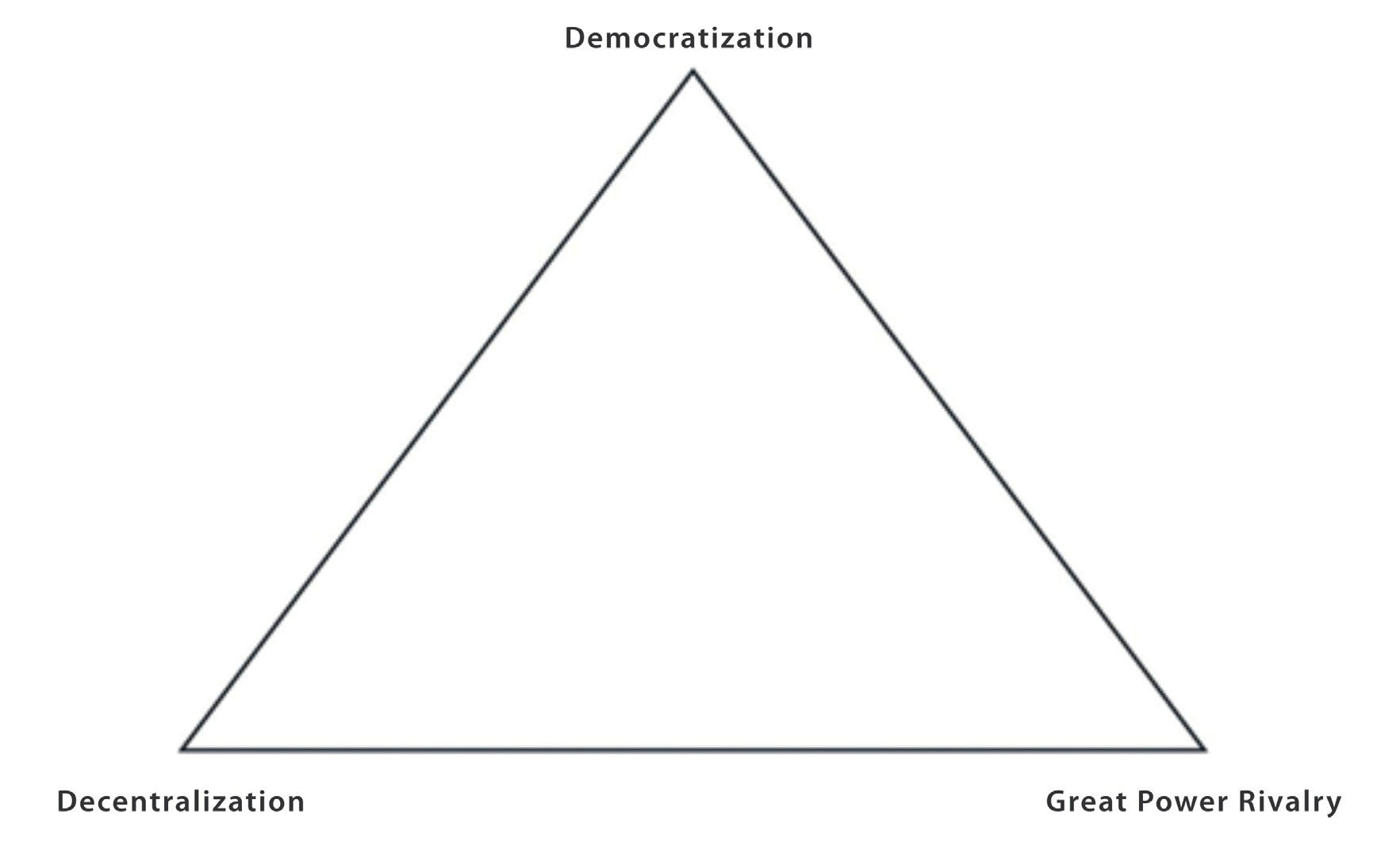
“Cooperation-Confrontation” Model and the Impossible Trinity of International Development Cooperation: In the “Global South,” the inefficiency and unsustainability of development cooperation are often rooted in the structural tension between domestic political mobilization. They are manifested at the cultural level as a gap in trust between their own strengths and external imports. This “cooperation-confrontation” model constitutes the structural dilemma of development cooperation. When this confrontational factor continues to accumulate and strengthen, development cooperation may be further ideologized and become part of domestic political struggles, thereby seriously weakening its effectiveness and sustainability. From the perspective of the mobilization structure, the politicization and ideologization of international development cooperation are mainly driven by the following three structural conditions: First, the democratic institutional structure provides the possibility for the division of domestic elites and provides the initial impetus for elites to create issues for political mobilization; Second, the localization of political division provides the interest basis and identity incentives for the division of regional and ethnic elites and broader masses, making the politicization of international development cooperation led by major powers more organized and radical; Finally, the intervention of great power geopolitical competition will antagonize and label the development cooperation behavior led by another great power, thereby turning the dispute over development cooperation projects into an ideological disagreement. Based on this, the theory of political opportunity structure provides a supplementary perspective for understanding the process of politicization of development cooperation, and the shocking events that provide and expand the political opportunity structure (social protests, election changes, project accidents, violent conflicts, etc.) can be regarded as essential triggers for politicization. The theory of political opportunity structure is an important concept in the study of social resistance, which can be used to assess and explain the degree of openness of political participation, institutions, and power in the entire society (Tilly, 1978Tilly, C. (1978). From mobilization to revolution. Addison-Wesley.). The state of political opportunities depends on whether the structural factors in the political environment provide a favourable window for social movements and resistance politics. Moreover, political opportunities have situational characteristics, meaning that their expansion and compression will be affected by specific circumstances. This study argues that the politicization of development cooperation is situationally sensitive, and the analysis of political opportunities will focus on events that affect trust in development cooperation and induce conflicts between cooperation projects and domestic political emotions, which play an essential role in promoting the ideologization of development cooperation. Based on the above analyses, this study proposes the following hypothesis: When the process of public policy-making is highly open and democratized, the political division presents obvious regional characteristics, and major powers are engaged in fierce geopolitical competition in the local area, the process of international development cooperation is highly susceptible to being highly ideologized and tends to be divided, and stimulating events may exacerbate the intensity of this division, thereby seriously restricting the effectiveness and sustainability of cooperation, making external cooperation and assistance difficult to enter smoothly for a long time, thus forming the “impossible trinity of development cooperation”.
Orderly Democracy and Instrumental Politicization: Institutional Political Games: In addition to regarding it as an ideological confrontation caused by domestic structural disorder or institutional fragility in the target country, some countries embed international development cooperation into domestic political logic through specific institutional arrangements and political games. The politicization in this case is instrumental. It does not reflect institutional failure or the standstill of development cooperation, but rather the adaptability of domestic politics to external development cooperation. The conditions for instrumental politicization can be divided into three possible directions: First, in domestic politics, there are objective conditions for the closure of the public policy process or the political opportunity structure, so that the “impossible trinity” does not hold. In countries with more resilient democratic systems, the election cycle and the space for public opinion provide a platform for politicization, but institutional resilience serves as a “cooling mechanism”. Laws and conventions bind multi-party competition, and external issues are “parliamentarized” rather than “street-oriented”. The bureaucratic system is relatively neutral and professional and can promote external development projects in a “depoliticized” manner, thereby achieving the redistribution of political interests rather than structural conflicts. In addition, under a stable, centralized political structure, the degree of social differentiation caused by international development cooperation is limited, the mobilization capacity of the opposition or social groups is weak, and political opportunities are limited. Second, artificial political strategies. The means of seeking political support, allocating resources, enhancing legitimacy, or attacking opponents. International cooperation projects are often repackaged as symbols of “government capacity” and “international prestige,” which are more common in countries with more resilient democratic systems. Under the democratic system, it has become an essential material for the ruling party to create an “achievement narrative”. For example, whether it is the Malaysian Pakatan Harapan government renegotiating the East Coast Rail Link project, or the Indonesian Joko Widodo government using the Jakarta-Bandung High- Speed Railway as an essential platform to demonstrate the country’s modernization image, it is a political repackaging of the “Belt and Road” project. This approach does not deny cooperation itself but emphasizes its control over “discourse sovereignty” (Kuik, 2021Kuik, C. (2021). Asymmetry and authority: Theorizing Southeast Asian responses to China’s Belt and Road Initiative. Asian Perspective, 45(2), 255–276.).
The Ideologicalization of the Belt and Road Initiative in Southeast Asia
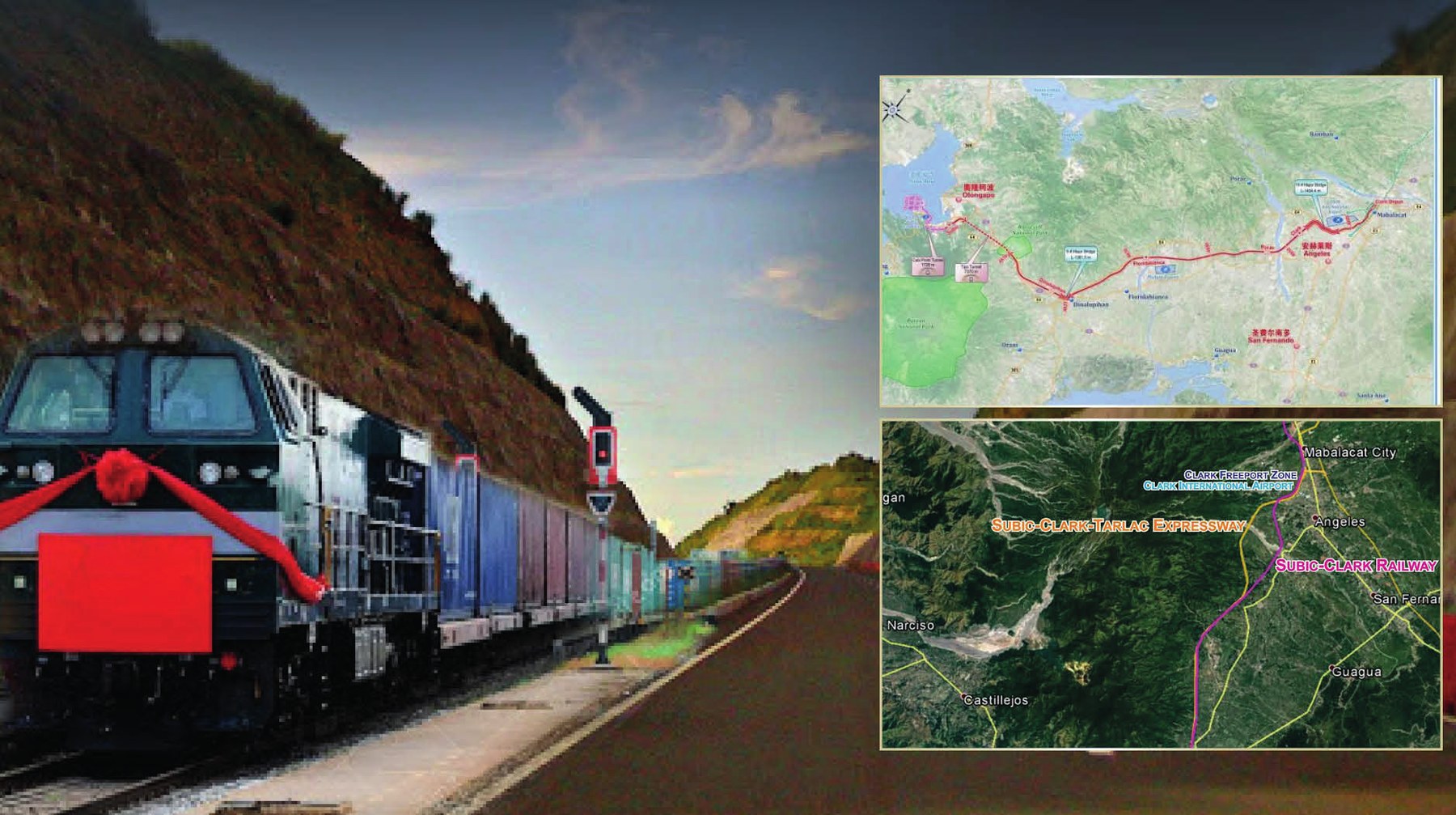
The Stalled Subic-Clark Railway Project in the Philippines
The Subic-Clark Railway project, a key component of the BRI and part of the Duterte administration’s “Build, Build, Build” strategy, was intended to enhance logistics efficiency in Luzon by connecting Subic Bay and Clark International Airport (Chao, 2020Chao, W. C. (2020). The Philippines’ perception and strategy for China’s Belt and Road Initiative expansion: Hedging with balancing. The Chinese Economy, 54(1), 1–8.). The Subic-Clark Railway is a freight railway under construction in central Luzon, Philippines, with a total length of 71 kilometers. Upon completion, it will enable port-rail-air multimodal transport, reduce logistics costs in Luzon’s core economic zone, and connect with the Northern Line Railway in the Philippines. On January 16, 2021, the Philippine Department of Transportation signed a $940 million commercial contract with Chinese enterprises, marking the largest intergovernmental cooperation project between China and the Philippines at that time.
After the Marcos Jr. administration took office in 2022, Manila rapidly adjusted its strategic orientation and initiated a comprehensive reassessment of Chinese-funded infrastructure projects. This policy shift ultimately resulted in the suspension of several BRI-related projects and their gradual replacement by alternative development plans led by the United States and its allies. In particular, the Marcos government conducted a broad “review” of major Chinese-backed projects, which led to the termination of negotiations on development cooperation with China and the cancellation of three railway projects, including the Subic–Clark Railway. Philippine officials attributed the cancellation to what they described as insufficient Chinese financial commitments, while redirecting their search toward allegedly more “reliable” sources of funding. In the same year, the Philippines also terminated bilateral negotiations with China on joint energy exploration in the South China Sea, further signalling a decoupling of development cooperation from earlier pragmatic engagement.
Following the Marcos administration’s 2022 review of several Chinese-funded projects, including the Subic-Clark Railway, no substantial progress was made. The government has since initiated the Japan-backed North-South Commuter Railway, partially replacing the Subic-Clark Railway’s function, yet progress remains limited. This situation reflects the “impossible trinity” of development cooperation, highlighting three structural tensions.
Firstly, the Philippines’ democratic framework and populist environment provided opportunities for political elites to create development issues and engage in ideological mobilization, leading to significant divisions within the domestic political sphere. Opposition lawmakers exploited disagreements over financing terms, criticizing the “China-led construction + mortgage clause” proposal as a form of neo-colonialism that undermines Philippine national sovereignty. Driven by domestic political incentives, Philippine politicians repeatedly amplified disputes over financing terms between China and the Philippines, framing the China-led construction and loan collateral arrangements as a form of “neo-colonialism” that allegedly threatened Philippine sovereignty. These narratives generated negative public opinion toward BRI projects within the country. For political gain, some lawmakers portrayed the Duterte administration’s participation in the BRI as a strategic “concession” or “sacrifice” on the South China Sea issue, deliberately exaggerating cooperation frictions and constructing concepts such as “debt traps” or “commitment traps.” China was depicted as using investment to extract geopolitical concessions. At the same time, Japanese and other partners’ concessional loans were portrayed as less risky and more transparent, reinforcing the image of China as an “unreliable partner” (Yang, 2023Yang, Q. (2023). The Philippine official perception and its changes on China’s Belt and Road Initiative: A language corpus-based discourse analysis (2013–2022). Southeast Asian Affairs, (3), 31–48.). Media outlets and local NGOs amplified public distrust of “Chinese investment infiltration,” even alleging that China could “remotely control” the Philippines’ power supply. It creates a political discourse environment that conveys “we are breaking away from the past” and “embracing a new era”. This public pressure eventually became institutionalized as a national agenda, leading to intense political opposition to the project and demonstrating the politicization of foreign cooperation due to conflicts among the political elite within the democratic system.
Secondly, the Philippines’ highly localized governance system exacerbated asymmetries in resource control and interest competition, creating structural obstacles to the project. The Subic Bay Metropolitan Authority (SBMA) is a central government agency. At the same time, the Clark Development Corporation (CDC) is influenced by local forces in Pampanga province, leading to difficulties in coordinating interests. The SBMA favoured attracting foreign investment to develop the port, while Pampanga province demanded priority for local employment. Local politicians and ethnic interest groups were unwilling to “relinquish” control over resources, authority, and revenue to the central government or foreign enterprises. Issues such as land acquisition and environmental approvals intensified, prompting some residents, supported by environmental organizations, to launch protests. Some critics argue the project is “redundant” or misprioritised (e.g., the organisation Pinoy Gumising Ka, which describes the project as “redundant… anti-development” because an expressway already connects Subic and Clark). These localized critiques suggest the project also plays into domestic political divisions: between local elites vs landowners/public, between regions, and between infrastructure priorities. The government’s push to frame it as job creation, modernization, and growth bypasses or intersects local grievances. Overall, these local obstacles transformed into institutional barriers; for example, in 2021, the Pampanga Provincial Council passed a resolution opposing the railway’s passage through a protected ecological area, forcing route adjustments and increasing costs. The local government used this situation to demand a higher financial share from the central government.
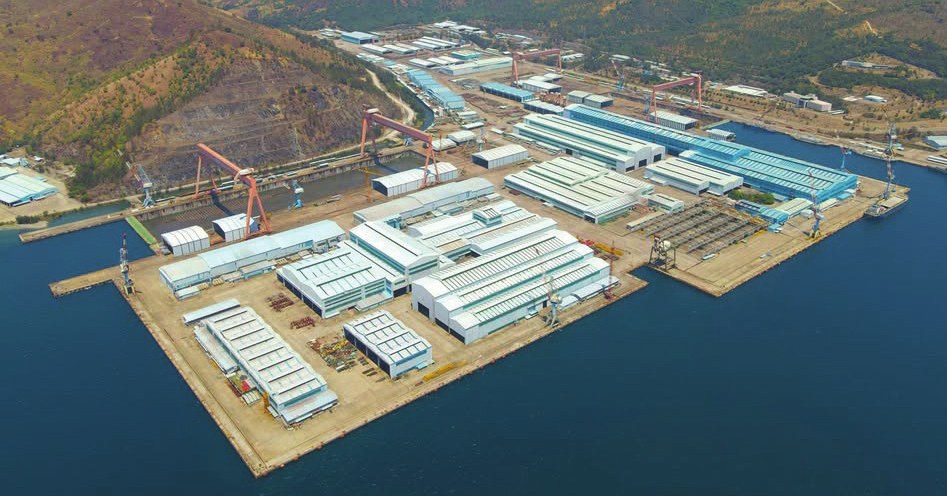
Finally, as a U.S. ally in Southeast Asia and a front-line state in the Indo-Pacific strategy, the Philippines’ foreign cooperation projects inevitably acquired an ideological dimension. Since 2020, following congressional turnover and intensified involvement by external powers, the South China Sea issue once again became a central axis of Philippine official discourse toward China. Political forces, particularly within Congress, increasingly framed BRI-related infrastructure cooperation as a geopolitical liability, warning that such projects could generate adverse strategic spillovers and openly opposing deep engagement with the initiative in foreign policy (Tilly, 1978Tilly, C. (1978). From mobilization to revolution. Addison-Wesley.). The U.S., through the Asia Reassurance Initiative Act (ARIA), provided infrastructure assistance to the Philippines, pressuring it to reduce its dependence on China. In 2023, the U.S. International Development Finance Corporation (DFC) pledged financing for port upgrades in the Philippines, directly offsetting China’s influence in Subic Bay. In fact, the involvement of international partners (US, Japan, Sweden) extends beyond financing to include technical assistance, studies of institutional/legal frameworks, signalling system grants, etc. For example, the Swedish grant for a feasibility study on signaling and operational models. The US assistance via USTDA emphasizes the “free and open Indo-Pacific region” phrasing, aligning the infrastructure with liberal-democratic/allied values rather than purely trade/transport. The embedding of “values” means the project is not neutral: it carries the ideological framing of governance, partnerships, alliances, and supply-chain resilience. This external geopolitical competition transformed the originally singular development cooperation project into a strategic symbol of multi-party competition, significantly undermining the project’s sustainability and execution.
The Termination of the Myitsone Hydropower Project in Myanmar
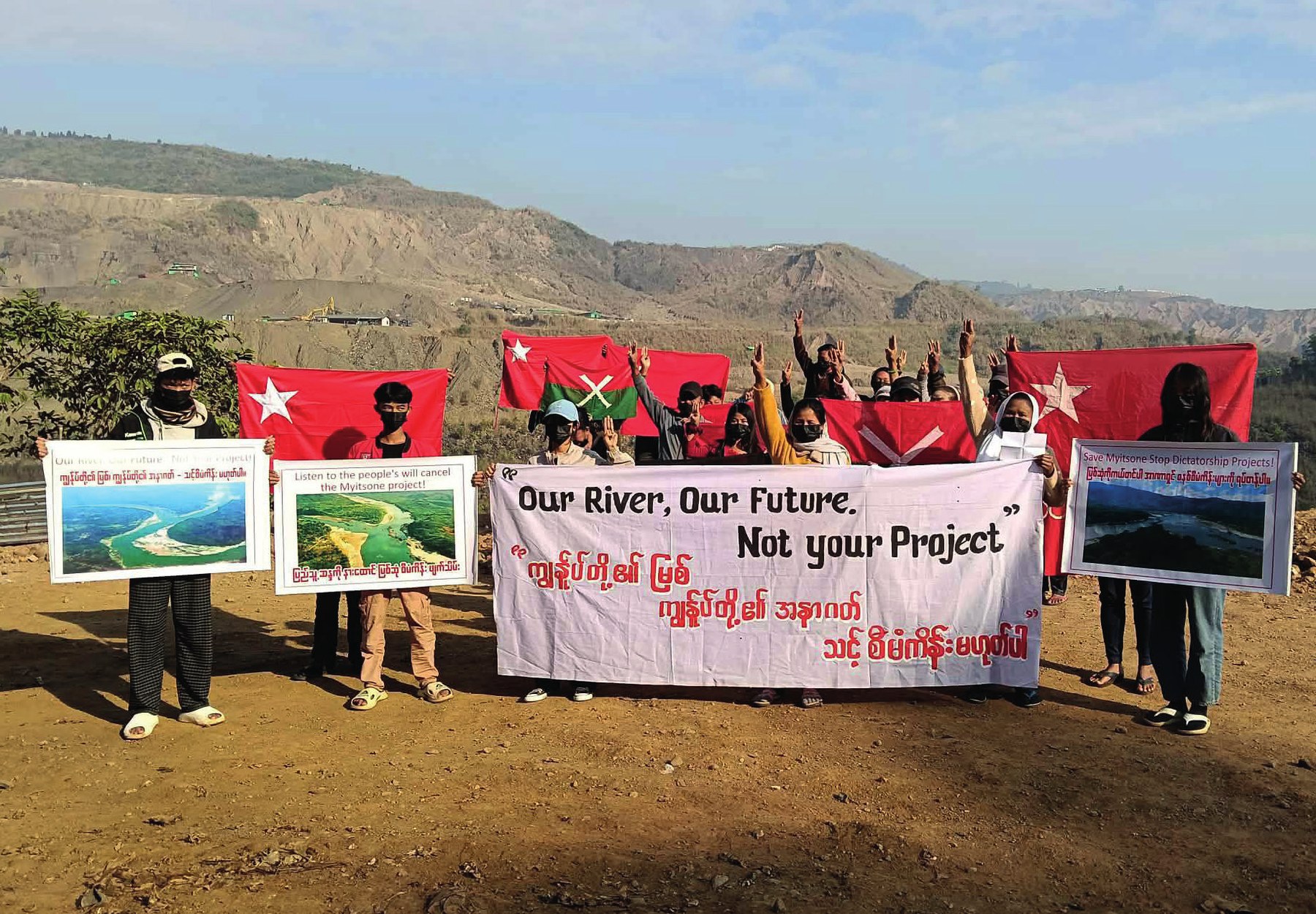
The suspension of the Myitsone Hydropower Project underscores the intricate dynamics of Myanmar’s democratic transition, particularly the interplay between external influences and domestic development, mirroring the “impossible trinity” concept. Initiated in 2006, the Sino-Myanmar project, a $3 billion undertaking led by China Power Investment Corporation, was suspended in 2011 by President Thein Sein amid democratic reforms, central-local tensions, and great-power dynamics. As the world’s 15th largest hydropower station, construction officially commenced in December 2009. This project was jointly invested in and constructed by a consortium comprising Myanmar’s Ministry of Electric Power, China Power Investment Corporation, and Myanmar’s Asia World Company. With a total installed capacity of 6 million kilowatts, it can provide Myanmar with an average of 30.8 billion kilowatt-hours of electricity annually. After meeting domestic demand, surplus power will be exported to neighbouring countries.
The project’s halt coincided with Myanmar’s political liberalization. After 2011, decentralization expanded political space, amplifying NGOs’ and civil society’s criticisms of Chinese investment projects and thereby politicizing the issue. The project became a symbol of public sentiment and national sovereignty. On September 30, 2011, then-President Thein Sein of Myanmar announced the suspension of the Myitsone Dam project, citing that “the government has a responsibility to act in accordance with the will of the people.” The international community widely interpreted this move as a symbolic milestone in Myanmar’s political reform and democratization process.
The Myitsone Hydropower Project is a largescale dam and hydroelectric development planned for the confluence of the Nyamai and Mali rivers in Kachin State, northern Myanmar, where the two rivers merge to form the Irrawaddy River. Local political fragmentation and identity politics exacerbated conflicts. The project sites were primarily located in ethnic regions (such as Kachin State, Rakhine State, Shan State, and Chin State), which held unique religious and cultural significance and had a long history of political opposition to the central government. The central government was unable to forcibly integrate resources and consensus, leading to intense reactions from ethnic armed groups, local communities, and religious organizations. This localized interest structure led to widespread resistance and suspicion towards the central government and Chinese cooperation projects, severely hindering development cooperation at the local governance level. The Kachin people generally believed that the project did not adequately consult local opinions and imposed environmental and social risks on the region. Ethnic political fragmentation strengthened the “identity politics” dimension of local social mobilization. Myitsone became a symbol for the Kachin people to defend local rights and oppose central oppression. This regional political fragmentation and identity mobilization directly constituted a structural obstacle to development cooperation (Kiik, 2016Kiik, L. (2016). Nationalism and anti-ethno-politics: Why “Chinese development” failed at Myanmar’s Myitsone Dam. Eurasian Geography and Economics, 57(3), 374–402.).
As Myanmar reduced its dependence on China, Western countries increased their support. The project was framed as “unequal cooperation imposed by China,” transforming development cooperation into ideological confrontation, thereby eroding trust.
Limited Politicization and the Advancement of the BRI in Southeast Asia
Not all instances of development cooperation politicization manifest as institutional tensions akin to an “impossible trinity.” In certain democracies characterized by robust institutional resilience, such as Malaysia and Indonesia, external cooperative projects, while enmeshed in domestic politics, primarily exhibit instrumental politicization. This entails strategically integrating external cooperation into public policy, partisan competition, and state-building endeavors, thereby bolstering governing legitimacy, resource allocation, and policy agenda management. Despite political divergences within these nations’ democratic frameworks, the presence of “parliamentarization” and “technocratization” mechanisms provides a buffer, enabling the adjustment and re-narration of development projects to ensure their continued progress.
In fact, these two concepts are key mechanisms for explaining why certain democracies (e.g., Malaysia, Indonesia) have been able to contain the politicization of foreign cooperation projects at the level of “instrumental politicization”, without sliding into destructive ideological confrontation. They are key mechanisms for explaining why some democracies (e.g., Malaysia, Indonesia) have been able to contain the politicization of foreign cooperation projects at the level of “instrumental politicization” without sliding into destructive ideological confrontation. They are essentially ‘buffers’ and ‘coolers’ of democratic institutional resilience in the face of external cooperation programs. Parliamentarization refers to the process of transferring controversial issues (e.g., large-scale infrastructure projects such as Chinese-funded railways and ports) that might otherwise trigger street protests, social movements, or intense populist mobilization through institutionalized channels to formal legislative bodies such as parliament (Congress), committee hearings, the questioning process, and the budgetary deliberations, to be discussed and dealt with. Issues move from ‘street politics’ to ‘parliamentary politics’. Technocratization refers to the process by which decision-making, evaluation, implementation, and monitoring of development cooperation projects are entrusted to a relatively neutral and professional technocratic system (e.g., Ministry of Finance Planning Department, Ministry of Transportation and Communications Technical Department, National Development Planning Agency, independent consultancies, etc.) rather than being directly led by politicians or political parties. Projects are ‘depoliticized’ and transformed into issues of technology, feasibility, and financial return.
In more resilient Southeast Asian democracies (e.g., Malaysia and Indonesia), parliamentarization has kept the most contentious political disputes in the halls of parliament. At the same time, Technocratization has cooled them down with professional data and international standards, thus successfully transforming the diplomatic-geopolitical risks of the Belt and Road Initiative into manageable domestic policy adjustment costs. The two together have successfully transformed the diplomatic-geopolitical dangers of the BRI into manageable domestic policy adjustment costs, thereby enabling the sustainable promotion of the project under the condition of ‘limited politicization’.
Instrumental Politicization of the East Coast Rail Link (ECRL) Project in the Context of Malaysian Elections
Since the 21st-Century Maritime Silk Road Initiative was introduced in Malaysia in 2013, China has consistently remained the country’s largest foreign investor in the infrastructure and construction sectors, while also deepening cooperation across manufacturing, services, technological applications, and people-to-people exchanges. China has long been Malaysia’s largest trading partner, and this highly structured economic interdependence has provided a stable material foundation for sustained China–Malaysia development cooperation.
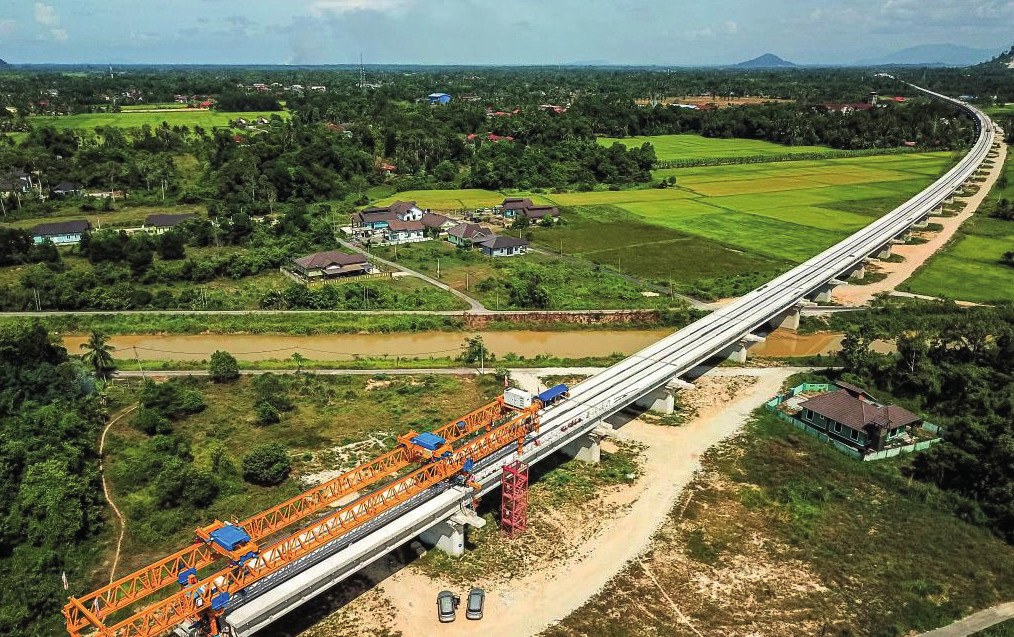
The East Coast Rail Link (ECRL), a flagship BRI project undertaken by Malaysia in collaboration with China since 2016, aims to connect Malaysia’s east coast to western ports, thereby enhancing inland transportation capabilities and promoting balanced regional development. The original contract was signed in November 2016 under the Prime Minister Najib Razak and the federal government led by the Barisan Nasional coalition. Throughout its construction, the project encountered domestic political resistance, leading to its instrumental politicization and subsequently affecting the original plans and timelines. However, the new government did not negate the project itself but rather renegotiated to reduce costs and adjust the route. This approach allowed the government to demonstrate its achievements and stance while leveraging and adapting international development cooperation, rather than de-cooperating.
Initially, with the 2018 Malaysian general election as the central backdrop, the ECRL project was instrumentally used by domestic political actors and systematically integrated into the opposition’s campaign agenda. The opposition coalition, Pakatan Harapan (Alliance of Hope), portrayed the ECRL project as a symbol of the ruling party Barisan Nasional’s (National Front) “pro-China betrayal” and “debt-trap diplomacy” (Wang, 2023Wang, Z. (2023). Infrastructure and politics: Why the Belt and Road Initiative proceeded differently in Malaysia and Indonesia. Asia Pacific Viewpoint, 64(2), 144–157.) After the 2018 general election, the new government led by Mahathir Mohamad (under the Pakatan Harapan coalition) suspended the project, citing cost, transparency, and national-interest concerns. At the same time, the ECRL has become a locus of critique against the previous government’s handling of China-backed projects, cost overruns, and transparency issues. These criticisms have had an effect at the political level: opposition parties or the new ruling party have used the project to stir public discontent over ‘selling out sovereignty’, ‘taxpayers’ burdens’, and ‘overdependence on China’, thereby constructing an electoral discourse. discontent and thus build a campaign discourse. For example, Najib’s response in 2017 to allegations of ‘selling out the country’s sovereignty’ suggests that the project has become a battleground for political contestation. Former Prime Minister Najib Razak was accused of leveraging Chinese-funded projects for personal gain and exacerbating the nation’s financial burden. These accusations successfully stoked widespread public anxiety about government corruption and national sovereignty, thereby aiding the opposition, led by Mahathir, in securing an electoral victory.
Furthermore, Malaysia’s mature and stable institutional environment prevented the exploitation of political opportunity structures and the exacerbation of central-local and ethnic divisions. This was characterized by a high degree of “parliamentarization” rather than “street-level” activism. Additionally, the Malaysian bureaucratic system demonstrated a capacity for depoliticization in the later stages, enabling the adjustment of cooperation terms through professional negotiations, thus maintaining project advancement. Although the cost and necessity of Indonesia’s Yavan High Speed Railway has been questioned many times, technocrats from Indonesia’s Ministry of National Development and Planning (Bappenas) and the State Enterprises Commission (Komnas Perempuan) have continued to provide positive Economic Internal Rate of Return (EIRR) evaluations that have kept the project alive and moving forward under both of Joko’s administrations. The re-launch of the Malaysian East Coast Railway was led by a team of professionals under the Ministry of Finance who renegotiated the contract details with the Chinese side, which ultimately resulted in significant cost reductions and increased local content, and successfully defused the initial ‘sell-out’ and ‘debt trap’ accusations.
Finally, the opposition’s political statecraft and Mahathir’s strategic maneuvers not only achieved the goal of mass mobilization but also ensured the project’s continuation. In 2018, Pakatan Harapan framed the ECRL as a symbol of a “national financial crisis” and a “debt trap,” imbuing it with ideological connotations because of its Chinese funding. The objective was not to negate cooperation itself but to undermine the political legitimacy of the United Malays National Organization (UM- NO)-led government. Upon assuming office, Mahathir, through renegotiation, reframed the project, transforming it from “foreign dominated” to a symbol of “national autonomous development,” thereby utilizing it as a platform to showcase his governing capabilities (Kuik, 2021Kuik, C. (2021). Asymmetry and authority: Theorizing Southeast Asian responses to China’s Belt and Road Initiative. Asian Perspective, 45(2), 255–276.).
After Anwar Ibrahim assumed office as prime minister in 2022, the new government continued to advance cooperation under the Belt and Road Initiative and explicitly expressed strong support for China’s four Global Initiatives, signaling policy continuity rather than retrenchment. In response to the Indo-Pacific strategic narratives promoted by both the Biden and Trump administrations, as well as the security mobilization efforts pursued by the Marcos government in the Philippines, Malaysia adopted a strategy of passive non-alignment and deliberate non-response. This approach effectively insulated Malaysia from the diffusion of “Philippines-style” securitization discourse at the regional level and prevented its spillover into Malaysia’s own development cooperation framework (Jamil, 2021Jamil, N. S. (2021). Malaysia’s dilemmatic South China Sea policy under Muhyiddin Yassin. East Asian Policy, 13(3), 5–18.).
The Delay and Subsequent Operationalization of the Jakarta-Bandung High-Speed Railway (HSR) Project
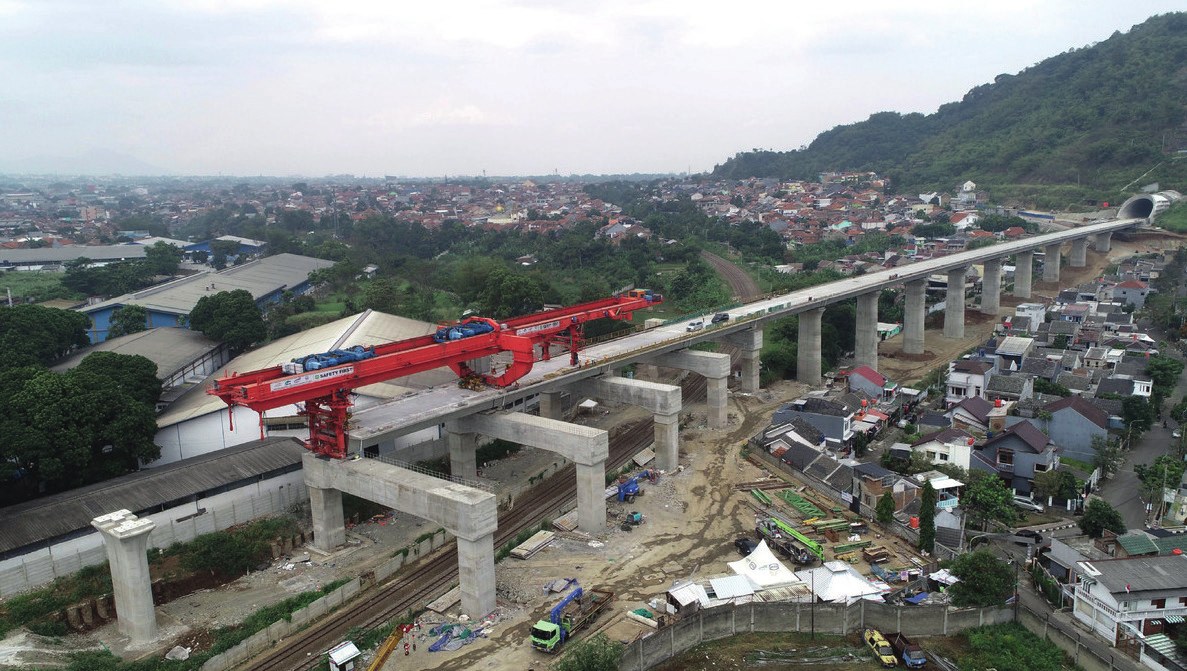
The Jakarta-Bandung High-Speed Railway (HSR) project exemplifies China’s BRI within ASEAN. This infrastructure project, linking West Java’s urban centers, aimed to enhance infrastructure and stimulate regional economic development. Initially conceived in 2015, the HSR was inaugurated in October 2023. Despite societal contestation, the project exhibited “instrumental politicization”. The Jakarta-Bandung High- Speed Railway (JSR) is the most typical project in Indonesia’s Belt and Road cooperation that has achieved ‘limited politicization/instrumental politicization’. Although the project faced numerous controversies over the environment, land acquisition, debt, and cost overruns between its inception in 2015 and its opening in 2023, it did not slide into the stagnation or cancellation of the Subic-Clark Railway in the Philippines, thanks to the dual ‘cooling mechanisms’ of parliamentarization and Technocratization that make Indonesia’s system more resilient.
Indonesia’s institutional architecture, characterized by a strong presidential system, provided a stable political foundation. The Jakarta-Bandung HSR, spearheaded by the Joko Widodo administration, was integrated into national strategic frameworks, symbolizing national modernization. This reflects instrumental politicization: to bolster performance narratives, attract foreign investment, and cultivate international credibility. The HSR’s “politicization” was pronounced during President Widodo’s re-election campaign, with emphasis on “the nation’s first HSR,” “Chinese technology transfer,” and “the advancement of the Java economic corridor.” During the re-election period, the Instrumental Politicization of the HSR became even more explicit. Widodo not only presented the railway as a symbol of domestic modernization but also framed it as evidence of Indonesia’s capacity to appropriate and steer international development cooperation on its own terms. Widodo repeatedly underscored the importance of host-country agency in BRI cooperation, calling on partner countries to strengthen their sense of “ownership” over projects. At the opening ceremony of the Third Belt and Road Forum for International Cooperation, he emphasized that the subjectivity of cooperation partners is a key prerequisite for the long-term sustainability of BRI projects. He argued that cooperation must adhere to principles of mutual benefit and win–win outcomes, achieved through careful planning, transparent financing, localization of labor, and the use of domestic raw materials.
In fact, during the decision-making and bidding phase of the project in 2015-2016, the bidding between China and Japan raised questions about ‘choosing sides’ in Indonesia (Mao, 2025Mao, C. (2025). Donor competition, local agency, and contingency: Jakarta-Bandung high-speed railway in Indonesia. In The material geographies of the Belt and Road Initiative (Chap. 7). Bristol University Press.). At the same time, as the project was not initially included in the national railway master plan, it was also accused of being a ‘political project’. Against this backdrop, Dewan Perwakilan Rakyat (DPR) held several hearings and questioned the Minister of State Enterprises, Rini, and the Minister of Transport, with the controversy confined to the halls of parliament. The opposition has expressed strong dissatisfaction and criticism, but only through procedural questioning, not street mobilization. Crucially, the Indonesian government consistently framed the Jakarta–Bandung HSR and related BRI cooperation within a developmentalist discourse emphasizing “national development priorities” and “technocratic rational governance.” This narrative strategy effectively insulated the project from securitization and prevented the translation of economic or operational disputes into national security concerns.
The Jakarta-Bandung HSR was designated a National Strategic Project in 2016, entitling it to “one-stop licensing services” under Presidential Regulation No. 3 (Sen, 2016Sen, C. (2016). The Jakarta–Bandung high-speed rail project: A showcase for China’s infrastructure diplomacy? (ISEAS Perspective No. 16). ISEAS– Yusof Ishak Institute.). These institutional arrangements demonstrate the Indonesian government’s capacity to coordinate local and central interests, ensuring the smooth advancement of the Jakarta-Bandung HSR project. While the military-political dynamics and central-regional interest divergence provided opportunities for opposition (Paksi, 2022Paksi, A. K. (2022). The changing dynamic of China–Indonesia relations: The case of Belt and Road Initiative (BRI) (Report No. 19). Institute of Belt and Road & Global Governance, Fudan University.), the closed political opportunity structure constrained effective mobilization. In 2017, the West Bandung Regency parliament rejected spatial planning adjustments, citing environmental and compensation concerns, leading to construction suspension. The Widodo administration employed legal and administrative measures, including Presidential Regulation No. 3/2016, addressing land use and acquisition. At the same time, the Indonesian Bangar DPR has also coordinated with local councils to ‘parliamentarize’ land acquisition disputes by making concessions to local governments through multiple hearings and ultimately adopting a resolution on the condition of additional local employment and ecological compensation. In the subsequent phase of cost overruns and epidemic delays, the DPR required the Minister for State Enterprises to publicly renegotiate the details with the Chinese side, amid controversy over public parliamentary hearings. While the Opposition has repeatedly attacked the project, arguing that a spike in its cost from $5.5bn to $7.4bn would create a debt trap and benefit China, it has been virtually impossible to prevent the budget from being increased. Subsequently, DPR has held several hearings and submitted third-party security assessment reports to China to limit security disputes to the level of professional questioning.
It is under the double cooling of parliamentarization and Technocratization that the Yavan Express Railway has successfully transformed the originally highly sensitive Chinese-funded project into the Joko government’s ‘national modernisation business card’ and realized one of the most successful cases of the ‘Belt and Road’ in Southeast Asia. As a result, the project was completed and put into operation smoothly, and it is currently running 62 train services per day, with peak daily ridership reaching 25,000 passengers. The railway has thus emerged as a flagship example of high-quality BRI cooperation in Southeast Asia, illustrating how developmental framing and institutionalized political management can neutralize potential securitization risks while sustaining large-scale infrastructure cooperation.
Conclusion
This study demonstrates that the politicization of international development cooperation in Southeast Asia is structurally embedded in the interaction between domestic political processes and international development cooperation led by major powers (e.g., the Belt and Road Initiative ).
Empirical evidence from the Subic-Clark Railway project in the Philippines and the Myitsone Hydropower Project in Myanmar supports the arguments, illustrating the “impossible trinity” of development cooperation. Conversely, the analysis of the East Coast Rail Link project in Malaysia and the Jakarta-Bandung High-Speed Railway project in Indonesia reveals instances of limited politicization. The findings strongly support the hypothesis that openness of the public policy process, coupled with political divisions and great power competition, render international development cooperation susceptible to ideological politicization.
These findings suggest that the effectiveness and sustainability of international development cooperation in the Global South depend not only on financial scale, governance standards, or diplomatic craft, but critically on whether domestic political systems possess institutional buffers capable of containing politicization pressures.