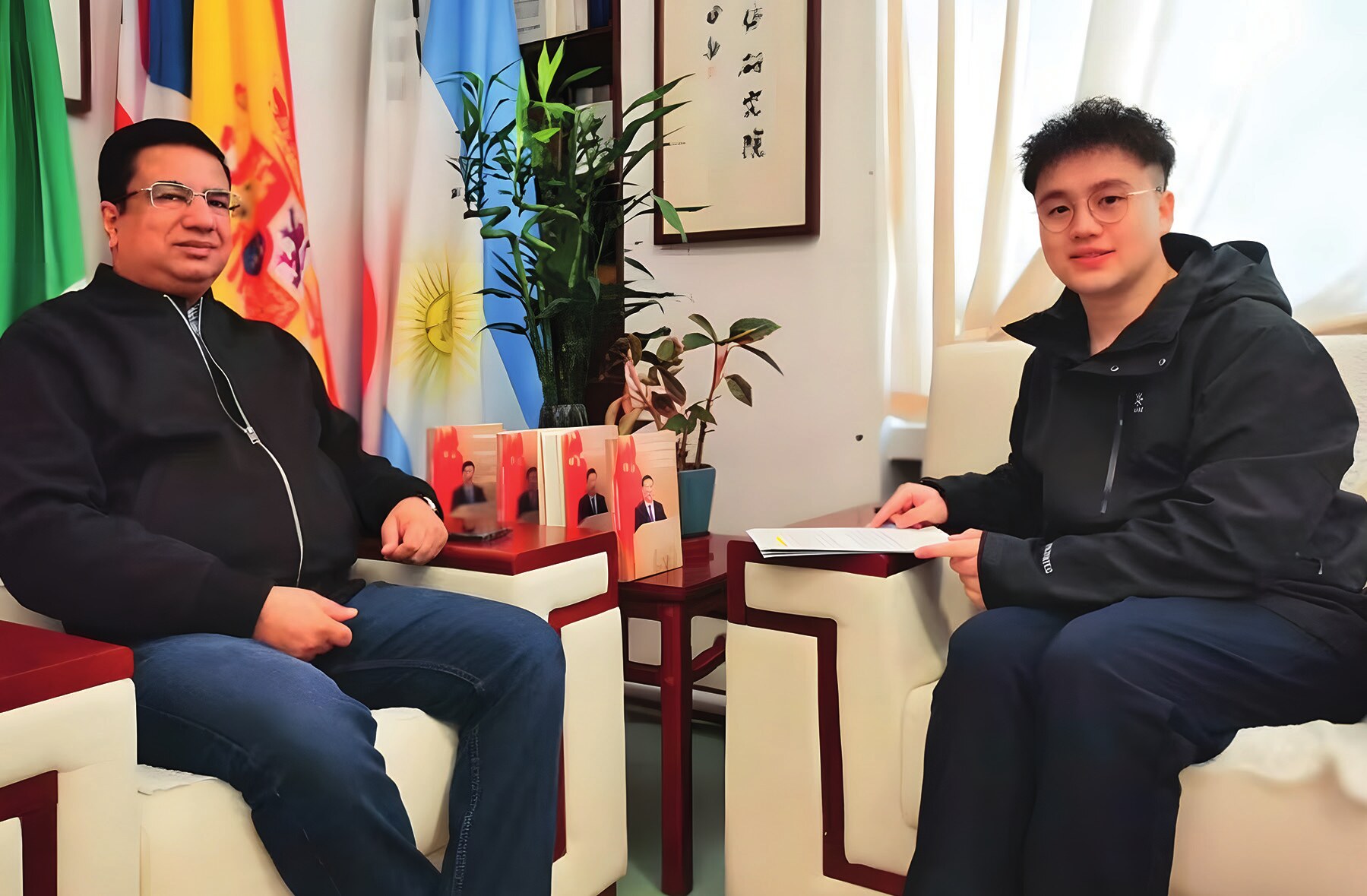
We really appreciate you taking the time to share your insights with us on the occasion of the 10th Anniversary of the Belt and Road Initiative (BRI). Mr. Khalid, as far as I know, you have visited China more than 20 times for work reasons. In 2006, you visited China for the first time with a delegation, visiting Beijing, Hangzhou and Shanghai, and have been to dozens of Chinese cities since then. In the past decade, each visit to China may have offered a unique experience. Could you share some of those experiences with us?
Khalid Taimur Akram: Yes, thank you very much. Firstly, it’s always a pleasure to visit the Communication University of China, which has become my second home here. I’ve been traveling to China since 2006 and have explored various parts, from Kashgar to Urumqi to Hangzhou. My travels have also taken me to Hong Kong, Shanghai, Beijing, Changsha, and Nanjing.
Over the past 18 years, I have witnessed China’s rapid development and remarkable progress.
The livelihoods of its people have dramatically improved due to substantial investments in human capital by the Communist Party, particularly in the last 10 to 15 years.
China can now be compared to any leading country in the world. Having visited many European countries, I’ve seen impressive infrastructure there—from large buildings to motorways. However, China now boasts similar developments. What makes China’s progress unique is the speed and uniformity of its development across both large and small cities. In fact, many of its smaller cities rival, if not surpass, those in Europe. This widespread development is a testament to the leadership of President Xi Jinping and the collective effort of the entire community, from ordinary citizens to leaders.
China, Pioneer of the Green Industrial Revolution — At the 20th CPC National Congress held in October 2022, President Xi Jinping stressed that the central task of the CPC is to unite and lead the Chinese people of all ethnic groups in building a great modern socialist country in all respects, realizing the second centenary goal, and comprehensively promoting the great rejuvenation of the Chinese nation through Chinese-style modernization. What do you think of the path of modernization pursued by the Chinese people under the leadership of the Communist Party of China since the founding of New China, especially since the reform and opening up?
Khalid Taimur Akram: Firstly, China’s progress is noteworthy. It serves not only as a model for China itself but for the entire world. The efforts made by China to enhance the livelihoods of its people and reach out to them could be seen as lessons for other nations. I believe the global community could learn from the Communist Party of China, which I find to be quite democratic since it allows anyone, even the common man, to become a leader.
Secondly, the people-centered approach of the Chinese government is particularly impressive. Every policy now formulated for the Chinese populace is highly regarded. There are distinct policies in place for the elderly, the youth, and military personnel. For instance, during a recent visit to a metro station, I noticed that priority is given to fire rescue and military personnel, as well as the elderly. Such people-centered policies set an exemplary standard.
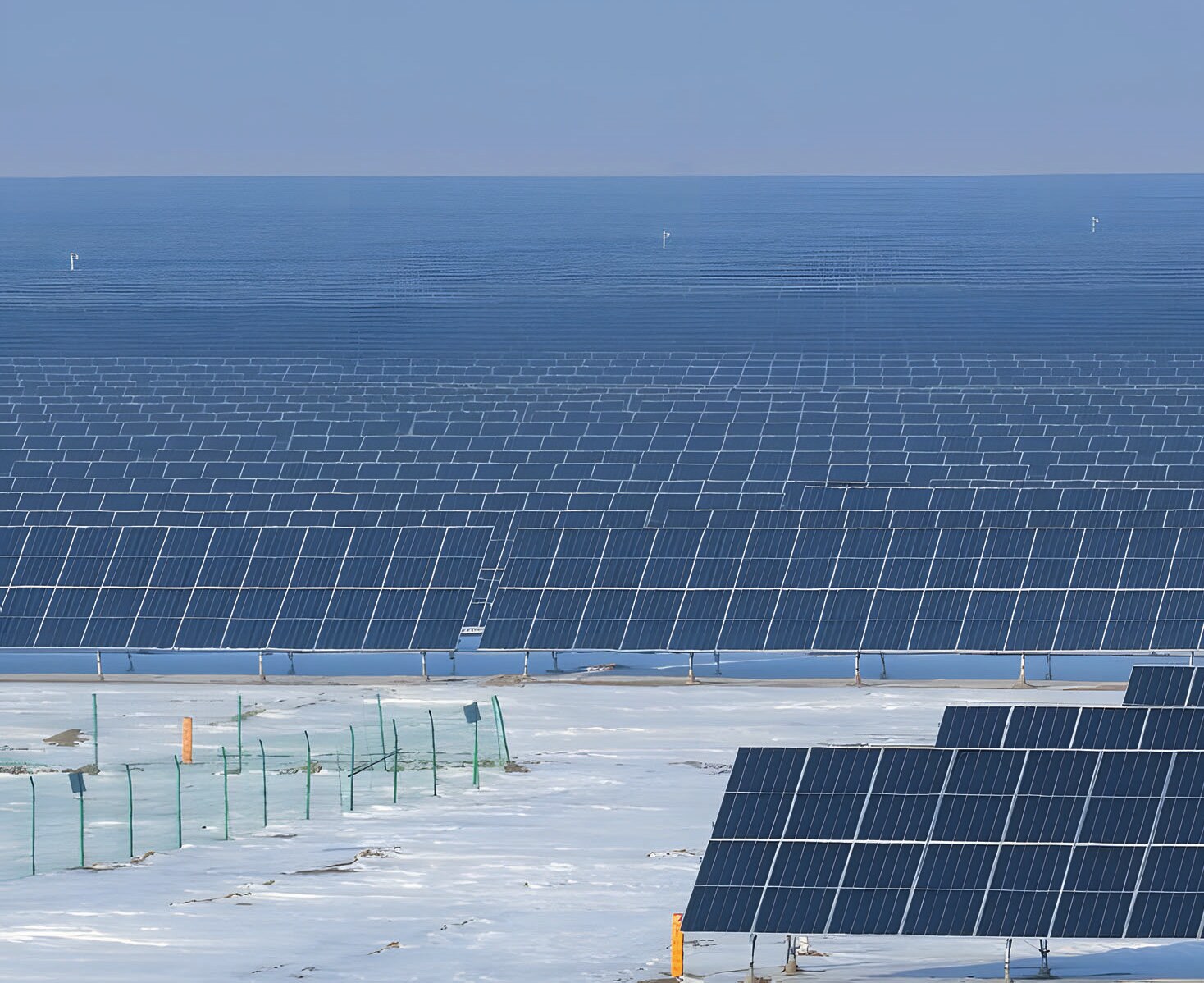
Thirdly, China’s commitment to industrial development and the manifesto of a green industrial revolution highlights its concern for climate change. The country is transitioning towards a clean, green energy system. Nowadays, electric motorbikes and cars are commonplace on the streets, significantly reducing pollution. Where once Beijing was known for its smog, now the skies are clear. By 2030, China aims to substantially reduce its carbon emissions, advancing towards a cleaner, greener environment.
Lastly, it is important for the world to understand that China does not aspire to colonize or confront other nations. Instead, China seeks a peaceful world where every country can progress through initiatives like the BRI, sharing in mutual development. This approach creates a win-win situation for all involved.
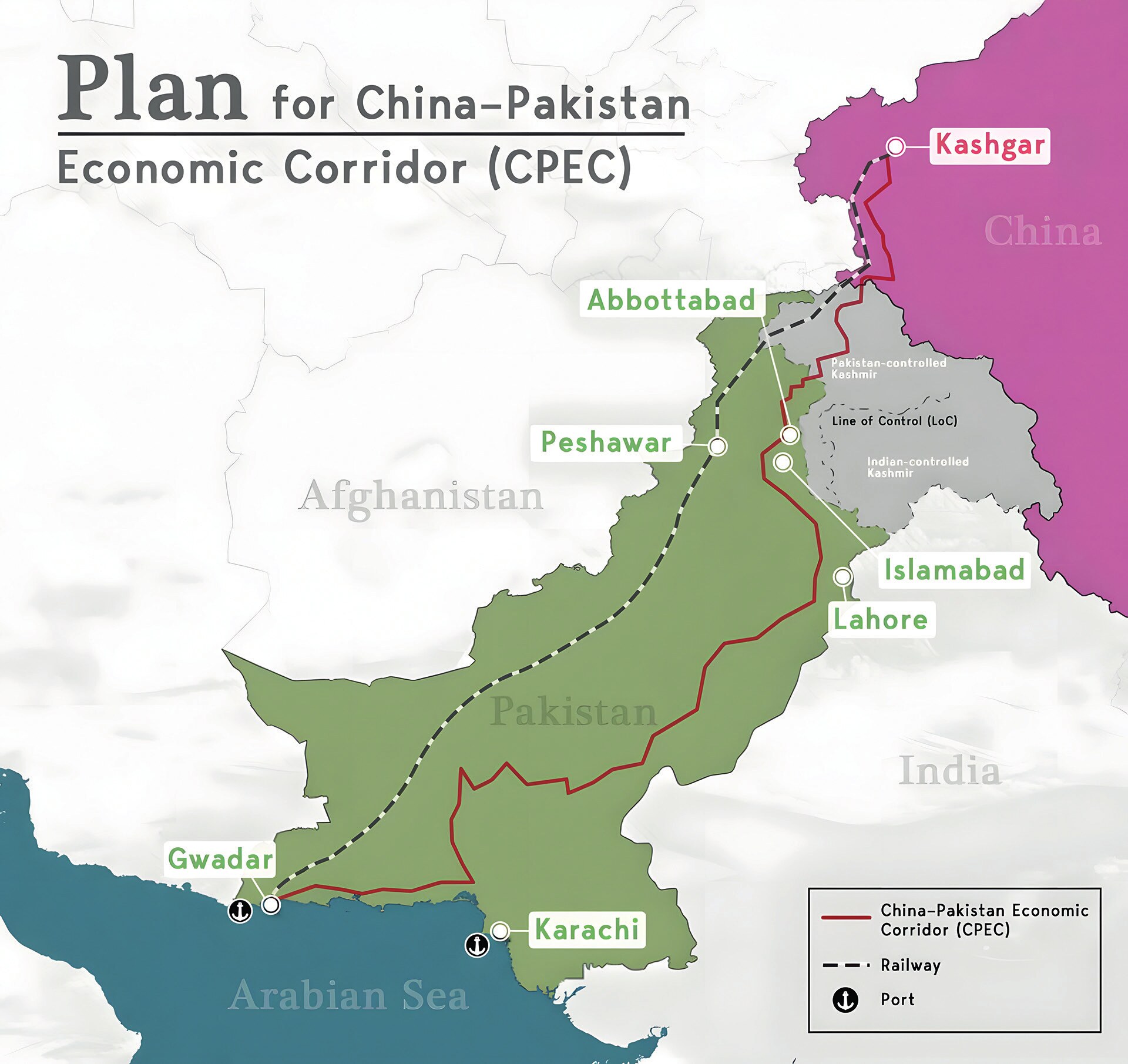
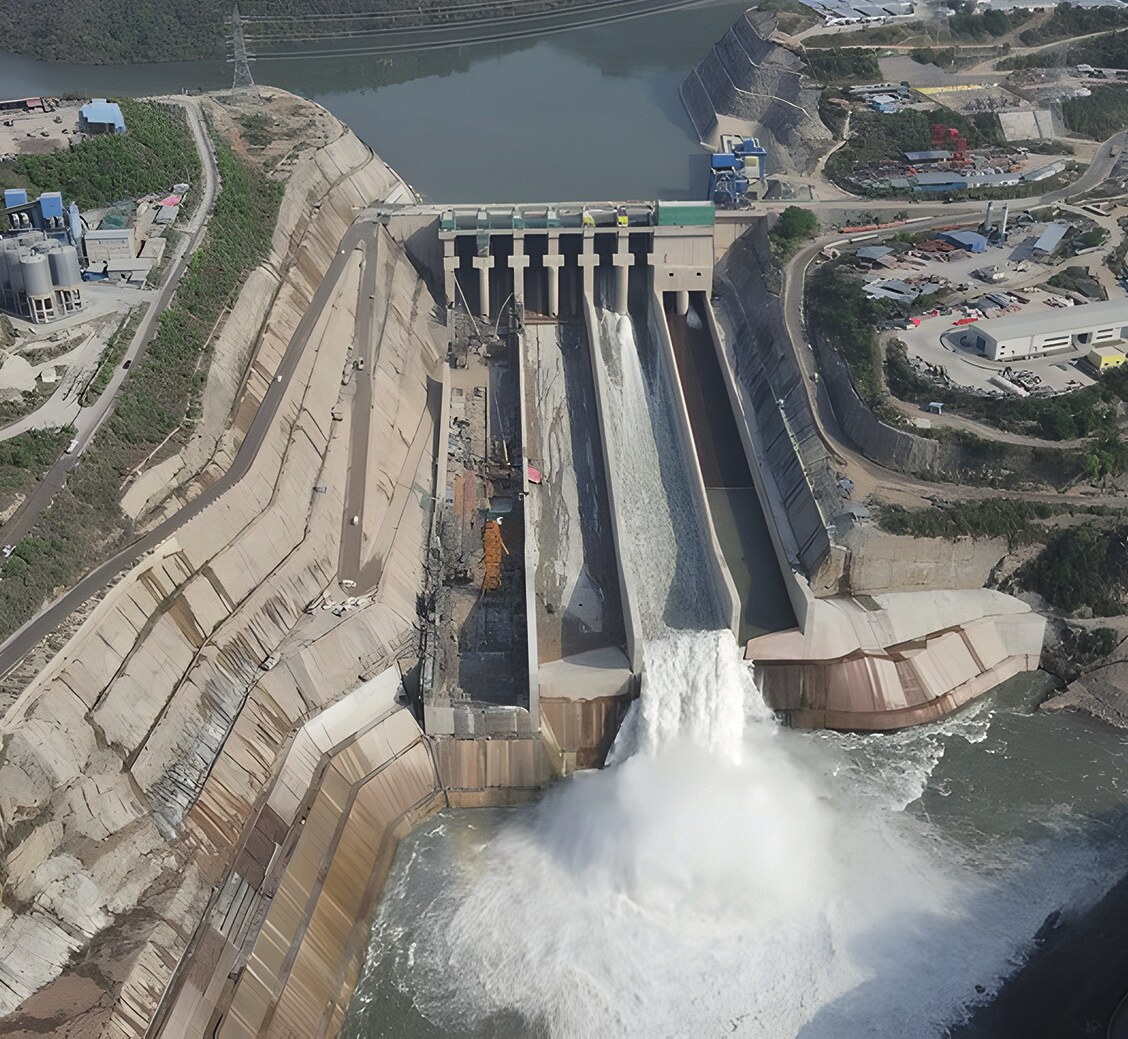
CPEC’s Game-Changing Role for Central Asia The year 2023 marks the 10th anniversary of China’s proposal to jointly build the BRI, and it is also the 10th anniversary of the flagship project of the initiative—the China-Pakistan Economic Corridor (CPEC). On July 31st 2023, President Xi Jinping, in his congratulatory message for the tenth anniversary celebration of CPEC, pointed out that CPEC has become a vivid illustration of the all-weather friendship between China and Pakistan, providing important support for building a closer China-Pakistan community with a shared future in the new era. In October of 2023, Chinese Premier Li Qiang met with Pakistani Prime Minister Anwar-ul-Haq Kakar , who attended the Third Belt and Road Forum for International Cooperation. Premier Li warmly congratulated China on the successful hosting of the forum and acknowledged the achievements in the joint construction of the BRI over the past decade. He mentioned that this initiative has brought significant benefits to countries around the world and the global economy. Mr. Khalid, in your opinion, what tangible changes has the China-Pakistan Economic Corridor brought to the development of infrastructure, energy production, and socio-economic aspects in various regions of Pakistan? How do you evaluate the positive outcomes achieved in the ten years of the CPEC construction?
Khalid Taimur Akram: First and foremost, I’d like to clarify that the friendship between Pakistan and China extends well beyond the China-Pakistan Economic Corridor (CPEC). Although CPEC has been in existence for just a decade, the friendship between China and Pakistan dates back to 1949 when the People’s Republic of China was founded and Pakistan announced its recognition of the New China. In 1951, Pakistan officially established diplomatic relations with China, becoming one of the earliest Asian countries to establish diplomatic ties with China. Now, this friendship spans over 75 years. Prime Minister Kakar recently attended the Third Belt and Road Forum, highlighting the enduring bond between our nations. It’s important to note that this relationship is deeply valued by both President Xi Jinping and Pakistan’s Prime Minister, not merely because of CPEC, but due to the longstanding ties that have evolved over the last 75 years. Pakistan played a pivotal role in supporting China’s membership in the United Nations and was instrumental in facilitating the initial dialogue between China and the United States. Throughout various crises in Pakistan, including the devastating 2005 earthquake and numerous floods, China has consistently been the first to offer assistance, reflecting a friendship founded on trust and solid relations.
Turning to the topic of CPEC, this initiative is incredibly significant as it not only benefits China but also opens the Indian Ocean and Arabian Sea to Central Asian countries for their exports and business activities. CPEC is known as a flagship project because it is unique in its geographic scope; unlike other corridors that span ten or even twenty countries, CPEC exclusively traverses Pakistan. This makes the corridor a potential game-changer, not just for Pakistan but for Central Asia and other regional countries as well.
Distinctive Features of BRI in Multilateral Cooperation Mr. Khalid, I have read some of your recent articles such as “Connecting civilizations via the community of shared future”, “China journeys to sustainable” and “Beijing is fostering shared development through initiatives”, in which you speak highly of China’s BRI and the initiative to build a “community of shared future for mankind.” Many people believe that the BRI is a Chinese plan oriented towards the future and a microcosm of Chinese thinking and Chinese ideas. What do you think is unique about the BRI compared with previous multilateral mechanisms? What lessons do you think these initiatives have for Pakistan or other developing countries?
Khalid Taimur Akram: Discussing multilateral initiatives, we often see participation ranging from four to twenty countries. In contrast, the BRI has expanded to more than 150 countries. This initiative uniquely binds these nations together, facilitated largely by China’s efforts. What makes the BRI particularly unique is the post-World War II transformation of the global order—both geographically and politically—which set the stage for such large-scale cooperative projects.
After World War II, the creation of the United Nations marked a significant development, but over time, it has come under the disproportionate influence of a few Western countries. Many global issues remain unresolved by the United Nations, leading to perceptions of it as a failed initiative. Similarly, the European Union, initially a unifying project for Europe, now faces internal challenges and discord, particularly with the Brexit and ongoing tensions between Eastern and Western European nations. These issues diminish the EU’s effectiveness as a unifying project.
However, looking at the BRI over the past decade, it’s remarkable that it has encountered no major political, economic, or territorial disputes. This initiative has proven to be a successful collaboration not only for China but for all participating nations, making it a standout project in the 75 years following World War II, during which the global political and social order was fundamentally reshaped.
In these last 75 years, the BRI stands out as the most effective initiative. China has invested over $1 trillion, but notably, it has not compelled any country to join; rather, more than 150 countries today voluntarily collaborate with China through this initiative. They participate because they choose to, attracted by the mutual benefits rather than coerced participation. The extensive development across these countries— whether in Africa, the Middle East, Asia, or Central Asia—over the last decade due to this initiative is unparalleled.
Regarding the pandemic, which typically occurs once a century with the last major one in 1918, we’ve seen China’s significant role in the global response. China quickly developed and distributed the Sinopharm vaccine free of cost. In Pakistan, I received my first vaccine dose in October 2020, a testament to China’s rapid research and generosity. Thus, it’s not just the BRI, but also the proactive and supportive approach of the Chinese government toward global welfare that fosters a win-win scenario for all involved.
Roots of the Concept of Building a Shared Future in the Gandhara Civilisation Civilizations are enriched by exchanges and mutual learning. On September 8th 2023, under the guidance of the People’s Government of Gansu Province and the Ministry of National Heritage and Culture of Pakistan, the “Fragrant and Clear - Gandhara Art Exhibition in Pakistan” was launched in the Gansu Provincial Museum. Both China and Pakistan are ancient civilizations along the Silk Road, with a long history of cultural and artistic exchanges between the two countries. This exhibition starts with Gandhara art and touches the surface to describe a diverse and in intuitive Pakistan that is linked with Chinese cultural factors, aiming at remembering the past and reflecting on the present, so that exchanges and mutual learning between civilizations can become a bridge to enhance the friendship between the two peoples, a driving force to promote the progress of human society and a bond to maintain world peace. What is your vision for the future development of China-Pakistan cultural exchanges. mutual learning and friendly relations?
Khalid Taimur Akram: This is a very interesting question, as I am currently conducting research on the Gandhara Civilization. I believe that the Gandhara Civilization was the world’s first to be founded on the concept of a community with a shared future. In Pakistan, particularly in my work, I am collecting all available evidence and historical data on the Gandhara Civilization and comparing it to the modern-day concept of a community with a shared future, as proposed by President Xi Jinping.
In the Western media, there’s a narrative that through the community of shared future concept, the Chinese are attempting to establish a new world order. However, this is not the case. The concept of a community with a shared future has existed for thousands of years, not only in the Gandhara and Chinese civilizations but in many others as well.
What the Chinese are doing now is reviving these ancient traditions and friendships in a modern context. The world has grown closer due to technological advances such as aircraft, ships, 5G, mobile phones, and virtual connectivity. It now takes just five hours to fly from Islamabad to Beijing, and vice versa, making the world a global village. This concept of a community with a shared future has historical roots in both the Gandhara and Chinese civilizations. Exhibitions on this topic will teach the younger generation two things: first, these concepts are not new but have ancient origins, now being implemented in the modern world; and second, China is not attempting to colonize anyone or introduce any new concepts, but rather, it is bringing old traditions into the modern age with a contemporary vision.