Introduction
The collapse of the Soviet Union created a power vacuum in Central Asia, enabling the rise of radical movements that exploited weak governance and socio-economic instability. Among these, Islamist groups emerged as a significant security challenge, blending religious revivalism with ethnopolitical agendas. While some factions sought to unify the region’s diverse societies under Islamic frameworks, others devolved into extremism, threatening both regional stability and global security.
Analyzing counterterrorism efforts in Central Asia, particularly through the Collective Security Treaty Organization (CSTO), needs a framework that accounts for the region’s unique security dynamics. The Regional Security Complex Theory (RSCT) of Barry Buzan and Ole Wæver provides a compelling lens, emphasizing how regional interactions, rather than global or domestic forces alone, shape security outcomes. According to the authors, Central Asia functions as a “weak subcomplex” within the post-Soviet space, where internal vulnerabilities (ethnic tensions, governance deficits) intersect with external threats (permanent instability in Afghanistan, transnational terrorism), limiting its capacity to ensure regional security independently. (Buzan & Waever, 2003Buzan, B., & Waever, O. (2003). Regions and powers: The structure of international security (Vol. 91). Cambridge University Press.) As the key actor, Russia structures regional security primarily through institutions like the CSTO, which coordinates collective responses to these challenges. This study examines the efficacy of the CSTO in countering terrorism within Central Asia, with particular focus on Russia’s institutional leadership. Grounded in RSC theory, the analysis investigates the organization’s capacity to adapt to evolving security challenges, including the proliferation of transnational jihadist networks, emerging digital radicalization trends, and security issues persisting in Afghanistan and new challenges from Syria. Through qualitative case analysis and processtracing methodologies, the research evaluates primary operational data and secondary sources to assess the CSTO’s institutional responses. The findings demonstrate that the CSTO maintains robust conventional response capabilities through its Russian-dominated security framework, and systemic vulnerabilities persist in addressing contemporary hybrid threats. These include deficiencies in cyber counterterrorism measures, inconsistent intelligence coordination among member states, and weak deradicalization strategies. The study further reveals how shifting regional security dynamics, influenced by both internal developments and external threats, challenge the organization’s traditional operational paradigms. Based on these findings, the research proposes policy recommendations. Keywords: Central Asian security, counterterrorism strategies, CSTO, Islamic radicalism, Russia’s foreign policy, transnational jihadist networks.
The CSTO’s counterterrorism approach aligns with RSCT’s emphasis on interconnected threats, addressing the convergence of terrorism, organized crime, and drug trafficking through multilateral cooperation. Russia’s dominant role manifests in CSTO operations such as joint exercises or the 2022 Kazakhstan intervention, reinforcing its position as a regional security guarantor. Contrary to early post-Soviet predictions of a “new great game” in Central Asia, such a scenario never fully materialized. Instead, Russia has consolidated its influence through multilateral institutions such as the Commonwealth of Independent States (CIS), the Eurasian Economic Union (EAEU), and the CSTO, alongside extensive bilateral agreements. Concurrently, regional powers prioritized stability over rivalry, exemplified by the Sino-Russian partnership institutionalized in the Shanghai Cooperation Organization (SCO), which promotes collective security governance as an alternative to unilateral hegemony.
Due today, Central Asia remains a Russian-led subcomplex rather than evolving into a “great power complex” or “super complex,” constrained by its limited external engagement. Interregional interactions among Central Asian states operate within a security paradigm predominantly structured by Russia’s institutionalized influence. While the United States (US) and China maintain security cooperation with Central Asian states, their engagement remains constrained by legal and operational limitations. Such activities contrast sharply with Russia’s institutionalized regional presence, exemplified by its permanent military bases and established intervention mechanisms, as demonstrated by the CSTO’s 2022 peacekeeping mission in Kazakhstan.
This study’s interpretation of security relations between Russia and Central Asian states is grounded in the conceptualization of amity-enmity patterns. Buzan & Waever (2003Buzan, B., & Waever, O. (2003). Regions and powers: The structure of international security (Vol. 91). Cambridge University Press.) argue that the regional security complex’s evolution is conditioned by amity-enmity patterns among actors, meaning that regional dynamics are shaped by perceptions and relationships, not simply by power distribution. In the Central Asian context, Russia’s enduring position as a security provider has created persistent patterns of amity that reinforce its institutional dominance, particularly through mechanisms like the CSTO and CIS, and in cooperation with other powers in the SCO.
This study employs qualitative case analysis and process tracing to examine CSTO counterterrorism operations through four analytical levels using RSCT. At the interstate level, the investigation focuses on domestic radicalization processes in member states and the perception of states as interconnected actors in shared security. The regional analysis assesses operational frameworks, including joint military exercises, intelligence-sharing mechanisms, and institutional basis, while identifying persistent gaps. At the interregional level, the analysis examines potential directions for enhanced security cooperation between the CSTO and other regional frameworks such as the SCO. Finally, the study evaluates normative alignment between CSTO operations and international counterterrorism regimes at the global level.
The research utilizes primary documents from CSTO archives and member states, supplemented by secondary sources. Thematic coding categorizes materials according to core RSCT variables, with particular attention to evolving threat perceptions and response patterns. Methodological triangulation strengthens validity by cross-verifying official statements with independent expert analyses from regional and international security specialists. This multi-source approach balances institutional narratives with operational realities.
The analytical framework situates CSTO operations within evolving geopolitical contexts, particularly examining two critical developments. The Taliban’s governance in Afghanistan presents both potential avenues for security dialogue and persistent challenges regarding the expanding operations of ISIS and al-Qaeda in the country. This contextual analysis extends to assessing how extra-regional factors, including post-conflict stabilization in Syria and the strategic evolution of transnational jihadist networks, inform the CSTO’s operational planning and threat assessment methodologies.
The analysis can encounter certain limitations. First, reliance on CSTO and Russian-published materials may introduce a pro-Kremlin bias, though this is mitigated by incorporating insights from other sources. Second, language barriers pose a challenge, as some primary documents are available in Arabic, Central Asian, and other languages; therefore, specific findings may not be sufficiently covered. Third, the rapid institutional evolution of the CSTO and intense dynamics of relevant events mean that some recent developments may not yet be fully reflected in academic and analytical circles.
Research Objectives: This study aims to achieve three key objectives. First, it examines the socio-economic, historical, political, and external factors that drive terrorism in the region. Second, it seeks to evaluate the effectiveness of CSTO counterterrorism initiatives in Central Asia. Third, it assesses the extent of Russia’s influence over Central Asia’s security agenda through the CSTO.
Contemporary Islamic Radicalism in Central Asia
The study of Islamic radicalism in Central Asia necessitates an examination of the links between historical Islamic traditions and modern ideological contestations. While scholars broadly acknowledge the region’s Islamization between the 7th and 8th centuries (Егоров, 2014Егоров, Е. (2014). Исламский радикализм в Центральной Азии: Хизб ут-Тахрир и исламское движение Узбекистана. Среднерусский вестник общественных наук(3 (33)), 188-193.; Казанцев, 2016Казанцев, А. А. (2016). Проблема роста исламского радикализма в странах Центральной Азии. Международная аналитика(3), 97-111.), there remains significant debate over how Soviet secularization and post-independence revivalism shaped contemporary radical movements. Traditional Central Asian Islam, rooted in Hanafi Sunni jurisprudence and Sufi practices, has historically exhibited adaptability to local customs (Khalid, 2007Khalid, A. (2007). Islam after communism: religion and politics in Central Asia. Univ. of California Press.; Safranchuk & Makhmudov, 2024Safranchuk, I., & Makhmudov, R. (2024). Contemporary Islamic Radicalism in Central Asia: Genesis and History of Development. Politics and Religion Journal, (2), 243-267.). However, this adaptability has been challenged by purist movements such as Salafism and Wahhabism, which reject both Sufi syncretism and secular governance (Meijer, 2009Meijer, R. (2009). Global Salafism. London: Hurst and Company.; Ro’i, 2000Ro’i, Y. (2000). Islam in the Soviet Union: From the Second World War to Gorbachev. Columbia University Press.). This tension between pluralist and exclusivist interpretations of Islam frames much of the current discourse on radicalization in the region.
Internal and External Drivers of Islamic Radicalism in Central Asia
A critical debate in the literature centers on whether contemporary radicalism is an organic outgrowth of Central Asia’s Islamic history or a rupture caused by Soviet repression and post-independence instability. Some scholars argue that Soviet policies merely suppressed, rather than eradicated, Islamic consciousness, leaving a spiritual vacuum later exploited by radicals (Haghayeghi, 1996Haghayeghi, M. (1996). Islam and Politics in Central Asia. St. Martin’s Press.; Егоров, 2014Егоров, Е. (2014). Исламский радикализм в Центральной Азии: Хизб ут-Тахрир и исламское движение Узбекистана. Среднерусский вестник общественных наук(3 (33)), 188-193.). Others contend that Soviet secularization inadvertently preserved traditional Islam by insulating it from foreign fundamentalist influences until the 1990s (Khalid, 2007Khalid, A. (2007). Islam after communism: religion and politics in Central Asia. Univ. of California Press.; Safranchuk & Makhmudov, 2024Safranchuk, I., & Makhmudov, R. (2024). Contemporary Islamic Radicalism in Central Asia: Genesis and History of Development. Politics and Religion Journal, (2), 243-267.). The resurgence of Islam in the post-Soviet era thus became a battleground between three factions: traditionalists seeking to restore pre-Soviet Hanafi practices, reformists advocating moderate reinterpretations, and radicals promoting violent rejection of both secular and traditional structures (Collins, 2007Collins, K. (2007). Ideas, networks, and Islamist movements: Evidence from Central Asia and the Caucasus. World Politics, (1), 64-96.; Omelicheva, 2013Omelicheva, M. (2013). Terrorism in Central Asia. Education About Asia, (3).).
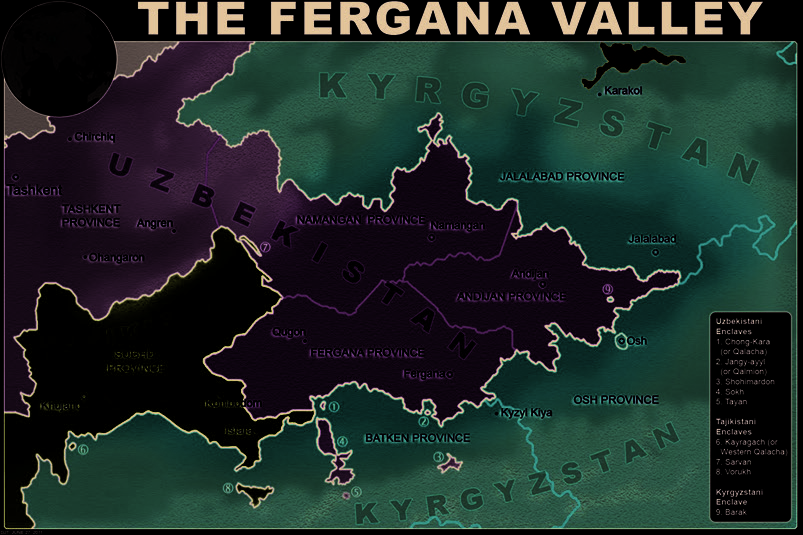
The Ferghana Valley exemplifies this ideological contest. Historically a center of Islamic scholarship, it became a hotspot for radicalization due to its dense religiosity and economic marginalization (Olcott, 2007Olcott, M. B. (2007). Roots of Radical Islam in Central Asia.). Movements like the Islamic Movement of Uzbekistan (IMU) emerged from localized grievances but adopted transnational jihadist rhetoric, illustrating how internal discontent fused with external ideological influences (Бабаджанов, 2010Бабаджанов, Б. (2010). Исламское движение Узбекистана»: джихад как идеология «Изгоев. Россия и мусульманский мир(3), 105-124.). This synthesis challenges earlier assumptions that Central Asian radicalism was merely an imported phenomenon, highlighting its hybrid nature instead.
The role of external actors in Central Asian radicalization has been widely examined, yet scholarly perspectives diverge on their relative influence. While some emphasize the direct impact of foreign groups like Hizb ut-Tahrir (HT) and Salafist missionaries (Orofino, 2021Orofino, E. (2021). Hizb ut-Tahrir: Revisiting Its Origin, Ideology, and Method. In Handbook of Contemporary Islam and Muslim Lives (pp. 1271-1291). Springer.; Zelin, 2023Zelin, A. Y. (2023). The Age of Political Jihadism: A Study of Hayat Tahrir Al-Sham. Rowman & Littlefield.), others argue that their success depended on pre-existing local conditions, such as state repression and economic despair (Safranchuk & Makhmudov, 2024Safranchuk, I., & Makhmudov, R. (2024). Contemporary Islamic Radicalism in Central Asia: Genesis and History of Development. Politics and Religion Journal, (2), 243-267.). HT’s growth in Uzbekistan, for instance, was facilitated by the government’s heavy-handed crackdowns on moderate Islam, which alienated segments of the population and made HT’s pan-Islamic caliphate narrative appealing (Егоров, 2014Егоров, Е. (2014). Исламский радикализм в Центральной Азии: Хизб ут-Тахрир и исламское движение Узбекистана. Среднерусский вестник общественных наук(3 (33)), 188-193.). Similarly, Salafism gained traction not solely through foreign proselytization but via returning labor migrants who reinterpreted their experiences through a radical lens (Sharipova & Beissembayev, 2023Sharipova, D., & Beissembayev, S. (2023). Causes of violent extremism in Central Asia: The case of Kazakhstan. Studies in Conflict & Terrorism, (9), 1702-1724.).
The Taliban’s post-2021 transition from armed struggle to state governance precipitated a doctrinal rupture with transnational jihadist circles. Initially, HT emerged as a vocal critic, decrying the movement’s retreat from global jihad, its confinement of revolutionary activities to Afghanistan’s borders, and its refusal to support allied Islamist movements abroad (Knyazev, 2024Knyazev, A. (2024). Afghanistan and Regional Security: Scenarios for the Future. RIAC Retrieved January 8 from). Despite the Taliban’s ban on political opposition and regular arrests of HT members, the group maintains a clandestine presence in Afghanistan, disseminating propaganda through affiliated mosques and digital platforms. While the Taliban actively suppresses HT as a rival Islamist faction, viewing its pan-Islamic caliphate agenda as a threat to their emirate, HT avoids open confrontation. Instead, it pursues a strategy of calculated infiltration, publicly endorsing Taliban positions while quietly recruiting within religious circles. This ambivalent dynamic reflects HT’s historical pragmatism in hostile environments.
Existing studies often treat internal and external drivers of radicalization in isolation, neglecting their synergistic effects. This research bridges that gap by analyzing how localized grievances (e.g., poverty, lack of education, unemployment) intersect with transnational jihadist frameworks to produce distinct radical movements. Additionally, while prior works have extensively documented groups like HT and the IMU, fewer have examined the doctrinal evolution of Salafism in Central Asia, particularly its adaptation to post-Soviet criminal subcultures (Прохватилов, 2023Прохватилов, В. (2023). Почему в Казахстане поднимают голову салафиты? Eurasiatoday. Retrieved January 8 from).
Jihadist groups linked to the region
The persistence of jihadist groups with ties to Central Asia underscores the connection between global ideological movements and localized militant ecosystems. While existing scholarship has broadly acknowledged the presence of organizations such as ISIS-Khorasan (ISIS-K), Al Qaeda, Katibat al-Imam al-Bukhari (KIB), Katibat Tawhid wal-Jihad (KTJ), and Jamaat Ansarullah (JA), critical gaps remain in understanding their operational dynamics, recruitment strategies, and adaptability in response to counterterrorism pressures. This section engages directly with these gaps, challenging prevailing assumptions through empirical evidence while situating the discussion within ongoing academic debates.
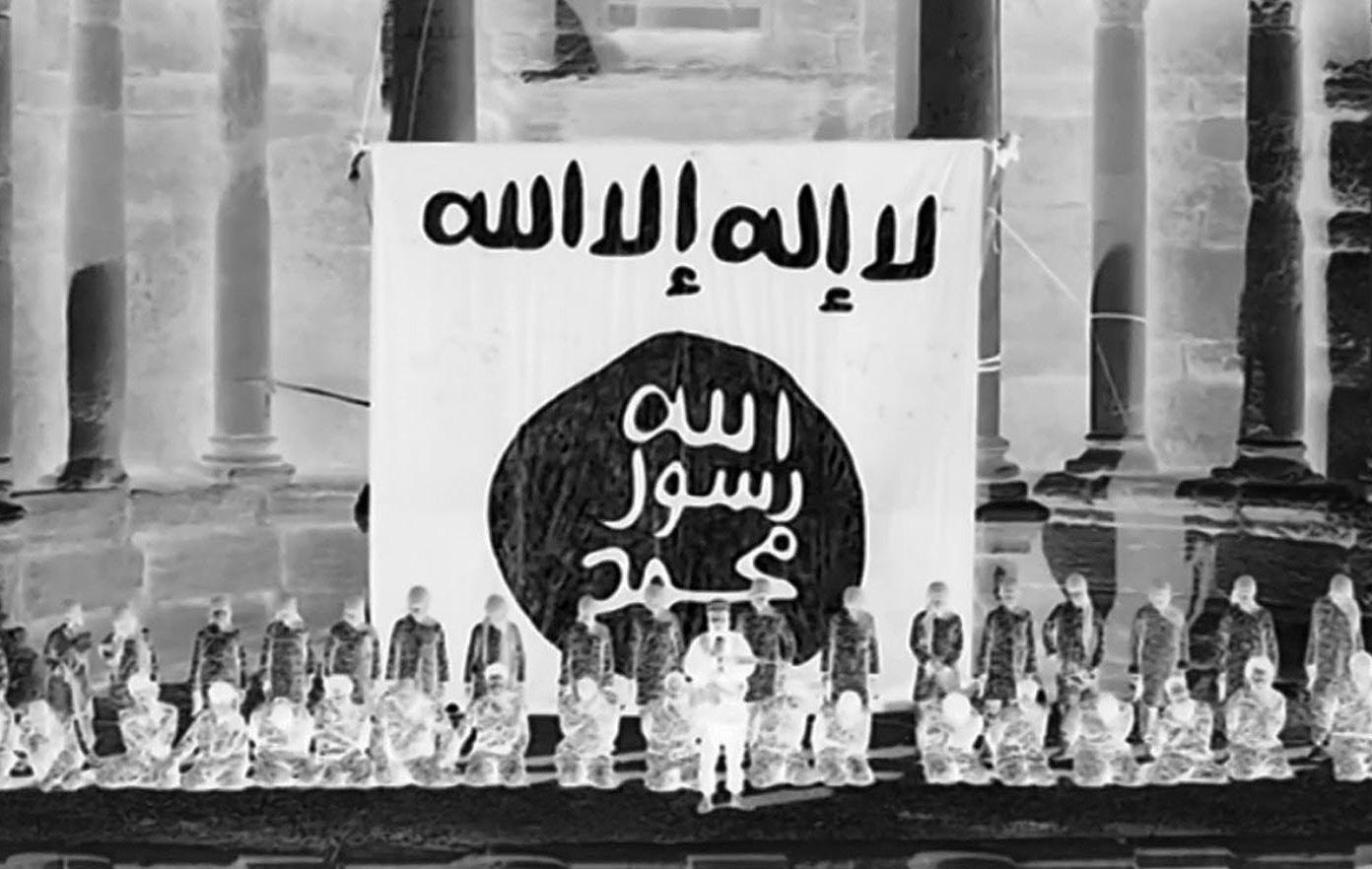
ISIS-K is currently the most active terrorist group in Afghanistan and the neighboring regions, with its operational base in eastern Afghanistan and the Pakistani border areas, drawing its operational capacity from Pakistani Taliban militants (TTP), Afghan ethnic minorities, Central Asian extremists, and defectors from other regional jihadist movements. At the same time, the Taliban has significantly constrained ISIS-K’s disruptive capabilities through sustained counterterrorism efforts—both before and after its August 2021 takeover—the group retains transnational ambitions and the ability to conduct complex attacks, maintaining its status as a key regional security threat. ISIS-K frequently retaliates with terrorist attacks against civilians and foreigners to assert its opposition to Taliban rule, though its limited resources force it to operate covertly. The Taliban has countered ISIS-K primarily through intelligence-driven operations, achieving limited tactical successes. However, resource constraints hinder its ability to neutralize the group thoroughly, allowing ISIS-K to persist as an enduring security threat.
ISIS-K has demonstrated notable resilience despite counterterrorism pressures. The group’s fighting force grew from several hundred members in 2015 to 5,000 and 7,000 by 2021, reaching an estimated 15,000 and 17,000 militants by early 2024. Recruitment efforts have increasingly targeted Tajiks, Uzbeks, and other foreign nationals. Recruitment of Central Asian nationals, particularly in Tajikistan, where systemic vulnerabilities aid radicalization, further expands its influence. E. Rahmon admitted that over the past three years, 24 Tajik citizens have committed terrorist attacks or have been suspected of planning attacks in ten countries (Umarov, 2024Umarov, T. (2024). Moscow Terror Attack Spotlights Russia-Tajikistan Ties. Carnegie Russia Eurasia Center. Retrieved January 10 from). Despite this growth, resistance from the Taliban and Afghan government has significantly limited its regional ambitions, leading ISIS to pivot toward recruiting Central Asians for involvement in Middle Eastern conflicts (Safranchuk & Makhmudov, 2024Safranchuk, I., & Makhmudov, R. (2024). Contemporary Islamic Radicalism in Central Asia: Genesis and History of Development. Politics and Religion Journal, (2), 243-267.; Strachota, 2024Strachota, K. (2024). Islamic State-Khorasan: global jihad’s new front.; Эргашев, 2024Эргашев, Б. (2024). Эксперт о ситуации с ростом числа боевиков в Афганистане. SCT RATS. Retrieved January 12 from). This expansion occurred alongside high-profile attacks, including the November 2024 assault on Chinese workers in Tajikistan’s Khatlon Province and the March 2024 Moscow attack that resulted in enormous casualties (Caballero, 2024Caballero, L. (2024).; Серенко, 2024Серенко, А. (2024). В Центральной Азии исламисты начинают “антикитайский джихад”. Независимая газета. Retrieved January 10 from).
The Syrian conflict played a pivotal role in enhancing the operational capabilities of Central Asian jihadist groups. As a crucial training ground, the war enabled networks such as KIB and KTJ to develop into significant militant forces. These groups strengthened their ties to global jihadism by integrating with Hay’at Tahrir al-Sham, al-Qaeda’s affiliate in Syria, which provided them with combat experience, ideological reinforcement, and transnational connections. This period marked a qualitative leap in their organizational sophistication and regional influence (Soliev, 2019Soliev, N. (2019). Central Asia: Kazakhstan, Kyrgyzstan, Tajikistan, Turkmenistan, and Uzbekistan. Counter Terrorist Trends and Analyses, (1), 65-70.; 2020). KTJ established itself as a particularly sophisticated network, responsible for the April 2017 St. Petersburg metro bombing that killed 16 people and the August 2016 attack on the Chinese Embassy in Bishkek (Тюкеев, 2024Тюкеев, К. (2024). Ребрендинг террористических групп в Сирии — история и современные тенденции. Institute for Political Studies at the T. Usubaliev Foundation. Retrieved March 1 from). The group maintains an estimated 700 militants and has demonstrated continued recruitment among Central Asian migrant workers in Russia. (Safranchuk & Makhmudov, 2024Safranchuk, I., & Makhmudov, R. (2024). Contemporary Islamic Radicalism in Central Asia: Genesis and History of Development. Politics and Religion Journal, (2), 243-267.) Russian authorities reported intercepting increased recruitment communications, with 39 KTJ members detained in 2021-2022 and an additional 49 in February 2024 (Ведомости, 2024Ведомости. (2024). ФСБ задержала 49 участников террористической сети «Катиба Таухид валь -Джихад». Ведомости. Retrieved January 12 from). The prominence of Tajik commander Saifiddin Tadjiboev within Hay’at Tahrir al-Sham’s leadership structure further illustrates the growing influence of Central Asian militants in transnational jihadist networks (Orda, 2025Orda. (2025). Syria Reportedly Appoints Tajik National to Military Leadership. Orda. Retrieved March 1 from; SCO RATS, 2025SCO RATS. (2025). Могут ли граждане из стран Центральной Азии, находящиеся в Сирии, представлять новую региональную угрозу? SCO RATS. Retrieved March 1 from).
In Afghanistan, JA and its offshoot, Tehrik-e Taliban Tajikistan (TTT), have emerged as persistent threats to regional stability. JA’s 300 fighters and TTT’s 200 militants operate along the Tajik-Afghan border, exploiting Taliban patronage to acquire advanced weaponry while promoting irredentist goals through propaganda outlets like “Voice of Khorasan” (Makhmudov et al., 2023Makhmudov, R., Rakhimov, A., & Umarov, A. (2023). The current state of participation of Central Asian nationals in the activities of terrorist organizations in Afghanistan. The Institute for Advanced International Studies. Retrieved January 12 from). The Taliban’s refusal to extradite JA members, coupled with their insistence on mediation, reflects strategic calculations that prioritize maintaining a buffer force over addressing Dushanbe’s security concerns (Pannier, 2024Pannier, B. (2024). Tajikistan’s Afghan Conundrum. Foreign Policy Research Institute. Retrieved January 12 from).
However, the Taliban’s recent crackdown on Tajik commanders in northern Afghanistan particularly the arrest of Haqqani-linked leader Hossein Jundi in Takhar province - exposes critical ethnic and factional divisions within the movement. This purge reflects the Kandahar leadership’s attempt to consolidate Pashtun dominance while weakening the historically autonomous Haqqani Network (Bifolchi, 2025Bifolchi, G. (2025). Tajik Taliban Commanders Arrested in Afghanistan Underline the Movement’s Internal Frictions. Special Eurasia. Retrieved April 29 from). While reducing Tajik militant influence could facilitate improved Afghanistan-Tajikistan relations by decreasing cross-border threats from Tajik Islamic fundamentalists, the marginalization of the minority faction risks destabilizing northern regions where anti-Taliban sentiment persists. More alarmingly, these actions may create operational space for ISIS-K to recruit among alienated Tajik communities and exploit ethnic tensions, potentially reigniting local insurgencies while undermining the Taliban’s fragile authority.
The CSTO’s Counter-Terrorism Initiatives in Central Asia
The CSTO is a pivotal regional entity established under the 1992 Collective Security Treaty, designed to safeguard member states from external threats and combat terrorism through strategic and operational frameworks. Its significance in Russian foreign policy, particularly in Central Asia, is underscored in Russia’s 2016 and 2023 Foreign Policy Concepts, which position the CSTO as a cornerstone of regional security (MFA Russia, 2016MFA Russia. (2016). The Foreign Policy Concept of the Russian Federation 2016. Voltaire Network. Retrieved January 14 from, 2023MFA Russia. (2023). The Concept of the Foreign Policy of the Russian Federation. MFA Russia. Retrieved January 14 from). For Tajikistan, CSTO membership is a critical component of its national and regional security strategy, especially in light of threats emanating from Afghanistan. This is evident in Tajikistan’s 2015 Foreign Policy Concept and its reliance on CSTO support during the 2015 Dushanbe uprising (MFA Tajikistan, 2015MFA Tajikistan. (2015). Concept of the Foreign Policy of the Republic of Tajikistan. MFA Tajikistan. Retrieved January 14 from). In contrast, Kyrgyzstan’s 2019 Foreign Policy Concept adopts a more measured stance, viewing the CSTO as one of several multilateral platforms, a perspective shaped by the organization’s perceived inaction during the 2010 ethnic clashes (KR, 2019KR, M. (2019). Concept of Foreign Policy of the Kyrgyz Republic. Ministry of Justice of the Kyrgyz Republic. Retrieved January 14 from). Conversely, Kazakhstan employs a multi-vector foreign policy approach, equating the CSTO with NATO in its 2020 Foreign Policy Concept. However, following CSTO peacekeeping support during internal unrest in 2022, Kazakhstan’s rhetoric has increasingly acknowledged the organization’s growing importance (Akorda, 2020Akorda. (2020). On the Concept of the Foreign Policy of the Republic of Kazakhstan for 2020-2030. «Akorda» Presidential Palace. Retrieved January 14 from; Белоглазов, 2024Белоглазов, А. В.. (2024). Деятельность Организации Договора о коллективной безопасности в Центральной Азии (2002–2022). Россия и мир: научный диалог(4), 190-203.).
Conceptual foundations for countering terrorism in the CSTO
The CSTO’s approach to countering terrorism is rooted in its foundational principles, as articulated in its Charter, particularly Article 3, adopted during the Moscow Summit on October 7, 2002. The Charter outlines the organization’s primary objectives: fostering peace, enhancing regional and international security, and ensuring stability, with a strong emphasis on the collective defense of member states’ independence, territorial integrity, and sovereignty. Political and diplomatic measures are prioritized as the primary means of addressing security threats, reflecting the CSTO’s commitment to peaceful conflict resolution (CSTO, 2002CSTO. (2002). Charter of the Collective Security Treaty Organization, dated October 07, 2002. CSTO. Retrieved January 14 from).
As the main guarantor for the organization’s preservation and the most significant military and financial donor, Russia has played a central role in shaping the organization’s conceptual framework and operational priorities. While the CSTO lacks a specific definition of terrorism, it aligns with international conventions, UN resolutions, and CIS frameworks, such as the 2009 model law ‘On Combating Terrorism (CIS Assembly, 2009CIS Assembly. (2009). МОДЕЛЬНЫЙ ЗАКОН “О ПРОТИВОДЕЙСТВИИ ТЕРРОРИЗМУ.” CIS Anti-Terrorism Center. Retrieved January 14 from). The CSTO has consistently advocated for the UN to establish a comprehensive legal definition of terrorism and maintain updated lists of terrorist organizations, reflecting its commitment to aligning with global counterterrorism standards. These efforts have been strongly supported by Moscow, which has used its diplomatic influence to advance the CSTO’s agenda on the international stage.
The CSTO’s strategic framework addresses interconnected threats like terrorism and drug trafficking, where terrorist groups fund operations through trafficking networks. Member states have pooled resources and enhanced their collaborative efforts to counter these intertwined threats. Key initiatives include the 2001 reform of the Collective Rapid Deployment Forces, the 2003 establishment of a Russian airbase in Kyrgyzstan, and agreements to secure external borders within the Eurasian Economic Community (CSTO, 2001CSTO. (2001). The collective forces of the rapid deployment of the Central Asian collective security region. CSTO. Retrieved January 14 from; Белоглазов, 2024Белоглазов, А. В.. (2024). Деятельность Организации Договора о коллективной безопасности в Центральной Азии (2002–2022). Россия и мир: научный диалог(4), 190-203.). These measures have significantly strengthened the CSTO’s operational capacity, with Russia providing critical logistical and military support.
Article 8 of the CSTO Charter highlights a collective approach to terrorism, extremism, and trafficking, operationalized through specialized forces like the Collective Rapid Deployment Forces (2001), the Collective Rapid Reaction Forces (KSOR, 2009KSOR (2009). The source article does not provide a separate full bibliographic entry for this citation.), and the Collective Peacekeeping Forces. The KSOR, comprising 18,000 personnel, integrates military contingents and special forces from member states, enabling them to perform various tasks. Additional units, such as the Rapid Deployment Collective Forces and Collective Air Forces, further enhance the CSTO’s operational capacity. Regular joint exercises simulate terrorist scenarios, allowing member states to test and refine their collaborative responses (CSTO, 2002CSTO. (2002). Charter of the Collective Security Treaty Organization, dated October 07, 2002. CSTO. Retrieved January 14 from; 2009).
The CSTO’s institutional framework includes key bodies like the Collective Security Council, the Council of Foreign Ministers, the Committee of Security Council Secretaries, and the Council of Defense Ministers. Since 2005, the Working Group on Counterterrorism has been pivotal in strategy development and threat assessment. Another important body, the Working Group on Afghanistan, functions under the Council of Foreign Ministers, focusing on monitoring the situation in Afghanistan and collaborating with its government to prevent militant incursions, particularly in Tajikistan. Russian representatives in the Afghanistan working group discussed revised Afghan proposals on CSTO cooperation in Kabul, leading to Afghan involvement in the group from November 2006 (Гонтарь, 2015Гонтарь, С. М. (2015). Роль руководства Российской Федерации в развитии внешнеполитического сотрудничества Организации Договора о коллективной безопасности. Историческая и социально - образовательная мысль, (5-2), 36-42.).
Russia has been a driving force in enhancing the CSTO’s legal and institutional infrastructure. The establishment of a Joint Staff in 2004 improved coordination among member states, while a 2005 agreement facilitated military training across member states’ educational institutions, fostering a unified approach to collective security. (CSTO, 2004CSTO. (2004). Historical Background CSTO. Retrieved January 14 from, 2005CSTO. (2005). MATERIAL FOR PRESENTATION OF THE STATUSES OF THE CSTO PARTNER AND OBSERVER UNDER THE CSTO. CSTO. Retrieved January 14 from) Uzbekistan’s 2006 accession expanded the CSTO’s influence, though it suspended membership in 2012. The organization has also pursued regional cooperation with other entities, such as the SCO. A 2007 Memorandum of Understanding between the CSTO and SCO facilitated joint efforts against terrorism, drug trafficking, arms proliferation, and organized crime, reinforcing multilateral engagement (SCO & CSTO, 2007SCO & CSTO. (2007). The memorandum of understanding between the Secretariat of the Collective Security Treaty Organization and the Secretariat of the Shanghai Cooperation Organization. CIS Legislation Retrieved January 14 from).
Efforts to establish a unified terrorist list began in 2003, with a preliminary list approved in 2004, though challenges arose due to differing national criteria for designating terrorist organizations. Negotiations resumed in 2015, leading to a unified list adopted in 2016 and finalized in 2017 (Ведомости, 2016Ведомости. (2016). ОДКБ утвердила единый список террористических организаций. Ведомости. Retrieved January 14 from; Дорохина, 2018Дорохина, К. М. (2018). Анализ стратегии организации Договора о коллективной безопасности в сфере противодействия терроризму. Вестник Московского университета. Серия 12. Политические науки(5), 62-77.). However, Tajikistan’s President Emomali Rahmon expressed concerns in 2022 about the incomplete implementation of the list (Sputnik, 2022Sputnik. (2022). В ОДКБ до сих пор не составлен единый перечень террористических организаций – Рахмон. Sputnik. Retrieved January 14 from).
In April 2025, Russia’s Supreme Court lifted the two-decade ban on the Taliban, immediately removing it from the terrorist organizations list. This follows 2023 recommendations from the Foreign and Justice Ministries, later supported by the Prosecutor General. The FSB notes the Taliban’s willingness to combat militants linked to the Crocus City Hall attack. The decision facilitates expanded Russia-Afghanistan ties across diplomatic, economic, and cultural spheres, reflecting the group’s reduced terrorist activities and crackdown on rival extremists. The move aligns with Central Asian trends - Kazakhstan and Kyrgyzstan previously delisted the Taliban, though no state grants it full recognition. Tajikistan maintains the region’s most rigid stance, demanding minority rights and Tajik inclusion in Afghanistan’s government, while continuing electricity exports (Суринская & Лакстыгал, 2025Суринская, Я., & Лакстыгал, И. (2025). Что означает приостановка запрета деятельности «Талибана» в России. Ведомости. Retrieved April 28 from).
The CSTO’s 2016-2025 Collective Security Strategy reaffirms its commitment to combating terrorism, emphasizing coordinated efforts across military, diplomatic, and institutional domains (CSTO, 2016CSTO. (2016). Collective Security Strategy until 2025. CSTO. Retrieved January 14 from). This approach underscores the CSTO’s focus on strengthening security capabilities, fostering multilateral cooperation, and addressing the root causes of terrorism, aligning with broader global security trends. As the CSTO’s primary military and financial sponsor, Russia is leading in advancing these initiatives. Through these efforts, the CSTO remains a key player in shaping regional security dynamics in Central Asia and beyond.
CSTO counter-terrorism exercises and operations
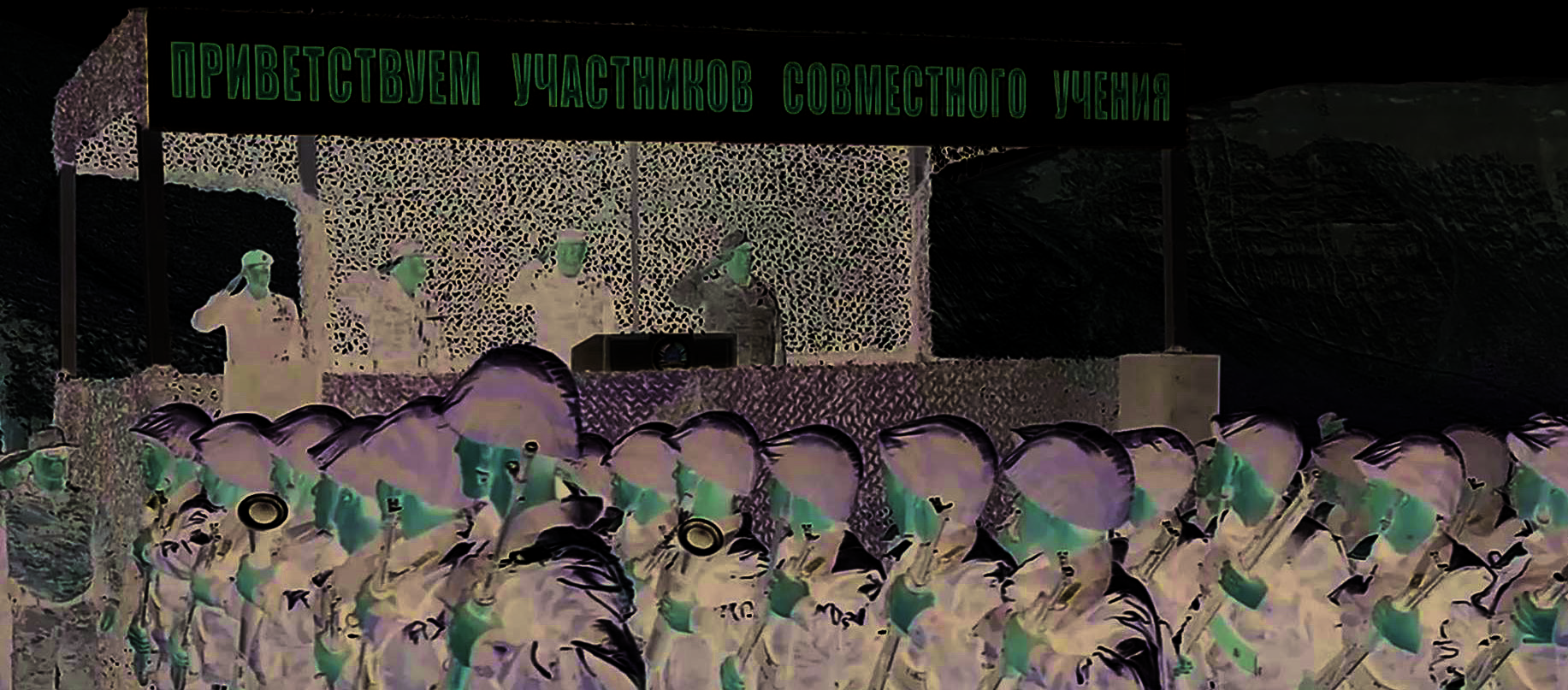
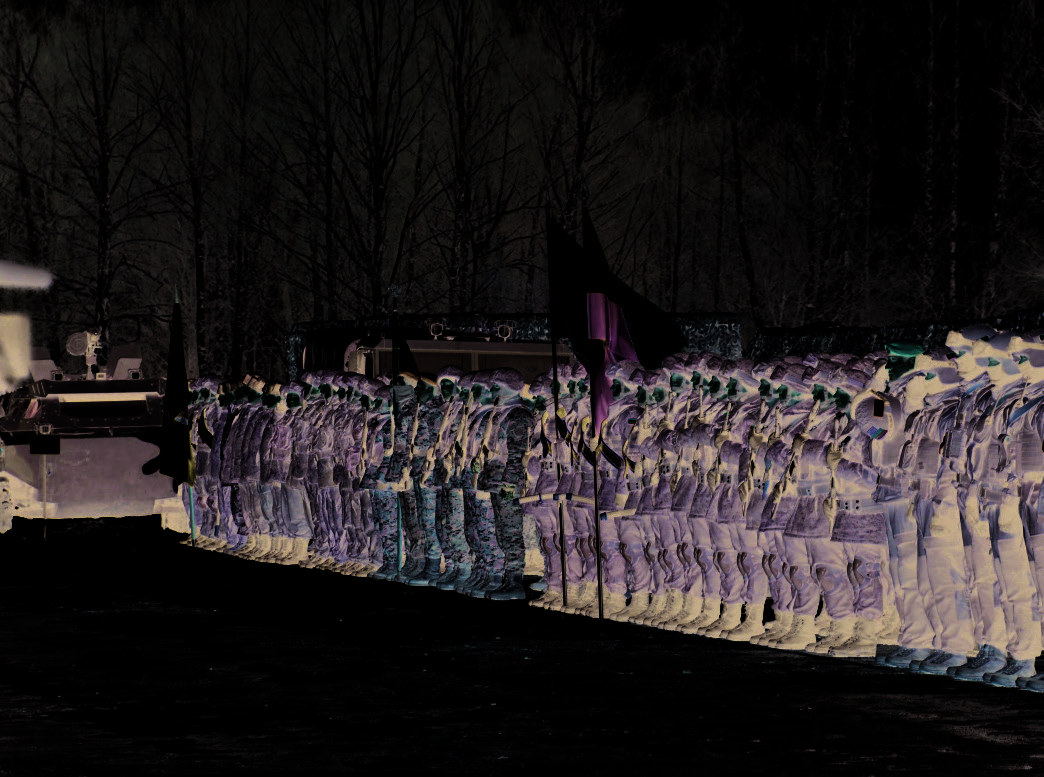
The CSTO has consistently prioritized enhancing the counterterrorism capabilities of its member states through joint military exercises and operations. These initiatives aim to improve operational readiness, interoperability, and the collective ability to respond to modern security threats. By simulating realistic terrorist scenarios—such as hostage situations, bombings, and attacks on critical infrastructure—the CSTO refines coordination, streamlines procedures, and strengthens its capacity to address complex and evolving challenges.
The security situation in Afghanistan significantly shapes the CSTO’s counter-terrorism exercises. The Taliban’s return to power heightened concerns about cross-border terrorism, drug trafficking, and the spread of extremist ideologies into Central Asia. Tajikistan, with its 1,400-kilometer border with Afghanistan, has been particularly vulnerable. The “Cobalt” exercise series, launched in 2010, addresses these threats by involving special forces, reconnaissance units, and advanced military technologies to disrupt terrorist activities and dismantle illegal networks. For example, “Cobalt-2021” in Tajikistan demonstrated the use of rapid response forces, reconnaissance battalions, and military helicopters to neutralize simulated terrorist incursions. At the same time, the 2024 iteration in Russia emphasized collaboration among internal security forces, national guard units, and anti-terrorism squads, showcasing the CSTO’s ability to operate in combat-realistic conditions (Muraviev, 2022Muraviev, A. D. (2022). Russia’s Views on and Initial Responses to the 2021 Strategic Retake of Afghanistan by the Taliban. Journal of Asian Security and International Affairs, (3), 424-445.).
Complementing “Cobalt,” the “Thunder” exercises focus on special forces from anti-drug agencies and security services. Held biennially since 2012, these exercises target transnational criminal organizations, particularly in regions like Tajikistan, where illicit trade and insurgencies pose significant threats. By addressing the intersection of terrorism and organized crime, “Thunder” enhances the CSTO’s ability to combat modern security challenges.
The “Indestructible Brotherhood” exercises, initiated in 2017, integrate reconnaissance, rapid deployment, logistical support, and peacekeeping operations. The 2017 edition involved 12,000 personnel and 1,500 units of military equipment, simulating scenarios like intelligence gathering and conflict resolution (CSTO, 2017CSTO. (2017). The CSTO “Combat Brotherhood 2017” joint operational and strategic exercise will be held in Russia, Armenia, Kazakhstan, and Tajikistan from October 3 to November 20, 2017. CSTO. Retrieved January 17 from). The 2024 iteration in Kazakhstan focused on peacekeeping tasks such as managing checkpoints, providing humanitarian aid, and patrolling conflict zones, highlighting the CSTO’s ability to coordinate military and civilian agencies (CSTO, 2024cCSTO. (2024a). The active phase of the CSTO trainings “Interaction-2024,” “Search-2024,” and “Echelon-2024” was completed in the Kyrgyz Republic. CSTO. Retrieved January 17 from).
Similarly, the “Interaction” exercises, held annually since 2009, address regional security threats, including neutralizing illegal armed groups and special operations. These drills also incorporate information warfare and psychological operations, reflecting the CSTO’s recognition of the multifaceted nature of modern terrorism. The 2021 edition, conducted alongside ”Poisk“ and ”Echelon, “ involved 4,000 soldiers and 500 units of military hardware, demonstrating the CSTO’s integrated approach to counterterrorism (CSTO, 2021CSTO. (2021). The CSTO trainings “Echelon-2021,” “Search-2021,” and “Interaction-2021” started in the Republic of Tajikistan. CSTO. Retrieved January 17 from). The “Poisk” exercises, initiated in 2016, focus on enhancing intelligence and reconnaissance capabilities. The 2024 iteration in Kyrgyzstan utilized advanced technologies like UAVs and thermal imaging to refine joint reconnaissance operations, ensuring CSTO forces are prepared for swift and effective counterterrorism missions (CSTO, 2024aCSTO. (2024a). The active phase of the CSTO trainings “Interaction-2024,” “Search-2024,” and “Echelon-2024” was completed in the Kyrgyz Republic. CSTO. Retrieved January 17 from).
The “Rubezh” and “Echelon” exercises play complementary roles. “Rubezh” focuses on rapid deployment to defend Central Asia from external threats, while “Echelon” emphasizes logistics and material support. The “Air Bridge” exercises, first held in 2018, test the CSTO’s ability to deploy forces across vast distances, a critical capability for responding to terrorist threats in remote areas.
Operation “Mercenary,” launched in 2018, disrupts recruitment networks and the movement of individuals from CSTO member states to participate in terrorist activities abroad, particularly in the Middle East. In 2023, Russian President Vladimir Putin highlighted his role in countering the recruitment of nationals by terrorist organizations. The operation has led to the arrest of members of banned groups like “Islamic State” and “Hizb ut-Tahrir,” demonstrating its effectiveness (RBC, 2023RBC. (2023). Путин рассказал об операции «Наемник». RBC. Retrieved January 17 from).
Operation “Proxy,” launched in 2009, addresses cyberterrorism, online recruitment, and the spread of extremist ideologies. Reflecting the CSTO’s adaptation to the digital age, “Proxy” targets the internet as a primary tool for extremist recruitment. The CSTO has also collaborated with the SCO on cybersecurity initiatives, underscoring the importance of multilateral cooperation in combating digital threats (Rauf, 2020Rauf, S. (2020). Prospects of CSTO and SCO in regional politics of Central Asia. International Journal of Politics and Security, (4 (Çin Özel Sayısı)), 30-50.).
The CSTO’s counterterrorism capabilities were tested during Kazakhstan’s unrest in January 2022. As protests turned violent, President Kassym-Jomart Tokayev, due to the terrorist threat, requested CSTO assistance. The swift deployment of Collective Peacekeeping Forces, led by Russia, stabilized critical infrastructure, marking the first invocation of Article 4 of the Collective Security Treaty, which allows for collective defense against external threats (Kucera, 2022Kucera, J. (2022). CSTO agrees to intervene in Kazakhstan unrest. Eurasianet. Retrieved January 17 from). This intervention demonstrated the CSTO’s rapid deployment capacity and adaptability to non-traditional security challenges, such as riots by religious militants, while reinforcing Russia’s leadership role in Central Asia.
The CSTO’s 2025 agenda prioritizes counterterrorism, focusing on crisis prevention and regional security. A key initiative is a joint counterterrorism exercise in Tajikistan, integrated with the “Indestructible Brotherhood-2025” peacekeeping drill and coordinated with CIS states—the first under the 2024 “Memorandum of Cooperation between the CSTO and the CIS Anti-Terrorism Center.” A simulated peacekeeping mission will also occur in Tajikistan’s Khotlon region. Colonel-General Serdyukov emphasized that these drills strengthen readiness against terrorism, extremism, and regional instability. Meanwhile, Kyrgyzstan hosts an operational meeting and the “Rubezh-2025” command-staff exercise on rapid deployment and crisis response (CSTO, 2025bCSTO. (2016). Collective Security Strategy until 2025. CSTO. Retrieved January 14 from).
The CSTO’s counterterrorism initiatives— ranging from large-scale exercises like “Indestructible Brotherhood” to targeted operations like “Mercenary” and “Proxy”—reflect a comprehensive and adaptive approach to addressing both conventional and emerging threats. By simulating realistic scenarios, leveraging advanced technologies, and fostering regional cooperation, the CSTO enhances member states’ operational readiness. However, challenges remain, including aligning national strategies and addressing evolving threats like cyberterrorism and ideological extremism. The CSTO’s ability to adapt will determine its long-term effectiveness in maintaining regional security.
Challenges for the CSTO on Counter-Terrorism The digitalization of terrorism
One of Russia’s most significant challenges within the CSTO framework is combating the transnational nature of modern terrorism, a threat exacerbated by the rapid digitalization of Central Asia and the region’s socioeconomic vulnerabilities. Despite Russia’s notable successes in coordinating anti-terrorism initiatives through the organization, the CSTO continues to face persistent and emerging challenges that undermine its effectiveness. Extremist groups actively exploit social media platforms for the recruitment and radicalization of youth while also utilizing encrypted communication channels to evade detection by Russian and Central Asian intelligence agencies. This digital dimension of terrorism underscores the need for enhanced internal coordination among CSTO member states, as well as collaboration with external actors, including Middle Eastern countries, China, the United States, and international organizations. However, geopolitical disagreements and differing counterterrorism priorities often hinder practical cooperation, complicating efforts to address cross-border threats.
The growing reliance of extremist groups on digital tools is further illuminated by a study conducted by the Institute for Advanced International Studies (Uzbekistan), which monitored various social media platforms across multiple languages, such as Russian, Uzbek, Tajik, Kyrgyz, and Kazakh. The study aimed to analyze the dissemination of radical ideologies and assess their influence within these networks. Its key findings identified particularly high activity among radical groups and propagandists on Uzbek and Tajik language platforms, where a significant volume of propaganda content was detected. The study revealed that propaganda targeting migrants living in Russia contributed to provocations preceding the terrorist attack at Crocus City Hall in Moscow. Additionally, it demonstrated that analyzing recruiter-generated content can help determine affiliations with specific organizations or groups, emphasizing the strategic value of understanding the target audience and objectives of propaganda (IAIS, 2024IAIS. (2024). Central Asia Media Monitoring on Radicalism and Terrorism Issues. Center for Afghanistan and South Asian Studies.).
In a related development, Uzbekistan’s Supreme Court published a comprehensive list of materials containing extremist and terrorist ideologies prohibited from import, production, distribution, or display within the country. The list includes banned channels on YouTube (135), Telegram (713), Instagram profiles (226), Facebook pages (203), TikTok accounts (44), and other social media platforms (68) (Ўзбекистон Республикаси Олий суди, 2025Ўзбекистон Республикаси Олий суди. (2025). Ўзбекистон Республикаси Олий суди томонидан интернет жаҳон тармоҳидаги диний экстремистик, террористик ва ақидапарастлик қоялари билан йўқрилган деб топилган қамда Ўзбекистон Республикасининг қудудига олиб кириш, тайёрлаш, сақлаш, тарҳатиш ва намойиш этилиши таҳиҳланган манба ва контентлар ( материаллар ). Ўзбекистон Республикаси Олий суд. Retrieved March 3 from). This regulatory measure highlights the growing recognition of social media as a critical vector for the spread of radical content and aligns with the findings of the IAIS.
Groups such as the Islamic State-Khorasan exemplify this trend, actively using Telegram, which has become the primary tool of international terrorism for recruitment, propaganda dissemination, and operational management. This was starkly demonstrated during the March 2024 terrorist attack in Moscow, which exposed vulnerabilities in Russia’s security system. The attack highlighted the dependence of terrorist groups on digital tools, underscoring the need for modern technical resources, continuous training, and upskilling of counterterrorism personnel within CSTO member states. However, these efforts are frequently undermined by insufficient coordination and information sharing among member countries. For instance, prior to the Moscow attack, the brother of one of the perpetrators had been placed on Tajikistan’s wanted list for involvement in terrorist activities in Syria. However, due to flaws in information-sharing mechanisms between Russian and Tajik intelligence agencies, other family members, including the attacker himself, were able to cross into Russia unimpeded. (Соловова, 2024Соловова, Т. (2024). Брат террориста Мирзоева **, расстрелявшего людей в «Крокусе», был связан с ИГИЛ *. 2025.) This failure highlights significant gaps in joint operational efforts and reveals systemic vulnerabilities in the CSTO’s collective counterterrorism strategy. For Russia, effective organizational leadership requires strengthening internal coordination, enhancing intelligence sharing, and conducting joint training programs to counter evolving transnational threats.
Territorial disputes and socioeconomic factors
Recent years have revealed another persistent structural challenge for the organization, particularly unresolved territorial disputes and a lack of political will for peaceful conflict resolution. The 972-kilometer border between Kyrgyzstan and Tajikistan, inherited from the Soviet era, has been a source of tension. Ignoring ethnic and economic realities, the border runs through disputed enclaves, which have provoked decades of conflicts over access to resources. Following the collapse of the USSR, tensions escalated into frequent clashes between local communities, culminating in armed conflicts between two CSTO members in 2021–2022 that resulted in dozens of deaths and mass evacuations. These events underscore the fragility of regional stability and the need for diplomatic solutions.
Despite initial reluctance from Bishkek and Dushanbe to accept external mediation, Russia played a key role in organizing negotiations. A trilateral meeting in October 2022, initiated by Moscow, marked a turning point. Over the following two years, with support from Russia and the CSTO, Kyrgyzstan and Tajikistan used archival documents provided by Russia to clarify the border, culminating in the signing of a delimitation agreement in February 2024 (CSTO PA, 2022CSTO PA. (2022). Vladimir Putin: Kyrgyzstan and Tajikistan are our close allies. CSTO Parliamentary Assembly. Retrieved March 3 from; Xinhua, 2025Xinhua. (2025). Kyrgyzstan, Tajikistan sign final protocol on delimitation of state border. Xinhua. Retrieved March 3 from). However, the conflicting parties’ lack of official recognition of Russia’s role indicates lingering tensions and a reluctance to acknowledge dependence on external arbitration. While the agreement represents a significant step, longterm stability depends on the ability of the parties to build trust. The CSTO’s adoption of a targeted program to strengthen the Tajik-Afghan border for 2025–2030 highlights the interconnectedness of regional security. Stability on the Kyrgyz-Tajik border is critical to the success of such initiatives, as any escalation could jeopardize efforts to ensure security in Central Asia (CSTO, 2024bCSTO. (2024a). The active phase of the CSTO trainings “Interaction-2024,” “Search-2024,” and “Echelon-2024” was completed in the Kyrgyz Republic. CSTO. Retrieved January 17 from).
In addition to operational and technical challenges, public perception and trust are key but often underestimated aspects of effective counterterrorism. The CSTO faces difficulties informing the public about its achievements and initiatives, leading to a lack of popular support and legitimacy. This gap undermines the organization’s ability to mobilize society against extremist ideologies. Strengthening transparency and engaging with civil society could enhance public trust and improve the CSTO’s image. For Russia, this represents both a challenge and an opportunity: on one hand, it must address internal coordination and external cooperation challenges; on the other, it can leverage its leadership role to shape a more cohesive and adaptive counterterrorism strategy within the CSTO. Addressing these issues would allow Russia to strengthen its influence in Central Asia and ensure the CSTO’s relevance in combating modern security threats.
Moreover, socioeconomic factors contributing to radicalization in Central Asia cannot be ignored. High levels of unemployment, poverty, and limited access to education create fertile ground for extremist recruitment. While the CSTO primarily focuses on military and security measures, a more comprehensive approach that includes socioeconomic development initiatives could address the root causes of terrorism. Russia, as the dominant force within the organization, has the potential to promote such efforts, but this would require a reevaluation of strategic priorities and increased investment in regional development programs. A dual approach combining security measures with socioeconomic initiatives could enhance the CSTO’s long-term effectiveness and contribute to sustainable regional stability.
Syrian instability as a challenge to Central Asian security
The transfer of power in Syria following opposition forces’ capture of key territories has significant security implications for SCO members and CSTO operations. The conflict has fragmented Syria into competing zones of influence, creating conditions for transnational jihadist networks to re-emerge as a security threat. Of particular concern is the potential return of Central Asian, Russian, and Chinese former ISIS fighters from Syrian detention facilities, which could reactivate terrorist cells across the region. Afghanistan remains especially vulnerable due to the Taliban’s limited capacity to counter entrenched terrorist groups like ISIS-K and Al-Qaeda amid economic and political challenges. The persistent appeal of transnational jihadist organizations, coupled with local socioeconomic grievances, continues to drive radicalization.
Since the beginning of the civil war in Syria in 2011, citizens of the former USSR began actively joining Salafi-jihadist groups such as Jabhat al-Nusra and ISIS. However, after ISIS lost control over the Syrian-Turkish border in 2016, the flow of militants from the CIS significantly decreased. In Idlib, where foreign fighters have always been a minority, their numbers also declined due to combat losses, lack of reinforcements, and changes in the policy of Jabhat al-Nusra’s leader, Abu Muhammad al-Julani (Семенов, 2025Семенов, К. (2025). Боевики из постсоветского пространства в Сирии: угрозы и проблемы дерадикализации. Российский совет по международным делам. Retrieved March 3 from).
Since 2016, Jabhat al-Nusra began revising its strategy, abandoning global jihad in favor of a local one, limited to Syrian territory. This led to an internal division between a radical wing, consisting mainly of foreigners, and a more moderate one, represented by Syrians. After the group’s transformation into HTS in 2017, the process of “Syrianization” accelerated, significantly reducing the role of foreign fighters. Many of them, having settled in Syria, began integrating into local society, starting families and abandoning radical ideologies. However, not all foreign fighters support the current policies of the Syrian leadership. For example, members of the group Tanzim Hurras al-Din, representing Al-Qaeda in Syria, or Ansar al-Tawhid, remain committed to the idea of “exporting” jihad, which contradicts the more moderate line pursued by HTS in Syria (Антон Мардасов & Семенов, 2024Антон Мардасов, & Семенов, К. (2024). Новая власть Сирии: сильные и слабые стороны. Российский совет по международным делам. Retrieved March 3 from).
The policy of deradicalization and integration pursued by the new Syrian authorities contributes to the reduction of terrorist threats. However, it causes discontent among radical Salafists, especially from the post-Soviet space, who criticize the abandonment of Sharia norms, such as hudud punishments, and the liberalization of social policies, including the expanded role of women in society. Overall, the current policy of the Syrian leadership aims to create a more inclusive and moderate society, reducing the likelihood of a repeat of the 2021 Afghan scenario. However, persistent disagreements with radical elements, particularly among foreign fighters, indicate the need for further efforts to strengthen stability and prevent potential recurrences of radicalization (Семенов, 2025Семенов, К. (2025). Боевики из постсоветского пространства в Сирии: угрозы и проблемы дерадикализации. Российский совет по международным делам. Retrieved March 3 from).
Security Council Secretary of the Kyrgyz Republic Marat Imankulov observed that Syria’s future remains uncertain and far from achieving stability. The new Syrian authorities will inevitably confront their most formidable ideological adversary - ISIS, which maintains significant combat capabilities. Of particular concern is the potential spillover of multinational terrorist elements beyond Syria’s borders, a worry shared by neighboring states and the international community. Current estimates suggest approximately 20,000 foreign fighters have integrated into Syrian security structures, including members of the Islamic Movement of Eastern Turkistan. Expert analyses indicate that about 6,000 of these combatants are oriented explicitly toward destabilizing China, while others originate from Central Asia and the North Caucasus region. Notably, around 5,000 militants (excluding family members) trace their origins to Central Asian countries (Imankulov, 2025Imankulov, M. (2025). Up to 20,000 militants join Syria’s police and security forces—Kyrgyz Security Council. TASS. Retrieved March 8 from).
A particularly troubling development involves the appointment of individuals wanted for terrorism- and extremism-related crimes in their home countries to key government positions in Syria. Beyond the propaganda value of such appointments, these individuals gain the ability to travel freely from Syria, visit other countries under official status, and conduct destabilizing activities, creating significant security risks for the region. While M. Imankulov notes the current Syrian administration remains primarily focused on domestic governance, with former militant groups like the Islamic Movement of Eastern Turkistan now integrated into security structures, the potential for large-scale fighter dispersal persists. Although immediate mass migration appears unlikely, any significant political rupture could trigger the exodus of embedded foreign combatants (Imankulov, 2025Imankulov, M. (2025). Up to 20,000 militants join Syria’s police and security forces—Kyrgyz Security Council. TASS. Retrieved March 8 from).
Since December 2024, HTS has significantly expanded its presence in Afghanistan, particularly in the Andarab Valley of Baghlan Province, which has become a regional hub for foreign militants. Following their victory in Syria, Uyghur, Tajik, Uzbek, Chechen, and other HTS fighters relocated to Afghanistan and Pakistan, with early cells led by Mawlavi Abdul Fatah, a veteran Tajik militant with experience in the Islamic State, al-Qaeda, and HTS. By late December 2024, around 500–700 fighters and their families had settled in Baghlan’s Banu, Dih-Salah, and Pul-i-Hisar districts. The group grew rapidly in early 2025 due to foreign arrivals and local recruitment, aided by logistical support from Hizb ut-Tahrir’s Afghan branch (Серенко, 2025Серенко, А. (2025). Ветераны «сирийского джихада» перебираются в Афганистан. Независимая газета. Retrieved April 30 from).
HTS recruitment in Afghanistan primarily occurs through mosques in Baghlan and, as of spring 2025, in Herat Province near the Iranian border. Local mullahs encourage youth to join, with contracts signed directly in mosques, where recruits receive upfront payments while mullahs take a commission. This campaign has significantly boosted HTS’s Afghan branch, with estimates suggesting nearly 10,000 fighters, including disaffected Taliban members frustrated by unpaid salaries. This trend potentially threatens not only Central Asia, Russia, and Iran, but also China, since a significant number of HTS militants in Afghanistan are Uighurs with experience in the “Syrian jihad” (Серенко, 2025Серенко, А. (2025). Ветераны «сирийского джихада» перебираются в Афганистан. Независимая газета. Retrieved April 30 from).
Conclusion
The phenomenon of radicalization in Central Asia represents a complex interplay of historical, socioeconomic, and geopolitical factors that collectively shape the region’s contemporary security challenges. At its core, this vulnerability originates from the Soviet-era systematic dismantling of traditional Islamic institutions, which not only disrupted centuries-old religious structures but also created an ideological vacuum. In the post-Soviet period, this vacuum became fertile ground for competing interpretations of Islam, including radical ideologies that gained traction amid weak state control and institutional fragility. The historical trajectory was further exacerbated by the strategic exploitation of socioeconomic grievances by transnational terrorist networks, which deliberately targeted marginalized urban peripheries and migrant communities where governance deficits were most pronounced.
The CSTO has emerged as the cornerstone of regional security architecture, functioning as Russia’s primary mechanism for counterterrorism cooperation and collective defense in Central Asia. While the organization has demonstrated operational efficacy during critical crises (2022 unrest in Kazakhstan), its structural limitations were starkly exposed by intelligence-sharing failures preceding the 2024 Moscow attack. These shortcomings underscore the growing disconnect between the CSTO’s traditional security framework and the evolving nature of transnational threats. The regional security calculus has been further complicated by geopolitical shifts beyond Central Asia, particularly the Taliban’s 2021 return to power in Afghanistan and the fall of the Bashar al-Assad regime in Syria in 2024. The developments have reinforced the perception of protracted asymmetric warfare as a viable strategy against conventionally superior forces. This paradigm shift has emboldened jihadist movements globally, reshaping their tactical and ideological approaches.
The situation in Afghanistan remains a critical determinant of regional security. The modern Taliban regime has undergone a significant transformation since its 1990s incarnation as an internationally designated terrorist movement. Since regaining power in 2021, the group has shifted toward state-building and internal security consolidation, actively combating international terrorist groups such as ISIS-K and Hizb ut-Tahrir. This pragmatic repositioning has aligned the Taliban with the security interests of the key regional actors, reducing immediate risks of cross-border destabilization. Economic pragmatism has further reinforced this trend, evidenced by the Taliban’s participation in regional infrastructure projects, including the Trans-Afghan Railway and the China-Kazakhstan-Uzbekistan-Afghanistan rail corridor. However, systemic challenges persist, including weak central governance, economic fragility, and residual radical elements that constrain the Taliban’s counterterrorism effectiveness. Engagement through multilateral frameworks such as the SCO and the Moscow Consultations has mitigated confrontation risks, gradually recasting the Taliban as a potential security partner rather than an overt threat.
Regardless of the Taliban’s attempts to consolidate power, Afghanistan’s borders with Pakistan and Central Asia remain volatile due to persistent transnational militant activity. While some factions maintain nominal allegiance to Kabul, their true loyalties remain ambiguous, divided by ideological divergences, external financing, and command structures beyond Afghanistan’s control. This duality creates a security paradox that sustains cross-border threats while potentially weakening Taliban authority, thereby limiting Kabul’s capacity to foster regional security cooperation or effectively dismantle terrorist networks. The situation is exacerbated by returning Central Asian militants from Syria, whose potential collaboration with al-Qaeda or ISIS-K heightens risks. International sanctions and frozen reserves further weaken the Taliban’s counterterrorism capacity, impeding governance and economic recovery. Though Russia and China advocate for sanctions relief, sustainable stability requires deeper integration of Afghanistan into regional economic frameworks—a process already initiated but still dependent on enhanced Sino-Russian coordination and time to address structural drivers of instability.
To enhance the CSTO’s counterterrorism efficacy, a multi-dimensional reform agenda must prioritize cybersecurity as a strategic imperative. Establishing a dedicated CSTO Cyber Command would serve as a critical institutional mechanism, enabling the organization to systematically monitor extremist propaganda, disrupt online radicalization efforts, and coordinate transnational counter-narrative campaigns. Further reinforcing this framework, institutionalized joint cyber defense exercises with the SCO could standardize operational response protocols and enhance technical interoperability among member states, thereby closing gaps in collective cybersecurity preparedness. These proposed measures align with recent institutional developments, particularly the April 2025 memorandum of cooperation between the CSTO Secretariat and the Cyberus Foundation. This agreement represents a substantive step toward modernization, focusing on three key areas: joint research into cyber threats against critical infrastructure, the standardization of specialist training protocols, and harmonizing cybersecurity legislation across member states. (CSTO, 2025aCSTO. (2016). Collective Security Strategy until 2025. CSTO. Retrieved January 14 from)
The CSTO’s counterterrorism effectiveness is constrained by institutional deficiencies in intelligence-sharing mechanisms, stemming from inadequate interoperability among security services, uneven technical capacities across member states, and critical personnel shortages, particularly acute in Central Asia, where under-resourced regional offices lack specialized counterterrorism expertise and modern surveillance infrastructure, creating persistent operational blind spots. The absence of a unified terrorist watchlist forces dependence on bilateral information transfers, creating security vulnerabilities and gaps in tracking transnational militants. At the same time, the lack of standardized training protocols and coherent cybersecurity frameworks exacerbates vulnerability to hybrid threats. To address these systemic weaknesses, the organization should establish a Joint Analytical Center employing distributed data governance to balance threat analysis with national sovereignty while pursuing structured cooperation with key actors on cross-border militant tracking.
Parallel priorities include creating regional training hubs for context-specific capacity building, implementing preventive counter-radicalization measures, and pursuing gradual legal harmonization that accommodates national jurisdictions. This comprehensive approach would simultaneously close immediate operational gaps and build long-term institutional resilience against evolving asymmetric threats.
The CSTO should accelerate the modernization of its KSOR to counter hybrid threats with specialized counter-terrorism units experienced in asymmetric warfare and operations using modern weaponry, such as drone warfare, addressing their growing use not only by full-fledged armies but also by terrorist groups. This modernization should integrate member states’ battle-tested systems, particularly Russia’s recent operational experience, while ensuring interoperability and preserving peacekeeping capabilities. Standardized training should reflect modern hybrid warfare scenarios such as terrain monitoring, protection of facilities from drone attacks, and precision strikes against the enemy to maintain readiness for rapid deployment across the CSTO security landscape.
Despite prevailing Western narratives that see Central Asia as an arena of Sino-Russian rivalry, the reality demonstrates a complementary partnership between the two powers in enhancing regional security. Russia provides military and strategic leadership through the CSTO. At the same time, China’s economic engagement, particularly through the Belt and Road Initiative and the Digital Silk Road, offers a developmental framework for addressing the root causes of extremism. Expanding cooperation between the SCO and CSTO, especially in security technologies where China has made significant progress, and promoting deeper institutional integration between the two organizations could combine their strengths to improve regional security coordination. Furthermore, joint efforts by China and Russia to support Afghanistan’s economic recovery and strengthen the Taliban’s counterterrorism capabilities can potentially reinforce regional stability. These efforts are significant given the resurgence of jihadist networks in Syria and the growing influx of foreign fighters into Afghanistan, which collectively threaten the security of Central Asia, Russia, and China.
Finally, CSTO member states continue to face key drivers of radicalization in Central Asia, such as poverty, youth unemployment, forced migration, and limited access to education. These socioeconomic factors fuel extremist ideologies, especially among rural youth. Without addressing these root causes, counterterrorism strategies risk being reactive. Additionally, the CSTO’s lack of transparency, fragmented communication, and weak civil society engagement have led to low public legitimacy, undermining its counter-extremism efforts and its ability to build social resilience against jihadist networks.
Russia is strategically responsible for pairing its security leadership with long-term developmental support. By fostering economic opportunities in member states, particularly through investments in the real sector, Russia can reduce the vulnerability of at-risk populations to extremist recruitment. Shifting toward a more comprehensive security model that integrates military deterrence with socioeconomic stabilization would strengthen the CSTO’s operational credibility and enhance the region’s resilience against ideological and material threats from foreign terrorist organizations. In this regard, sustained Russian involvement in promoting development-driven security frameworks could transform the CSTO from a reactive military bloc into a proactive guarantor of regional stability.