Introduction
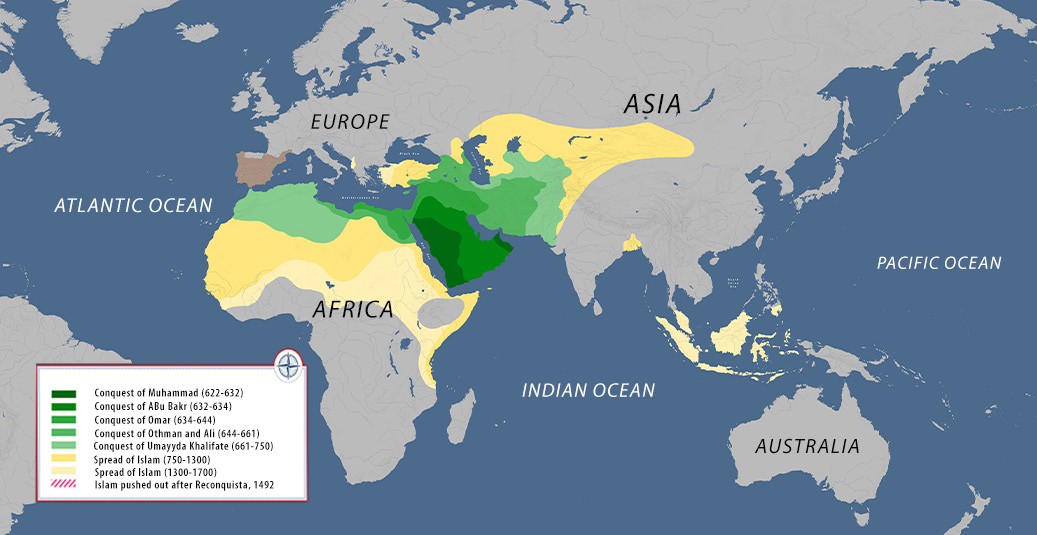
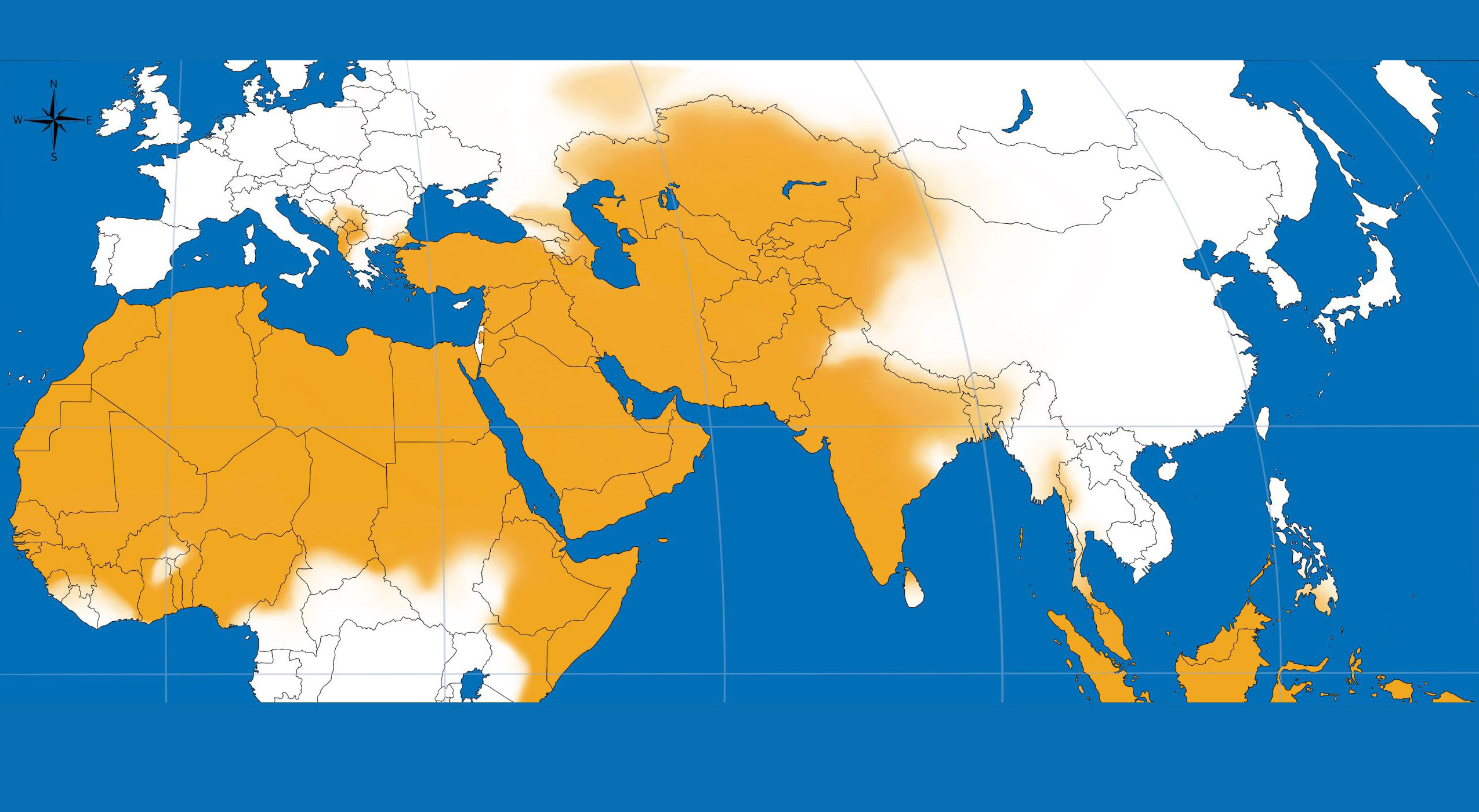
The rapid rise of China has sparked growing interest within the field of international relations (IR) in the tributary system of East Asian history, also known as the Chinese world order (Zhang & Barry, 2012: 4Zhang, Y. J., & Buzan, B. (2012). The Tributary System as an International Society in East Asia. International Political Science Review.). Regarding the vast regions of Asia, Africa, and Europe (especially West Asia, North Africa, South Asia, Central Asia, and southeastern Europe) deeply influenced by Islamic culture, a question remains: whether a distinct model of international relations, different from those rooted in Confucian and Christian cultures, existed in these regions remains a subject of academic debate. This article argues that such a previously under-recognized model does exist and can be termed the Islamic System. This paper holds that the Islamic System is a model of international relations dominated by Islamic powers (states); in this regard, it is more similar to the Tributary System and significantly different from the Treaty System, because the characteristics of the Treaty System are institutionalized arrangements and a balance of power among multiple major powers. Nineteenth-century international peace and stability derived mainly from systemic changes, reflected in major institutionalized arrangements and practices that diverged from the 18th-century norm (Schroeder, 1986: 2). The Islamic System takes Islam as the common ideology within the system. Historically, its communication with the outside world was primarily based on territorial expansion in the early stages and later shifted to trade and missionary activities. The Islamic System existed stably for a long time. This resonates with William Callahan’s viewpoint. It can be posited as an Asian civilization with radically different features from an equally essentialized West (Perdue, 2015: 1002).
The actual existence of the Islamic System is attributable to its possession of the basic elements constituting an international relations model, including: 1) The existence of a dominant power, such as the Arab Empire and the Ottoman Empire. 2) Countries within the system sharing the same or similar cultural backgrounds. 3) Continuous and historically inherited methods of external communication, akin to John K. Fairbank’s evaluation of the Tributary System’s mode: “The Chinese empire consistently sought by coercion or appeasement to subjugate or make friends of its non-Chinese neighbors within and without the Empire” (Taylor, 1969: 838Taylor, R. (1969). FAIRBANK,(ed.)," The Chinese World Order"(Book Review). Journal of Asian Studies, 28(4), 837.). 4) A high degree of stability over a significant period; 300 years might be a suitable time frame, as only through sufficient duration can a model’s characteristics and underlying patterns be clearly identified. Take the Tributary System as an example. Within it, the status of members was not equal, yet it lasted for more than 2,000 years. Historical records indicate that the Tributary System, as a means of conducting foreign relations, originated in the Western Han dynasty [202 BCE–8 CE] (Chen, 2019: 173Chen, S. S. (2019). East Asian Destiny Community. Shandong University Press.). China, as the most powerful and advanced country in the region, played a decisive role in maintaining regional peace and trade, providing public goods to the system, and governing it. In tributary trade, China pursued the principle of “giving more and getting less,” which greatly benefited other members. Simultaneously, China also acted as a balancer of the system (Acharya & Buzan, 2010: 36Acharya, A., & Buzan, B. (2010). Non-Western international relations theory: Perspectives on and beyond Asia. Routledge.).
However, the fact remains that the West acknowledges the existence of the Tributary system but rejects the Islamic system. Multiple factors lead the West to pursue this double standard. First of all, the historical roots of the single political-religious community created by Muhammad have endured to this day, inevitably leading to fierce conflict between Muslims and Christians for more than a decade (Pagden, 2018: 136Pagden, A. (2018). Worlds at War: The 2,500-Year Struggle Between East and West. Random House.). Under this historical sway, Western academic circles widely maintain that the revival of long-slumbering Islamic civilization poses a profound threat to the West. In his book The Islamic Threat: Myth or Reality? J. L. Esposito (1999: 2-3Esposito, J. (1999). The Islamic Threat: Myth or Reality. Social Sciences Academic Press.) pointed out that academic analysts and political commentators across Israel and the United States consistently sound alarms about the grave global threat that Islamic fundamentalism poses to the West.
Among the scholars who hold this view, Samuel Huntington is a particularly representative figure. In his book The Clash of Civilizations and the Remaking of World Order (2010: 188), he emphasized that, as long as Islam is still Islam (it certainly is) and the West is still the West (there are many doubts about this), the fundamental conflict between these two great civilizations and lifestyles will continue to determine their relationship in the future, even as it has been for the past 1400 years. In his paper The Root of Muslim Rage, Bernard Lewis (1990: 48Lewis, B. (1990). The Roots of Muslim Rage. The Atlantic.) pointed out that, like other religions, Islam has experienced times when it has inspired hatred and violence among some of its followers: "Unfortunately, a portion—though by no means all or even most—of the Muslim world is currently undergoing such a phase, and much, though again not all, of this hatred is directed toward us". The hostility of the Islamic world towards the West is mainly due to the West's historical advantage in bilateral relations since the 18th century. In his book The Middle East: 2000 Years of History from the Rise of Christianity to the Present Day, Bernard Lewis (2000: 18Lewis, B. (2000). The Middle East: 2000 Years of History from the Rise of Christianity to the Present Day. China Friendship Publishing Company.) stuck to his point of view. He thought that many people, including Islamic conservatives and radicals, seek to continue and expand this reversal. In their view, the influence of Western civilization represents the greatest disaster in the Middle East’s history, surpassing even the devastating Mongol invasions of the 13th century. However, the efforts to reform in the Islamic world have failed. None of these attempts worked, though, and the humiliation borne out by that reversal process gave way to the perceived hatred on the part of Middle Easterners towards the West (Keles, 2004, p. 249Keles, H. (2004). Reviewed Work(s): What Went Wrong? Western Impact and Middle Eastern Response. Journal of Third World Studies, Vol. 21, No. 2. 248-250.). Many Western scholars hold similar views and will not elaborate on them.
Conversely, Islamic scholars stand in diametrical opposition to the Western perspective. They hold that Islam embodies a great civilization, and its historical grandeur entitles the Islamic world to a prominent position within the global order. Tariq Ramadan, a towering Islamic scholar of our time, in his book The Life Story of Prophet Muhammad and Its Practical Significance (2014: 268), firmly believes that Islam is the last chance for humanity to follow the right path. In this regard, Seyyed Hossein Nasr (2008: 202) explained this in his book Islam. He believed that the significance of Islam to today’s humanity lies in its spiritual and intellectual orientation, inner prayer and meditation methods, and the possibility of following a spiritual path to God.
Compared with the situation in the Western world, the inner and intellectual aspects of Islam have not been attenuated or marginalized. Yusuf al-Qaradawi criticized the West in his Moderate Thinking; he stated that our concerns regarding this culture, much like those of sincere Western critics, stem from the fact that its benefits extend to all people. Yet, its potential harms pose risks to the entire world. (Zhou, 2009: 29) Edward Said insisted in his book Orientalism (1999: 147Said, E. (1999). Orientalism. SDX Joint Publishing Company.) that, if temporary society continues to advance, Europe will experience renewal through its engagement with Asia.
Islamic System in the Mode of International Relations
Models of international relations, such as the Tributary System and the Treaty System, are typically characterized by the presence of a leading country, a shared cultural background, consistent methods of interstate interaction, and long-term structural stability. It is worth noting that among these factors, the dominant country is particularly crucial. This aligns with Charles P. Kindleberger’s viewpoint: Hegemonic stability theory explains international regimes as the creation of a single great power in the world system. Determining whether the Islamic System qualifies as a distinct model of international relations necessitates rigorous historical and structural analysis rather than speculative assertions (Hong, 2013Hong, X. Z. (2013). The preliminary Discuss about Hegemony and Multilateralism Idea in Global Financial Governance. Retrieved April 1, 2025, from).
Leading Powers in the Islamic International Relations Model
Historically, the configuration of international politics has been shaped predominantly by major powers. States such as Cambodia, Djibouti, Bahrain, and San Marino have had limited agency in shaping global political norms (Daddow, 2013: 131Daddow, O. (2013). International Relations Theory: The essentials. Sage.). In contrast, the Tributary System was led by Imperial China. At the same time, the Treaty System emerged from the influence of Western powers, including Britain, France, Germany, Russia, the United States, and Japan.
Similarly, within the Islamic context, great powers such as the Arab Empire (7th–13th centuries) and the Ottoman Empire (1299–1923) played pivotal roles. Both empires were strategically situated at the crossroads of Eastern and Western civilizations, exerting significant influence on trans-regional political and cultural exchanges. On one hand, these major empires (the Arab and Ottoman Empires) created their own unique civilizations. On the other hand, their existence ensured the coexistence and mutual exchange of multiple cultures, connecting numerous cultural centers to form larger cultural regions (Wang, 2006: 73Wang, S. Y. (2006). The Heritage of Ancient Empires and the Characteristics of Middle Eastern History. Journal of Yan’an University.). Neglecting the systemic features of Islamic international relations—as vividly manifested through these empires—fundamentally undermines a comprehensive analytical framework grounded in historical materialism.
Similar Cultural Background
Every model of international relations is inherently linked to a specific cultural background. For example, the Tributary System is deeply rooted in Chinese or Confucian culture, whereas the Treaty System emerges from Western Christian traditions, commercial principles, and the rule of law. This shared cultural foundation enables countries within these systems to foster mutual understanding and adhere to established communication norms. Likewise, the Islamic System has a clearly defined cultural background centered on Islamic principles. Even though the Turks conquered Arab lands and established the Ottoman Empire, the core cultural framework of the system remained distinctly Islamic.
Continuity in Interstate Communication
A continuous and historically inherited mechanism of international communication is essential for recognizing any enduring model of international relations. For example, although the Tributary System underwent evolution over thousands of years, its core remained consistent: the primary means of communication was Tribute Trade. Under the Treaty System, relationships between countries are formalized through treaties. Since the Treaty of Westphalia in 1648, these treaties have served as crucial instruments of communication among Western nations and between the West and other global regions. Today, international law and treaties still form a foundational element of international relations.
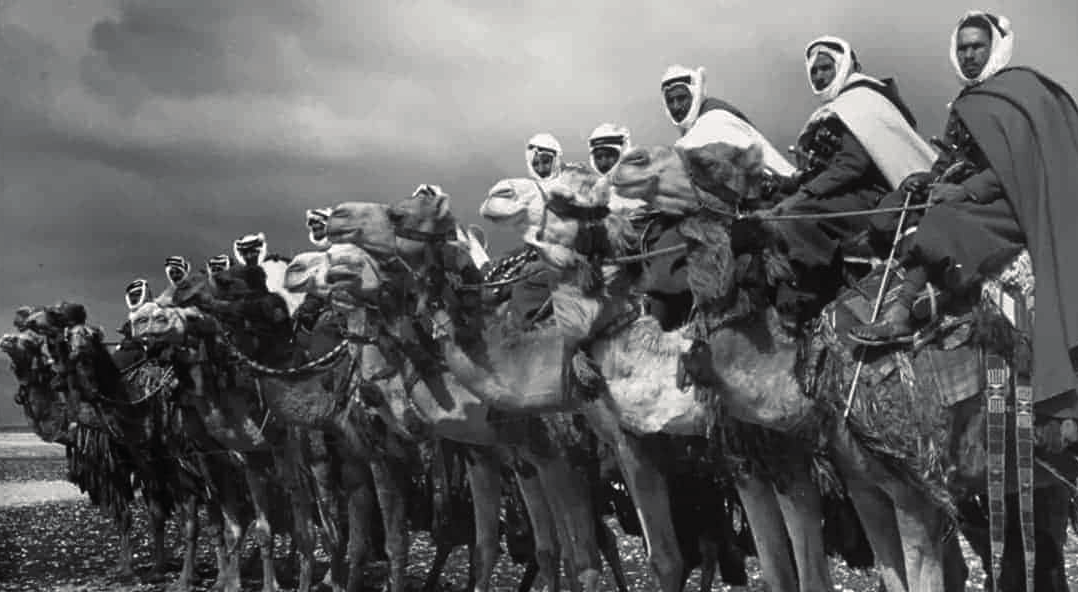
The Islamic System also embodied distinct and continuous methods of external communication—one prominent aspect involved military expansion. The Qur’an contains passages urging believers to defend their faith, with the concept of Jihad constituting a significant part of Islamic doctrine. Consequently, extensive external expansion is observed both before and after the consolidation of the Arab and Ottoman Empires, resulting in the establishment of vast empires that spanned Asia, Africa, and Europe. During the Umayyad dynasty, “Arabs had now become the masters of a huge tranche of the civilized world, from Portugal to the Pamirs and from Aden to Azerbaijan” (Mackintosh-Smith, 2019: 232Mackintosh-Smith, T. (2019). Arabs: A 3,000-Year History of Peoples, Tribes and Empires. Yale University Press.). However, military expansion should not be overemphasized to the exclusion of other factors, as Muhammad is revered as a prophet who laid the foundations for a peaceful social order, though the early expansion of the Islamic state was often military in nature.
The second method was peaceful, conducted primarily through commercial trade, cultural exchange, and missionary activities. Taking West Africa as an example, “the spread of Islam in West Africa is inseparable from the activities of caravans,” and “Muslim businessmen had ideological exchanges with residents through commodity exchange.” Subsequently, Muslim business people often intermarried with local elite and prominent families. Many tribal chiefs converted to Islam due to these marital and kinship ties, thereby influencing tribal members. In this context, after the 9th century, Islam spread very rapidly in the inland areas of West Africa (Ren & Jin, 2006: 348–349Ren, J., & Jin, Y. (2006). History of Islam. Jiangsu People’s Publishing House.).
Long-Term Stability of the International Relations Model
For a model of international relations to be recognized, it requires not only elements such as great powers and communication methods, but also long-term stability. This stability is essential because the creation and effectiveness of a model emerge through a cumulative process. For instance, the Tributary System evolved over more than 2,000 years, while since the Westphalian system was established in 1648, the West has dominated the order of the modern world (Mei Zhaorong, 2020: 11Mei, Z. R. (2020). Promote the reform of the global governance system. Diplomacy Quarterly.).
In the case of the Islamic System, its two most prominent powers—the Arab Empire and the Ottoman Empire—collectively engaged in state-building and system leadership for well over 600 years. Throughout the transition from the Arab Empire to the Ottoman Empire, the cultural foundations and primary means of communication within the system remained relatively stable, demonstrating a longevity that arguably surpasses that of the Western Treaty System to date. The spread of Islam in West Africa, closely related to commercial activities, illustrates this continuity. From the 8th century to the 13th century, Muslim political influence gradually grew stronger, leading to the establishment of the Islamic Mali Empire on the foundations of the Kingdom of Ghana (Jin, 1990: 404-405Jin, Y. J. (1990). History of Islam. China Social Sciences Press.).
It is, therefore, inconsistent to acknowledge a unique communication mode in the West while negating the existence of the Islamic System. In the contemporary context, Muslim-majority countries are dispersed across Asia, Africa, and Europe, with significant Muslim communities in the Americas. These countries hold essential roles on the global stage, often situated in critical strategic regions such as the Middle East, Southeast Asia, and Central Asia. Although they have not unified as a single bloc in the international arena, their collective interests often bind them on various issues, creating an impression of unity (Lahoud & Johns, 2005: 39Lahoud, N., & Johns, A. H. (Eds.). (2005). Islam in world politics. Routledge.). For example, on April 5, 2024, the United Nations Human Rights Council voted to adopt a draft resolution calling on all countries to implement an arms embargo against Israel. Pakistan proposed this draft resolution on behalf of 55 of the 56 United Nations members of the Organization of Islamic Cooperation (OIC).
Characteristics and Evolution of the Islamic System
To identify a distinct model of international relations in world history, it is necessary not only to analyze its constituent elements but also to identify its defining characteristics that differentiate it from established models.
Characteristics of the Islamic System
First, the Islamic System was deeply embedded in Islamic religious and civilizational values. Like the Tributary System and the Treaty System, it possessed distinct structural characteristics. The Tributary System, as the name implies, was centered on the Central Plains Dynasty in China, where neighboring states acknowledged China’s suzerainty and sent regular tribute missions. Its principles of interaction emphasized hierarchical relationships and a hub-and-spoke network, governed by the logic of “giving more and receiving less”; that is, the value of gifts bestowed by the Chinese emperor was greater than the value of tribute received (Fairbank, 2010: 69Fairbank, J. K. (Ed.). (2010). The Chinese World Order: Traditional China’s Foreign Relations. Harvard University Press.).
In contrast, the Treaty System is based on the concept of sovereign states and pursues the principle of “sovereign equality.” Before the collapse of the colonialist system, this principle was primarily pursued among Western states themselves but was not consistently applied in their interactions with other regions. The system is defined by its focus on the nation-state framework rather than a dynastic-state system. International interactions are formalized and regulated through treaties, and participating countries are obligated to adhere to these agreements. Failure to comply with treaty obligations can result in penalties. For example, in 1923, due to Germany’s refusal to pay the reparations stipulated in the Treaty of Versailles, France and Belgium sent troops to occupy the Ruhr region (Gaillard, 2000: 534Gaillard, D. (2000). History of Europ e. Hainan Press.).
Islam is a religion deeply engaged with worldly affairs and political life. Fundamentally, Islam is not only a religion but also a social system and way of life, which inevitably influences all aspects of the Islamic System. During the Abbasid dynasty, numerous independent or semi-independent dynasties arose. In managing their mutual relations, these entities often relied on the legitimizing umbrella of Islam. For instance, the Persians, who played a crucial role in the Abbasids’ rise to power, leveraged the authority of the Caliph to enhance their own influence before ultimately asserting their autonomy. Similarly, the Turkic slave-soldiers (ghilman) used by the Caliphs eventually became power brokers in their own right (Peng, 2002: 57–58Peng, S. Z. (2002). History of Arab countries. Higher Education Press.). Foreign expansion, cultural exchanges, and even commercial trade were imbued with religious significance. Thus, it can be stated that the Islamic System was founded on Islam and was characterized by religious expansion, which could occur through peaceful propagation of the faith or through other means.
Second, the Islamic System often resembled an internal imperial order more than a system of fully independent states. Both the Arab Empire and the Ottoman Empire were established through military expansion, resulting in a heterogeneous socio-political composition across their vast territories. Due to varying levels of development and the widespread use of decentralized feudal or provincial structures, neither empire achieved complete, centralized political unification. For instance, after the 9th century, the Arab Empire witnessed the rise of multiple semi-autonomous dynasties, including the Tahirids, Saffarids, Tulunids, Samanids, and Fatimids. “As we shall see, some of those Arabs at the edges gained in strength, forming the nuclei of their own new systems” (Tim Mackintosh-Smith, 2019: 307Mackintosh-Smith, T. (2019). Arabs: A 3,000-Year History of Peoples, Tribes and Empires. Yale University Press.). The Ottoman Empire was no exception, with weak connections between its nominally subordinate provinces. On the surface, the Ottoman Empire was centralized, but in practice, it was a decentralized entity. The empire lacked both close internal economic unity and national unity. In essence, it was a mixture of different countries and ethnic groups united by conquerors through force (Peng, 2002: 162Peng, S. Z. (2002). History of Arab countries. Higher Education Press.).
In contrast, both the Tributary and Treaty Systems primarily governed the relationships between distinct sovereign polities, even if those relationships were highly asymmetric. For example, the Tributary System structured China’s relations with Korea, Japan, Vietnam, Siam, and Ryukyu. At the same time, the Treaty System defined interactions among major powers, such as Britain, France, Russia, and Germany, as well as with smaller states like Belgium and Luxembourg. Therefore, compared to the Tributary System and the Treaty System, the Islamic System functioned more like a hierarchical, intra-imperial order, where external relations were often direct extensions of internal political dynamics. Although the imperial political structure was formally a centralized authoritarian system, due to extremely uneven social development, the central government, led by the Caliph, often exercised lax control over various regions, especially remote provinces, which fostered strong centrifugal forces within local governments (Xu, 1993: 94Xu, X. G. (1993). Studies on the Political System of the Arab Empire. China Social Sciences Press.).
Third, political legitimacy within the empires was fundamentally rooted in a system of theocracy. Islam is not only a faith but also a social and political system, as well as a way of life with universal guiding significance (Stavrianos, 2005: 222Stavrianos, L. S. (2005). A Global History: From Prehistory to the 21st Century (7th ed.). Prentice Hall.). Whether the Caliph of the Arab Empire or the Sultan of the Ottoman Empire, these rulers combined political authority with religious leadership, positioning themselves as agents or defenders of God’s law (Allah). They reinforced their control over the populace and local political entities through both secular and religious means. The same principle applied to provincial governance. During the Arab Empire, the commanders of the garrisons in various places often served as the first governors of the Caliphate government. They were both local military and administrative leaders, as well as imams of Islam, responsible for organizing religious worship and delivering the Friday sermon (Peng, 2002: 57-58Peng, S. Z. (2002). History of Arab countries. Higher Education Press.). By contrast, Europe, beginning with the Renaissance and Reformation, gradually separated religious authority from state power. Subsequently, Christianity gradually ceded secular power to the nation-state, focusing instead on the spiritual realm, so that the state under the Treaty System was no longer legitimized by the “divine right of kings” but rather by “popular sovereignty.” In East Asia, although Buddhism, Daoism, and Shintoism, among others, had a profound influence on culture, they never gained control over state power, even during the heyday of Buddhist influence.
The Historical Evolution of the Islamic System
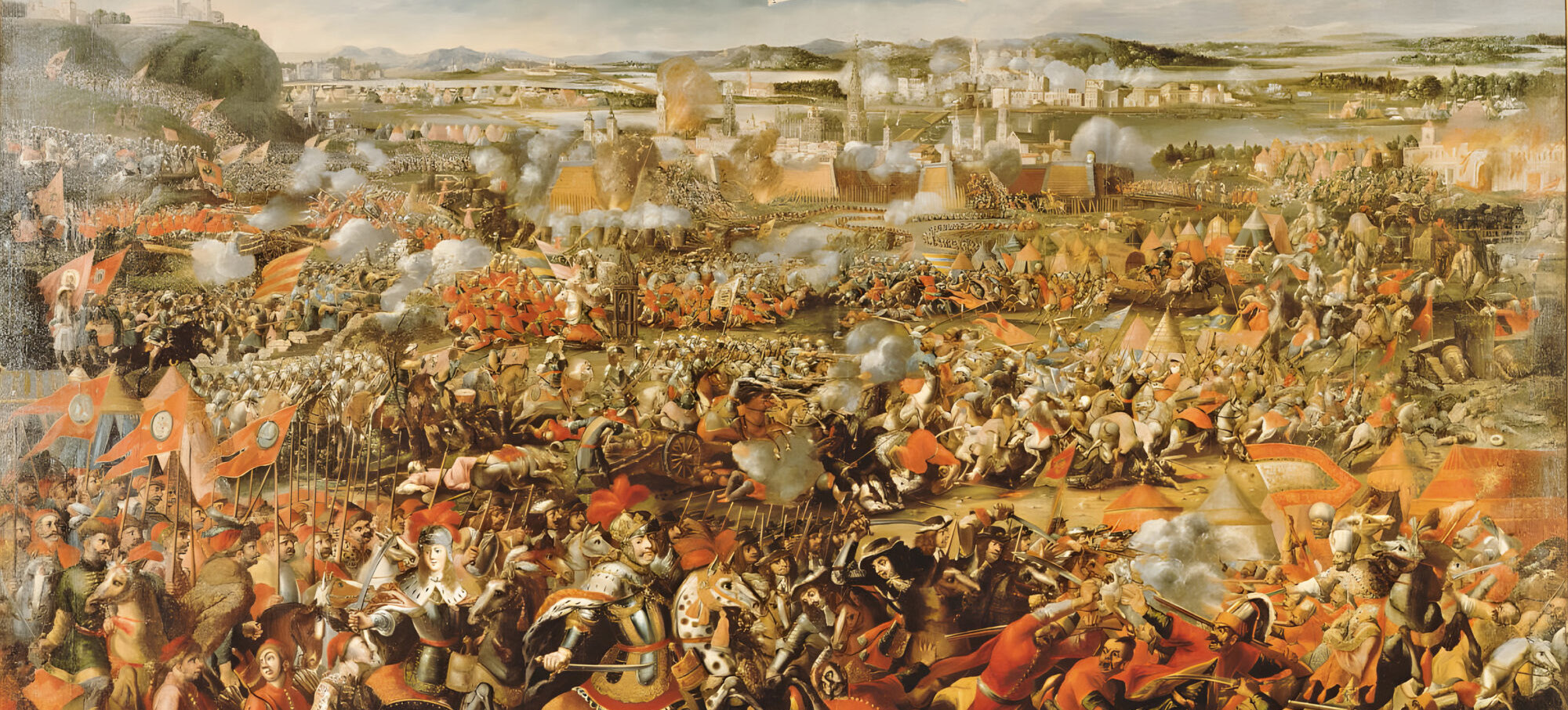
Following its consolidation, the Ottoman Empire launched large-scale expansion campaigns in three geographic directions—Southeastern Europe, Western Asia, and North Africa. In 1529 and again in 1683, Ottoman forces reached the gates of Vienna, instilling widespread fear across Europe. However, the zenith of the empire also marked the onset of its long-term decline. Most historians have portrayed the post-Suleimanic Ottoman world as one of decline, with their evidence principally military. It is frequently argued that the Ottoman navy never fully regained its power or prestige following the defeat at Lepanto in 1571, and that the Ottoman army never reestablished its former strength and ferocity after the prolonged conflicts against the Habsburg and Safavid empires, which concluded the sixteenth century and resulted in the stalemated Peace of Zsitvatorok in 1606 (Goffman, 2002: 192Goffman, D. (2002). The Ottoman Empire and early modern Europe. Cambridge University Press.). The failure of the second Ottoman siege of Vienna in 1683 signaled a decisive reversal of its strategic fortunes in Europe. As recorded in a diary from the besieged city, defenders had reason “to expect to complete a more glorious and vast conquest at this time, to promote the ‘great cause of God’, enhance the prestige of the Austrian royal family and soothe many Christians groaning under the tyranny of pagans,” seeing this as merely the beginning where “Christianity may conquer and unify the world, Islam itself may decline, and countless barbarians will soon rejoin the real ‘church of God’” (Wheatcroft, 2010: 318Wheatcroft, A. (2010). The Enemy at the Gate: Habsburgs, Ottomans, and the Battle for Europe. Basic Books.).
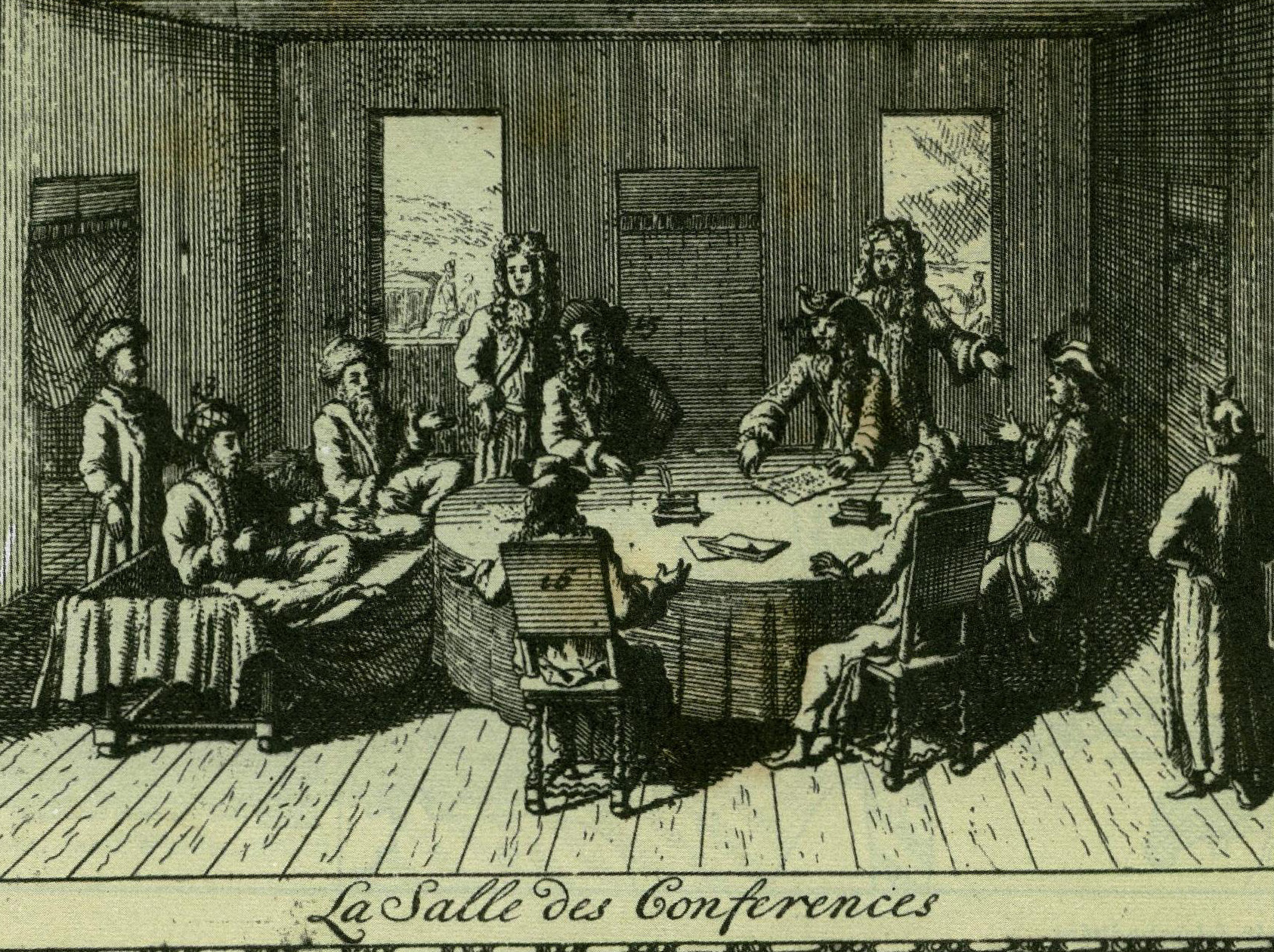
In the wake of Suleiman the Magnificent’s era, Western European society underwent a remarkable transformation through the Renaissance, the Reformation, the Enlightenment, and the Industrial Revolution. In stark contrast, the Ottoman Empire experienced relative stagnation in both social and economic development. One region was rapidly evolving and advancing, while the other remained largely static, resulting in an ever-widening gap between them. This divergence led to a Treaty System that increasingly challenged the Ottoman Empire and disrupted its regional order. The Treaty of Karlowitz (1699) marked a turning point, as it was the first significant instance where the Ottoman Empire ceded territory to a coalition of European powers.
By the 19th century, European colonial ambitions extended aggressively into India, Africa, and the Middle East. Territories historically under Islamic influence fell under European domination, culminating in the partition of the Arab provinces of the Ottoman Empire following World War I (Esposito, 1999: 552Esposito, J. (1999). The Islamic Threat: Myth or Reality. Social Sciences Academic Press.). As a traditional empire, the demise of the Ottoman Empire also marked the effective end of the historical Islamic System.
The first stage involved the direct clash between the Islamic System and the expanding Treaty System. The Treaty of Karlowitz represented a final and decisive turning point in the military balance between the Ottoman Empire and Europe. It was the first agreement signed between the Ottoman Empire and a coalition of Western powers, marking the first formal acknowledgement of an Ottoman defeat (Turnbull, 2003: 91Turnbull, S. R. (2003). The Ottoman Empire, 1326–1699. Osprey Publishing.). The Ottoman Empire transitioned from a period of territorial expansion to one characterized by significant territorial losses. As the strength and ambitions of Western powers grew, the Empire entered a period of sustained retreat and national humiliation. The French invasion of Egypt under Napoleon in 1798 marked the beginning of a new era of direct foreign military interventions. The territorial and economic pressure from Europe further exacerbated deep-seated internal contradictions within the Ottoman Empire, resulting in severe governance issues and a social crisis.
From the outset of the collision with the Treaty System, the Islamic System demonstrated weaknesses, presaging the increasingly difficult situation it would face. The Ottoman Empire, like other early modern empires such as the Holy Roman Empire and Spain, struggled to keep pace with the latest military technology and organizational reforms; when their opponents modernized, they fell behind (Boot, 2011: 71Boot, M. (2011). War Made New: Technology, Warfare, and the Course of History, 1500 to Today. Gotham Books.). After the 19th century, with the intensifying invasion of foreign powers and the rising tide of independence movements in the Balkans, Arabia, and North Africa, the rule of the Ottoman Empire became increasingly precarious. Struggles in Greece, Serbia, and Egypt significantly shook the foundations of the empire. By the end of the 19th century, the rise of Arab nationalism presented the Ottoman Empire with even greater internal challenges. Consequently, by the early 20th century, the Ottoman Empire was in an irreversible decline.
The second stage (18th-19th century) focused on struggles for self-preservation and reform within the Islamic System. In an effort to save the declining Empire, a series of reforms were undertaken over more than 120 years, from 1792 when Selim III initiated the Nizam-i Jedid (New Order) reforms, until 1914, just before it entered into World War I (Wang, 2023: 49Wang, S. Y. (2023). Reform and Decline: The Ottoman Empire in the Long Nineteenth Century. People’s Publishing House.). The promoters of reform included Sultans Selim III, Mahmud II, Abdulmejid I (architect of the Tanzimat), and Abdul Aziz; they initiated a movement aimed at preserving the empire from collapse and ensuring its survival. However, similar to the Self-Strengthening Movement in late Qing China, these measures ultimately failed to fundamentally reverse the empire’s fortunes. On the eve of World War I, the Young Turks government allied the Empire with the Central Powers in an attempt to resist aggression from Britain, France, Italy, and Russia. This decision proved fatal. As a result, the Ottoman Empire was dismantled, and the Islamic System that had lasted for more than a millennium effectively came to an end.
However, throughout modern and contemporary history, relevant states, nations, and political movements have never entirely abandoned efforts to revive or reimagine a unified Islamic political order. Guided by various ideologies, they have attempted to reproduce the glory of the Islamic System in different ways. Over the past two centuries, “revitalizing the Islamic community to effectively meet the challenges of the modern world and the international system ruled by the West has always been an important theme in Muslim thought and writings” (Haddad, Voll, & Esposito, 1991: 4Haddad, Y. Y., Voll, J. O., & Esposito, J. L. (1991). The Contemporary Islamic Revival: A Critical Survey and Bibliography. Greenwood Press.).
Revival of the Islamic System and Democratization of International Relations since the 19th Century
During the 19th century, European powers increasingly coveted Ottoman territories, accelerating their aggression. Simultaneously, independence movements within the empire gained momentum, plunging the “Sick Man of Europe” into a profound crisis of internal rebellion and foreign invasion. In an attempt to save the crumbling empire, Pan-Turkism, which first emerged among Turkic peoples in Russia, found receptive ground among Ottoman elites. Almost concurrently, Arab nationalism began to rise in Greater Syria to establish a unified Arab state. This movement experienced three peaks in the 20th century: after World War I, after World War II, and during the Nasserist era, all sharing the common goal of Arab national rejuvenation. After the 1960s, following the setbacks of secular Arab nationalism and inter-Arab strife, Pan-Islamism and Islamist movements gained prominence, hoping to rebuild international and regional order under the banner of Islam. After the Cold War, Turkey actively revived the ideologies of Pan-Turkism and Neo-Ottomanism. Under the influence of Neo-Ottomanist thought, the establishment of the Cooperation Council of Turkic Speaking States (Turkic Council) in 2009 provided Turkey with an international organization to exert influence in Eurasia. Through this organization, Turkey has pursued practical cooperation with Central Asian countries in various fields, including the economy, trade, transportation, customs, and others, steadily expanding its influence (Yang, 2021: IIYang, Z. F. (2021). Research on Turkey’s Central Asia policy after the Cold War. Northwest University.).
Efforts to Revive the Islamic System since the 19th Century
First, the Ottoman Empire and efforts to preserve the Islamic System. Pan-Turkism emerged in the 1880s, originating among Turkic intellectuals in Crimea and other regions within the Russian Empire, and was subsequently adopted by some scholars and officials within the Ottoman Empire. Subsequently, the ruling Committee of Union and Progress (Young Turks) actively promoted Pan-Turkism and strongly supported various Pan-Turkist activities. During World War I, the Young Turks government joined the Central Powers, hoping, with German assistance, to resist threats from Russia and Britain; the realization of Pan-Turkist ambitions became one of their goals. After Mustafa Kemal (Atatürk) came to power, he pragmatically renounced all foreign imperial ambitions and the ideologies of Ottomanism and Pan-Islamism, deliberately confining Turkish national aspirations to the borders stipulated in the Treaty of Lausanne (Huang, 2002: 187Huang, W. M. (2002). A General History of Middle Eastern Countries: Turkey Volume. Commercial Press.). To consolidate the newly established secular nation-state, Kemal implemented policies restricting the activities of Pan-Turkists. In 1926, he suppressed them on charges of subverting the Republic, which severely impacted the Pan-Turkist movement and ushered in a period of decline. Concurrently, Kemal enforced a strict principle of secularization (laïcité) and carried out a series of radical reforms in the Republic of Turkey (Huang, 2002: 195Huang, W. M. (2002). A General History of Middle Eastern Countries: Turkey Volume. Commercial Press.).
Secondly, the rise of Arab nationalism and the reconstruction of the Islamic System came to the fore. After the 16th century, most Arab regions fell under Ottoman rule, but Arab intellectuals and leaders never completely abandoned the dream of establishing a unified nation-state. The Arab nationalism that emerged in the late 19th century contained a distinct ideal of Arab unity. The outbreak of World War I made Arab nationalists see an opportunity to establish a unified Arab state. Sharif Hussein of Mecca entered into the Mc- Mahon–Hussein Correspondence (1915-1916) with Britain, which promised support for Arab independence after the war. However, the secret Sykes–Picot Agreement (1916) between Britain and France, which partitioned the Ottoman Arab territories, and the Balfour Declaration (1917), which supported a “national home for the Jewish people” in Palestine, rendered the establishment of a unified Arab state impossible. Arabs reacted with profound bitterness upon discovering Britain’s duplicity (Barr, 2018: 3Barr, J. (2018). A Line in the Sand: Britain, France, and the struggle that shaped the Middle Ea st. Social Sciences Academic Press. (Original work published 2011)).
Following World War II, the Arab nationalist movement experienced a resurgence, and calls for Arab unity grew louder. Against this backdrop, in 1944, seven Arab countries signed the Alexandria Protocol in Egypt. In March 1945, the Charter of the League of Arab States came into effect, marking the establishment of the Arab League. This event represented a significant step toward reconstructing a regional system led by Arab nations, echoing aspects of the historical Islamic System. However, it is worth noting that this was an attempt by Arab states to revive an Arab-led regional order, safeguarding Arab interests in the post-war international system, based primarily on Arab nationalism and intergovernmental cooperation, rather than on an explicitly Islamic governance model. Later, with the rise of Nasserism in Egypt and Ba’athist Pan-Arab nationalism in Iraq and Syria, efforts to rebuild a unified Arab entity were practiced across the Middle East. These movements achieved significant successes in resisting imperialist influence and confronting Zionism, including Egypt’s successful nationalization of the Suez Canal in 1956. From 1961 to 1971, Kuwait, Oman, Bahrain, Qatar, the United Arab Emirates, and South Yemen gained independence from British rule in succession. However, due to intensifying inter-Arab rivalries (e.g., between republican and monarchical camps) and the devastating defeat in the 1967 Arab-Israeli War, the project of rebuilding a unified Arab order under the banner of secular nationalism entered a deep trough after the 1970s. With the perceived failure of the secular nationalist state model in delivering both domestic prosperity and foreign policy success, sub-state and supra-state identities, particularly political Islam, began to revive and seek influence (Tibi, 2002: 136Tibi, B. (2002). The Challenge of Fundamentalism: Political Islam and the New World Disorder. University of California Press.). Taking Egypt as an example, by the late 1980s, there were approximately 13,000 officially registered non-governmental organizations providing social services, including those for women and children, social assistance, culture, education, academia, and charity. More than one-third of these were effectively under the influence or control of the Muslim Brotherhood (Ha, 2019: 1704Ha, Q. A. (2019). History of the Middle East. Shanghai Academy of Social Sciences Press.).
Third, Pan-Islamism and the reconstruction of the Islamic System. After World War II, Arab countries were divided into two camps: “radical” and “conservative,” based on their foreign policy orientations and political systems. To counter the Arab nationalism represented by radical states (e.g., Egypt under Nasser, Syria, Yemen, and Iraq; He Zhilong, 2009: 234He, Z. L. (2009). The Relationship between Iran and Israel during the Pahlavi Period. Jinan Journal.), conservative monarchies led by Saudi Arabia and Jordan began actively promoting Pan-Islamism. Pan-Islamism advocates that all Muslim countries and peoples unite, ultimately aiming to establish a unified “Islamic Ummah” or Caliphate implementing Sharia Law. Saudi Arabia, in particular, aspired to become the leader of Islamic countries and the spiritual homeland for Muslims worldwide, leveraging not only its vast oil wealth but also its custody of Islam’s two holiest cities, Mecca and Medina. Mamdouh Sabishi (2015: 155Sabishi, M. (2015). Mecca: The Spiritual Center of Islam. Journal of Islamic Studies.) stated that “Mecca, located in western Saudi Arabia, is the center of the Islamic world”. With Saudi sponsorship, the Muslim World League (MWL) was founded in 1962, and the Organization of the Islamic Conference (OIC, now the Organization of Islamic Cooperation) in 1970. The establishment of these organizations represented a significant institutional manifestation of unity within the Islamic world. Together, they play a key role in enabling Islamic countries to articulate shared positions on global issues and safeguard their interests. Furthermore, they constitute an essential component of the post-World War II trend toward world multipolarization, playing a role in challenging the existing Western-dominated international political and economic order and positioning the Islamic world as a distinct pole. The Islamic world’s ability to be considered one pole in a multipolar pattern stems mainly from its broadly shared stance on issues like Palestine, which often manifests as an anti-Western hegemonic tendency, fostering a sense of collective identity. Some geopolitical theorists, such as Russia’s Alexander Dugin, have proposed a multipolar world order comprising several major civilizations, including a unified Islamic world as one of the seven proposed poles alongside the West, China, Russia, India, Africa, and Latin America (Li, 2023Li, J. (2023). The global order will be rebuilt, and Putin’s think tank has predicted that Chinese civilization will occupy an important pole. Retrieved March 26, 2025, from).
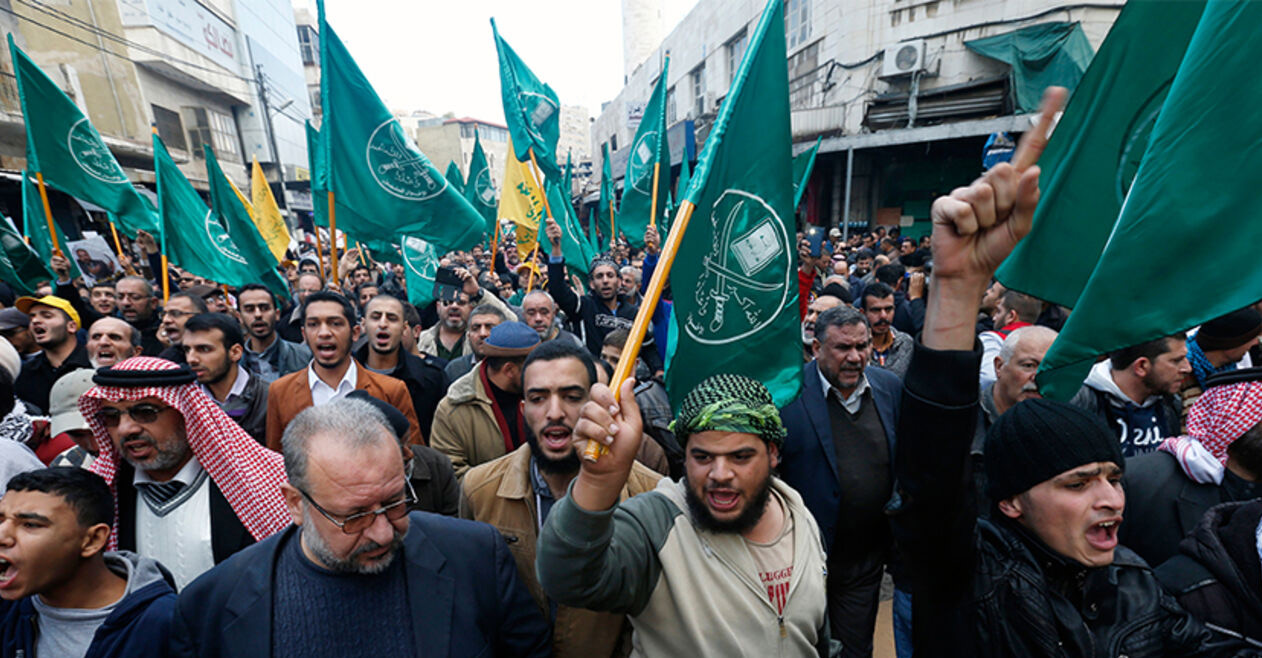
Fourth, the rise of Islamic Revivalism and the reconstruction of the Islamic System. As a concept within Islam, revival (Tajdid) is not a new concept; it is an inherent tradition in Islamic history, reflecting the belief that the Muslim community must periodically return to the sources of the faith for renewal. In the Islamic philosophy of history, human history is often seen as a process of constantly reviving ideal traditions (Wang, 2015: 53Wang, Y. J. (2015). Islamic Renaissance: Whose Renaissance? What kind of Revival?. Cultural Review.). After the 1970s, triggered by the trauma of the 1967 Arab defeat, the failure of the 1973 war to achieve complete political objectives, and mounting domestic problems in many Muslim countries (e.g., wealth inequality, corruption, unemployment), widespread disillusionment with secular nationalist regimes grew. Many placed their hopes in a return to the Qur’an and the early Islamic model, aspiring to establish a more just and egalitarian society, thus forming the social foundation for the Islamic revival movement. The actions taken in pursuit of this goal can also be seen, in a broad sense, as efforts to reconstruct a modern Islamic system. Contemporary Islamist movements can be categorized into three main types: The first consists of state-led Islamization policies, represented by Iran after the 1979 Revolution and Sudan under al-Bashir. The second comprises opposition movements operating within predominantly Muslim countries, such as the Muslim Brotherhood in Egypt and the Islamic Salvation Front (FIS) in Algeria. These groups, although not holding state power, exert significant social and political influence, often through anti-government activism and the provision of social services. The third category is transnational extremist/jihadist movements represented by Al-Qaeda and its affiliates, who advocate violent “Jihad” to achieve goals such as expelling Western influence from the Muslim world, “purifying” Islam, and re-establishing a global Caliphate. The militant interpretation of “Jihad,” somewhat marginal after the classical period, was significantly revived during the anti-Soviet war in Afghanistan (1979-1989), where it received encouragement and support from the United States and its allies, contributing to the resurgence of a transnational, militant Pan-Islamism (Noorani, 2002: 12Noorani, A. G. A. M. (2002). Islam and Jihad: Prejudice versus Reality. Zed Books.). Despite their significant ideological and methodological differences, these diverse movements have, in their respective ways, propelled the development of the contemporary Islamic revival and the process of the Islamic world reasserting itself as a collective actor on the global stage.
Fifth, the rise of Pan-Turkism and Neo-Ottomanism in the new situation. The end of the Cold War and the independence of five predominantly Turkic Central Asian republics provided a golden opportunity for the resurgence of Pan-Turkist ideas. The nationalist Pan-Turkist sentiments suppressed during the Kemalist era were unleashed, and Turkey was encouraged to develop relations with these new states actively. Initially, the ambition behind promoting Turkic integration was grandiose, envisioning a vast Turkic world “from the Adriatic Sea to the Great Wall of China.” However, the limitations of Turkey’s own power and the realities of great power politics (e.g., Russian influence) soon tempered this ideal into more pragmatic cooperation focusing on economics, culture, and political dialogue. In 2002, the Justice and Development Party (AKP), with its roots in political Islam, came to power. The Erdogan government, facing repeated setbacks in its bid for EU membership, began a strategic “pivot to the East” and implemented what some termed a “New Oriental Policy.” Neo-Ottomanism, to a certain extent, represented not merely a nostalgic return to the Ottoman past but also a significant ideological shift away from the rigid secularism of Kemalism, altering Turkey’s trajectory for achieving major power status. The AKP government aimed to rebuild Turkey’s influence in the Middle East and restore a level of regional leadership reminiscent of the Ottoman era by deepening its engagement in Middle Eastern affairs. After the Cold War, Pan-Turkism evolved into a foreign policy tool for Turkey to build a shared Turkic cultural identity. At the same time, Neo-Ottomanism emerged as a geopolitical concept, leveraging Ottoman historical and cultural ties to shape regional dynamics in former Ottoman territories. Although distinct, these two ideologies jointly served Turkey’s post-Cold War strategic goal of becoming the geopolitical core of a “Turkic-Islamic-Eurasian” sphere, an ambition articulated by former Foreign Minister Ahmet Davutoğlu in his book Strategic Depth. Turkey’s unique geographical position, straddling Europe, the Caucasus, and the Middle East—all areas of significant strategic importance—provides the foundational rationale for this ambition (Babalı, 2013Babalı, T. (2013). Turkey in the World. Retrieved April 1, 2025, from).
Whether Pan-Turkism, Arab nationalism, Pan-Islamism, Islamist revivalism, or Neo-Ottomanism, all can be regarded as diverse efforts to rebuild or re-imagine a cohesive Islamic or Muslim-led international system. In a sense, these contemporary revival movements are a specific response to the unique international environment of the late 20th and early 21st centuries, which must be understood within the context of global conflicts and challenges. Simultaneously, it should be noted that they are also part of the periodic historical revival inherent to Muslim societies over the centuries; the contemporary Islamic resurgence cannot be isolated from the historical heritage of Islam (Haddad, Voll, & Esposito, 1991: 23Haddad, Y. Y., Voll, J. O., & Esposito, J. L. (1991). The Contemporary Islamic Revival: A Critical Survey and Bibliography. Greenwood Press.). Although Islamic countries and movements have never abandoned these efforts, historically, since the 19th century, most large-scale projects for political unification have failed, hindered by multiple internal and external factors.
The Internal Logic of the Revival of the Islamic System and the Democratization of International Relations
Although modern efforts to restore a unified Islamic System have largely ended in failure, and no institutional system dominated by a single Islamic power has been re-established, this does not imply that the Islamic world lacks influence on the process of international relations. In fact, the Islamic world, comprising 57 OIC member states and entities such as Kosovo and Western Sahara, exerts significant influence on the contemporary international balance. Because the ‘end of the Cold War shows that profound structural changes have taken place in the international system’ (Daugherty & Pfaltzgraff, 2002: 135Daugherty, J. E., & Pfaltzgraff, R. L., Jr. (2002). Contending Theories of International Relations: A Comprehensive Survey (5th ed.). Longman.), this has provided political space for the Islamic world to expand its collective influence. More specifically, the democratization of international relations primarily refers to achieving a greater balance in the power dynamics among prominent global actors through the rise of regional powers or groups of states, without necessarily subverting the entire existing order, thereby ensuring that the interests of a broader range of countries are better reflected in global governance. The influence of the Islamic world on this democratization process is mainly exercised through the following channels:
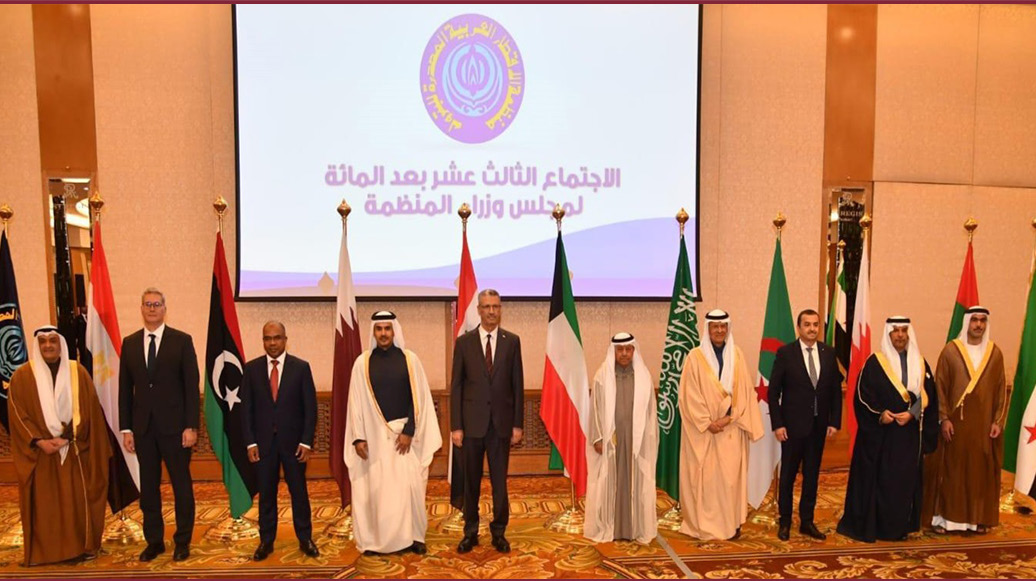
Exerting influence in international organizations such as the United Nations or using international organizations composed of Islamic countries to exert influence on major international issues. Take the Organization of Arab Petroleum Exporting Countries (OAPEC) as an example. In October 1973, following the outbreak of the fourth Arab-Israeli War (Yom Kippur War), OAPEC decided to progressively reduce oil production by 5% per month and impose an embargo on countries perceived as supporting Israel, notably the United States and the Netherlands. It also unilaterally raised the posted price of crude oil by 70%. The deployment of the “oil weapon” by OAPEC directly contributed to the 1973-1975 economic crisis in Western countries, exerting a profound impact on the global economy and the international political structure. Since then, the Western world has begun to reevaluate the power of the Arab/Islamic world, while the Arab oil-producing states, having significantly benefited from the increased oil revenues, have recognized the strategic potency of oil. Subsequently, these states have frequently employed oil as a strategic tool to protect their interests or enhance their international standing. The Organization of Islamic Cooperation (OIC) is another important platform for the Islamic world to safeguard the interests of its member countries and promote a more multipolar international order through collective diplomacy. The OIC possesses significant religious, historical, and cultural advantages in addressing issues related to the Muslim world and can play a unique role in conflict prevention and mediation (Fu, 2025Fu, C. (2025). Statement by Ambassador Fu Cong, Permanent Representative of China to the United Nations, at the open meeting of the Security Council on cooperation between the United Nations and the Organization of Islamic Cooperation. Ministry of Foreign Affairs of the People’s Republic of China. Retrieved April 5, 2025, from). On May 18, 2018, after a special meeting in Istanbul, the OIC reiterated its refusal to accept the United States’ recognition of Jerusalem as Israel’s capital, condemning the relocation of the U.S. Embassy as a ‘provocative and hostile move against Muslim peoples.’ On June 1, 2019, and again in several meetings throughout 2025, the OIC issued statements condemning U.S. policy on Jerusalem and Israeli military actions, discussing substantive countermeasures. These collective diplomatic efforts further isolated the United States and Israel in international forums and enhanced the perceived role of the Islamic world as a cohesive actor.
Islamic powers such as Saudi Arabia, Turkey, and Iran have become players in a multipolar world by virtue of their geographical location, resources, and cultural influence. Taking Turkey as an example, it serves as a crucial land and maritime transportation hub connecting Europe, the Middle East, and Central Asia. Since the early 21st century, Turkey has striven to re-establish its status as a regional power and plays a significant role in the politics of Europe, the Middle East, the Caucasus, and Central Asia. Its strategic geography forms a crucial foundation for its engagement in great-power politics. On the other hand, Saudi Arabia increasingly assumes an essential role in the international community, leveraging its status as the world’s largest oil exporter (giving it influence over global oil prices) and its religious authority as the custodian of Mecca and Medina, which positions it as a de facto “Leader of the Islamic world.” In 2025, Saudi Crown Prince Mohammed bin Salman publicly called for Islamic unity against Israeli actions, mobilizing 21 countries to jointly condemn Israel, highlighting Saudi Arabia’s considerable religious appeal. These factors make Saudi Arabia a significant shaper and potential balancing force in the evolving international pattern.
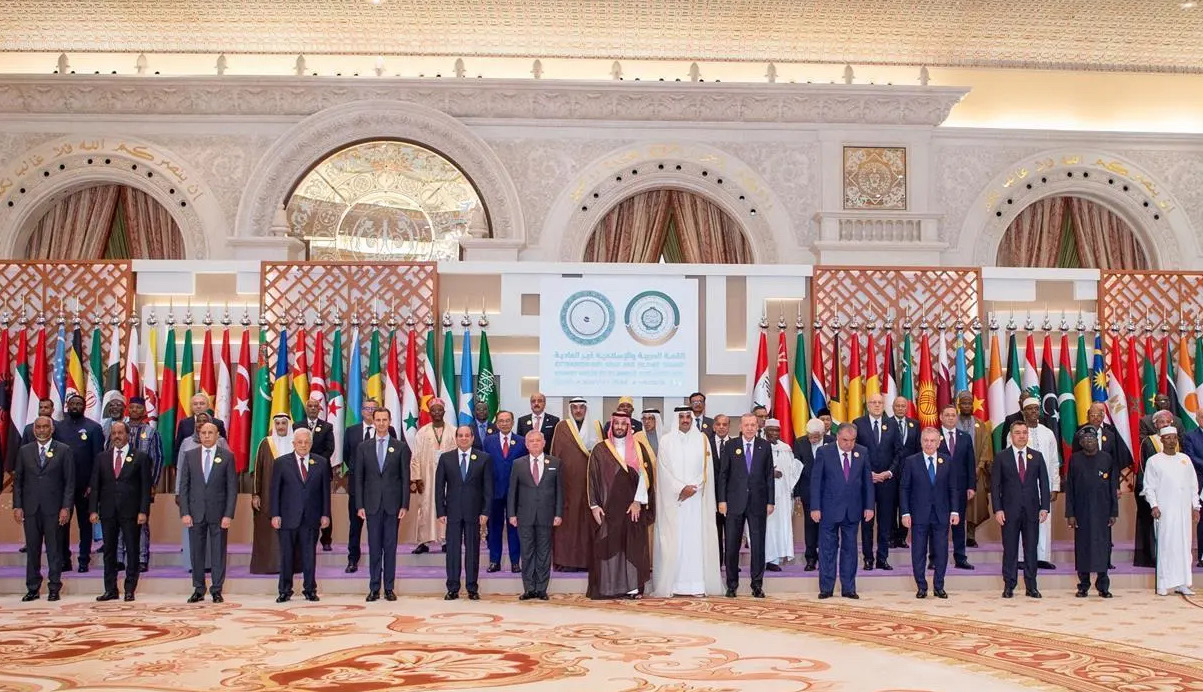
Using the Palestinian issue as a unifying cause to foster solidarity within the Islamic world. The Palestinian cause remains the core of the Middle East conflict and the most potent mobilizing issue across the Islamic world. Since the escalation of the Palestinian-Israeli conflict in October 2023, the Islamic world has demonstrated a degree of unity often absent in recent decades. On November 11, 2023, at Saudi Arabia’s initiative, a joint extraordinary summit of the Arab League and the OIC was held in Riyadh. Saudi Arabia and other Muslim leaders called for an immediate end to military operations in Gaza, rejecting Israel’s justification of its actions as ‘self-defense.’ Some Chinese observers viewed this development as a “historic moment when the Arab-Islamic world is moving toward unity” (Global Times, 2023Global Times. (2023). Arab-Islamic world demands immediate end to Gaza attacks; mounting global pressure on Israel for cease-fire. Retrieved March 20, 2025, from). On September 18, 2025, Turkish President Erdogan, meeting with Palestinian President Mahmoud Abbas, demanded that Israel immediately halt its military operations to end the humanitarian crisis in Gaza, stressing that the “Islamic world holds a unified position in opposing Israel.” This indicates a concerted effort within the Islamic world to overcome its traditionally fragmented stance on Palestine. By forging strategic consensus, implementing policy coordination, and offering tangible support, it is projecting a more unified voice to the international community, thereby amplifying the collective influence of the Islamic world.
Obstacles to the Revival of the Islamic System
The efforts to revive a cohesive Islamic system of international cooperation have encountered numerous internal and external obstacles. These structural and geopolitical barriers have significantly hindered the emergence of a unified Islamic political order in the contemporary world.
Geopolitical Constraints and Western Dominance
One of the most significant external challenges is the hegemonic structure of the international system, particularly as shaped by the leadership of the United States and its Western allies. For years, the United States, as the predominant superpower, derived significant benefits from and sought to maintain the existing global economic and political structure (Engdahl, 2009: 2Engdahl, W. (2009). Full Spectrum Dominance: Totalitarian Democracy in the New World Order. Progressive Press.). The West, led by the United States, has been reluctant to share leadership of world affairs substantively with other actors. In fact, since the 1990s, U.S. policy elites have pursued “globalization” in a manner that often reinforced American primacy in the 21st-century global system. This trend has continued in various forms (Gowan, 2003: 1Gowan, P. (2003). The global gamble: Washington’s Faustian bid for world dominance. Verso.). The emergence of a powerful, cohesive Islamic System would challenge Western political, economic, and strategic interests in a region of vital importance.
On one hand, the West has provided steadfast support for Israel in its conflicts with Arab neighbors. The Arab-Israeli conflict has sparked several major wars (1948-1949, 1956, 1967, 1969-1970, 1973, 1982) and endless low-intensity military conflicts (Buzan & Waever, 2009: 181Buzan, B., & Waever, O. (2009). Regions and powers: The structure of international securit y. Shanghai People’s Publishing House. (Original work published 2003)). On the other hand, Western powers have often pursued policies that exacerbated divisions among Muslim nations, fostering internal strife that compelled them to rely on Western security guarantees or mediation, thereby preventing a unified challenge to Western dominance. This state of affairs has generally served the broad interests of Western powers. Consequently, while maintaining a strategic alliance with Israel, Western countries have often adopted a differentiated policy towards Arab-Islamic nations, supporting pro-Western governments while isolating or pressuring those opposed to Western policies. This has artificially deepened contradictions both between Arabs and Israelis and within the Arab-Islamic community itself.
This posture of the United States and its allies has, in turn, generated significant conflict with large segments of the Islamic world. When conventional political and diplomatic means fail to address their grievances, some extremist factions resort to violent confrontation. It is widely understood that one key facet of international conflict in the post-Cold War era has been the struggle between militant Islamist movements, originating primarily in the Middle East, and the U.S.-led international security architecture.
In summary, U.S. and Western opposition to the rise of any independent, powerful Islamic bloc is not only a primary external obstacle to Islamic political revival. Still, it is also cited as a significant driver of the global terrorist activities witnessed in recent decades. As a result of these external pressures and internal divisions, the Islamic world has often been unable to effectively articulate its collective aspirations on the global stage or emerge as a coherent and decisive political force (Lahoud & Johns, 2005: 36Lahoud, N., & Johns, A. H. (Eds.). (2005). Islam in world politics. Routledge.).
Absence of a Regional Hegemon and Internal Fragmentation
The lack of an uncontested regional leader and the existence of deep-seated internal contradictions hinder the establishment of a cohesive Islamic System. Although several significant regional powers exist within the Arab-Islamic world—including Egypt, Türkiye, Iran, Indonesia, Pakistan, and Saudi Arabia—none currently possesses the capacity or acceptance to lead such a system for various reasons.
First, a leading power must exert dominant influence within the region, with other states being willing, whether voluntarily or by coercion, to accept its leadership. Second, a leading power must be able to provide “public goods” such as security guarantees, economic markets, and diplomatic backing, allowing smaller states within the system to “free-ride,” while simultaneously bearing the corresponding costs and responsibilities of leadership. The U.S.-led world order historically relied on a degree of hegemonic provision of global public goods like security and an open trading system (Amitav Acharya, 2016: 5Acharya, A. (2016). T he End of the American World Order. Polity Press.). However, none of the major Islamic powers fully possesses all these attributes, creating a critical vacuum for the formation of a new Islamic System. Within the Arab world, Egypt has historically been the natural leader and remains a core actor in the Arab-Israeli conflict, exerting significant cultural influence in the Gulf region (Buzan & Waever, 2009: 181Buzan, B., & Waever, O. (2009). Regions and powers: The structure of international securit y. Shanghai People’s Publishing House. (Original work published 2003)). Egypt also holds a central place in the history of modern Islamism as the birthplace, in 1928, of the Muslim Brotherhood, the prototype of contemporary Islamist movements (Kaplan, 2021: 1Kaplan, J. (2021). The State of Islamism 2021: Egypt. American Foreign Policy Council, Issue 2, 1-2.). However, due to constant foreign intervention and intra-regional rivalries, the Arab-Islamic world is plagued by internal conflicts that consume vast resources and energy. States often seek to balance regional competitors by aligning with external powers, making a unified foreign policy impossible. Furthermore, historical schisms—such as ethnic (e.g., Arab-Persian), sectarian (Sunni-Shi’a), territorial disputes, and competition over resources—constrain cooperation at a deeper level, preventing the Arab-Islamic world from becoming a highly cohesive bloc. Third, there is a lack of a decisive historical opportunity. The emergence of a new international order requires not only a dominant state with sufficient power but also a conducive historical juncture. While the end of the bipolar Cold War order appeared to create an opening for a new international political and economic framework, it did not fundamentally overthrow the existing Western-centric system. The West maintains a comprehensive advantage in financial, military, and institutional power, making it impossible for any single Islamic country, or even a loose coalition, to challenge it effectively. Consequently, the post-Cold War era did not provide a genuinely permissive environment for the revival of a political Islamic System, and its successful reconstruction remains a long-term prospect. One important reason is that the West, which still dominates the international order, views the global religious revival, particularly in its political Islamic form, with deep apprehension (Liu, 2014: 20Liu, Z. M. (2014). Islamic view of the international system: Traditional ideas, contemporary manifestations, and realistic dilemma. World Economics and Politics.).
Problems in the Study of the Islamic System and the Significance of Democratization of International Relations
The Tributary System and the Treaty System are two major, well-recognized models of international relations, located at the eastern and western ends of the Eurasian continent, respectively. The Tributary System has its origins in the Western Zhou Dynasty (Ru Ying, 2009: 51Ru, Y. (2009). The origin and evolution of the Tributary System. J ournal of Historical Science.), while the Treaty System is conventionally dated from the Peace of Westphalia in 1648. A crucial question arises concerning the south-central region of Eurasia, specifically the vast area influenced by Islamic civilization since the 7th century: Does a distinct model of international relations exist, one that differs from both the Tributary and Treaty Systems? Henry Kissinger believes that “in most areas between Europe and China, the Islamic view of world order is dominant” (Kissinger, 2015: XIIKissinger, H. A. (2015). World order. Penguin Press.). Professor Liu Debin, Director of the Institute of International Relations at Jilin University, also affirms the existence of the Islamic System. He pointed out that in the medieval period, the Muslim world constituted a theocratic state system, composed of all Muslim polities that professed Islam (Liu, 2003: 24Liu, D. B. (2003). Introduction to International Relations. Jilin University Press.). Tian Wenlin holds a similar view, describing the historical Islamic world as an imperial system characterized by multi-ethnic coexistence (Tian, 2019: 89Tian, W. L. (2019). The Islamic World Order: History and Reality. Social Sciences Academic Press.). In fact, the conquests carried out by Muslim armies in the 7th and 8th centuries established an overarching cultural and political framework across the lands they conquered (Fernandez-Armesto, 2000: 214).
Factors Hindering the Study of the Islamic System
The very existence of the Islamic System has long been a subject of debate. For an extended period, it has been intentionally or unintentionally overlooked by mainstream IR scholars, a phenomenon stemming from several reasons: First of all, the dominant position of the Western world in international architecture. Since the Age of Exploration, Western civilization has gained structural advantages over other civilizations. The dissolution of the Soviet Union on December 26, 1991, created a unipolar moment where the United States stood as the sole superpower, a force unmatched by any other country (Krauthammer, 2010: 4). Therefore, despite the trend toward multipolarization in world politics after the Cold War, the United States remains the most powerful pole and has continuously worked to consolidate its leading position within this evolving order. A recurring theme in international politics is for great powers to seek to maximize their share of global power (Mearsheimer, 2008: 157Mearsheimer, J. J. (2008). The tragedy of great power politics. W. W. Norton & Company.). This implies that the United States will not voluntarily relinquish global leadership without a fundamental shift in the power balance and will simultaneously act to suppress potential challengers, whether the rise of China or the resurgence of a unified Islamic power. In reality, “with the rise of China and the increasing importance of the Middle East, transatlantic relations will no longer be the main axis of American foreign relations” (Jacques, 2010: 272Jacques, M. (2010). When China Rules the World: The End of the Western World and the Birth of a New Global Order. Penguin Press.). To contain potential challengers in the Middle East, the United States deeply intervened in the region after the Cold War, employing a strategy of “divide and rule” that exacerbated tensions among Middle Eastern states. This included exploiting Sunni-Shi’a sectarian divisions, fueling the Arab-Israeli conflict, and intensifying rivalries within the Arab camp. Consequently, the Middle East has become a region of persistent instability and conflict. Middle Eastern states mired in internal friction find it difficult to coalesce into a threat to U.S. interests. A potential U.S.-Israeli military strike against Iran in 2025 could be seen as an attempt to eliminate the last major regional challenger to American primacy in the Middle East. The political failure of the Middle Eastern powers most likely to lead a revival of the Islamic System would marginalize efforts in this direction by removing its primary potential actors.
Secondly, the deep-seated fear of Islam in Western society. Regarding the historical relationship between Islam and Christianity, Samuel Huntington (2009) commented that the 20th-century conflict between liberal democracy and Marxism-Leninism was “only a fleeting and superficial historical phenomenon compared to the continuing and deeply conflictual relation between Islam and Christianity.” While periods of peaceful coexistence have occurred, “more often the relation has been one of intense rivalry and of a variety of hot wars” (Huntington, 2009: 186). The historical memory underpinning Western anxiety can be traced back to the Battle of Poitiers/Tours in 732 AD.
The notion, popularized by Edward Gibbon, that had Charles Martel’s Franks lost, “the Koran would now be taught in the schools of Oxford,” has profoundly shaped the Western perception of Islam as an existential threat. In the Western imagination, Islam is inherently expansionist; as H.G. Wells wrote, “Muhammad … became the founder of fighting faith” (Hebert George Wells, 2001: 649Wells, H. G. (2001). A Short History of the World. Penguin Books. (Original work published in 1922)). Robert the Monk, chronicling the First Crusade, recorded Pope Urban II’s speech at Clermont, portraying Muslims as “a race utterly alienated from God” who had “invaded the land of those Christians and depopulated them by pillage and fire” (Housley, 1999Housley (1999). The source article does not provide a separate full bibliographic entry for this citation.). In the context of globalization, the confrontation between extremist groups in the Middle East and the United States evokes this deep-seated historical memory in the Western psyche, leading some to subconsciously view this struggle as a continuation of the medieval wars between the Arab/Ottoman Empires and Christendom. Therefore, the West remains deeply apprehensive about any significant resurgence of a politically unified Islamic world.
Finally, the dominance of the United States in global social science research and knowledge production. In the 21st century, American social science boasts over 1,500 world-class research centers, covering almost all disciplines. The research output of U.S. institutions accounts for a dominant share of published work in Western social sciences (Yang, 2014: 58Yang, Y. X. (2014). Characteristics and Development Trends of Current American Social Science Research. China Higher Education.). Institutions like the Inter-university Consortium for Political and Social Research (ICPSR) have a wide global influence. For a long time, Western discourses and narratives, based on Western concepts, experiences, theories, and logic, have been widely disseminated as universal knowledge and often used to explain, describe, and even predict the non-Western world, resulting in numerous misunderstandings (Sun, 2023Sun, J. S. (2023). Overcoming Western-centric narratives in social sciences. Guangming Daily.). “Western-centrism” is an extension of “Euro-centrism,” placing the West at the center of world history and the international system. The narrative structures of disciplines like International Relations and History are particularly colored by this perspective. Taking IR as an example, it emerged as an independent discipline in the West after World War I. Its foundational theoretical paradigms—Realism, Liberalism, Marxism, and Constructivism—and their core concerns (e.g., anarchy, power, national interest) are largely derived from Western historical experience. The Islamic System, as an object of study and a potential non-Western theoretical framework, is inherently part of “Third World” politics. This theoretical subject matter, by its nature, stands in contrast to traditional Western IR theory (and political development theory) and necessarily constitutes a non-Western or even anti-Western theoretical perspective (Hoshino, 1999: 10Hoshino, A. (1999). Changing world politics. Xinhua Publishing.).
Islamic System and the Significance of Democratization of International Relations
Times have changed, and super-empires like those of the Arabs and Ottomans are no longer feasible in the modern world. Emphasizing the importance of the Islamic System aims to provide a new paradigm and analytical framework for understanding international politics. The reality of contemporary international politics has undergone a fundamental shift away from formerly dominant structures, requiring the conceptual expansion of the international system itself under new conditions—transforming from a state-centric, great-power-dominated system toward a polycentric or even global-centric system. However, the problem lies in the lack of a theoretical system fully capable of conceptualizing and guiding this transformation (Hoshino, 1999: 1Hoshino, A. (1999). Changing world politics. Xinhua Publishing.).
First, emphasizing the importance of the Islamic System helps to understand the trend of multipolarity in the world more comprehensively. Since the 1970s, with the relative rise and fall of national power, the trend toward multipolarity began to emerge, and the end of the Cold War’s bipolar structure provided a significant impetus. Many scholars argue that the perceived overextension of U.S. power, coupled with the rising economic and military capabilities of other major actors, has inevitably altered the global distribution of power (Kegley, 2010: 93Kegley, C. W. Jr. (2010). World politics: Trend and transformation (12th ed.). Wadsworth Cengage Learning.). Not only have established powers like China, Russia, the EU, and Japan articulated their visions for a multipolar world, but also regional powers such as India, Brazil, Australia, South Africa, and Egypt aspire to play larger roles on the international stage. Today, there are nearly 60 Muslim-majority countries, which constitute a significant force in international relations due to their strategic locations and vast resources. However, because the West often monopolizes discourse in international affairs, and internal challenges within Islamic countries limit their diplomatic effectiveness, the distinct perspective of the Islamic world on global multipolarity is often muted. Without the active and coherent participation of the Islamic world, any representation of global multipolarity would be incomplete and questionable.
Second, it helps to understand the foreign policies of Islamic countries. In fact, as early as the 14th century, the renowned scholar Ibn Khaldun developed concepts in his Muqaddimah (Introduction to History) that can be interpreted as an early formulation of an “Islamic world system.” The Muqaddimah not only describes the rise of a distinct Islamic world order between 1000-1500 but is also considered a pioneering work of civilizational analysis. In it, Ibn Khaldun brilliantly assesses the uniqueness of Islamic history and proposes a new science of society and civilization (Ilm al-Umran). His arguments essentially refute the view of an absolute East-West dichotomy, which often casts Islam as a perennial enemy of Western civilization or an unassimilable outsider (Katzenstein, 2012: 181Katzenstein, P. J. (Ed.). (2012). Civilizations in world politics: Plural and pluralist perspectives. Routledge.). Historical tradition and strategic culture are inseparable; the influence of historical-cultural legacy can unconsciously shape ideas and behaviors. It is impossible for any country’s foreign policy to completely escape the inertia of its traditions. A nation’s glorious history often inspires subsequent generations to seek to recapture past greatness. In this light, ideologies as diverse as Arab nationalism, Pan-Turkism, Pan-Islamism, Neo-Ottomanism, and even Islamist fundamentalism can be seen, in part, as different manifestations of this desire to restore a position of dignity and influence in the world, ultimately converging toward a similar goal of civilizational revival.
Third, it helps to understand the Islamic revival movement and the enduring appeal of Pan-Islamism. Since the 1960s, the Islamic revival has gained momentum. One important reason is the profound nostalgia among many Muslims for the heyday of the Islamic System and a deep sense of humiliation stemming from repeated defeats, particularly in the Arab-Israeli wars. Since the Third Middle East War (1967), the appeal of secular Arab nationalism and Pan-Arabism declined sharply, “resulting in the space left by them being filled by several unstable ideological mixtures, including national loyalty, regional patriotism and Islamic particularism” (Kramer, 1996: 3Kramer, M. S. (1996). Arab Awakening and Islamic Revival: The Politics of Ideas in the Middle East. Transaction Publishers.). Widespread Muslim dissatisfaction with military and political failures provided a fertile ground for the long-simmering trend of Islamic revival to gain a much broader audience. The tide of religious revival spread not only in the defeated nations but also had a significant impact on the publics across the Islamic world and even among the elites of some countries (Jin, 2008: 23–24Jin, Y. J. (2008). Contemporary Islamic issues. Nationalities Publishing House.). Even the phenomenon of terrorism in the Middle East can be viewed, from a particular analytical perspective, as an extreme and destructive method employed by some groups in the pursuit of their vision for restoring Islamic power and challenging a Western-dominated international order—a twisted manifestation of the desire for a place in a “democratized” international system.
Conclusion
“Driven by the belief that its expansion will achieve unity and bring peace to all mankind,” Kissinger (2015: 120Kissinger, H. A. (2015). World order. Penguin Press.) observes, “Islam is both a religion, a multi-ethnic superpower and a new world order”. This “new world order” mentioned by Kissinger aligns closely with the concept of the Islamic System analyzed in this paper. Although the transformation of the international pattern following the Cold War has not yet fundamentally shaken the dominant position of the U.S.-led West, the ongoing development and dynamism within the Islamic world present an alternative pathway for its potential revitalization as a significant pole. Demographically, Islam has been the fastest-growing major world religion in recent decades. According to Pew Research Center data, the global Muslim population increased by approximately 350 million between 2010 and 2020, making it the second-largest religion globally (Pew Research Center, 2015Pew Research Center (2015). The source article does not provide a separate full bibliographic entry for this citation.). If current demographic trends continue, by 2050, the number of Muslims is projected to equal the number of Christians worldwide nearly (Cooperman et al., 2015Cooperman, A., Hackett, C., & Schiller, A. (2015). The Future of World Religions: Population Growth Projections, 2010-2050. Pew Research Center. Retrieved April 1, 2025, from). Ultimately, international competition hinges significantly on human capital; population is the primary agent of social progress, the vehicle for civilizational development and inheritance, the cornerstone of ethnic survival, and a core element of national power. The rapid growth of the Muslim population globally will lay a formidable demographic foundation for the potential future rise of the Islamic world as a more influential collective actor. This significant demographic shift has already sparked considerable anxiety in some Western societies. On December 7, 2015, then-Republican presidential front-runner Donald Trump called for “a total and complete shutdown of Muslims entering the United States” (Diamond, 2015Diamond, J. (2015). Donald Trump: Ban all Muslim travel to U.S. CNN. Retrieved March 28, 2025, from). The “Islamophobia” exemplified by such statements demonstrates that civilizational distrust, combined with the other factors discussed, forms a significant obstacle to the revival of the Islamic System. The Islamic world must overcome numerous internal and external challenges if it aspires to become one of the stable poles in a future multipolar world.
This treatise was supported by the 2023 Annual Project of the “Fourteenth Five-Year Plan” of Education Science in Shaanxi Province, “Pushing talents to international organizations and the innovation path of talent training mode for political science majors in Shaanxi universities” (SGH23Y2327) and the China Higher Education Society’s 2025 Higher Education Scientific Research Planning Project “Research on the Training Mode and Optimization Countermeasures of Top-notch Foreign-related Talents Majoring in International Politics in Foreign Language Colleges” (25GZ0201).