Introduction
Global development cooperation, intricately linked to global governance, especially global economic governance, includes many institutional frameworks, concepts, policies, and activities undertaken by international entities to address development issues, challenges, and dangers. The global community has broadly acknowledged that developing nations, including China and India, have profoundly altered the international development scene and have been instrumental in advancing international development cooperation.
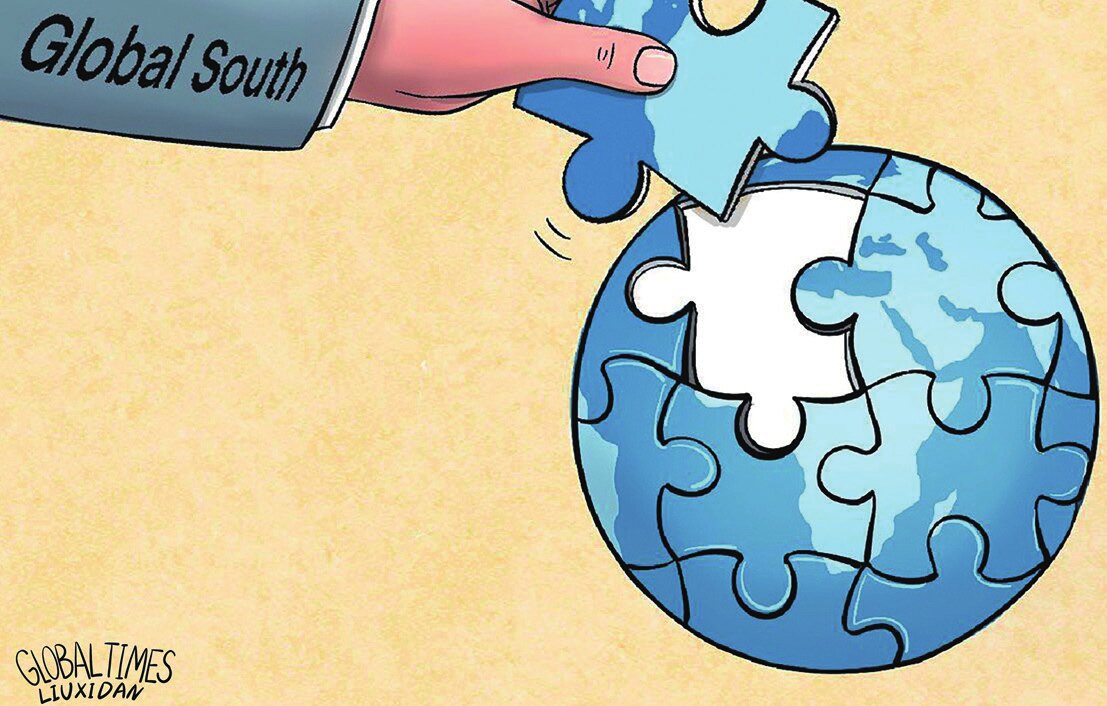
In recent years, China has launched several development initiatives, including the Belt and Road Initiative (BRI) and the Global Development Initiative (GDI), designed to tackle the international community’s challenges concerning peace, development, security, and governance deficits. These efforts offer a strong incentive for establishing a society with a collective future for humanity (Zhang, 2023Zhang, C. (2023). Chinese Initiatives Boost Common Development of the Global South. Contemporary World, (11): 14.). On September 21, 2021, Chinese President Xi Jinping introduced the Global Development Initiative (GDI) for the first time during the 76th United Nations General Assembly. The GDI, informed by China’s developmental experience, aims to address global development disparities, advance collective growth, and cultivate a community for shared prosperity (Shi, 2022Shi, Z. (2022). Building a Community with Shared Future for Mankind: Historical Background, China’s Contribution, and Deepening Path. People’s Tribune, (24): 122.). The GDI embodies China’s perspective on global development in the contemporary era and is congruent with the UN’s 2030 Agenda for Sustainable Development and international development collaboration.
The Middle East is a unique developing region, marked by persistent conflicts and instability, a uniform economic framework, and a vulnerable natural environment, which has experienced a significant “development deficit” over an extended period, posing a critical and challenging issue in global governance. Presently, Middle Eastern nations encounter numerous challenges pertaining to economic change, social stability, sustainable development, and geopolitical dangers. The primary focus in the Middle East is economic advancement. The inability to convert economies, developmental stagnation, and threats to livelihoods are the fundamental drivers of the region’s unrest. The political issues in the Middle East cannot be properly understood without acknowledging their economic origins (Malik and Awadallah, 2011Malik, A. and Awadallah, B. (2011). The Economics of the Arab Spring. Middle East Insight, (46).). The challenges and crises of political development in the Middle East extend beyond mere democratization, and the question of democracy is not the most urgent of its present issues (Jiang, 2021Jiang, Z., et al. (2021). The Dilemma and Crisis of Political Development in West Asia and North Africa. Beijing: China Social Sciences Press.). Middle Eastern countries can only gradually extricate themselves from their existing challenges by authentically surmounting developmental bottlenecks and attaining sustainable growth. This advancement will allow them to fundamentally tackle significant governance challenges, including volatile conflicts, terrorism, and the refugee crisis. Moreover, due to the underdeveloped status of many Middle Eastern nations, coupled with their precarious economic, social, and environmental structures, as well as restricted national governance capabilities, there exists a considerable dependence on financial, technical, and capacity support from the international community. Robust international development cooperation is essential for Middle Eastern nations to address their developmental issues and attain sustained advancement.
In what ways can the international community effectively augment development cooperation in the Middle East? What is China’s role in regional development cooperation? China engages in international development cooperation in the Middle East to fulfill its comprehensive development needs, strengthen bilateral relations, and play a pivotal role in global governance. Beijing’s economic interests in the Middle East are swiftly growing, resulting in heightened engagement in the region’s economic development. The substantial energy imports, varied commercial relationships, and persistent ambitions of major countries have compelled Beijing to enhance its involvement in Middle Eastern administration, leading to the ongoing growth of China’s extensive collaboration with the region. China and the Middle East are poised to establish a substantial economic partnership. China’s interests are incongruent with the prolonged accumulation of developmental obstacles in the Middle East and the consequent regional turmoil. Consequently, active engagement in Middle Eastern development is crucial for protecting these interests. China’s development cooperation in the region will safeguard its energy security, regional stability, and overseas economic interests while enabling Beijing to disseminate its successful experiences in reform and development. This collaboration underscores China’s distinctive attributes and accomplishments while reinforcing its image as a responsible global power. Rooted on the ideals of justice and reciprocal advantage, economic collaboration can deepen comprehension between China and Middle Eastern nations. It can also effectively clarify misconceptions within the international community and alleviate external apprehensions regarding China’s Middle East strategy (Wang & Yao, 2019Wang, B. and Yao Q.. (2019). A Study on the Construction of China’s Middle East Diplomatic Thought in the New Era. Arab World Studies, (2): 76.).
China has commenced a more proactive and substantial involvement in international development cooperation, supported by its growing strength and capabilities. China has attained a position in this domain where it may take on a leadership role and must contemplate how to effectively execute its obligations as a rising power in global development (Li, 2019Li, X.. (2019). The Future of Development Assistance: the Crisis of West Model and New Role of China. Beijing: China CITIC Press.). China’s principles, policies, and methodologies concerning overseas development assistance have facilitated this shift. Leveraging its experiences, China has established a novel model of international development cooperation that embodies Chinese features. This paradigm emphasizes enhancing the autonomy of recipient nations and implementing new development processes that receive favorable responses from both the recipient countries and the international community. China promotes global development through comprehensive consultation, collaborative contributions, and mutual benefits, resulting in the creation of several new mechanisms, such as the Asian Infrastructure Investment Bank, the New Development Bank, the Silk Fund, and the South-South Cooperation Assistance Fund, all designed to enhance development in diverse regions.
This article summarizes China’s development cooperation practices in the Middle East over the past two decades and analyzes the significance and methodologies of the GDI in enhancing development cooperation between China and Middle Eastern nations, based on a new model of international development cooperation. This essay will concentrate on the development cooperation between China and Arab States, considering the diversity of countries in the Middle East.
The GDI and the New Model of International Development Cooperation
In contrast to conventional development assistance, the new model of development cooperation emphasizes substantial collaboration centered on economics and trade, especially in economic infrastructure and manufacturing activities. This transition has enhanced the interplay among official aid, trade, and investment, with the objective of fostering industrial development. Regarding cooperation channels, there is a trend towards bilateral and multilateral collaborative development in the new model of development cooperation (Zheng, 2021Zheng, Y. (2021). Emergence and Challenges of New Models of Cooperation Paradigm for International Development. China Social Science Review, (2): 111.). As the international development cooperation paradigm evolves, China has emerged as a proponent and leader of a novel type of international development cooperation. Since the onset of the 21st century, China’s international development cooperation model has progressively transitioned from development-oriented assistance to empowerment-oriented assistance (Zhao and Cai, 2024Zhao, K. and Cai R. (2024). From Development-Oriented Aid to Capacity-Oriented Aid: the Paradigm Shifts of International Development Cooperation in China. Journal of Tongji University(Social Science Edition), 35(2): 23.). China’s international development cooperation not only delivers international public goods through the establishment of new platforms, such as the Belt and Road Initiative (BRI) and the Asian Infrastructure Investment Bank (AIIB), but also emphasizes enhancing the autonomous development capabilities of its partners. The GDI exemplifies the contemporary model of international development cooperation.
The GDI has emerged as a novel platform for international development cooperation, grounded in the principles and practices of the BRI, and functions as an international public good in this new era, offering renewed impetus for international development collaboration. Leveraging its practical experience and the demands of global development, China has launched the GDI, rejuvenating the international development agenda and providing initiatives and strategies for executing the UN’s 2030 Agenda for Sustainable Development. The GDI prioritizes development, champions people-centered and inclusive growth, fosters innovation-driven progress, advocates for harmonious cohabitation between humanity and nature, and endorses action-oriented development (Xi, 2021Xi, J. (2021). Bolstering Confidence and Jointly Addressing Global Threats and Challenges to Build a Better World for All: Remarks at the General Debate of the 76th UNGA. People’s Daily, (September 22).). It implores the international community to prioritize development within the global macro-policy framework, offering enhanced and more focused assistance to developing nations. Additionally, it delineates a framework for national progress and international collaboration, establishing a definitive course for promoting global development projects. The GDI and the BRI exemplify China’s development cooperation efforts and international public goods, illustrating Beijing’s revised development perspective and reestablishing development matters at the forefront of the global agenda. Beijing substantially aids international development cooperation via the GDI, which is closely aligned with the UN’s 2030 Agenda for Sustainable Development and is crucial in advancing its global execution. China presents the GDI, an essential public product and cooperative platform that proposes collaborative initiatives and projects across eight critical domains: poverty alleviation, food security, epidemic response and vaccination, development financing, climate change and sustainable development, industrialization, digital economy, and interconnectivity (Yao, 2022Yao, Y. (2022). The Global Development Initiative Draws a Blueprint for Responding to the Changing World. Red Flag Manuscript, (4): 46.).
Subsequent to the official inauguration of the GDI in September 2021, Chinese officials delineated its theoretical and practical importance at the opening ceremony of the Second UN Global Conference on Sustainable Transport, the 2022 World Economic Forum, the 2022 Annual Meeting of the Boao Forum for Asia, the High-level Dialogue on Global Development, and the G20 Summit. To promote international development cooperation, China has effectively incorporated the Global Development Initiative (GDI) into established multilateral development organizations, including the China-UN Peace and Development Fund, the BRICS cooperation mechanism, the South-South Cooperation Assistance Fund, and the Global Crisis Response Group on Food, Energy, and Finance (GCRG) under the leadership of the UN Secretary-General (Haenle & Sher, 2023Haenle, P. and Nathaniel, S. (2023). Initiative Diplomacy: China’s New Rules for Global Governance, Security and Development. East Asia Policy, s. 16.). In January 2022, China formed the “Group of Friends of the GDI” under the auspices of the United Nations, signifying its dedication to partner with UN member states and the United Nations Development System. Disseminating these significant experiences globally is essential for the execution and institutionalization of the GDI. The “Group of Friends of the GDI” seeks to accelerate the execution of the UN’s 2030 Agenda for Sustainable Development, enhance progress in developing countries, and so reestablish balance in the global development landscape (Qiao, 2023Qiao, T. (2023). Establish a Mechanism for Implementing Global Development Initiatives. Study Times, April 21.).
During the high-level videoconference of the “Group of Friends of the GDI” in May 2022, Chinese Foreign Minister Wang Yi advocated for the revitalization of global collaboration to execute the 2030 Agenda for Sustainable Development. He underscored the necessity of establishing a conducive climate for expedited global development, fostering an equitable and balanced global partnership for development, executing the GDI, and facilitating the attainment of the Sustainable Development Goals (SDGs). In June 2022, the China Center for International Knowledge on Development (CIKD) published its first Global Development Report, offering an extensive examination of the advancements and obstacles related to the 2030 Agenda for Sustainable Development. The paper clarified the fundamental concepts, essential principles, implementation strategies, and initial programs of the GDI, while also suggesting multiple recommendations across eight critical areas of the effort. In June 2022, during the High-Level Dialogue on Global Development, China presented 32 pragmatic measures to advance the GDI. Chinese President Xi Jinping declared the amalgamation of the South-South Cooperation Assistance Fund with the Global Development and South-South Cooperation Fund, augmenting the overall commitment by an extra $1 billion, so raising the total to $4 billion for the fund. Subsequently, China committed to creating a $10 billion fund to facilitate the execution of the GDI. In September 2022, Wang Yi presided over a ministerial summit of the “Group of Friends of the GDI” in New York, which drew senior delegates from 60 nations and prominent leaders of United Nations entities. Wang Yi articulated China’s willingness to strengthen strategic collaboration with the United Nations Development System and proposed seven supplementary actions to actualize the 2030 Agenda for Sustainable Development. The initiatives encompassed the publication of the inaugural project list in the GDI Pool, the “Special Action for Food Production,” the “Global Clean Energy Partnership,” the “Smart Customs, Smart Borders, Smart Connectivity” collaboration, the World Digital Education Consortium, and the open data sharing initiative associated with China’s “Science Satellite 1 for Sustainable Development” (The Foreign Ministry of PRC, 2022The Foreign Ministry of PRC. (2022). The Report on China-Arab Cooperation in New Era. (December 1). Retrieved August 10, 2024, from). In November 2022, Beijing officially inaugurated the Global Development Promotion Centre and subsequently established the Global Development Promotion Center Network in January 2023 to cultivate a Global Development Knowledge Network that utilizes China’s views and contributions to tackle development difficulties.
The GDI emphasizes development as a fundamental component of the global macro-policy framework. It fosters collaborative contributions from international partnerships for development, manages multilateral development cooperation, and expedites progress towards the 2030 Agenda for Sustainable Development while endeavoring to establish a community with a shared future for global development. The GDI has successfully cultivated a global consensus to advance development collaboratively and has encouraged the international community’s renewed emphasis on global development and reaffirmation of the 2030 Agenda. It effectively addresses global difficulties and the developmental requirements of rising economies, acting as a “catalyst” for the attainment of the Sustainable Development Goals by 2030 (CIKD, 2022Centre for International Knowledge Development (CIKD). (2022). Global Development Report 2022. Retrieved August 10, 2024, from). The GDI’s implementation methods are consistently enhanced, with practical collaboration increasingly concentrating on pivotal concerns like food security, poverty reduction, and energy security. The Global Development Promotion Center is operating efficiently, and the GDI project portfolio is growing, now including more than 200 initiatives.
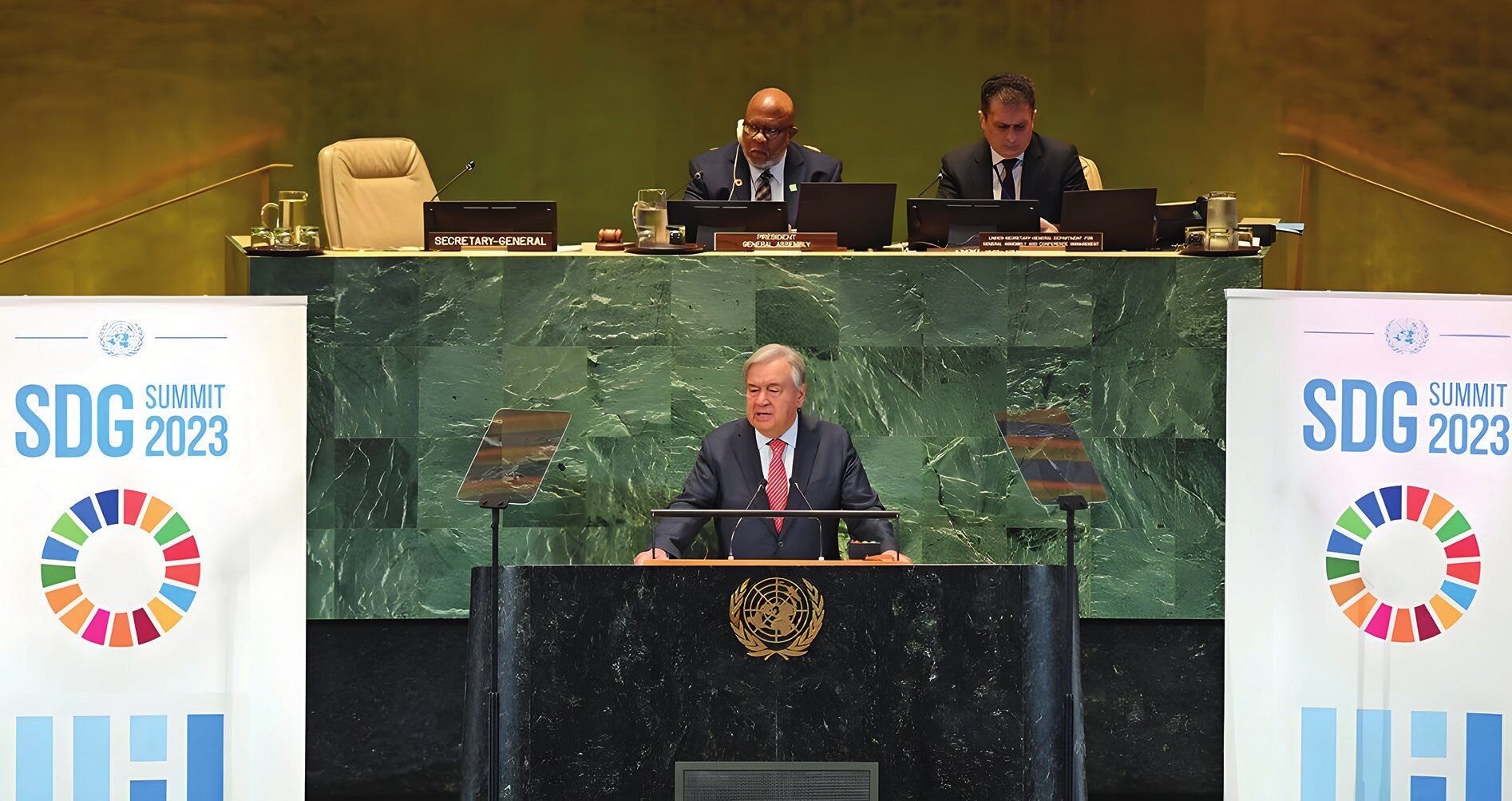
The GDI has garnered extensive backing from the international community owing to its robust alignment with the developmental requirements of nations globally, especially those that are developing. It substantially facilitates the advancement of the 2030 Sustainable Development Goals. Antonio Guterres, the UN Secretary-General, has lauded the GDI, underscoring its vital importance in furthering the 2030 Agenda for Sustainable Development, enhancing global equity, and facilitating equitable sustainable development. Siddharth Chatterjee, the United Nations Resident Coordinator in China, alongside representatives from the Food and Agriculture Organization (FAO) and the United Nations Industrial Development Organization, has praised the GDI’s beneficial influence on the UN 2030 Agenda for Sustainable Development, emphasizing its function as a potent catalyst for global development. As of 2023, over 100 nations have expressed their endorsement for the GDI, with 70 nations participating in the “Group of Friends of the GDI.” The principal aims of the GDI currently encompass improving the global perception of the execution of the 2030 Agenda for Sustainable Development, securing backing from pivotal partners and the United Nations development system, and augmenting investment in international development assistance (Mao, 2022Mao, R. (2022). China’s Global Development Initiative and the Improvement of the Global Governance System. Global Review, (6): 17.).
The GDI has received favorable feedback and backing from the international community, including Middle Eastern nations. By 2022, 17 Arab states voiced their support for the GDI, and 12 Arab states became members of the “Group of Friends of the GDI.” In June 2022, leaders from Egypt, Algeria, and other countries engaged in the High-level Global Development Dialogue. China will partner with Arab nations to execute the GDI, establish a consensus on development, adhere to the predetermined course of action, attain early successes, aid Arab states in enhancing the livelihoods of their citizens and bolstering their capacity for autonomous development, and realize the United Nations 2030 Agenda for Sustainable Development (The Foreign Ministry of PRC, 2022The Foreign Ministry of PRC. (2022). The Report on China-Arab Cooperation in New Era. (December 1). Retrieved August 10, 2024, from).
China’s Engagement in Development Cooperation in the Middle East
In addressing China’s Middle East diplomacy, Chinese President Xi Jinping has underscored the fundamental principles of peaceful development: “The Middle East confronts the pressing challenge of eradicating conflict and resolving developmental issues. China’s Middle East policy addresses the populace’s profound aspiration for peace and prosperity in the region while supporting the rightful assertions of Arab governments on the world stage. We are ready to assume a more significant role in fostering regional peace and stability” (Xi, 2018Xi, J. (2018). Remarks on the Opening Ceremony of the 8th Ministerial Meeting on China-Arab States Cooperation Forum. People’s Daily, (July 11).). Simultaneously, China’s diplomatic initiatives emphasize the correlation between growth and peace. President Xi emphasized that the key issue driving the unrest in the Middle East is development and that the definitive solution is on attaining sustainable development (Xinhua Agency, 2016Xinhua Agency. (2016). Xi’s Remarks at the Headquarters of League of Arab States. (January 21). Retrieved August 13, 2024, from).
The most effective way to address the Middle East's security issue is through growth. The development measures put out by China correspond with the genuine and pragmatic requirements of Middle Eastern nations (Li, 2021, 3Li, W. (2021). The Diplomatic Concept of the CPC Since the 18th National Congress and Its Practice in the Middle East. Arab World Studies, (3): 3.). In light of the substantial economic development issues in the region and their considerable effects on regional peace and security, China emphasizes development by proactively offering aid and concentrating on enhancing people’s livelihoods. This strategy promotes regional economic growth and cultivates an atmosphere favorable to the peaceful resolution of disputes. China promotes regional governance principles that foster development and peace, encompassing the collaborative establishment of the Belt and Road Initiative in the Middle East, provision of development aid, support for post-conflict reconstruction in regional nations, enhancement of governance capabilities of Middle Eastern administrations, strengthening of human resources training, and advancement of infrastructure connectivity (Sun & Zhang, 2019Sun, D. and Zhang, D. (2019). Peace Through Development: Ideas and Paths for China’s Participation in Middle East Security. Global Review,(6): 123.). China invests in economic connections with the Middle East and participates in regional development governance through three principal mechanisms: trade, investment, and capacity-building aid. These initiatives seek to augment the capacity of regional nations for autonomous development, signifying a novel paradigm of international development cooperation. China is increasingly importing a wider range of non-energy commodities from the Middle East for mutual benefit; its investments in the region are consistently rising; and its help to Middle Eastern nations, offered without political stipulations, has also grown substantially. Studies demonstrate that China’s foreign direct investment (FDI) has significantly facilitated sustained economic growth in Saudi Arabia and other Middle Eastern countries (Asiri et al., 2023Asiri, M. A. Y., et al. (2023). How Foreign Direct Investment and Other Belt and Road Initiative Aspects Shape Sustainable Economic Development in Middle East Nations. Journal of Industrial Integration and Management, 8(3): 387.). The BRI aims to rectify economic shortcomings in infrastructure, finance, technology, and other sectors within the region, thereby fortifying the foundations for economic growth and sustainable development.
Several fundamental elements predominantly illustrate the pragmatic trajectory of development cooperation between China and Middle Eastern nations. China is progressively offering development assistance to these nations, facilitating reconstruction in post-conflict areas, and tackling essential challenges such as poverty, unemployment, water resource management, and fundamental livelihood security.
Secondly, China seeks to enhance its development assistance to empower regional nations by active involvement in infrastructure development, dissemination of best practices in economic planning, attraction of foreign investment, and establishment of special economic zones. This strategy aims to augment the developmental capabilities of these nations. Third, Beijing aims to promote mutually advantageous collaboration in new energy and developing technologies. It aids the Middle East in establishing new infrastructure and promoting innovative industrialization, therefore facilitating the change and development of regional nations. China asserts that the vigilant engagement and proactive involvement of the international community are crucial for reinstating political stability and rejuvenating the economy in the Middle East. Beijing has provided low-interest loans to Middle Eastern nations via the National Development Bank and the Export-Import Bank of China, employing adaptable repayment strategies.
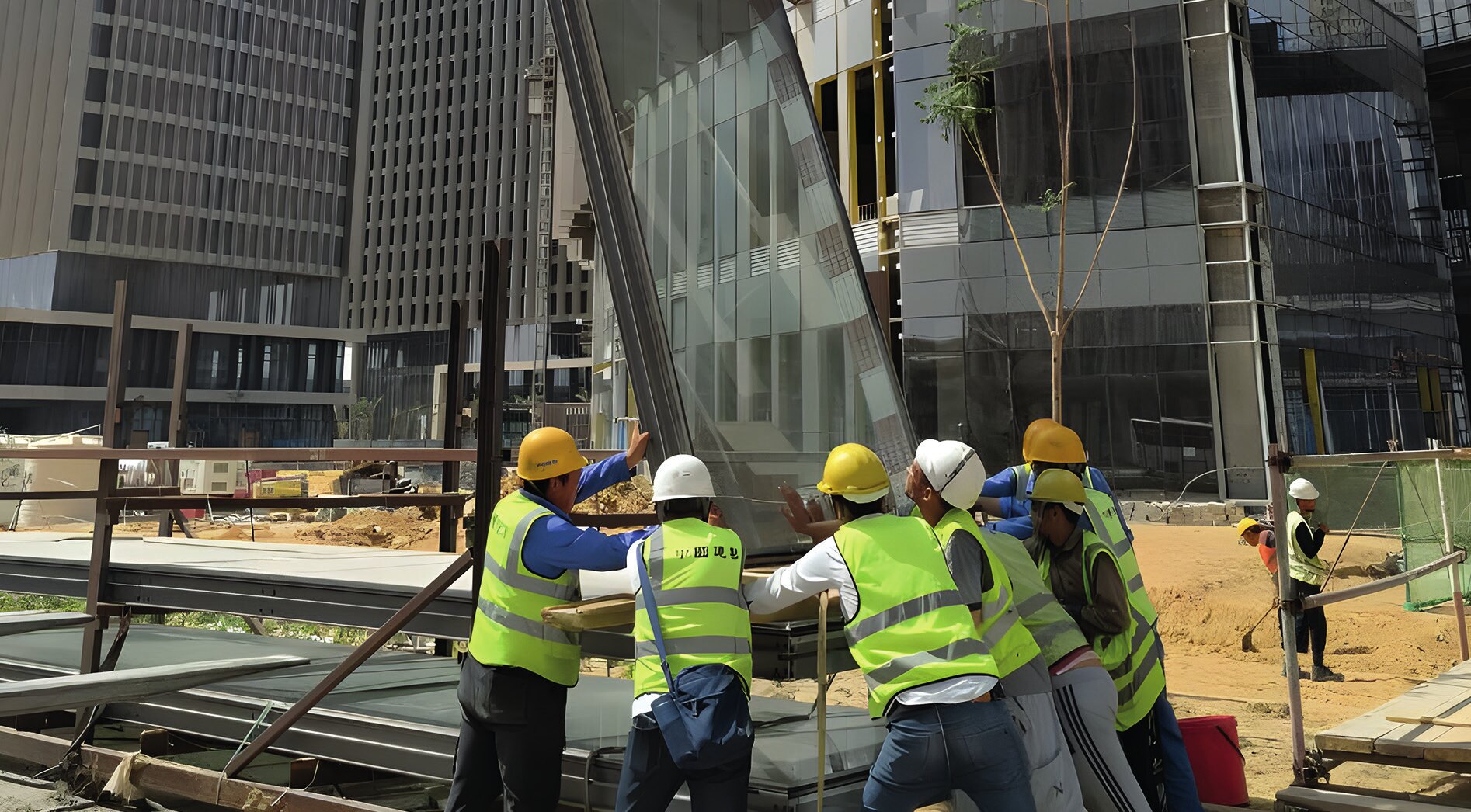
Consequently, China diligently executes aid projects in nations confronting developmental obstacles or instability, mitigates debt loads, and participates in international development initiatives under the aegis of the United Nations and the World Bank. Over the past twenty years, China has significantly contributed to the post-war reconstruction of Iraq and Syria, provided development assistance to Palestine, and supported economic recovery initiatives in Egypt and other transitional nations. China persistently executes aid initiatives in Middle Eastern nations, encompassing the development of highways, bridges, ports, stadiums, international convention centers, waterways, dams, factories, schools, and hospitals. The total number of medical teams deployed in Arab nations has consistently surpassed 400. Subsequent to the Arab Spring, China has provided substantial support to countries undergoing transition in the area. For example, it has allocated 450 million yuan in aid to Egypt, 100 million yuan in non-repayable assistance to Yemen, and 30 million yuan in humanitarian material support to Syrian refugees in Lebanon and Jordan. Furthermore, China augmented its donations to the United Nations Relief and Works Agency for Palestine Refugees (UNRWA), providing an extra $2.35 million for the assistance of Palestinian refugees in August 2018 (People’s Daily, 2018People’s Daily. (2018). China Donates Additional Funds to the UNRWA. August 8.). Moreover, China Gezhouba Group constructed the sewage treatment facility in Suwaila City, Wasit Province, Iraq; PetroChina established the natural gas processing plant in Hafaya, Iraq; China Construction developed the Nasiriyah Airport in Iraq; China Machinery erected the Salahaddin Fuel Gas Power Station in Iraq; and China Electric Power Company built 679 Iraqi Model Schools in Iraq, all of which catered to the essential needs of the Iraqi populace and generated substantial social advantages. Concurrently, China emphasizes ongoing developmental aid to Middle Eastern nations via technical cooperation initiatives and personnel training, aiming to provide essential technology and human resources for sustainable development, thereby augmenting the autonomous development capabilities of recipient countries and contributing to the economic stability of the Middle East region (Sun et al., 2018Sun, D., et al. (2018). China’s Participation in the Middle East Governance after the Cold War. Beijing: Social Sciences Academic Press.).
Food security and agriculture are key concerns for the advancement of Middle Eastern nations. The Arab states encounter a disproportionate food supply and demand framework, characterized by escalating food security issues and sluggish agricultural advancement. The Arab region exhibits concentrated food insecurity, and the nations within this area face difficulties in implementing effective regional food security systems to address these common concerns (Zhang, 2020Zhang, S. (2020). Agricultural Cooperation under China-Arab States Cooperation Forum: Features, Dynamics and Challenges. West Asia and Africa, (6): 89.). China has assisted in numerous water conservancy and agricultural initiatives in Sudan, Egypt, Algeria, Morocco, Mauritania, and other countries, facilitated agricultural technology exchanges within the China-Arab States Cooperation Forum (CASCF), and bolstered the capabilities of Arab nations in agricultural governance and food security. During the inaugural China-Arab States Summit in 2022, Beijing committed to aiding its Arab counterparts in bolstering food security and augmenting overall agricultural production capacity. This encompasses the establishment of five collaborative laboratories for contemporary agriculture, the execution of 50 demonstration initiatives for agricultural technical collaboration, and the deployment of 500 agricultural technical specialists to assist regional nations in augmenting food production, enhancing storage capabilities, and improving agricultural productivity. Additionally, a “green channel” will be established to facilitate the import of high-quality agricultural products from Arab states.
In the domain of health governance, the deployment of medical teams constitutes China’s most significant type of health assistance in the Middle East. China has significantly dispatched numerous medical teams to Morocco and a substantial contingent of medical personnel to Algeria. In post-conflict nations, support for hospital construction, provision of medical equipment and pharmaceuticals, and deployment of medical personnel are vital elements of China’s developmental assistance. In response to the 2020 epidemic, China promptly dispatched medical professionals to the Middle East to exchange knowledge and technologies for viral mitigation and to provide extensive support. China provided Iraq, Saudi Arabia, and Israel with diverse help, including the development of new coronavirus diagnostic laboratories and isolation hospitals. Chinese expert teams visited Algeria, Iran, and Tunisia to disseminate China’s anti-epidemic knowledge, offer training in preventative and clinical protocols, and improve the monitoring, response, and treatment capacities of Middle Eastern nations. Furthermore, China endorses collaborative research and the sanctioned manufacturing of vaccines by Chinese enterprises while simultaneously advocating for autonomous vaccine development in the Middle East (Liu and Li, 2022Liu, S. and Li, Y. (2022). Regional Governance and the Responsibility of Major Power: China’s Anti-Pandemic Cooperation in the Middle East. Arab World Studies, (6): 3-21.). The 9th Ministerial Meeting of the China-Arab States Cooperation Forum (CASCF) in 2020 released a joint declaration affirming support between China and Arab states in combating the disease.
China implements a significant portion of its development assistance to the Middle East through the United Nations framework, alongside bilateral methods. China engages in regional investments and aids in revitalizing the local economy through collaboration with diverse stakeholders. Additionally, it endorses international organizations like the United Nations, the International Monetary Fund, and the World Bank in enhancing their involvement in regional economic development. In the realm of refugee governance, China and the UN Refugee Agency (UNHCR) have cultivated mutual trust via collaboration and are dedicated to enhancing the efficacy of UNHCR’s refugee assistance initiatives. Beijing has been a significant contributor to the agency’s international humanitarian efforts, sustaining cooperation in promoting refugee legislation and acquiring relief supplies. In reaction to the worsening refugee crisis in the Middle East, China has augmented its support for refugees, facilitated their relocation in the region through material help, and enhanced conditions in refugee camps (Xing, 2016Xing Xinyu. (2016). China’s Participation in the Middle East Refugee Governance: Reality and Prospects. Arab World Studies, (4): 31.). China predominantly extends multilateral aid to Middle Eastern refugees via international entities such as the World Food Programme (WFP), the World Health Organization (WHO), and the United Nations International Children’s Emergency Fund (UNICEF). These organizations have offered diverse sorts of aid to Syrian and Iraqi refugees, encompassing food, medication, financial support, materials, and construction (Xing & Yu, 2020Xing, X. and Yu, Z. (2020). The Practice and Prospects of China’s Participation in the Middle East Refugee Governance. Arab World Studies, (2): 51-55.).
An increasing number of Middle Eastern nations are obtaining concrete advantages and development aid from China’s developmental assistance and the collaborative implementation of the Belt and Road Initiative (BRI). This relationship offers a distinctive chance to improve the region’s infrastructure, foster industry and economic transformation, and elevate the livelihoods of its inhabitants. In this new era, China prioritizes the establishment of structured cooperation mechanisms with Middle Eastern countries, providing collaborative platforms that promote mutual economic development. This strategy offers policy and institutional assurances for regional economic stability and development while aiming to foster holistic growth across the region. The collaborative development of the BRI, the advancement of the China-Arab States Cooperation Forum (CASCF) to a summit tier, and the 25-year Comprehensive Cooperation Agreement between China and Iran indicate a growing institutionalization and enduring commitment to bilateral collaboration. China’s development cooperation with Middle Eastern countries has enhanced the economic development environment and foreign trade conditions in the region, alleviated pressures on infrastructure, finance, and livelihoods, bolstered the independent development capacity and confidence of regional nations, and contributed to peace and stability in the area.
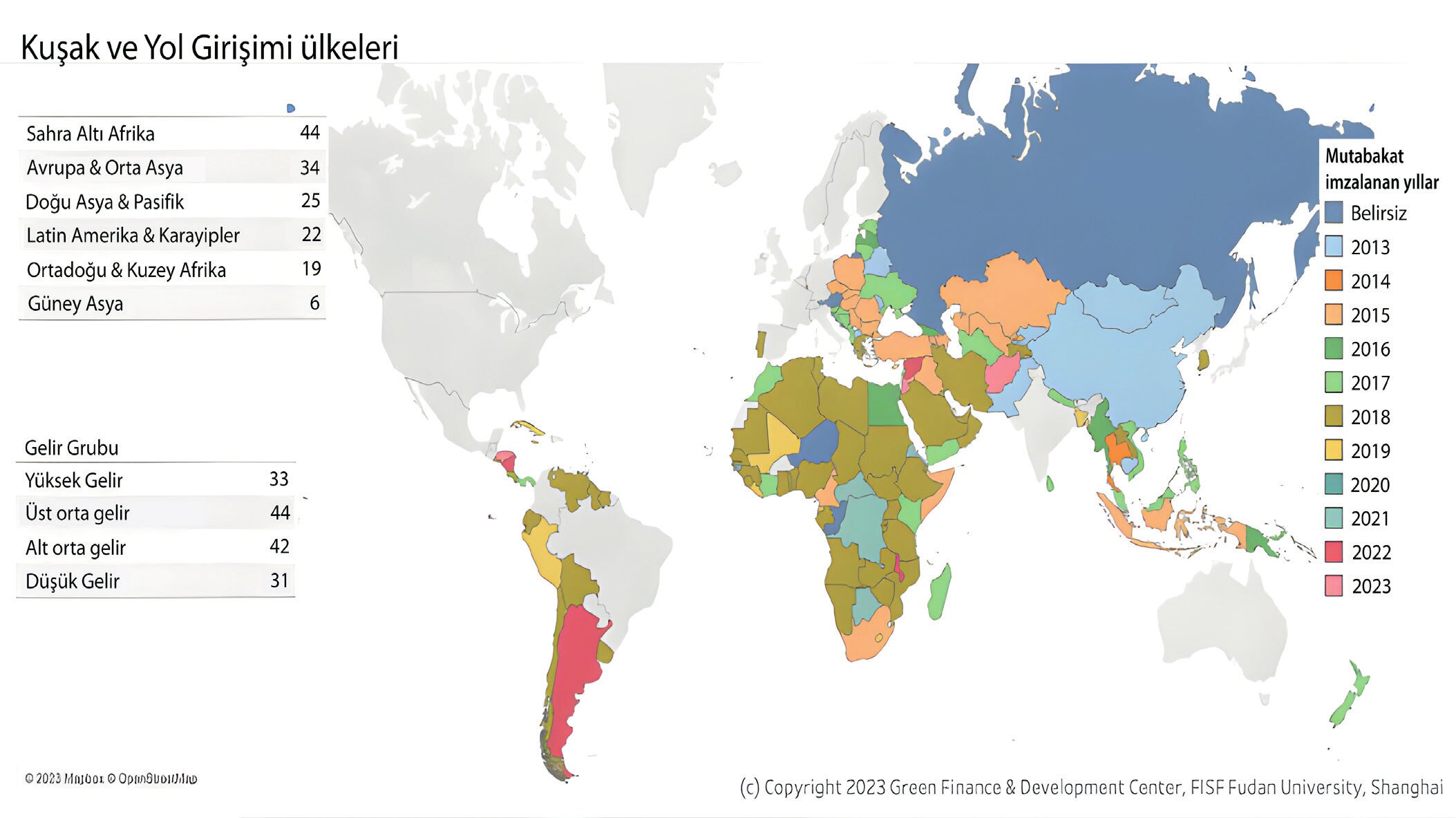
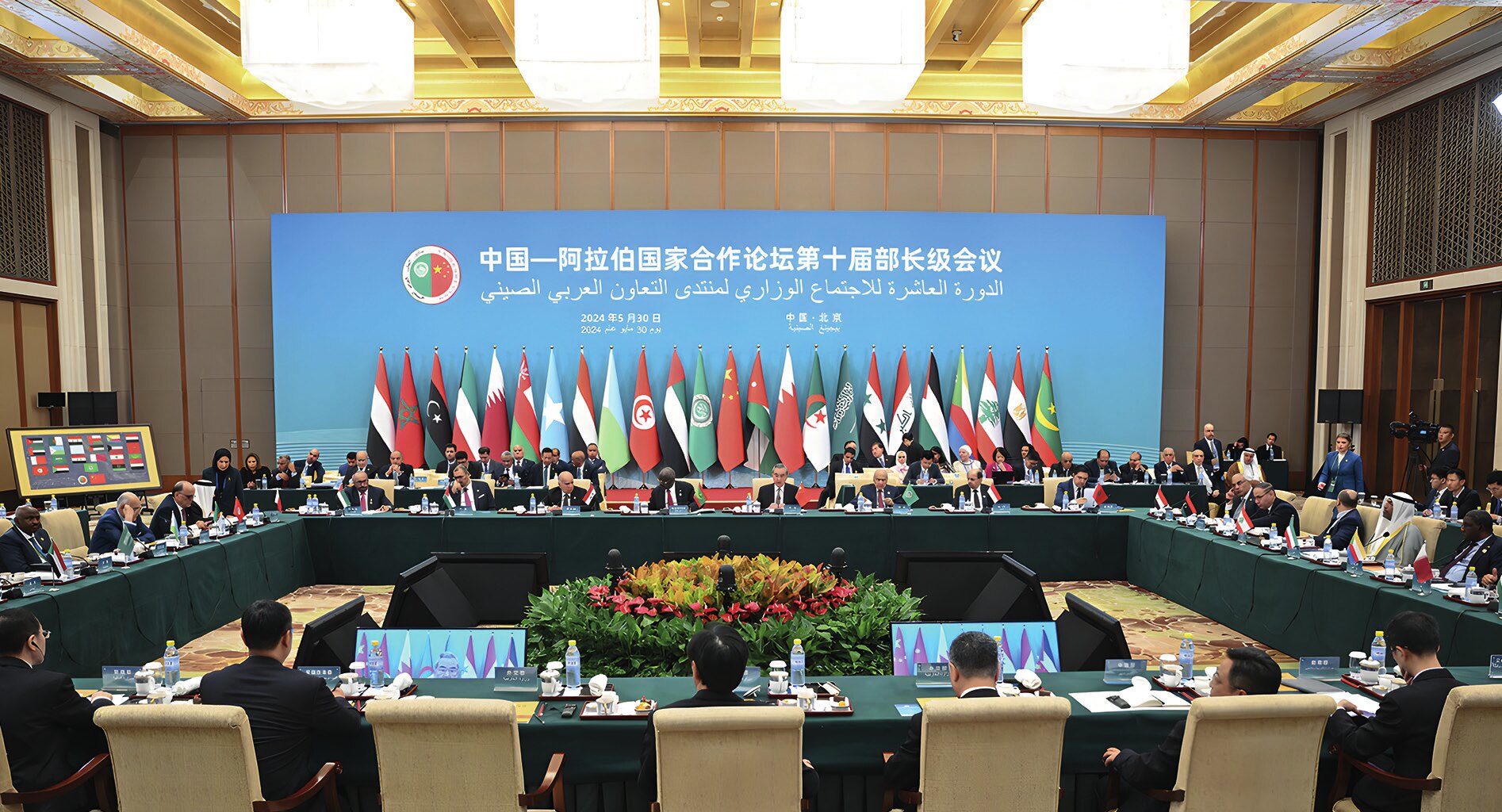
The Belt and Road Initiative announced by Beijing in 2013 garnered an affirmative reaction from Arab nations. By June 2022, China and Arab nations had held nine ministerial meetings and 17 senior official meetings. The CASCF Ministerial Meeting takes place every two years. At the 6th Ministerial Meeting of the CASCF in 2014, China presented the “1+2+3” cooperation framework, comprising one main focus (energy cooperation), two priority domains (infrastructure, trade, and investment facilitation), and three advanced technology sectors for innovation (nuclear energy, aviation satellites, and new energy). Furthermore, China has suggested to elevate China-Arab commerce to $600 billion within the next ten years and to augment the volume of Chinese investment in the Arab region to exceed $60 billion (Xinhua Agency, 2014Xinhua Agency. (2014). Xi’s Remarks on the Opening Ceremony of the 6th Ministerial Meeting on China-Arab States Cooperation Forum. (June 5). Retrieved August 15, 2024, from). In 2016, the Chinese government published its inaugural Arab Policy Paper, emphasizing development cooperation as a fundamental element. In subsequent years, the Chinese government instituted many additional mechanisms, including the China-Arab States Technology Transfer Center, an Arab training facility for the peaceful application of nuclear energy, and the China-Arab Clean Energy Training Center. In January 2016, during his visit to the Middle East, President Xi Jinping declared the creation of $15 billion in special loans for regional industrialization, in addition to $10 billion in commercial loans and $10 billion in concessional loans for Arab nations. He additionally advocated the establishment of a $20 billion mutual investment fund, substantially augmenting support for the economic change in the Middle East (Xinhua Agency, 2016Xinhua Agency. (2016). Xi’s Remarks at the Headquarters of League of Arab States. (January 21). Retrieved August 13, 2024, from). During the 8th Ministerial Meeting of the CASCF in 2018, both parties released the Declaration of Action on China-Arab States Cooperation within the framework of the BRI. China declared intentions to import products exceeding $8 trillion over the next five years and to allocate over $750 billion for global foreign investment. Additionally, it introduced a specialized initiative for economic rehabilitation focused on industry revitalization and formed a China-Arab States Banking Consortium with $3 billion allocated for financial cooperation (CASCF, 2018CASCF (2018). The source article does not provide a separate full bibliographic entry for this citation.). According to official statements, China will persist in employing special and concessional loans to facilitate the industrialization of the Middle East, encouraging the participation of Chinese firms in the development and construction of industrial parks, investment operations, and industrial clusters. The 9th Ministerial Meeting of the CASCF in 2020 ratified the Amman Declaration and the implementation plan for 2020–2022, committing to enhance the strategic relationship between China and Arab states and to establish a China-Arab community with a shared future in the new era. Beijing has entered into cooperation agreements under the Belt and Road Initiative with all 22 Arab nations and the Arab League.
In December 2022, the China-Saudi Arabia Summit, the inaugural China-Arab States Summit, and the first China-GCC Summit were held in Riyadh, Saudi Arabia. President Xi Jinping offered eight significant cooperation initiatives designed to enhance pragmatic engagement between China and Arab nations, delineating essential pathways for bilateral cooperation. The initial initiative, named “Supporting Common Action for Development,” emphasized development cooperation. Regional development governance is also intricately connected to Initiatives II to V—“Joint Action on Food Security,” “Joint Action on Health,” “Joint Action on Green Innovation,” and “Joint Action on Energy Security.” The Chinese government intends to partner with Arab states to execute development assistance projects, allocating 5 billion RMB to support 30 qualifying projects in the Arab region as part of the GDI project pool. Furthermore, China will enhance credit support to Arab states, provide zero-tariff treatment for 98% of products from the least developed countries in the region, and extend humanitarian and reconstruction aid to Palestine, Yemen, Lebanon, Syria, and others (The State Council of the PRC, 2022The State Council of PRC. (2022). Xi Proposed Eight Major Cooperation Initiatives at the First China-Arab States Summit. (December 10). Retrieved August 16, 2024, from). The concurrent conduct of these three summits produced significant outcomes and signified a new era in China-Arab relations.
Mechanisms for the GDI to Promote Development Cooperation between China and the Middle East
The Middle East is pivotal to the global development deficit, and the nations within this region are inherently suited for the execution of the GDI (Li et al., 2024Li, W., et al. (2024). China-Middle East Cooperation on Jointly Building a Community with Shared Future for Mankind. Arab World Studies, (1): 24-25.). Given the diverse national circumstances, institutions, resource availability, and developmental trajectories, GDI-oriented initiatives in the Middle East must be instrumental in reinstating development issues at the forefront of regional agendas (Wang et al., 2024).
First, the concepts of GDI should be used to lead the development transformation of the Middle East region and further promote the shaping of the development concepts of Middle Eastern countries. Confronted with challenges such as economic structure, environmental conditions, and social stability, Middle Eastern countries ardently endorse sustainable development and have progressively incorporated international development concepts and knowledge into their strategies and actions. The BRI and GDI are closely aligned with initiatives such as Saudi Arabia’s “Vision 2030,” the UAE’s “We the UAE 2031,” and the “Development Strategy for the Next 50 Years.” These strategies prioritize innovation-driven growth and harmonious coexistence with nature, offering conceptual guidance for both parties to enhance developmental collaboration and execute pragmatic measures. Middle Eastern nations are actively investigating new developmental pathways and models, and the GDI has unveiled new prospects for them.
The concept of people-centered and inclusive governance of livelihoods is essential for the economic and social stability of the Middle East. The development strategies, projects, and actions of Middle Eastern countries must address the challenges affecting economic stability, meet the development needs of the general population, and promote social equality and inclusion. Conflict and instability profoundly influence the development of the Middle East. Therefore, it is both relevant and necessary to adopt a pragmatic approach to development that prioritizes growth and drives innovation. Regional countries should firmly establish the principle of prioritizing development and seize genuine opportunities to foster growth through innovation.
In the future, China and Middle Eastern countries should further strengthen the alignment of their development strategies based on integrated ideas, providing a clear plan and direction for the implementation of the 2030 Agenda for Sustainable Development. Effective coordination of economic, social, and environmental objectives requires the establishment of a long-term framework for economic policymaking as well as a high-level coordination mechanism capable of mobilizing all relevant sectors to integrate sustainable green growth objectives into broader development plans. Additionally, it involves monitoring and evaluating the progress of green growth to assess the effectiveness of existing policies, establishing institutional mechanisms to ensure the participation of all stakeholders at every stage, fostering public-private partnerships to create an enabling environment for decarbonization, and supporting investment in and the use of new and green technologies. Moreover, addressing the needs of vulnerable groups in society is crucial to ensuring no one falls behind (UNESCWA, 2022UNESCWA. (2022). Annual SDG Review 2022. E/ESCWA/CL5.SDGS/2022/TP.1. Retrieved August 12, 2024, from).
Secondly, the GDI is a critical mechanism for promoting the implementation of the 2030 Agenda for Sustainable Development in the Middle East. It seeks to enhance its diversification platform to promote the priority development agendas of regional nations. The GDI seeks to accelerate the implementation of the 2030 Agenda for Sustainable Development, emphasizing the importance of action-oriented and effective governance. It offers enhanced public goods related to financing and provides a platform for international development cooperation, thereby generating new momentum for the implementation of the 2030 Agenda in developing regions. The GDI actively engages UN development agencies as key partners in fostering cooperation and establishing exemplary roles that encourage collaboration among other countries and institutions, with the “Group of Friends of the GDI” countries serving as the primary participants (The Foreign Ministry of PRC, 2022The Foreign Ministry of PRC. (2022). The Report on China-Arab Cooperation in New Era. (December 1). Retrieved August 10, 2024, from).
China should integrate Middle Eastern nations into the multilateral institutional framework of the GDI to guarantee the safeguarding of rights and equitable power distribution in knowledge exchange, development strategy formulation, and agenda setting. China, on the other hand, ought to support the efforts of United Nations multilateral agencies in order to offer significant advantages to local nations in terms of development financing, project implementation, and governance. Given the varying levels of development among these countries, many face significant financing gaps and lack sufficient experience in managing development projects and governance. Therefore, the international community must provide external support for development mechanisms to facilitate their transformation. For instance, China could actively support poverty reduction efforts in regional countries through international cooperation projects, sharing best practices, and providing training in poverty alleviation. Furthermore, “joint action on food security” could enhance food security and comprehensive agricultural production capacity in Arab states. As China increases its financial support for regional countries, it should also promote high-quality, low-cost, and sustainable infrastructure investments. Furthermore, it should encourage and assist these countries in mobilizing domestic resources for development, thereby enhancing their capacity and momentum for sustainable development.
Third, it is essential to promote the establishment of a global partnership for development between China and Middle East countries while enhancing the capacity of regional states to implement the 2030 Agenda for Sustainable Development within the framework of the GDI. Inequalities in global economic governance structures, unfulfilled Official Development Assistance (ODA) commitments, and inadequate technology transfer and capacity-building in developing countries pose significant challenges for Middle Eastern nations striving to achieve sustainable development goals. While the United Nations Resident Coordinators and the League of Arab States play crucial roles in fostering international cooperation and partnership-building, there is a pressing need for broader collaboration among Middle Eastern countries in the areas of technology, finance, and capacity-building. China should currently integrate the new platform of United Nations development agencies with the GDI to enhance the capacity of Middle Eastern countries in governance related to digital technology, industrialization, energy transformation, and the global partnership for development.
Enhancing the application of digital technology is essential for the rapid development of the digital economy. Digital technology has become a significant factor influencing global development. It is increasingly crucial to promote international development cooperation and achieve the Sustainable Development Goals (SDGs) by 2030. The digital transition offers vital opportunities for the economic and social development of Middle Eastern countries, facilitating a transformation in production methods, empowering governments and populations, and improving the effectiveness of public services. Cooperation between China and Arab states in infrastructure is expanding into high-tech and digital sectors, with a focus on establishing a landscape that includes information technology, communications, and aerospace (Ding and Zhu, 2022Ding, J. and Zhu, L. (2022). Mechanism, Achievements and Significance of Cooperation between China and Arab States in the New Era. Arab World Studies, (3): 42.). China should promote technology transfer and knowledge sharing to foster inclusive development and economic transformation in the region.
Through improved policy coordination and capacity-building, China aims to foster cooperation in new industrialization and enhance the integration of regional nations into global industrial, value, and supply chains. China has strengthened its institutional collaboration with the United Nations Development System, the League of Arab States, the Gulf Cooperation Council (GCC), and other platforms to cultivate industries with comparative advantages in the Middle East. This initiative intends to expedite industrialization, optimize the integration of global and regional value chains and supply chains, and offer further development opportunities and impetus.
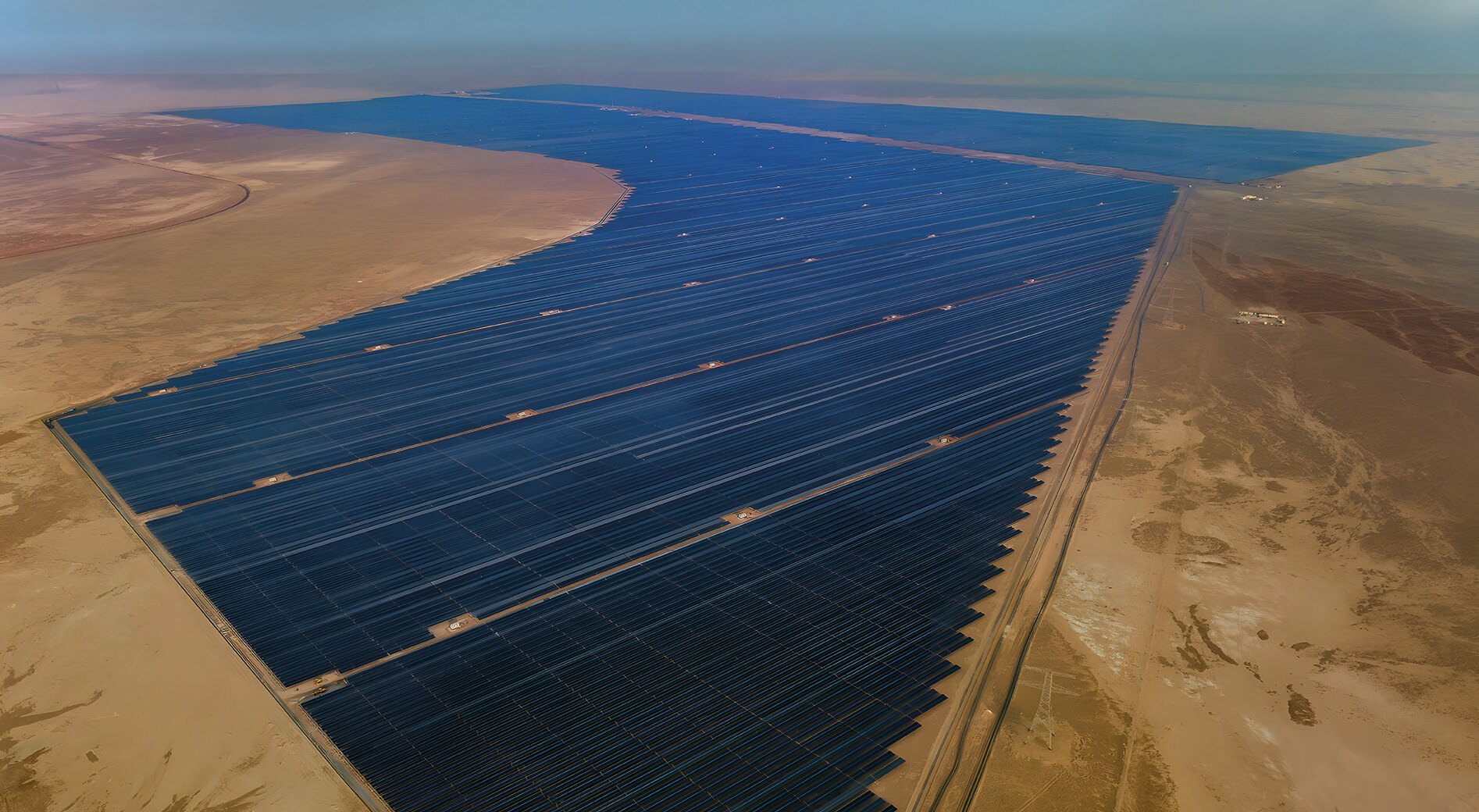
It is essential to accelerate the development of renewable energy and promote the transformation to green energy. China holds a leading position in the entire industrial chain of clean energy development and could enhance cooperation with Middle Eastern countries to expedite the transition to a green economy, thereby achieving both economic growth and environmental protection goals. The China-Arab Clean Energy Training Center, as outlined in the China-Arab States “Joint Action on Energy Security,” aims to enable Chinese energy enterprises and financial institutions to participate in renewable energy projects within Arab states. This initiative aims to foster research and development collaboration in energy science and technology with Arab partners and to promote the coordination of energy policies (The State Council of PRC, 2022The State Council of PRC. (2022). Xi Proposed Eight Major Cooperation Initiatives at the First China-Arab States Summit. (December 10). Retrieved August 16, 2024, from). Constructing a new framework for three-dimensional energy cooperation is a crucial strategy for deepening energy collaboration between China and Middle Eastern countries, enabling a joint response to the energy crisis, and safeguarding energy security in the current context. Establishing a fair and equitable global energy governance system that is balanced and inclusive holds significant theoretical and practical importance (Li et al., 2024Li, W., et al. (2024). China-Middle East Cooperation on Jointly Building a Community with Shared Future for Mankind. Arab World Studies, (1): 24-25.).
The GDI Network seeks to foster solidarity and collaboration among regional nations, especially Arab states, while strengthening global development partnerships in the region. This initiative aims to cultivate a more conducive environment and lay a robust foundation for regional developmental transformation and governance enhancement.
Conclusion
The Middle East is currently facing significant challenges related to security, development, and governance, as it stands at a critical juncture between peaceful progress and disorder. Compared to other regions in the world, the development issues in the Middle East are particularly prominent, and international development cooperation is indispensable for regional countries to address development challenges. Western powers continue to assert their dominance in the region, fostering both alliances and confrontations while viewing China as a primary competitor. This perspective aims to limit Beijing’s involvement in the Middle East, compelling regional countries to choose sides and undermining mutually beneficial cooperation between China and Middle Eastern countries. In response to this situation, China has proactively sought to strengthen friendly and cooperative relations with all nations in the Middle East, promoting peace, development, and stability in the region. China advocates for genuine multilateralism grounded in the UN Charter and actively positions itself as a peacebuilder, development contributor, and defender of order in the Middle East. In this context, the GDI will effectively promote international development cooperation between China and regional countries and contribute to the comprehensive development of the Middle East. Through development cooperation, China and Middle Eastern countries emphasize a shared vision of international order and global governance, working together to dismantle barriers to peace and development in the region and striving to establish a global development community with a shared future.